


Most people start the workday by opening the inbox, which is a little like opening the office door and letting a crowd set the agenda. No CEO would run a company that way. A good chief executive starts with a short opening meeting: yesterday’s numbers, today’s priorities, the calendar checked against the plan. When the company is you, that meeting still matters. It just happens at your own desk, with coffee, before anyone else gets a vote.
That is the morning CEO routine, and it is not a wake up ritual. Our mindful mornings routine covers the quiet first minutes before the phone, and rising early has its own charms. This routine begins when you sit down to work. Three short stations, in the same order every day: review, plan, protect. Thirty minutes at the start that buy back the whole day. The books below built each station, and every one of them earns its place on a working desk rather than a bedside table. Every price is the price shown on LTK at publishing, and every link is an LTK affiliate link.
Station One: Open With a Review, Not a Reaction
Before anything new arrives, look at what is already true. What did yesterday actually produce? Which promise slipped, and does it still matter? What is the one number that tells you whether the business is healthy this week: sales, subscribers, savings, however you measure it? Five honest minutes with yesterday’s facts turns today into the continuation of a plan instead of a fresh emergency, and it is the moment you spot the tasks that should not be yours at all. Our guide to the art of delegating, hiring your first virtual assistant starts exactly here, because the review is where the handoff list writes itself.
Keep the review short and written. One page in a journal or one screen in a notes app: yesterday in three lines, the number in one, the lesson in one. Then close it. Reviewing is not reliving, and it is certainly not scrolling. The three books in this station cover the mindset, the daily page, and the trusted system that makes an honest review possible.
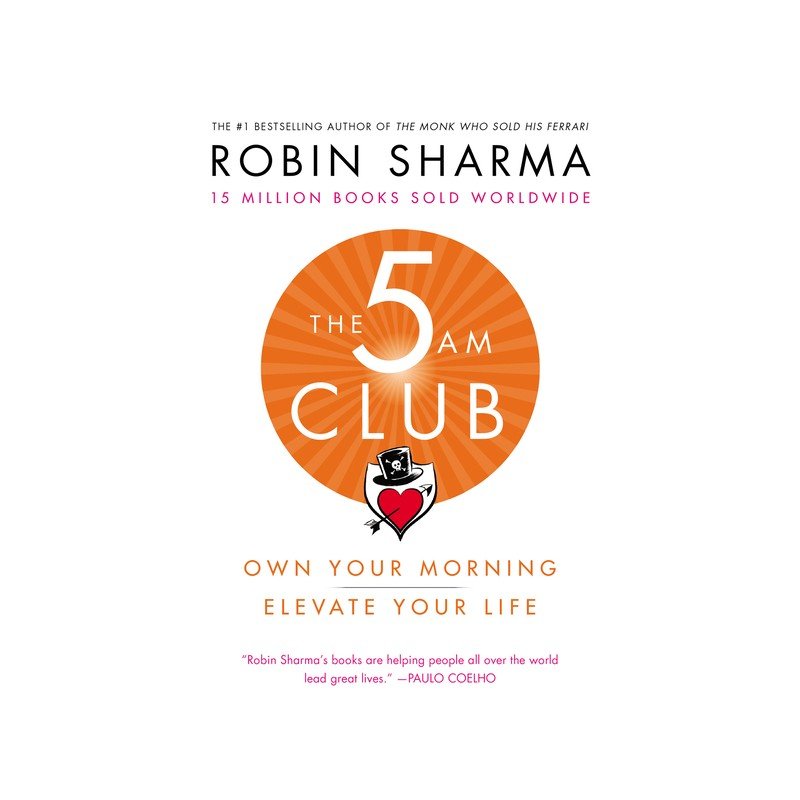
The 5am Club by Robin Sharma (Hardcover)
Target, $14.27
Sharma’s early rising classic is the ritual layer underneath this routine: own the first hour and the rest of the day is easier to lead. Read it for the mindset, then adapt the hour to your own clock. The opening meeting in this article works just as well at 8 AM as it does at 5, because the point was never the alarm. The point is starting on purpose.
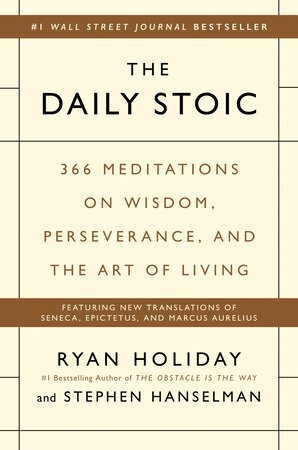
The Daily Stoic: 366 Meditations on Wisdom, Perseverance, and the Art of Living by Ryan Holiday
Macy’s, $29.00
One page a day, dated and short enough to read while the coffee brews. Holiday’s daily meditations give the review station its calm: a two thousand year old reminder that you control your response to the day, not the day itself. Keep it on the desk, not the shelf, and let it be the first voice you hear at work instead of the loudest one in your inbox.
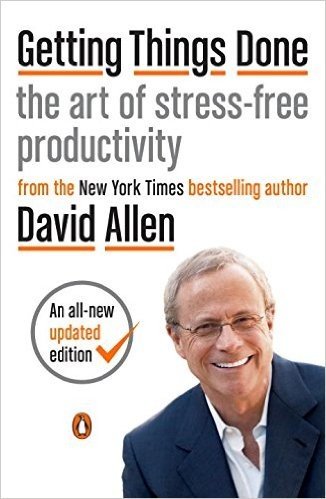
Getting Things Done: The Art of Stress-Free Productivity by David Allen (Paperback)
Macy’s, $19.00
The review only works if everything you owe the world is captured in one trusted place, and Allen’s system is still the best way to build that place. Capture, clarify, organize, review: his weekly review is the big sibling of this daily opening meeting. Get the open loops out of your head and onto the list, and the morning plan almost writes itself.

Station Two: Plan the Day on Paper First
Now the plan, and on paper before it goes anywhere near a screen. Three priorities, written by hand, in order. Not ten, not a wish list: three outcomes that would make today a good day even if nothing else happened. Under them, one line for the frog, the task you are avoiding, which gets scheduled early while your willpower is still fresh. Paper matters here because paper does not notify you of anything, and a short list you can see all at once is a list you can actually defend.
Then audit the calendar the way a CEO’s chief of staff would. Every meeting gets a purpose in five words or gets questioned. The gaps between meetings are not free time waiting to be claimed; they are where the three priorities live, so block them first, in real time slots, before the day fills by default. This is the smallest system in our piece on the one person business, tools that do the work of a team, and it might be the most valuable one, because a team of one still needs someone doing the planning. That someone is you, at 9 AM, with a pen.
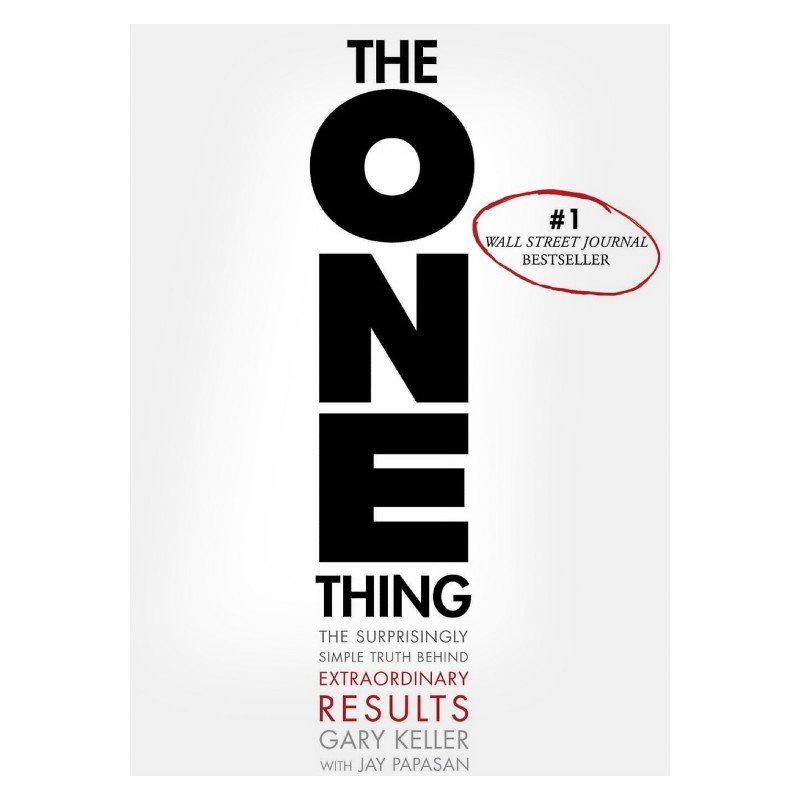
The ONE Thing: The Surprisingly Simple Truth Behind Extraordinary Results by Gary Keller (Hardcover)
Target, $14.37
Keller’s focusing question is the heart of station two: what is the one thing I can do today such that everything else becomes easier or unnecessary? Ask it at the desk every morning, write the answer at the top of the page, and give it the first protected block. A day with one clear answer beats a day with forty competing ones, every time.
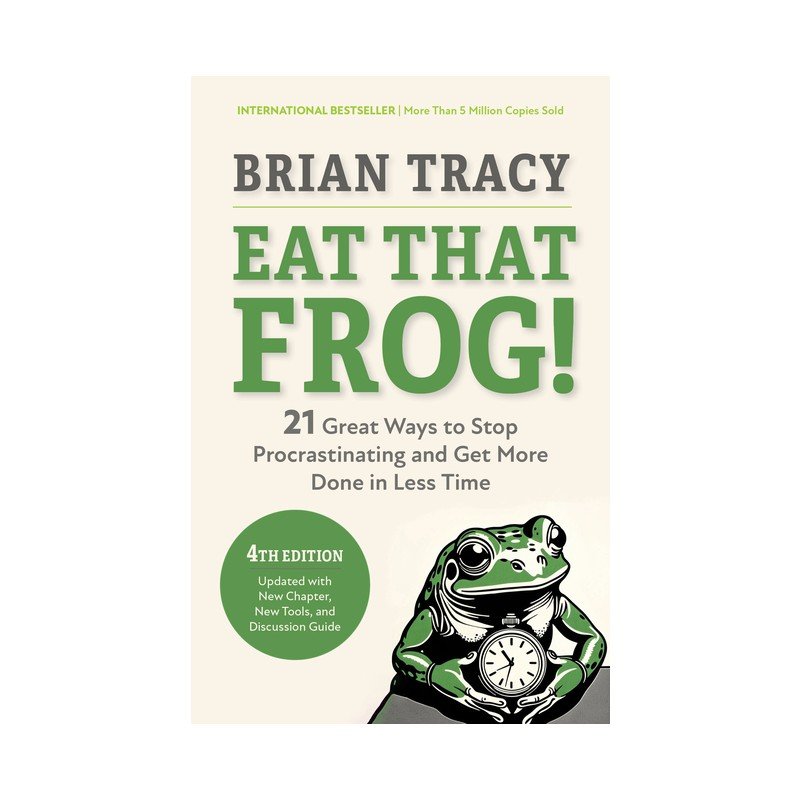
Eat That Frog!, Fourth Edition by Brian Tracy (Paperback)
Target, $15.95
Tracy’s frog is the task you are avoiding, and his rule is simple: eat it first. In the morning plan, mark the frog in the margin and schedule it before anything pleasant. Twenty one short, practical chapters make this the fastest read in the edit, and the one most likely to change tomorrow morning specifically.
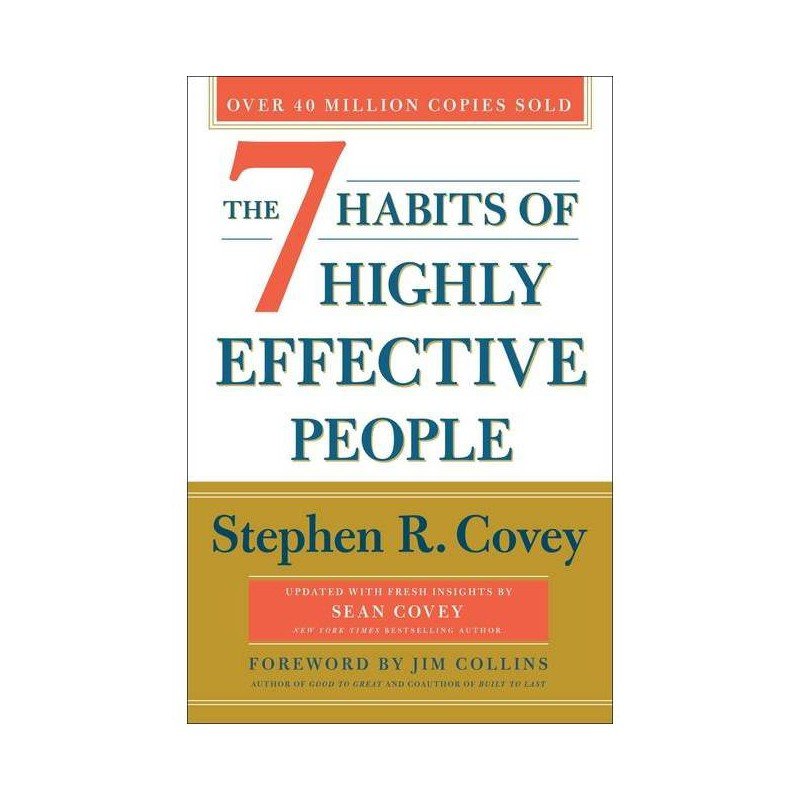
The 7 Habits of Highly Effective People, 30th Edition by Stephen R. Covey (Hardcover)
Target, $16.89
Covey’s urgent versus important grid is the calendar audit in its original form. Habit two, begin with the end in mind, is the weekly version of this daily routine, and habit three, put first things first, is the rule that keeps the three priorities ahead of everyone else’s requests. The classic earns its place on the planning shelf.

Station Three: Protect the First Deep Work Block
The meeting ends, and the real routine begins: the first deep work block belongs to priority one, and it is defended like an appointment with your most important client. Phone in another room. Door closed in every sense that matters. Notifications off, tabs closed, the inbox left unread until the block is done, because an inbox read at 9 AM owns the mind until noon. Ninety minutes is a strong block; sixty is a fine start. What matters is that it happens before the shallow work, not after it.
This is where energy, not time, becomes the real budget. Your sharpest hours are a finite resource, and the routine spends them on the work only you can do at your best. The meetings, messages, and admin wait for the afternoon slope, where they belong. Protect the block for two weeks and something noticeable happens: the day starts to feel managed instead of survived, and the evening review gets much more pleasant to write. The four books in this final station are about building that protection and keeping it.
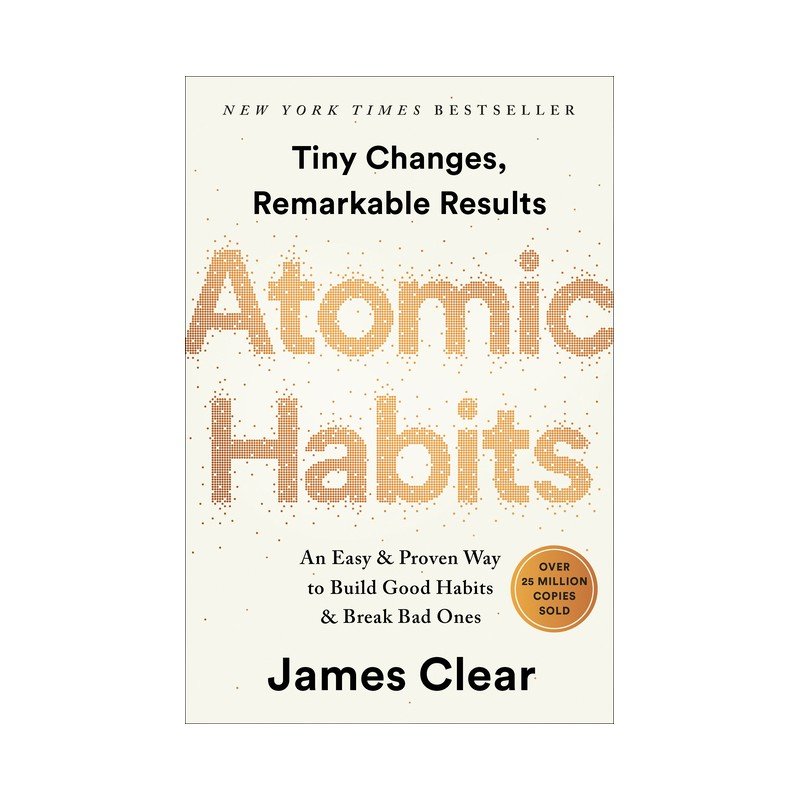
Atomic Habits by James Clear (Hardcover)
Target, $18.22
A routine survives on design, not motivation, and Clear explains why: make it obvious, make it easy, make it satisfying. Put the journal where the laptop was, keep the phone in another room, and stack the opening meeting onto the coffee you already make. Tiny systems, repeated daily, are how a morning routine becomes simply how you work.
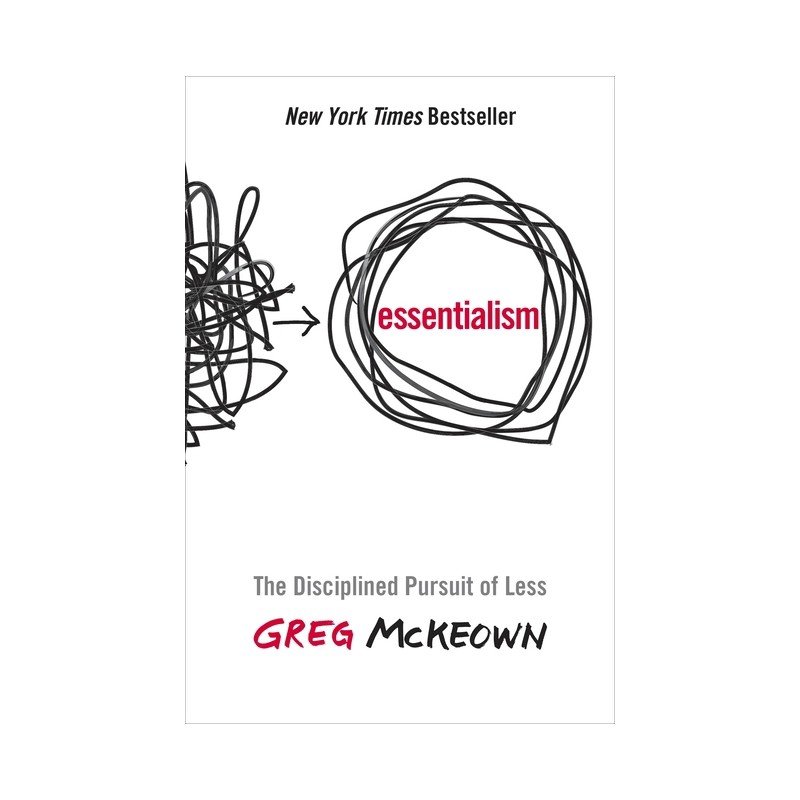
Essentialism by Greg McKeown (Hardcover)
Target, $17.94
Protecting the first deep work block means saying no to almost everything that tries to enter it, and McKeown gives you the language and the courage for those noes. His disciplined pursuit of less is the philosophy behind the whole routine: if you do not prioritize your day, someone else will. Read it when the calendar starts filling itself.
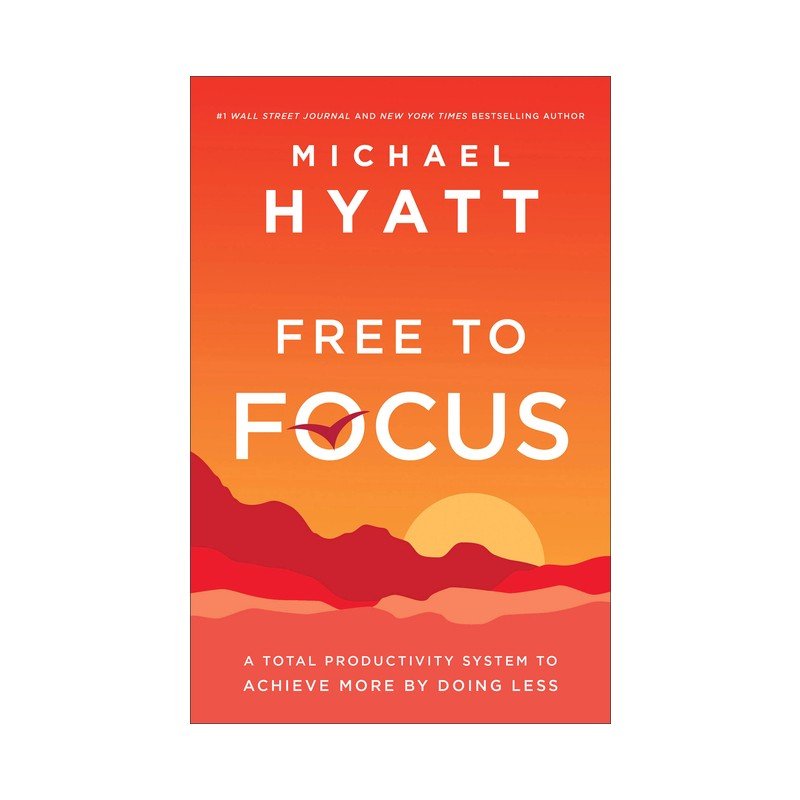
Free to Focus by Michael Hyatt (Hardcover)
Target, $16.69
Hyatt’s system starts with stopping, which is a brave opening move for a productivity book. Cut the work that should not exist, then protect the work that remains with real focus time and real rest. His ideal week template pairs beautifully with this daily routine: the week sets the shape, and the morning meeting keeps each day inside it.
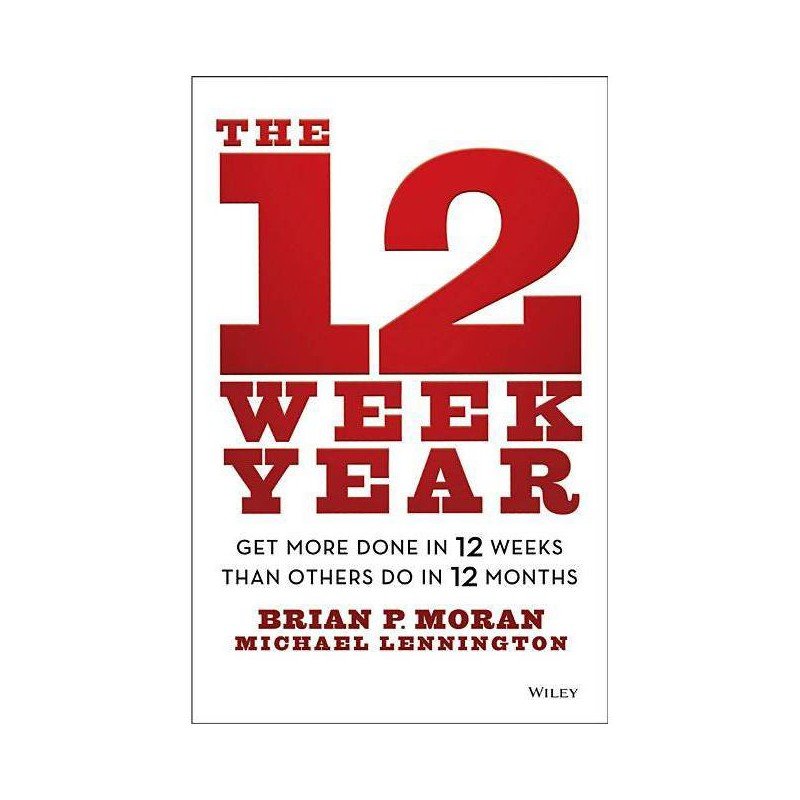
The 12 Week Year by Brian P. Moran and Michael Lennington (Hardcover)
Target, $14.02
Zoom out to finish. Moran and Lennington compress the year into twelve weeks so that every morning meeting has something urgent and meaningful to report to. When the quarter is short, today’s three priorities stop being a wish list and become the plan. It is the accountability layer that keeps the routine honest in week nine, not just week one.

The Takeaway
You are the CEO of your day whether or not you hold the title, and this is simply what the job looks like at 9 AM. Review what is true, plan on paper, protect the first block. A day run like a business starts with a meeting most people skip: the one with themselves. Give it thirty minutes tomorrow, and notice how different the rest of the day feels by Friday.
This article contains affiliate links. If you buy through them, we may earn a small commission at no extra cost to you. Thank you for supporting Elegant & Driven.