


Every business begins as a story we tell ourselves. The idea feels obvious in the shower, brilliant over coffee, and completely certain by the time we start picturing the logo. Then comes the expensive part: building the thing before anyone has confirmed they want it. Validation is the quieter, far cheaper discipline that comes first. It asks one simple question in a dozen different ways. Will real people, with real money and real choices, actually pay for this?
The good news is that proof rarely requires a budget. It requires conversations, small tests, and the willingness to hear an answer you did not script. The founders who last are not always the ones with the boldest ideas. They are the ones who learned, early and cheaply, which ideas deserved their savings and which ones were only ever meant to be a lesson. If you are weighing a second income alongside your work, our guide to building a second income stream, dividends and beyond shows how patience applies to money. Validation applies that same patience to ideas. Nine books below teach the skill better than any course, and every one of them costs less than a single wrong decision.
Test the Idea Before You Build It
The modern validation toolkit starts with a mindset shift: treat your idea as a hypothesis, not a conclusion. A hypothesis can be tested in a weekend. A conclusion demands a website, inventory, and a launch party. Small experiments, a landing page that describes the offer, a waitlist, a simple prototype shown to ten people, produce evidence at almost no cost. Evidence, not enthusiasm, is what should unlock spending.
The books in this section are the working manuals of that approach. They teach you how to design experiments, measure what matters, and decide quickly whether to persevere or adjust. Read one before you spend anything, and read it with a notebook open, because the right test for your idea is usually hiding in a chapter you almost skipped.
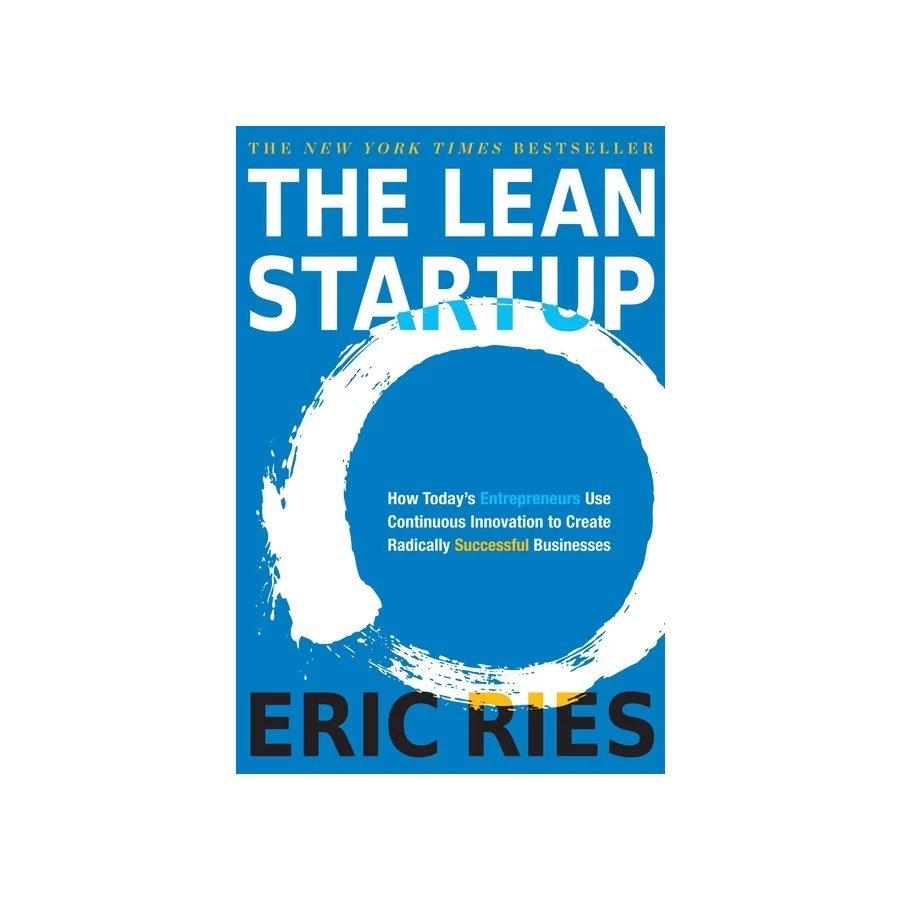
The Lean Startup by Eric Ries (Hardcover)
Target, $17.99
The book that made validation a discipline. Ries replaces the big launch with a build, measure, learn loop, so every version of your idea is an experiment with a result you can read. Start here if your instinct is to build first and ask questions later.
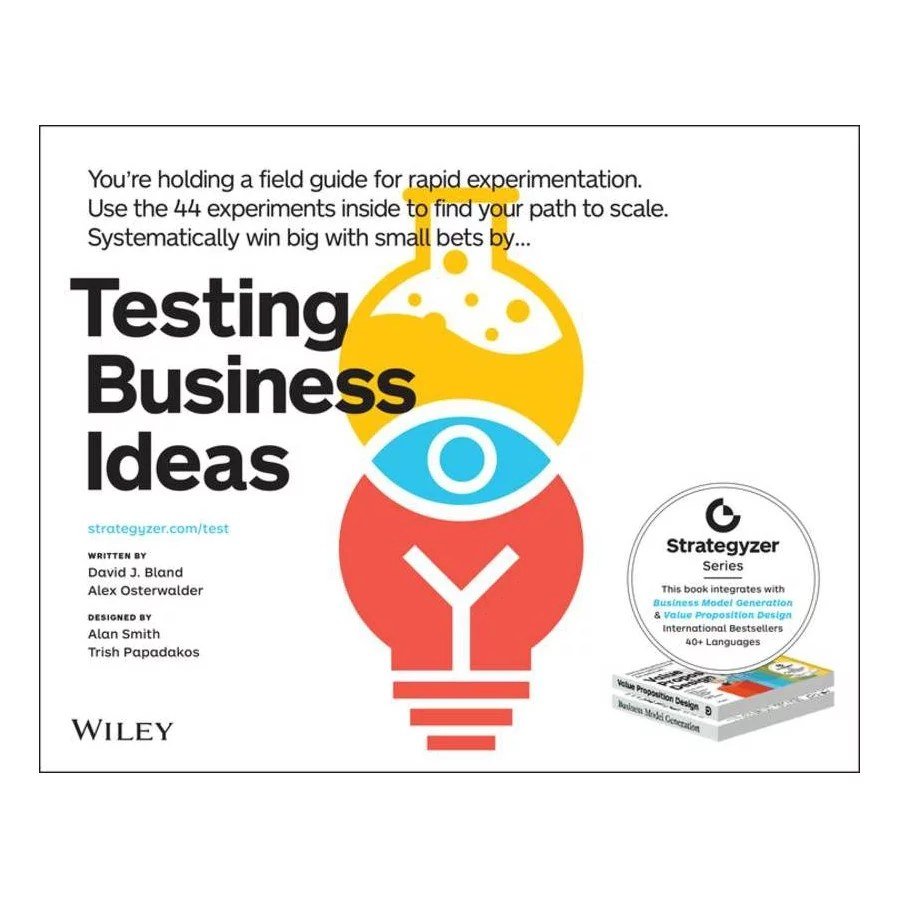
Testing Business Ideas by David J. Bland and Alexander Osterwalder (Paperback)
Target, $20.87
A field guide of 44 practical experiments, from interview scripts to pre-sale pages, each rated by cost and strength of evidence. It turns the vague advice to go validate into a menu of tests you can run this week, in order.
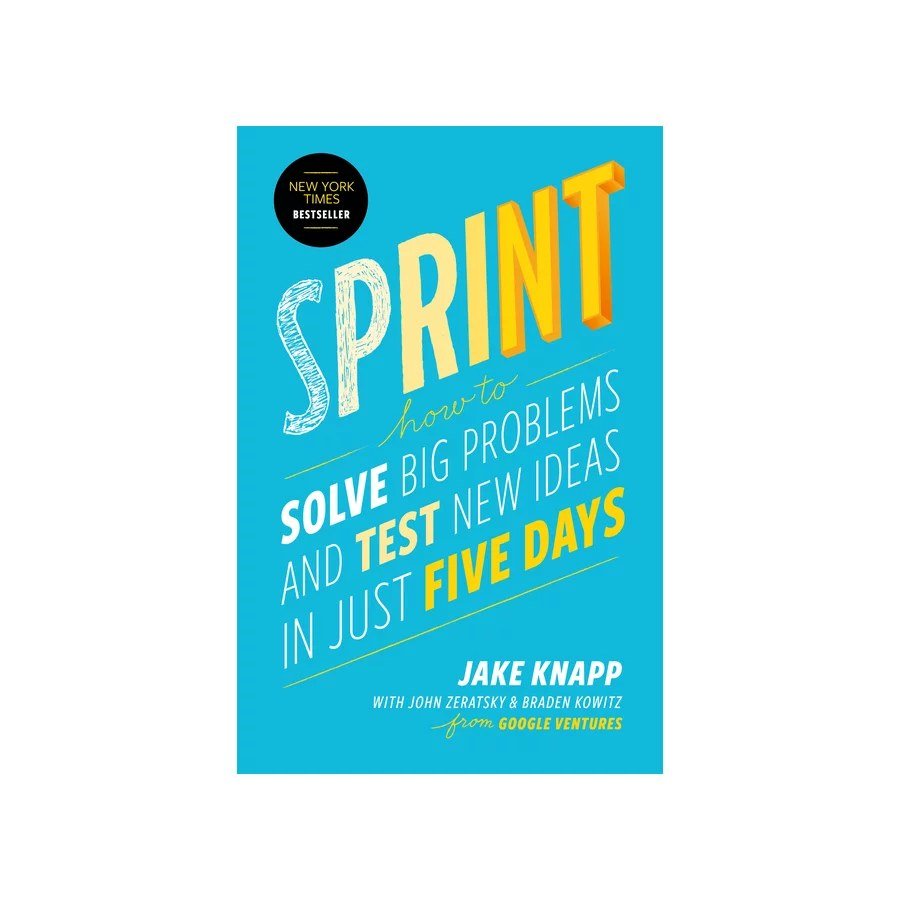
Sprint by Jake Knapp, John Zeratsky and Braden Kowitz (Hardcover)
Target, $16.99
Born at Google Ventures, the five day sprint compresses months of debate into one week: map the problem, sketch solutions, build a quick prototype, and test it on real customers by Friday. Proof, on a deadline.

Talk to Customers and Hear the Truth
The cheapest research tool ever invented is a conversation, and it is also the easiest one to ruin. Ask friends whether your idea is good and they will protect your feelings. Ask strangers what they struggle with, what they have already tried, and what they paid for the last solution, and you will hear the truth. Past behavior is data. Compliments are not.
This is where pre-sales belong. A small deposit, a founding member offer, or a simple page that asks for an email address in exchange for early access separates curiosity from commitment. Ten people who pay a little teach you more than a hundred who say they love it. And if nobody reaches for a wallet, that silence is not failure. It is the most valuable answer in business, delivered before the invoice for building the wrong thing arrives. The two reads below show how real founders gathered that proof, and how to map an idea clearly enough to spot the assumption you have not tested yet.
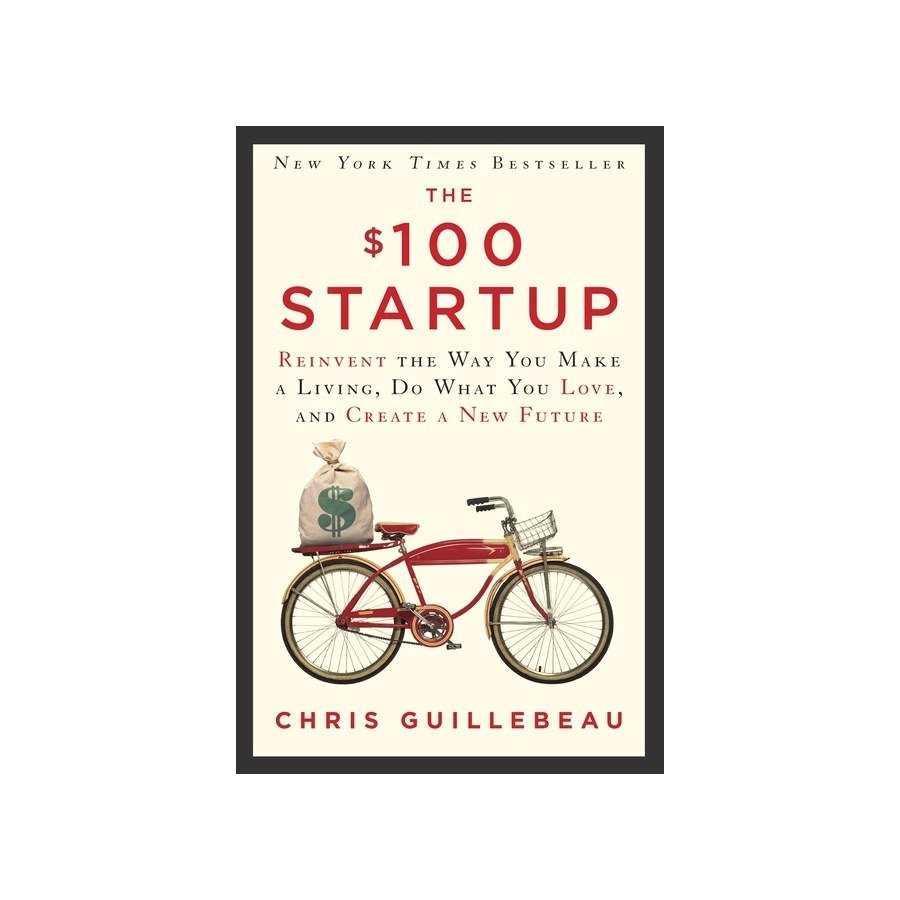
The $100 Startup by Chris Guillebeau (Hardcover)
Target, $20.98
Fifty case studies of people who built incomes of $50,000 or more from modest beginnings, often by testing an offer on a small audience before spending real money. Encouragement, grounded in numbers rather than hype.
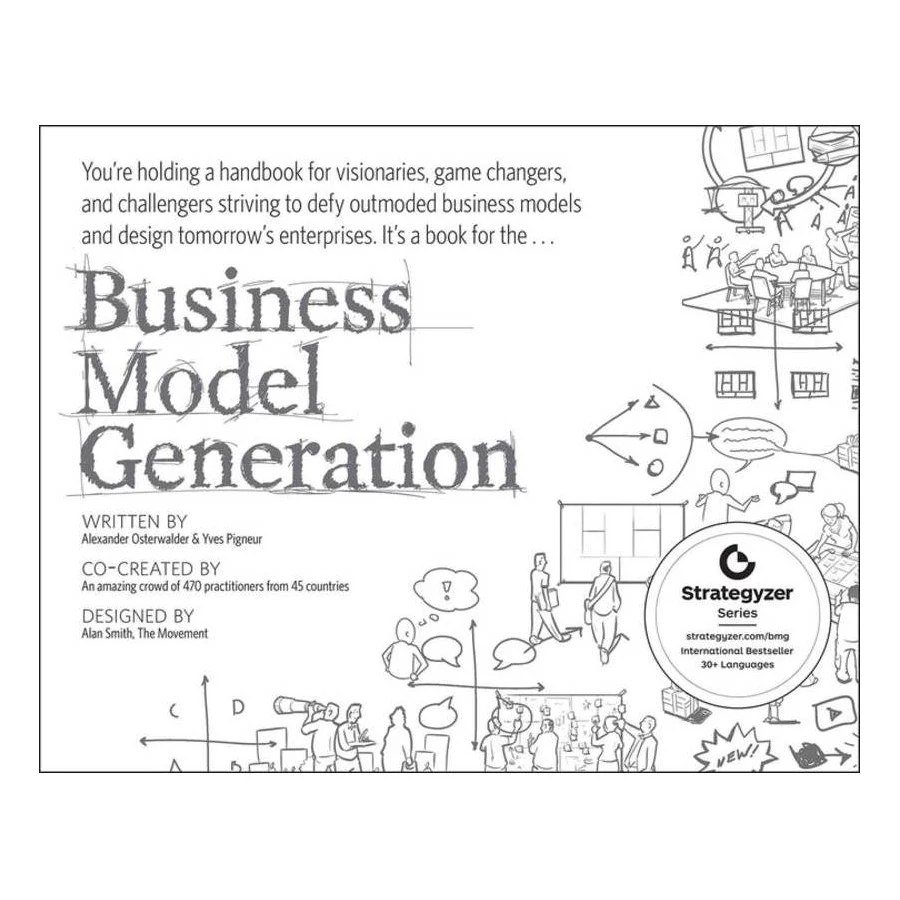
Business Model Generation by Alexander Osterwalder and Yves Pigneur (Paperback)
Target, $20.35
The famous one page canvas forces your whole idea onto a single sheet: customer, offer, channels, revenue. Seeing it all at once exposes the assumption you have not tested yet, which is exactly where your next experiment should aim.
A landing page test deserves the same honesty. One page, one promise, one button: join the waitlist, book a call, or reserve yours. Send it to the exact audience you hope to serve, not to everyone you know, and watch what they do rather than what they say. A page that converts strangers into signups is evidence. A page that only collects praise from friends is decoration. Keep the test small, keep the promise specific, and let the numbers argue.
Shape an Offer People Will Actually Pay For
Once conversations confirm the problem is real, the work shifts to the offer itself. What exactly is included, who is it for, and why is it worth more than the price? A validated problem with a vague offer still stalls. The strongest offers name the outcome, remove the risk, and make the next step feel small. Our piece on the investor’s mindset, patience as a strategy makes a related point about temperament: in business as in markets, the calm, tested decision usually beats the exciting one.
There is also a longer game to consider. Some ideas validate beautifully and still should not become your whole life. The final picks below look at building something sustainable, profitable without endless growth, and shaped around the life you actually want. If your idea is a digital product, our collection of digital product ideas to get started can help you brainstorm formats worth testing.
Zero to One by Peter Thiel with Blake Masters (Hardcover)
Target, $17.46
Thiel argues that real value comes from doing something genuinely new for a small group who needs it badly, not from copying what already works. A bracing filter for ideas that are merely variations on a theme.

$100M Offers by Alex Hormozi (Hardcover)
Target, $29.99
Once the problem is proven, the offer decides whether people pay. Hormozi breaks down pricing, guarantees, scarcity, and naming in plain language, so a validated idea becomes something a customer can say yes to quickly.
The E-Myth Revisited by Michael E. Gerber (Paperback)
Walmart, $14.89 (was $26.99)
Gerber’s enduring lesson is to work on the business, not just in it, and to test whether your idea works as a system before it depends entirely on you. Read it before your first hire, not after your first burnout.
Company of One by Paul Jarvis (Paperback)
Target, $12.00
The closing argument for validating the life, not just the idea. Jarvis questions endless growth and shows how a small, profitable, deliberately sized business can be the real prize. The right final read before you commit.

The Takeaway
Validation is not a lack of confidence. It is confidence, earned in the right order. Talk to the people you hope to serve, test the smallest version that can produce a real answer, and let evidence, not excitement, decide when the spending starts. The idea that survives honest testing has something no logo or launch can give it: proof that it deserves to exist.
This article contains affiliate links. If you buy through them, we may earn a small commission at no extra cost to you. Thank you for supporting Elegant & Driven.