


Most investing advice is about what to buy. Very little of it is about how to behave after you have bought it, in the long quiet stretches when nothing seems to be happening and in the loud weeks when everything seems to be falling apart. Yet that behaviour, repeated over years, is where most of the return is actually decided. The investors who last are rarely the fastest or the cleverest in the room. They are the ones who can wait. Patience is not a personality trait you are born with. It is a skill, and like every skill it can be studied, practised, and built, one good book and one calm decision at a time.
If you are new to this series, begin with our calm guide to stock market investing for beginners, then read index funds explained in simple terms and compound interest, the quiet engine of wealth. Those three articles cover the mechanics: what to buy, how to keep costs low, and why time matters so much. This article covers the part that makes the mechanics work, which is the mindset. The ten books below teach patience, temperament and the long game, and they are best read slowly, one at a time, with a notebook nearby.
A quick note on how to use this list. The books are grouped in three sections, and you do not need to read them in order. Start with whichever section speaks to where you are right now: the classics if you are building a foundation, the behaviour books if you know what to do but struggle to do it, or the long game section if you want a routine you can keep. Each book is linked to the retailer where I found it, with the price at the time of writing.
The Classics on Temperament
Some books teach you what to buy. The classics teach you how to behave, and that is the harder lesson. Benjamin Graham wrote about the investor’s worst enemy, the person in the mirror, decades before behavioural finance had a name. John Bogle built a whole philosophy on the quiet power of low costs and staying the course, and he spent a lifetime showing that the simplest plan is often the strongest one. Morgan Housel tells stories that make the maths of patience feel human, because numbers alone rarely change behaviour. Read these three first, and read them slowly. They are the foundation for everything that follows, and you will return to them every time the market gets loud.
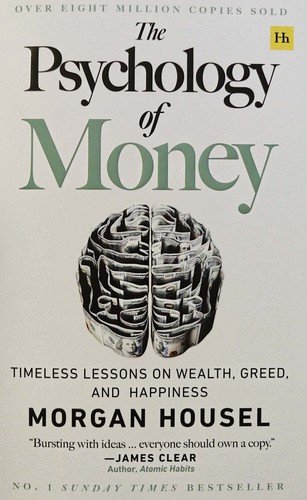
1. The Psychology of Money by Morgan Housel
by Morgan Housel (Paperback) | Walmart | CA$18.00
Housel writes in short chapters that are really stories about people and money, and each one returns to the same lesson: doing well with money has surprisingly little to do with how smart you are and a lot to do with how you behave. It is the gentlest possible introduction to patience, and the one I would hand to a friend first. Keep it on your bedside table and read one chapter whenever the market tempts you to do something dramatic.
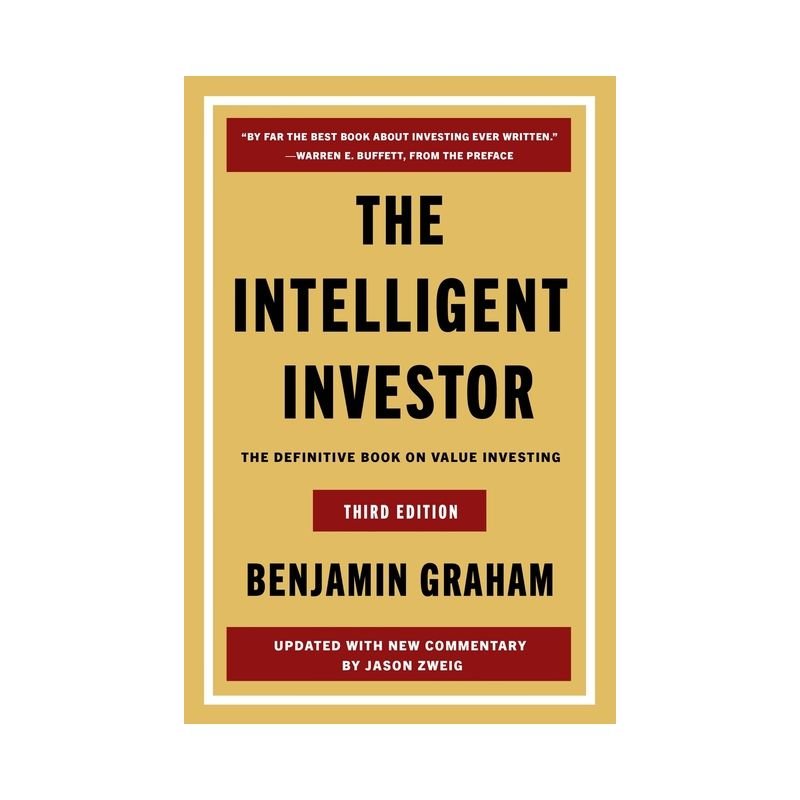
2. The Intelligent Investor by Benjamin Graham
by Benjamin Graham (Hardcover) | Target | US$20.70
Graham’s classic is the book that taught Warren Buffett to think of the market as a manic neighbour rather than a judge, and that single idea is worth the price on its own. It is dense in places and worth every slow page, because it trains you to buy value, demand a margin of safety, and let time do the heavy lifting. Read the chapters on Mr Market twice, then leave the book somewhere you will see it before you trade.
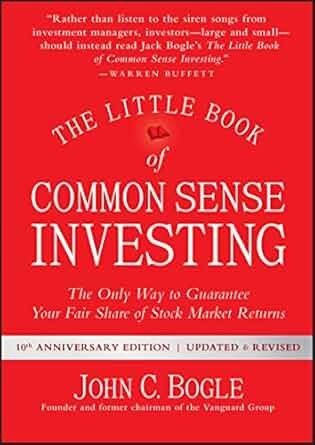
3. The Little Book of Common Sense Investing by John C. Bogle
by John C. Bogle (Hardcover) | Macy’s | US$27.00
Bogle’s case for low cost index funds is also a case for patience: buy the whole market, keep your costs low, and then get out of your own way. It is short, plainspoken and quietly radical, and it pairs beautifully with our simple guide to index funds. If you only read one book on this list before your next investment decision, make it this one.

The Gap Between Knowing and Doing
Most of us know what we should do with money. We know we should save steadily, avoid panic selling and let compounding work over decades. Doing it is another matter, and that gap between knowing and doing is where most returns are lost. Carl Richards draws the gap in simple sketches that are impossible to forget. Vicki Robin asks what your money is actually for, which changes every decision that follows. Peter Lynch reminds you that the best research often starts with what you already know, and that homework is only useful if you can then wait. These three books are about closing the gap, one calm decision at a time.
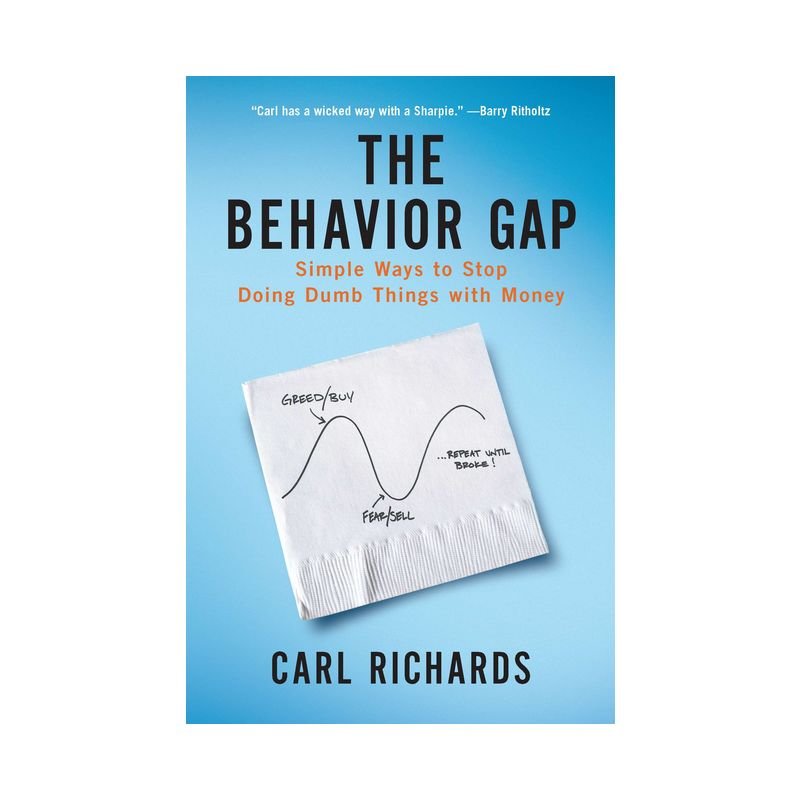
4. The Behavior Gap by Carl Richards
by Carl Richards (Paperback) | Target | US$24.00
Richards is a financial planner who sketches the mistakes we all make on the back of a napkin, then shows how small the distance is between knowing better and doing better. It is a short, kind book about closing the gap between your plans and your behaviour, one decision at a time. I love it for the sketches alone, which say in one drawing what most finance books take a chapter to explain.
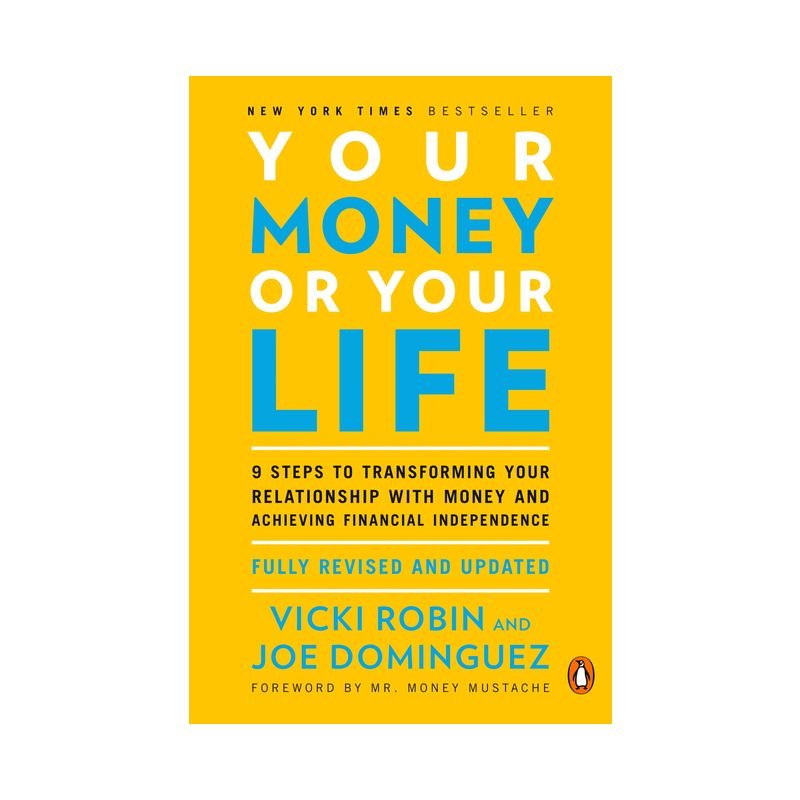
5. Your Money or Your Life by Vicki Robin
by Vicki Robin (Paperback) | Target | US$11.05
Robin asks a question that changes everything: how many hours of your life did that purchase cost? By linking money to time and to what you truly value, she makes patience feel less like sacrifice and more like freedom. It is the book for anyone who wants their money to serve a life, not the other way around, and it rewards a slow, honest read.
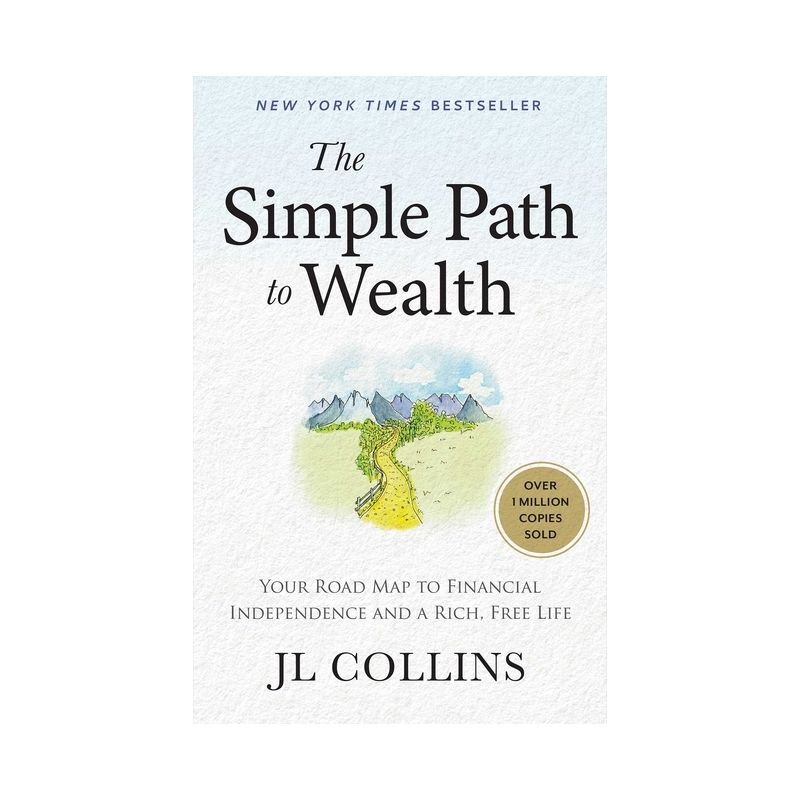
6. One Up On Wall Street by Peter Lynch
by Peter Lynch (Paperback) | Target | US$10.90
Lynch argues that ordinary investors can beat the professionals by noticing what is already around them, then doing the homework and waiting. It is encouraging without being reckless, and it is a lovely reminder that patience begins with paying attention. Read it for the stories about everyday companies, and stay for the discipline of waiting after you have done the work.

The Long Game, Practised Weekly
Patience is not a single decision. It is a weekly practice, a habit of buying steadily, ignoring the noise and letting time compound. The books in this section are practical about that practice, and they are honest about how unglamorous it feels. JL Collins keeps it simple. Nick Maggiulli shows the maths of just keeping going through every kind of market. Eric Jorgenson collects Naval Ravikant’s thinking on wealth, leverage and time. And Thomas Stanley and William Danko show what quiet, steady wealth actually looks like in real life. None of these books promises excitement. All of them promise something better, which is a plan you can actually keep.
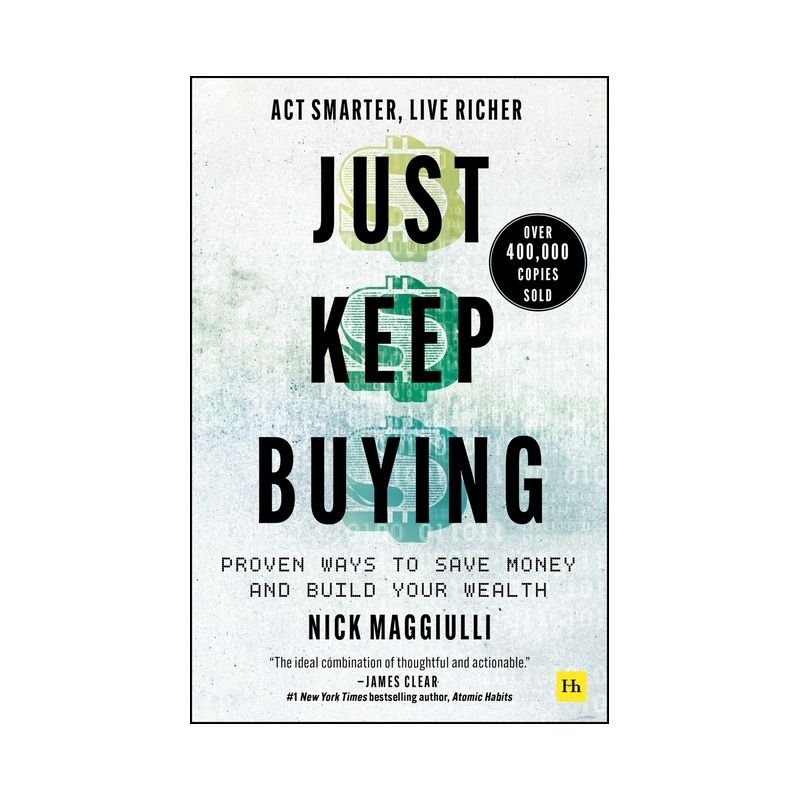
7. The Simple Path to Wealth by JL Collins
by JL Collins (Hardcover) | Target | US$22.00
Collins writes the way a good friend explains things over coffee: buy a simple low cost index fund, keep buying, and let time do the rest. It is the most reassuring book on this list, and the one that makes a long horizon feel not just possible but pleasant. If investing has ever felt complicated or intimidating, this is the book that takes the fear out of it.
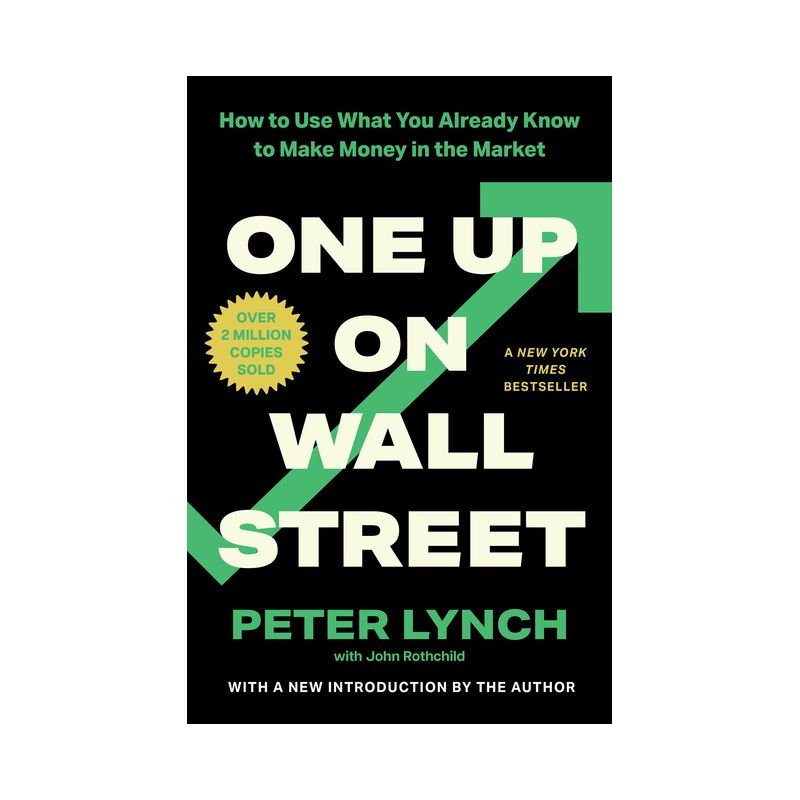
8. Just Keep Buying by Nick Maggiulli
by Nick Maggiulli (Hardcover) | Target | US$18.04
Maggiulli brings data to the question every investor asks in a downturn: should I keep buying? His answer, backed by history, is that steady buying beats waiting for the perfect moment almost every time. It is the book to reach for when the headlines get loud, because it replaces fear with evidence and gives you a plan you can keep in any market.

9. The Almanack of Naval Ravikant by Eric Jorgenson
by Eric Jorgenson (Hardcover) | Target | US$18.19
Jorgenson gathers Naval’s essays on wealth and happiness into a slim, quotable volume that is easy to dip into and hard to put down. The thread running through it is time: use leverage, play long term games, and let compounding work in your favour. It is a book to read slowly, one idea at a time, and to revisit whenever you need a reminder that patience is a strategy, not a delay.
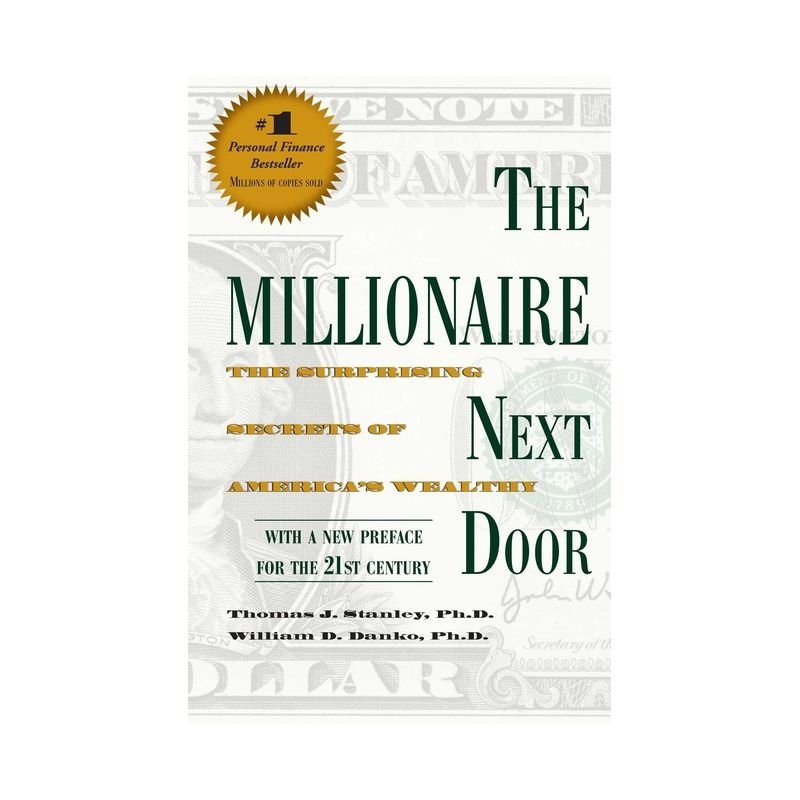
10. The Millionaire Next Door by Thomas J. Stanley and William D. Danko
by Thomas J. Stanley and William D. Danko (Paperback) | Target | US$18.95
Stanley and Danko studied real millionaires and found something surprising: most of them are quiet, frugal neighbours who saved steadily and let time do the work. It is a gentle antidote to flashy ideas about wealth, and a reminder that the long game is usually won in private. Read it when you need proof that ordinary, patient habits are enough.

The Takeaway
The market rewards the investor who can do nothing beautifully for a very long time.
Pick one book from this list and read it slowly. Then pick one habit from it, a monthly purchase, a rule against panic selling, a quiet hour with your accounts, and practise it until it feels ordinary. That is how patience is built. Not in a single brave moment, but in a hundred small, calm decisions, repeated for years.
This article is for educational purposes only and is not financial advice. Investing involves risk, including the possible loss of principal. Consider speaking with a qualified financial professional about your own situation.
Affiliate disclosure: Elegant & Driven participates in affiliate programs. If you purchase through links on this page, we may earn a commission at no extra cost to you. Editorial always comes first.