


There is a force in personal finance so powerful that Albert Einstein supposedly called it the eighth wonder of the world. He probably never said it. But the fact that we all wish he had tells you everything about how badly we want it to be true.
Compound interest is not a trick. It is not a hack. It is the quiet, almost boring engine underneath nearly every lasting fortune ever built. And once you see how it works, you will never look at time the same way again.

What Compound Interest Actually Is
Simple interest pays you on what you put in. Compound interest pays you on what you put in, plus everything it has already earned. Your gains start earning their own gains. Then those gains earn gains. The growth curve bends upward, slowly at first, then unmistakably.
Picture a snowball rolling downhill. For the first stretch, it barely grows. A few flakes stick. Then it picks up mass, then speed, then it is gathering snow faster than you can track. The hill is time. The snow is your money. Most people quit watching during the boring first stretch, which is exactly why most people miss the avalanche.
The Numbers, Made Vivid
Let us make this concrete. Imagine you invest $500 a month and earn an average annual return of 8 percent, roughly the long term historical average of the broad stock market.
After 10 years, you have put in $60,000 and your account holds about $91,000. Nice, but not life changing.
After 20 years, you have put in $120,000 and your account holds about $294,000. Now compounding is doing visible work.
After 30 years, you have put in $180,000 and your account holds about $745,000. More than three quarters of a million, from the price of a daily coffee run.
After 40 years, you have put in $240,000 and your account holds about $1.7 million. The contributions stopped mattering long ago. Time did the heavy lifting.
These are illustrations, not promises. Markets do not deliver 8 percent in a straight line, and inflation takes its share. But the shape of the curve is the point: the later years do disproportionate work.
Why Starting Early Beats Investing More
Here is the comparison that ends every debate about timing. Two investors, same 8 percent average return.
The first invests $5,000 a year from age 25 to 35, then never adds another dollar. Total contributed: $50,000.
The second waits, then invests $5,000 a year from age 35 to 65. Total contributed: $150,000, three times as much.
At 65, the early starter holds roughly $729,000. The late starter holds roughly $566,000. The person who contributed one third of the money ends up with nearly $165,000 more, because their money had ten extra years to compound.
Time is the one input you cannot buy more of later. Every year you wait is a year the snowball does not roll.

The Three Levers You Control
You cannot control what the market returns. You can control three things, and they are the entire game.
Start now. Not when you earn more, not when you feel ready, not after the next milestone. The math above shows what a decade of delay costs. Today is the cheapest day you will ever buy time.
Contribute consistently. Compounding rewards the steady contributor more than the brilliant timer. Automatic monthly contributions turn discipline into a background process you never have to think about.
Do not interrupt it. Every withdrawal resets the snowball. The investors who build real wealth are not the ones who pick the best stocks. They are the ones who leave their money alone the longest.
The Quiet Part Nobody Markets
Compound interest is psychologically difficult precisely because it is boring. The first decade feels like nothing is happening. There is no app notification celebrating your patience. The financial industry would rather sell you excitement, because excitement has fees attached.
But the math does not care about your feelings. It only asks for time, consistency, and the discipline to stay out of its way. That is the whole secret, and it fits in one sentence.

Nine Books That Make Compounding Click
Understanding the math takes ten minutes. Internalizing it, so you actually act on it for decades, takes better thinking. These are the books that rewired how smart people think about money, patience, and wealth.
1. The Richest Man in Babylon
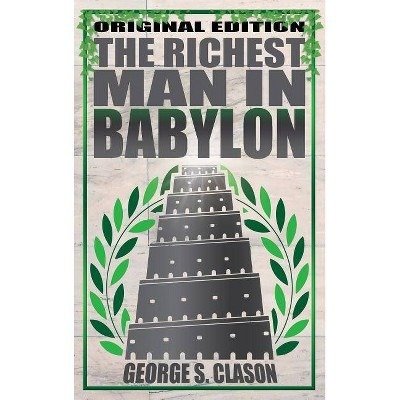
The Richest Man in Babylon by George S. Clason (Hardcover) | Target | US$12.79
The original compounding parable, told through stories set in ancient Babylon. Pay yourself first started here, and the tales make the math stick in a way no formula ever could.
2. The Automatic Millionaire, 20th Anniversary Edition
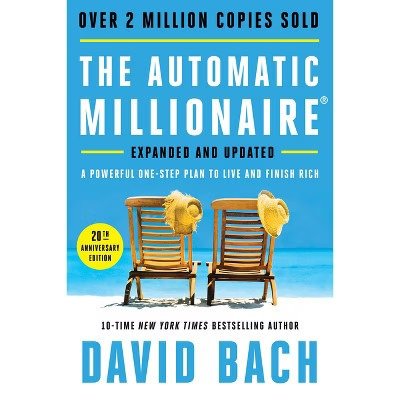
The Automatic Millionaire, 20th Anniversary Edition by David Bach (Hardcover) | Target | US$19.50
Bach’s famous latte factor shows how small automatic contributions quietly compound into real wealth. This is the practical playbook for the contribute consistently lever.
3. The Millionaire Next Door
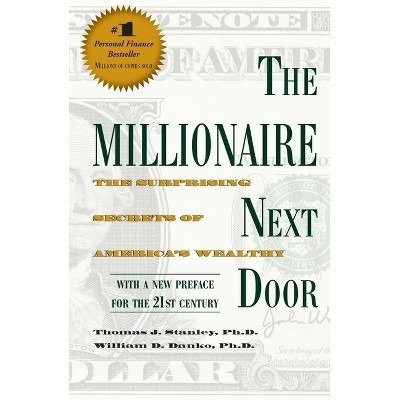
The Millionaire Next Door by Thomas J. Stanley and William D. Danko (Paperback) | Target | US$18.95
The research behind quiet wealth: most millionaires are not who you imagine. A data backed case for patience, frugality, and letting time do the work.
4. The Intelligent Investor, 3rd Ed.
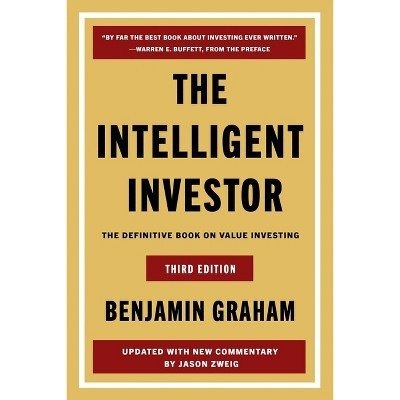
The Intelligent Investor, 3rd Ed. by Benjamin Graham with Jason Zweig (Hardcover) | Target | US$20.70
Warren Buffett’s desert island book. The margin of safety and the parable of Mr. Market are the intellectual foundations under decades of compounding.
5. Common Stocks and Uncommon Profits and Other Writings, 2nd Edition
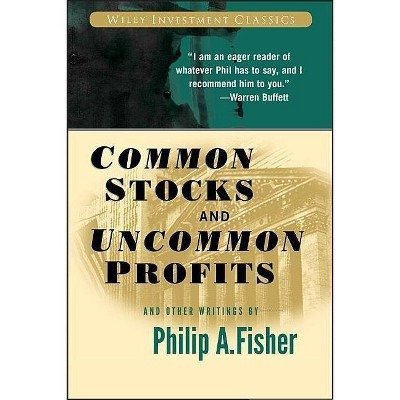
Common Stocks and Uncommon Profits and Other Writings, 2nd Edition by Philip A. Fisher (Paperback) | Target | US$15.51
The growth investing classic about finding wonderful businesses and holding them for the long run. Fisher understood compounding before the word was fashionable.
6. The Essays of Warren Buffett, 8th Ed.
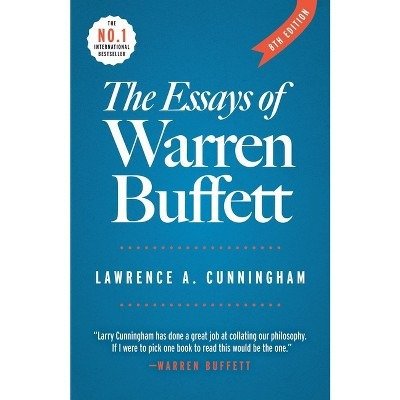
The Essays of Warren Buffett, 8th Ed. by Lawrence A. Cunningham (Paperback) | Target | US$22.67
Buffett on compounding in his own words, organized by topic across decades of shareholder letters. A masterclass in long term thinking from its greatest practitioner.
7. The Almanack of Naval Ravikant
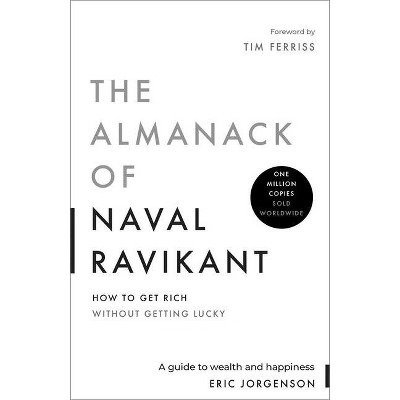
The Almanack of Naval Ravikant by Eric Jorgenson (Hardcover) | Target | US$19.96
Modern wealth philosophy: leverage, ownership, and specific knowledge. The compounding mindset rebuilt for the digital age.
8. Die with Zero
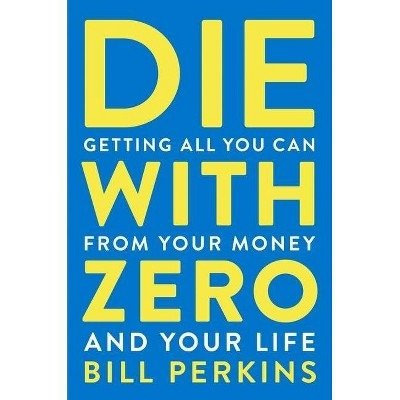
Die with Zero by Bill Perkins (Paperback) | Target | US$11.01
The necessary counterweight to everything above: money is a tool for experiences, and over saving has its own cost. Read it after the others, with an open mind.
9. Your Money and Your Brain
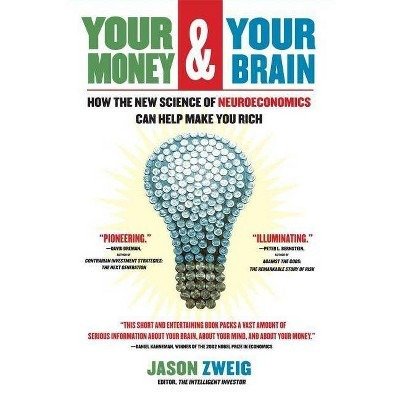
Your Money and Your Brain by Jason Zweig (Paperback) | Target | US$15.26
Why your brain fights compounding at every turn, and how to outsmart it. The behavioral manual for staying the course when the boring middle gets hard.
The Takeaway
Wealth is not built in the years you are watching. It is built in the years you almost forgot you were building. Start now, contribute steadily, and let time do what only time can do.
This article is for educational purposes only and is not financial advice. Investing involves risk, including the possible loss of principal. Consider speaking with a qualified financial professional about your own situation.
Affiliate disclosure: Elegant & Driven participates in affiliate programs. If you purchase through links on this page, we may earn a commission at no extra cost to you. Editorial always comes first.