


There is a quiet revolution happening at kitchen tables and small desks everywhere. One person, with a laptop and a clear offer, now does work that used to require an office, a payroll, and a small army of specialists. The designer is also the accountant. The writer is also the marketing department. And somehow, on the good days, it all gets done before dinner.
The secret is not working harder. It is that a one person business runs on systems instead of staff. A scheduling tool answers the emails a receptionist once answered. A simple payment system does the invoicing a bookkeeper once chased. A repeatable weekly routine does the planning a manager once did in meetings. The tools have changed, but the deeper shift is in thinking: every task that repeats gets a system, and every system frees the founder for the work only a human can do. If you are still testing whether your idea deserves this treatment, start with our guide to how to validate a business idea before spending a dollar. Once the idea is proven, this is how one person runs it well. Nine books below are the team manual, and every one costs less than a single month of the payroll it replaces.
Design a Business Small Enough to Run Alone
The first decision is not which tool to buy. It is which business to build. A one person business works when it is designed, from the first day, to stay lean: a focused offer, a small number of clients or customers, and delivery that does not depend on heroic effort. Complexity is the enemy. Every extra service, product line, and custom request is a future employee you have not hired.
The books in this section are the design manuals. They question growth for its own sake, argue for building something valuable and sellable even if you never sell it, and show how much of a traditional work week is theatre that a solo founder can simply skip. Read them before you build your stack, because no tool can fix a business that was designed to need a team.
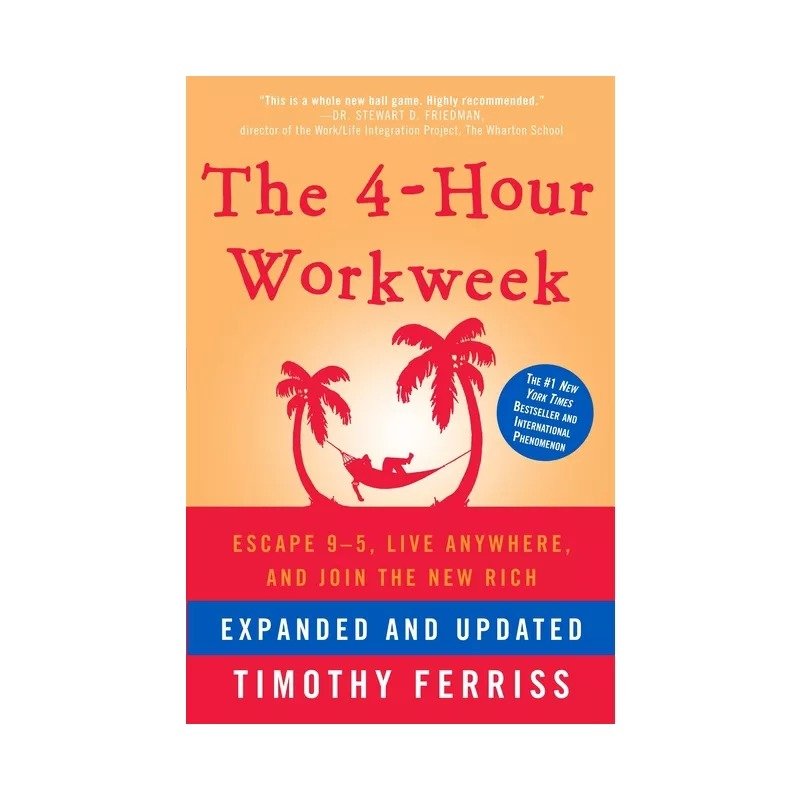
The 4-Hour Workweek by Timothy Ferriss (Hardcover)
Target, $15.95
The book that started the modern solo business conversation. Ferriss argues for designing the work around the life, automating what repeats, and outsourcing what drains you. Some tactics have aged, but the central question has not: which parts of your week actually need you?
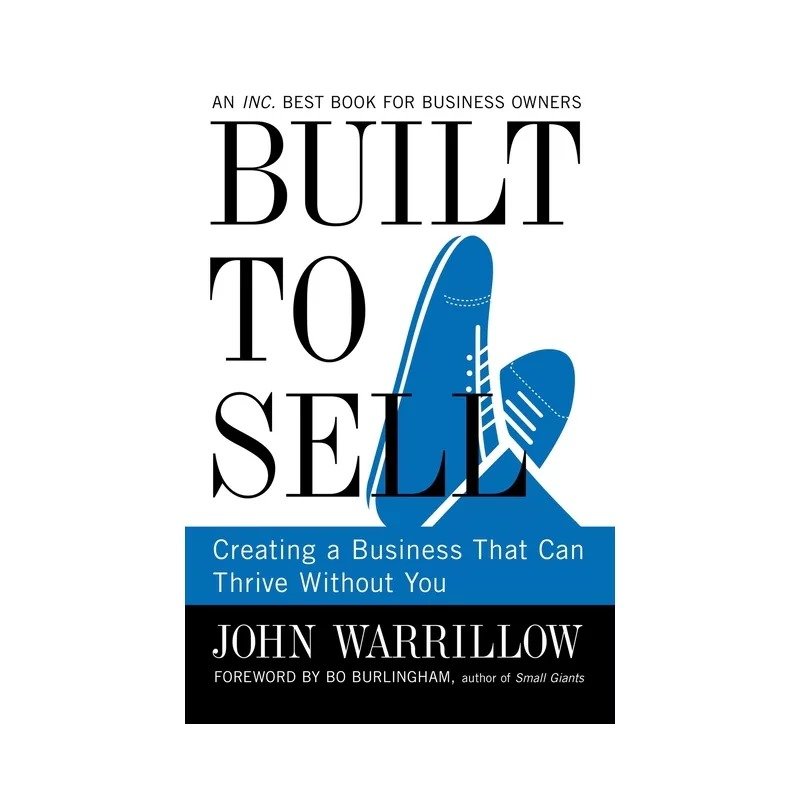
Built to Sell by John Warrillow (Paperback)
Target, $15.00
A short fable about a business that only works when the owner does everything, and the rebuild that fixes it. The lesson for a solo founder is pure gold: build processes and a focused offer, so the business runs on systems instead of on your stamina.
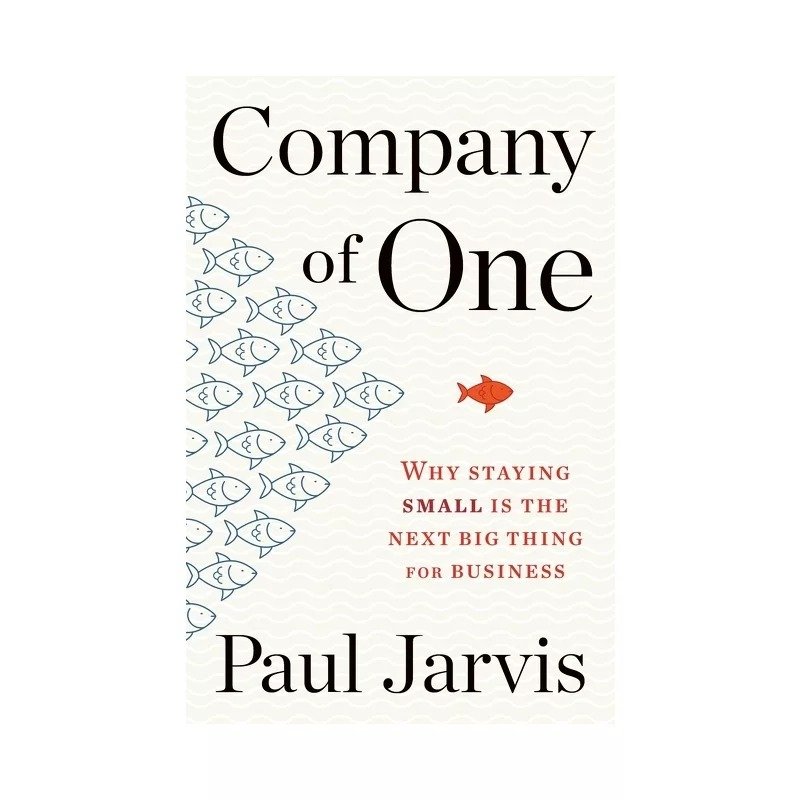
Company of One by Paul Jarvis (Paperback)
Target, $12.00
The philosophy underneath this whole article. Jarvis questions endless growth and shows how a small, profitable, deliberately sized business can be the real prize. Read it whenever bigger starts to sound like better by default.

Systems That Do the Work of a Team
Once the design is lean, systems take over the repetitive work. Think of your business as four small departments, each run by a routine rather than a person. Scheduling: one link that lets clients book into a calendar you control, with automatic reminders. Payments: invoices that send themselves, follow up politely on their own, and separate profit and tax from operating money the moment revenue lands. Delivery: checklists and templates that turn your best work into a repeatable process. Marketing: a simple rhythm of publishing and repurposing, so one good idea becomes a week of visibility.
None of this requires expensive software to start. It requires writing the process down once, honestly, and then letting the process carry the load. Our piece on building a second income stream, dividends and beyond makes a related point about money working quietly in the background. Systems are the business version of that same idea: set them up well, and they work while you sleep. The four reads below are the best guides to building them, from protecting profit the moment it arrives to choosing the one priority that matters each day.
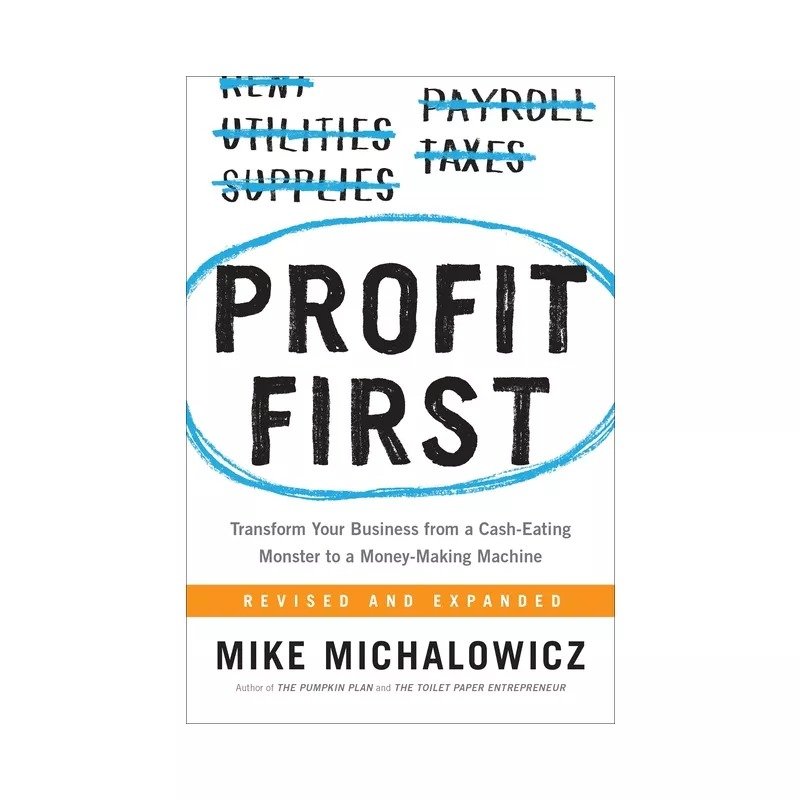
Profit First by Mike Michalowicz (Hardcover)
Target, $15.99
Your one person finance department, in a single system. Profit First flips the usual formula: when money arrives, profit, pay, and tax are separated first, and the business runs on what remains. It replaces a bookkeeper’s nagging with a routine that quietly protects you.
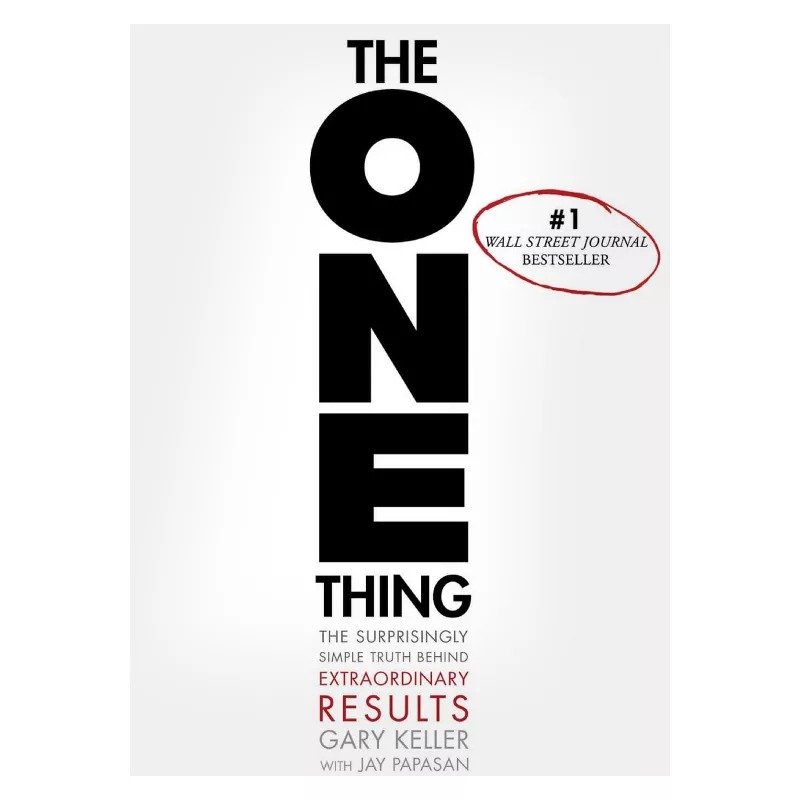
The ONE Thing by Gary Keller (Hardcover)
Target, $14.37
A manager you carry in your bag. Keller’s focusing question asks what the one thing is, such that by doing it, everything else becomes easier or unnecessary. For a founder who is every department at once, that daily act of choosing is the whole management system.
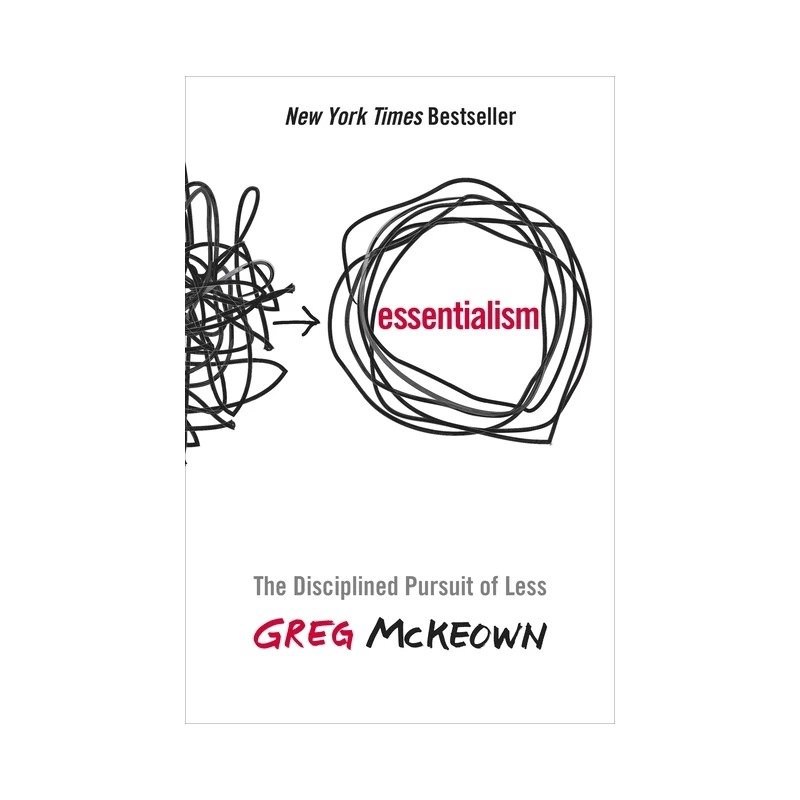
Essentialism by Greg McKeown (Hardcover)
Target, $17.94
The disciplined pursuit of less. McKeown gives you permission and a method to decline the good opportunities that crowd out the great ones. A one person business has no spare capacity to waste, which makes this the most practical staffing decision you will ever read.
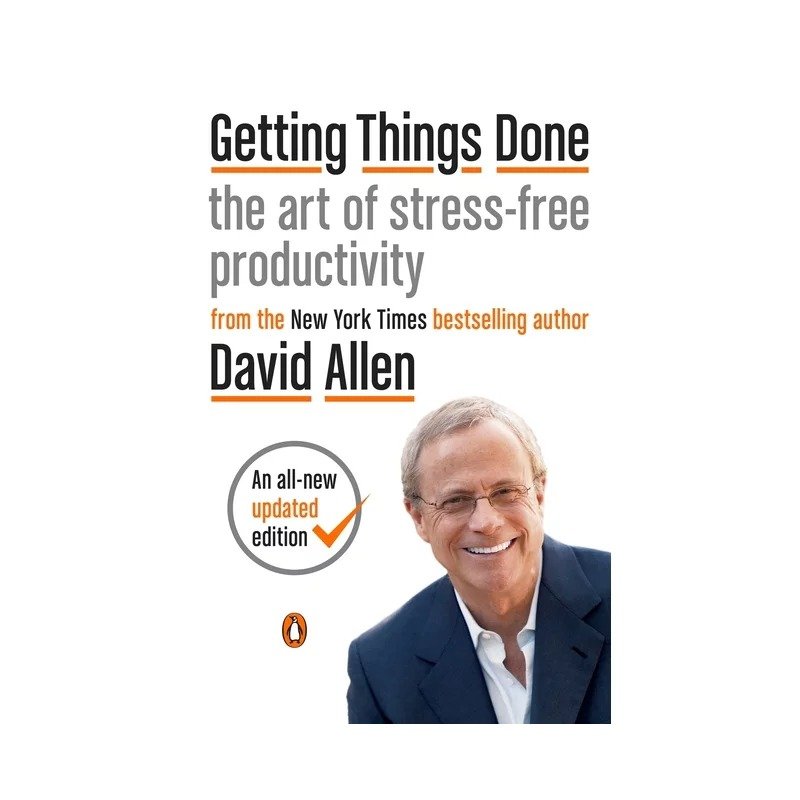
Getting Things Done by David Allen (Paperback)
Target, $10.79
The original personal operations manual. Allen’s system captures every open loop, decides the next physical action, and reviews it weekly, so your mind stops moonlighting as your filing cabinet. It is the closest thing to hiring an operations manager for the price of a paperback.

Marketing and Focus Without a Staff
The last team to replace is the one in your own head. A solo founder has no colleagues to absorb distraction, no manager to set the agenda, and no marketing department to keep the business visible. Focus becomes a skill to protect, not a mood to wait for. Deep, uninterrupted work is where a one person business earns its money, and it has to be scheduled like an appointment with your most important client.
Visibility, thankfully, does not require a department either. Sharing your work in progress, teaching what you learn as you learn it, and showing up consistently in one or two places builds an audience that a small business can actually serve. Ten true fans who trust you are worth more than a thousand followers who scroll past. The final picks below cover both halves of that equation: how to be found without shouting, and how to keep learning the skills your missing departments would have brought. Our piece on the investor’s mindset, patience as a strategy makes the same point about temperament: the calm, consistent operator usually beats the frantic one.
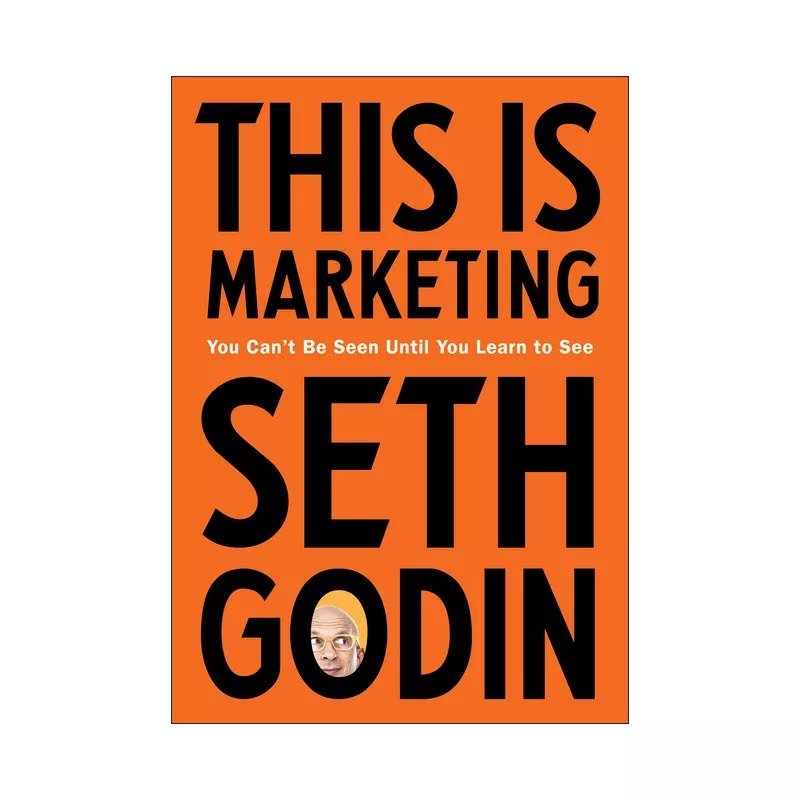
This Is Marketing by Seth Godin (Hardcover)
Target, $14.29
A marketing department with a conscience. Godin argues that marketing is the generous work of serving a specific group so well that they would miss you if you left. For a solo founder, that focus on the smallest viable audience is not a limitation. It is the strategy.
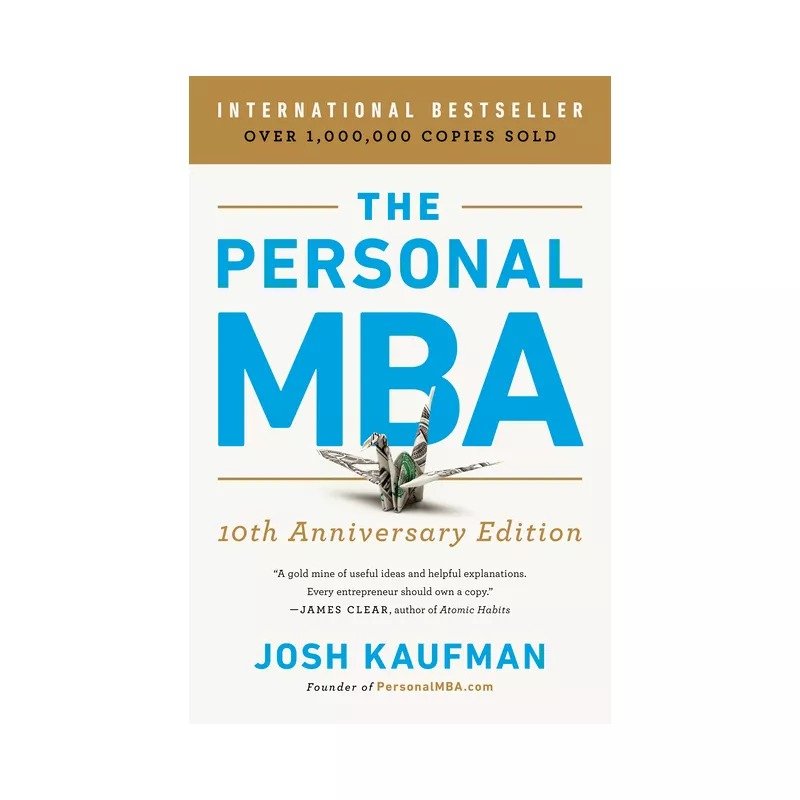
The Personal MBA, 10th Anniversary Edition by Josh Kaufman (Paperback)
Target, $19.16
The whole team of advisors, between two covers. Kaufman distills marketing, sales, finance, and systems into clear mental models you can apply the same day. When a question belongs to a department you do not have, this is the shelf to ask first.

The Takeaway
A one person business is not a smaller version of a big business. It is a different design entirely: lean on purpose, run by systems, and sized to fit a life. Choose tools that do the work of a team, write your processes down before you need them, and protect your attention like the asset it is. The goal was never to do everything alone forever. The goal is a business that gives one person freedom, income, and a working day that ends.
This article contains affiliate links. If you buy through them, we may earn a small commission at no extra cost to you. Thank you for supporting Elegant & Driven.