


Every founder reaches the same evening. The work that matters is still undone, the inbox is full of work that does not, and the day has somehow been spent answering, scheduling, formatting, and chasing. Nothing on that list needed your judgment. It only needed your time, which is the one resource your business cannot buy more of. Until, of course, you delegate it.
Delegating is not an admission that you are overwhelmed. It is a design decision. A virtual assistant, hired well and briefed clearly, gives a small business the support of a team without the overhead of an office. The art is in the order: decide what to hand off first, hire for that short list, and build simple systems your assistant can run without asking you twelve questions a day. The books below are the best guides to each step, and together they cost less than one hour of the time they will save you every week.
Decide What to Hand Off First
Start with an honest audit, not a job posting. For one week, write down everything you do in fifteen minute blocks. Then sort the list into three piles: tasks only you can do, tasks someone could do with a clear brief, and tasks that should probably stop happening at all. Most founders are startled by the middle pile. Inbox triage, calendar booking, research, data entry, travel planning, formatting documents, posting content you have already created: hours of skilled help, hiding in plain sight.
Hand off the repetitive and the schedulable first. Those tasks are easy to brief, easy to check, and quick to build trust around. Keep strategy, relationships, and final judgment with you. Our guide to the one person business, tools that do the work of a team shows how systems carry much of this load, and an assistant is the human layer on top of those systems. The three books in this section will help you choose what leaves your desk first, and why buying back your time is the highest returning investment a founder makes.
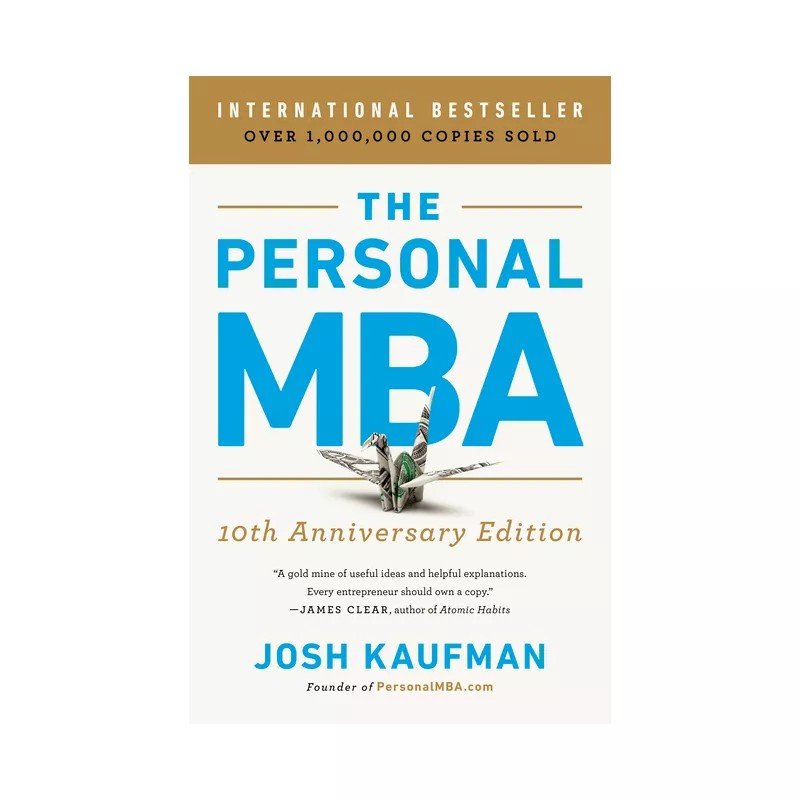
The Personal MBA, 10th Anniversary Edition by Josh Kaufman (Paperback)
Target, $19.16
Start here if delegation feels risky because no one else knows the whole business. Kaufman distills marketing, sales, finance, and systems into clear mental models, which is exactly the shared language an assistant needs. When you and your help think about the business the same way, briefs get shorter and results get better.

Buy Back Your Time by Dan Martell (Hardcover)
Target, $16.07
The most direct book ever written on this exact decision. Martell shows how to audit your calendar, calculate what your time is worth, and hand off everything below that rate, starting with inbox and scheduling. His replacement ladder is the clearest first month plan for a new virtual assistant.

Getting Things Done by David Allen (Paperback)
Macy’s, $19.00
You cannot delegate chaos. Allen’s system captures every open loop, decides the next action, and reviews it weekly, which turns your scattered to do list into clean, assignable tasks. Get your own workload into this shape first, and handing pieces of it to an assistant becomes simple.

Hire and Brief Well
A great assistant relationship is built in the brief, not found by luck. Hire for the tasks on your list, in the order you listed them, and test with a small paid project before you commit to ongoing hours. Look for clear written communication, questions that show judgment, and work returned exactly when promised. Skills can be taught. Reliability and care cannot.
Then brief like a professional. A good brief names the outcome, the deadline, the format you want back, and one example of done well. Record a short screen video the first time you hand over a recurring task, and let your assistant turn that video into a written checklist. That checklist becomes the system, and the system means the task runs the same way whether you are at your desk or on a beach. If you are still at the stage of testing the business itself, start with our piece on how to validate a business idea before spending a dollar. Once the work is real and repeating, this is how you stop doing all of it yourself.

The E-Myth Revisited by Michael E. Gerber (Paperback)
Walmart (US), $14.89
The classic argument for working on your business instead of only in it. Gerber shows why a business that depends on the owner’s hands stays small, and how documented systems let other people deliver your standard. It is the philosophy underneath every good assistant brief you will ever write.
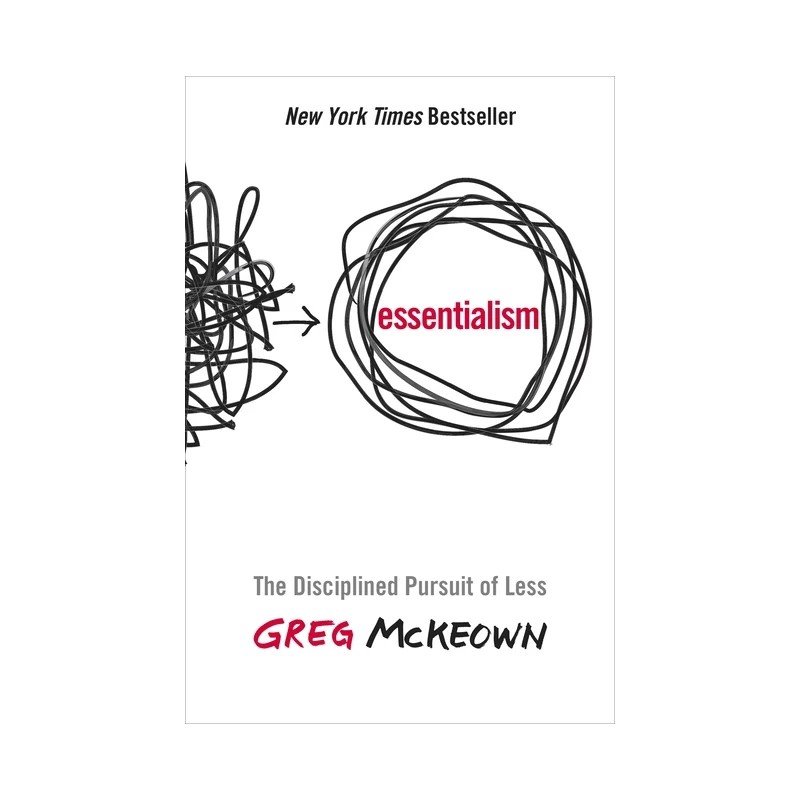
Essentialism by Greg McKeown (Hardcover)
Target, $17.94
Delegation starts with deciding what deserves your attention at all. McKeown’s disciplined pursuit of less helps you sort the vital few tasks from the trivial many, so you hand off the right work and quietly stop doing the rest. Read it before your time audit and the audit gets much more honest.
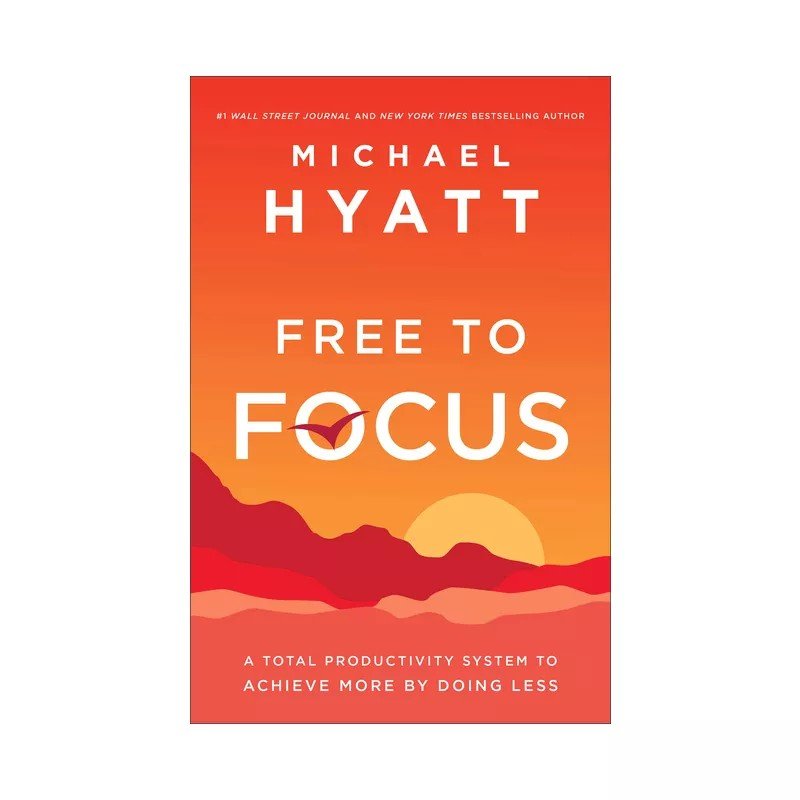
Free to Focus by Michael Hyatt (Hardcover)
Target, $16.69
Hyatt built his career on working with assistants, and this is his focus system: stop, cut, act. He is practical about eliminating, automating, and delegating in that order, and about protecting the high value work only you can do. A calm, structured read for founders who feel busy but not productive.

Build Systems Your Assistant Can Run
Delegation fails when it lives in your head. It works when the business runs on written processes: a shared task list, a weekly check in with a short agenda, a password system you never share by email, and files named so another human can find them. Give your assistant one place to ask questions, one place to report progress, and a clear rule for what counts as urgent. Calm structure is kindness, for both of you.
Grow the role in layers. Month one is the handoff list you audited. Month two adds research and first drafts. By month three, a good assistant is anticipating: preparing the report before the meeting, flagging the invoice before it is late, booking the trip before you ask. That is the moment delegation stops feeling like a cost and starts feeling like leverage. Our article on building a second income stream, dividends and beyond makes a similar point about money: small, well placed systems compound quietly in your favor. Time systems compound the same way.
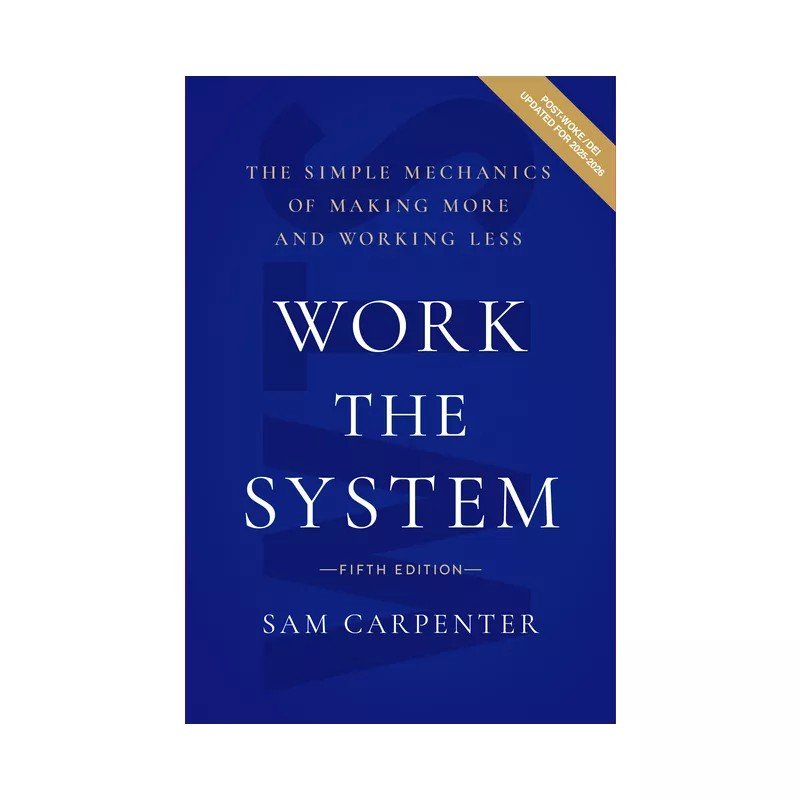
Work the System by Sam Carpenter (Hardcover)
Target, $45.00
Carpenter rebuilt a business working around the clock into one that ran on documented procedures, and this is his method in detail. Every recurring task becomes a written working procedure your assistant can follow, improve, and eventually own. It is the systems bible for the third month of a delegation habit.

Traction by Gino Wickman (Paperback)
Target, $11.48
When your assistant grows into a small team, you need an operating system, and Wickman’s is the one small businesses actually use. Clear roles, a weekly meeting rhythm, and simple scorecards keep delegated work visible without micromanaging. Keep it on the shelf for the day one hire becomes three.

The Effective Executive by Peter F. Drucker (Hardcover)
Target, $25.04
The enduring classic on effectiveness, written decades before virtual assistants existed and somehow still the sharpest guide to managing your own contribution. Drucker insists your time is your scarcest resource and that results come from doing the right things, in the right order. Delegation, in his framing, is simply respect for that fact.

The Takeaway
You do not need a big team to get big support. You need one clear list of what to hand off, one careful hire, and systems simple enough for another person to run with confidence. Delegate the repetitive first, brief with outcomes and examples, and review weekly until trust is earned on both sides. The goal is not to disappear from your business. The goal is to spend your hours only on the work that truly needs you.
This article contains affiliate links. If you buy through them, we may earn a small commission at no extra cost to you. Thank you for supporting Elegant & Driven.