


Most good ideas do not die from being bad. They die from staying ideas, polished in a notebook while the weeks quietly pass. A launch sprint fixes that by giving the idea a deadline and a shape: thirty days, four weeks, one clear job per week, ending with something real that a stranger can buy. Not a perfect product. A real one.
This plan is the companion to our guide on how to validate a business idea before spending a dollar. Validation asks whether anyone wants the thing before you spend. The sprint assumes that answer came back as a careful yes, and asks the next question: what do you actually do, week by week, to travel from concept to first sale without building in private for six months? The books below are the sprint team, grouped by the week they serve. Every price is the price shown on LTK at publishing, and every link is an LTK affiliate link.
Week One: Sharpen the Idea and Prove Demand Again, Quickly
Week one has three jobs, and none of them is building. First, write the offer in one sentence: who it is for, what it does, and why it matters, in words a tired stranger would understand. Second, hold ten real conversations with people who have the problem, and listen for evidence, not compliments. Third, put up one simple page that describes the product honestly and asks for something small and real: an email address, a preorder, a deposit. A page that asks for nothing proves nothing.
Keep the week moving with a daily rhythm. Our morning CEO routine was built for exactly this: a short opening meeting with yourself that reviews yesterday, sets the day’s three priorities, and protects the first deep work block. In a sprint month, that meeting is the difference between a plan and a hope. The three books in this section cover the loop, the small start, and the conversations that tell the truth.
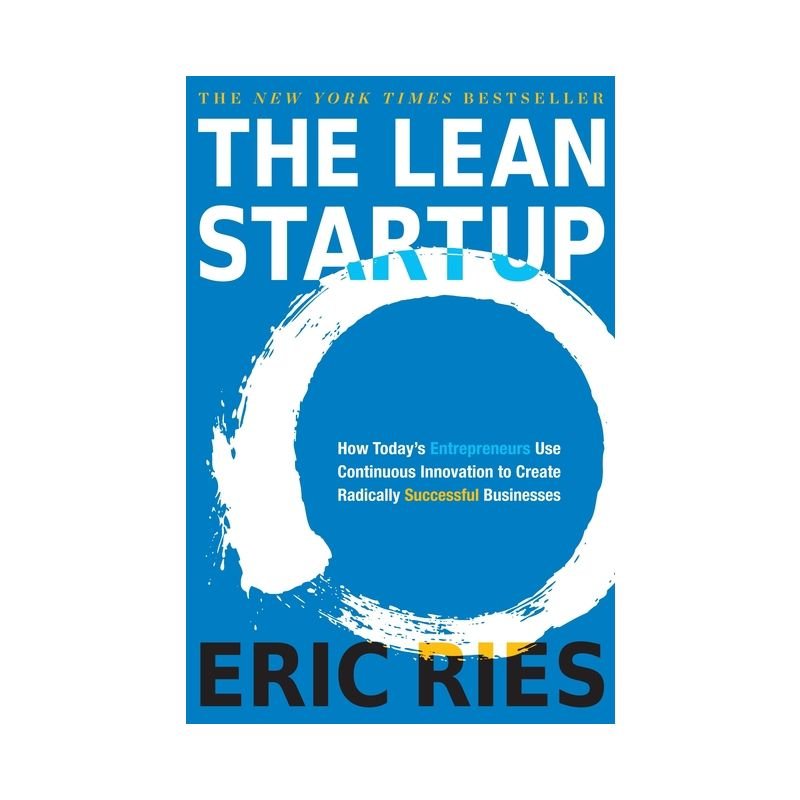
The Lean Startup by Eric Ries (Hardcover)
Target, $17.99
The sprint runs on Ries and his central discipline: build, measure, learn, in the smallest possible loop. Week one of this plan is his method in miniature, one clear hypothesis about who the product is for and what would prove they want it. Keep it open on the desk all month, because every later week sends you back to this loop.
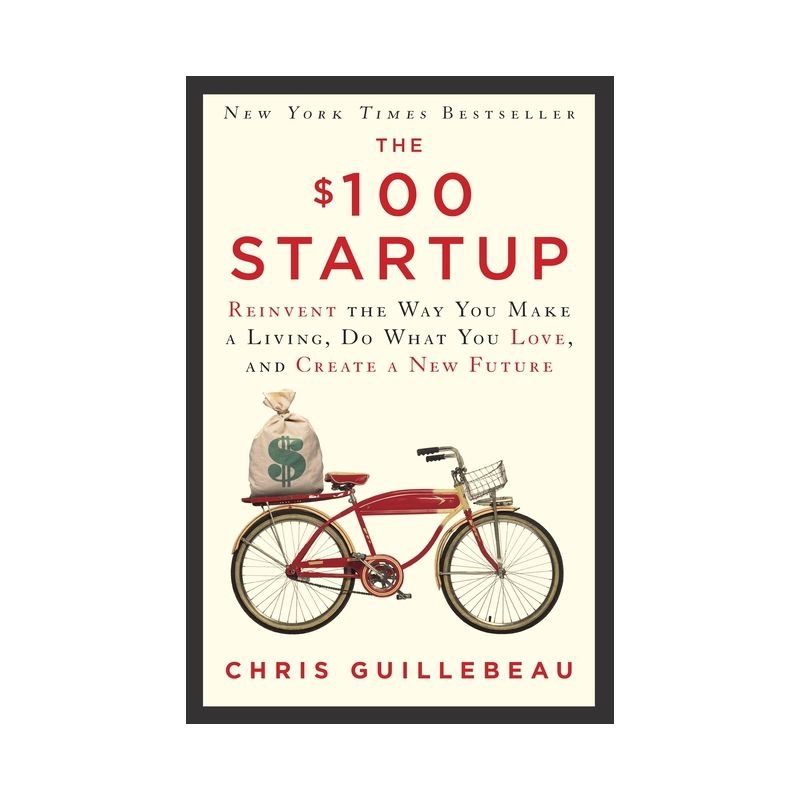
The $100 Startup by Chris Guillebeau (Hardcover)
Target, $20.98
Guillebeau studied people who built real incomes from modest beginnings, and his lesson for week one is bracing: freedom and value, in that order, and a product small enough to start now. His one page business plan is the perfect sharpening tool before you build anything. If the idea cannot survive one page, it is not ready for thirty days.
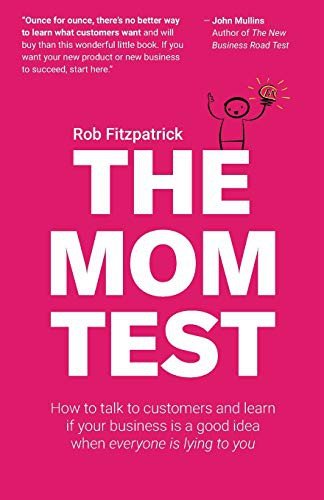
The Mom Test by Rob Fitzpatrick (Paperback)
Target, $19.99
Everyone will tell you your idea is lovely, and Fitzpatrick explains why that politeness is the most dangerous data in business. His rules for conversations that reveal the truth, named after the fact that even your mother will lie to spare your feelings, are the interview script for week one. Short, funny, and ruthlessly practical.

Weeks Two and Three: Build the Smallest Sellable Version
Now build, but build small on purpose. Write the feature list, then cut it to the one promise the product must keep, and let everything else wait for version two. The test for what stays is simple: would the first customer feel cheated without it? If not, it waits. Two weeks is enough for a small, honest version of almost any digital product, course, service, or simple physical offer, and it is not enough for a grand one, which is precisely the point.
Inside these two weeks, run one focused test of the riskiest assumption, the thing that, if wrong, sinks the whole idea. A prototype shown to five real people beats a month of private debate. Build the business as a small system while you build the product, with simple documented steps, so the launch does not depend on heroic effort. This is the same lean philosophy behind the one person business, tools that do the work of a team: small, systematic, and sustainable for a team of one.
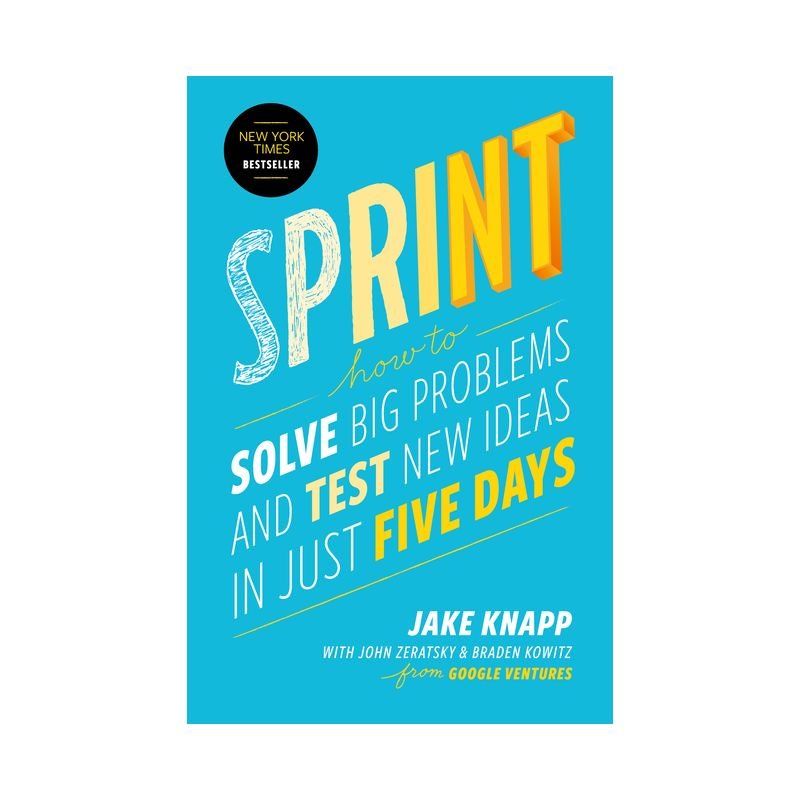
Sprint: How to Solve Big Problems and Test New Ideas in Just Five Days by Jake Knapp, John Zeratsky and Braden Kowitz (Hardcover)
Target, $16.99
Born at Google Ventures, the five day sprint is the engine of weeks two and three: map the problem on Monday, prototype by Thursday, and test with real people on Friday. It replaces a month of debate with five days of evidence. Run one sprint inside your thirty days and the riskiest question about your product gets answered first.
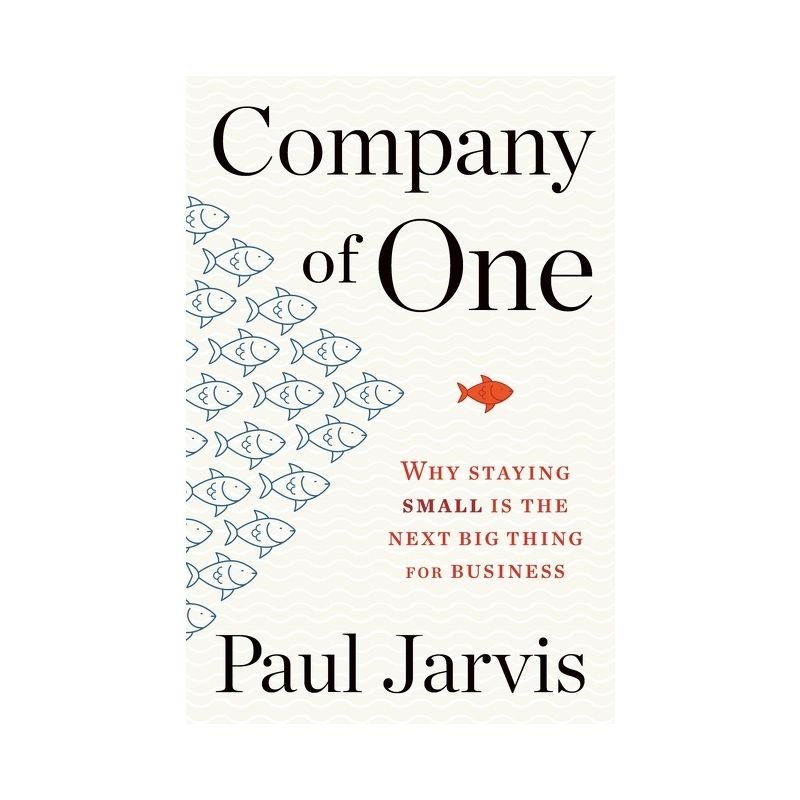
Company of One by Paul Jarvis (Paperback)
Target, $12.00
Jarvis asks a question most launch advice skips: what if better beats bigger? His case for staying small on purpose keeps the build honest in weeks two and three, one product, one audience, systems instead of staff. It is the permission slip to cut the feature list down to the single promise you can actually keep by day thirty.
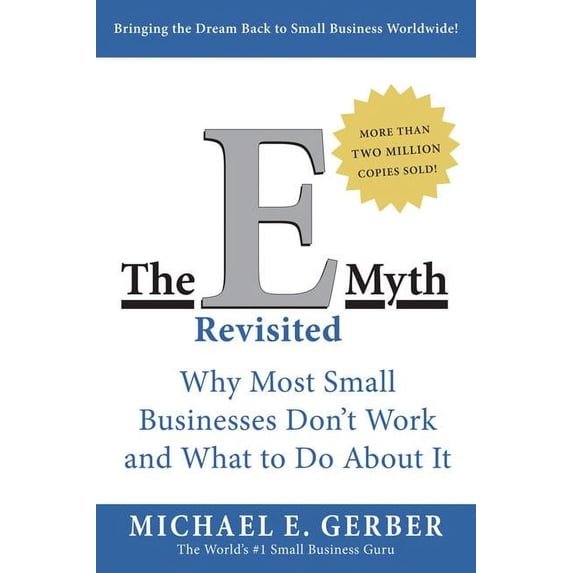
The E-Myth Revisited: Why Most Small Businesses Don’t Work and What to Do About It by Michael E. Gerber (Paperback)
Walmart US, $14.89
Gerber’s classic distinction, working in the business versus working on it, belongs in the build weeks, not after them. As you assemble the smallest sellable version, he pushes you to build it as a small system from day one: documented, repeatable, not dependent on your mood. The product you launch in week four will thank you for it.

Week Four: Launch, Sell, and Learn in Public
Launch is a week, not a day. Announce the date early in the week and keep the promise. Tell the story of why the product exists, show it working, name the price clearly, and ask for the sale without apology. Answer every reply personally. Collect every kind word, every question, and every objection, because that material is the research for version two, gathered for free by the simple act of shipping.
Set the launch target at the smallest audience that makes the month a success: the waitlist from week one, the people from your conversations, one community where you are genuinely known. Ten real customers teach more than ten thousand impressions. When the first sale arrives, and it will feel disproportionately wonderful, note what actually caused it. Then do more of that, and let the sprint end with a short review: what sold, what people asked for, and what the next thirty days should build.
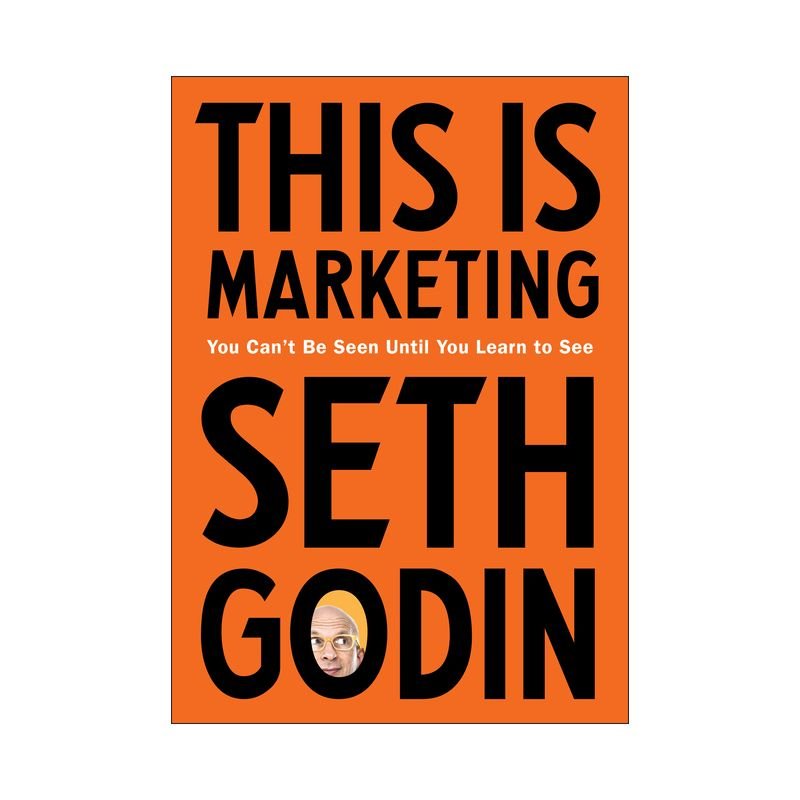
This Is Marketing: You Can’t Be Seen Until You Learn to See by Seth Godin (Paperback)
Target, $14.29
Launch week is marketing week, and Godin reframes it beautifully: marketing is the work of making change happen for a specific group of people, not shouting at everyone. His smallest viable audience idea sets the launch target: not the world, just the few hundred people the product was truly made for, served generously and first.
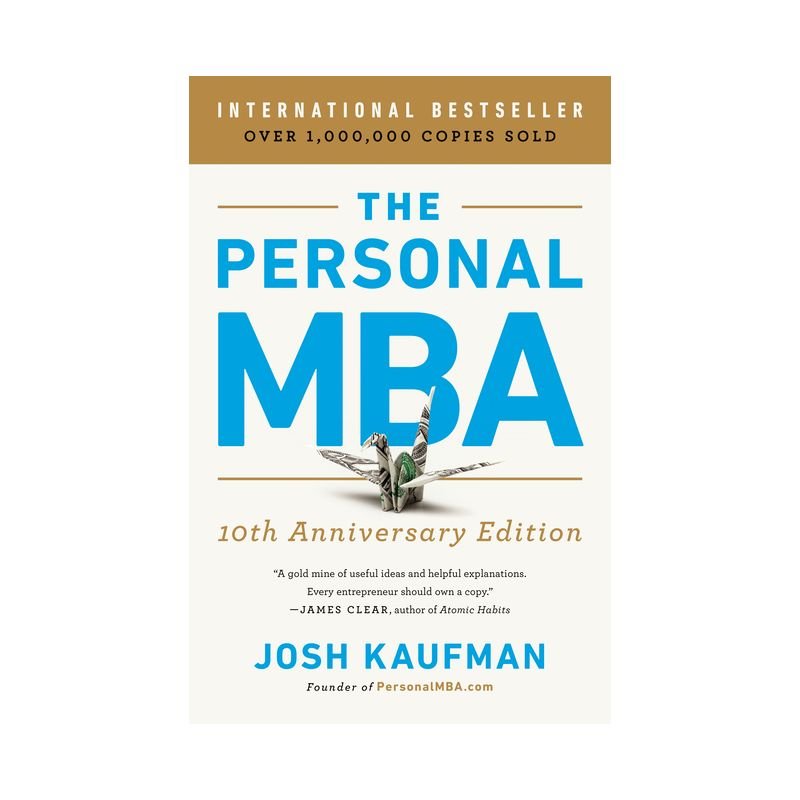
The Personal MBA: Master the Art of Business by Josh Kaufman (Paperback)
Target, $19.16
Launch week surfaces a hundred small questions at once: pricing, offers, follow up, simple finance. Kaufman’s one volume tour of how business actually works is the reference you reach for each time, clear enough to read the relevant chapter at breakfast and apply it by lunch. Every sprint team of one deserves one book that covers the whole map.
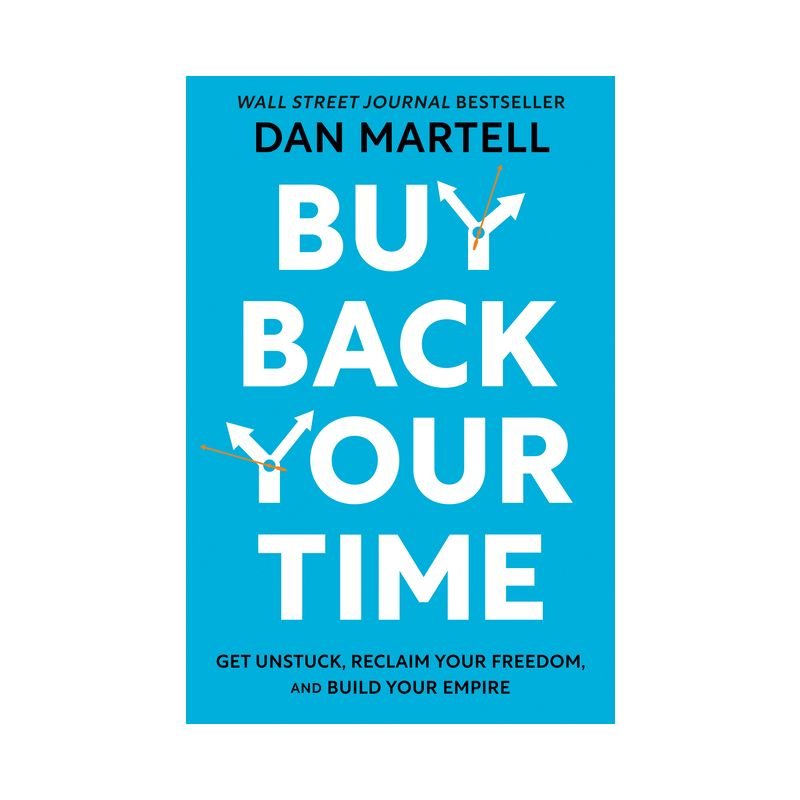
Buy Back Your Time: Get Unstuck, Reclaim Your Freedom, and Build Your Empire by Dan Martell (Hardcover)
Target, $16.07
The first sale is the finish line of the sprint and the starting line of everything after, and Martell is the right closing read: his audit of where your time actually goes shows which parts of the new business to hand off first, so growth does not simply become a second job. Finish the month by buying back the hours the product will need next.

The Takeaway
Thirty days will not build a perfect product. It will build a real one, with a real first customer, and that is the only foundation a second version can stand on. An idea becomes a business on the day a stranger can buy it, not the day it feels finished. Pick the start date, work the four weeks in order, and let the calendar do the motivating.
This article contains affiliate links. If you buy through them, we may earn a small commission at no extra cost to you. Thank you for supporting Elegant & Driven.