


Social platforms rent you an audience. An email list is the one audience you actually own: no algorithm decides whether your readers see you, no feed buries your best work by noon, and no platform change can take the relationship away overnight. That is why, after all these years and all these new channels, email lists still win, and why starting yours from zero is simpler than it looks. You need one clear offer, one short welcome sequence, and a calm plan for the first hundred subscribers.
This edit gathers the books that teach each stage, in the order you will live it: shape an offer worth joining, bring the right readers to the door, then write emails good enough to keep them. It builds naturally on the content repurposing engine, because a list is where repurposed work lands best: every article, video, and post can point readers to the one asset that compounds. Every price below is the price shown on LTK at publishing, and every link is an LTK affiliate link.
Make the Offer Impossible to Ignore
Nobody joins a list for the promise of a newsletter. They join for a specific, useful thing: a checklist, a short guide, a template, a small series that solves one problem they already have. That lead magnet is the front door, and the welcome sequence behind it is the handshake: three to five short emails that deliver the gift, tell your story in one honest paragraph, teach one idea well, and invite a reply. The three books in this section cover the message, the remarkable offer, and the simple system that connects them.
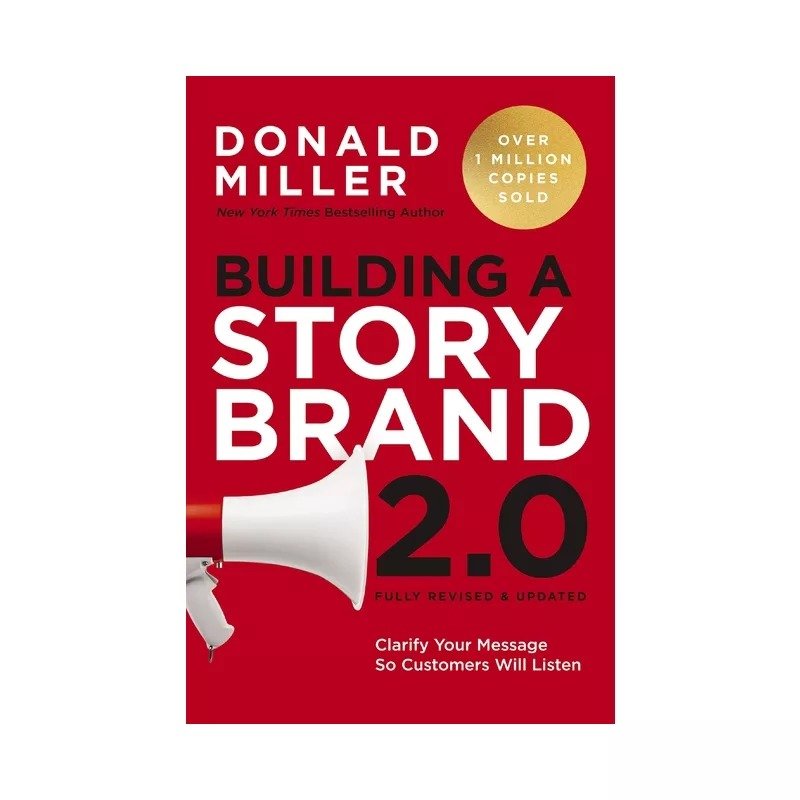
Building a Storybrand 2.0 – by Donald Miller (Hardcover)
Target, $16.89
An email list starts with a message clear enough that a stranger understands it in seconds, and Miller’s framework is the fastest route to that clarity. Position your reader as the hero, name their problem plainly, and offer your newsletter as the guide with a plan: that single shift turns a vague sign up box into a promise people actually want to accept.

Purple Cow, New Edition – by Seth Godin (Hardcover)
Target, $15.00
Godin’s argument is simple and bracing: in a crowded inbox, remarkable wins and safe disappears. A lead magnet that looks like everyone else’s free checklist will collect no one. Build the offer around the one useful, specific, slightly surprising thing only you would give away, and the first hundred subscribers arrive because the offer itself is worth talking about.
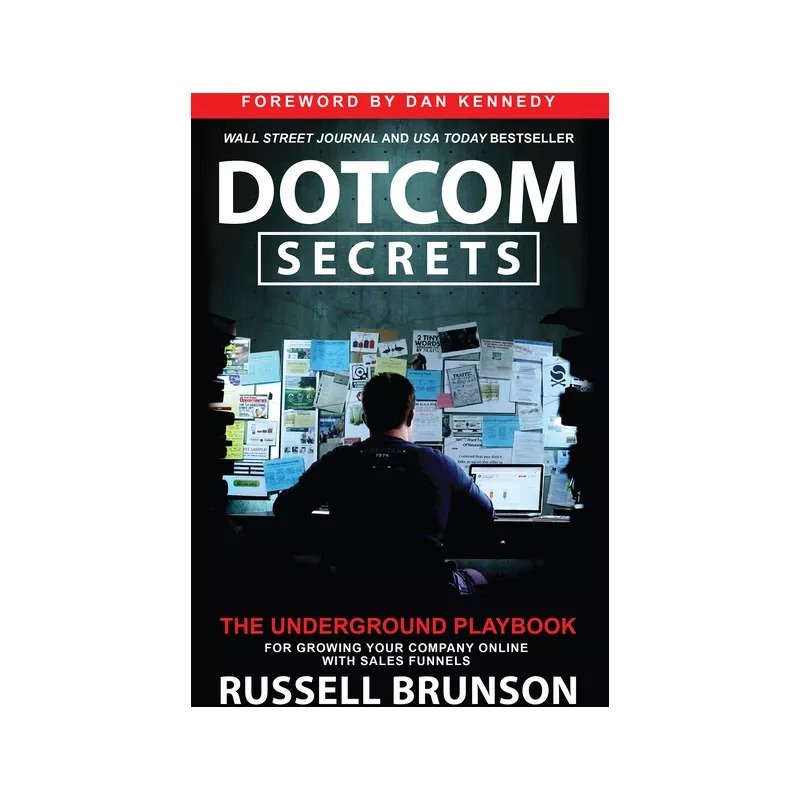
Dotcom Secrets – by Russell Brunson (Paperback)
Target, $12.31
Brunson’s funnel thinking translates beautifully to a first list: one clear free offer, one simple page that presents it, and a follow up sequence that delivers more value than promised. His value ladder also answers the beginner’s quiet question, what happens after they subscribe, by mapping the journey from free reader to loyal customer in advance.

Bring the Right Readers to the Door
The first hundred subscribers rarely come from one big moment. They come from twenty small ones: a line at the end of every article, a mention in every video, a signature link, a guest post, a podcast conversation, and the quiet habit of inviting readers personally when a piece lands. Quality matters more than volume at this stage, the way the one person business runs on a small stack used well rather than a large one used badly. These three books cover finding your people, leading them with real expertise, and staying small on purpose while you do it.
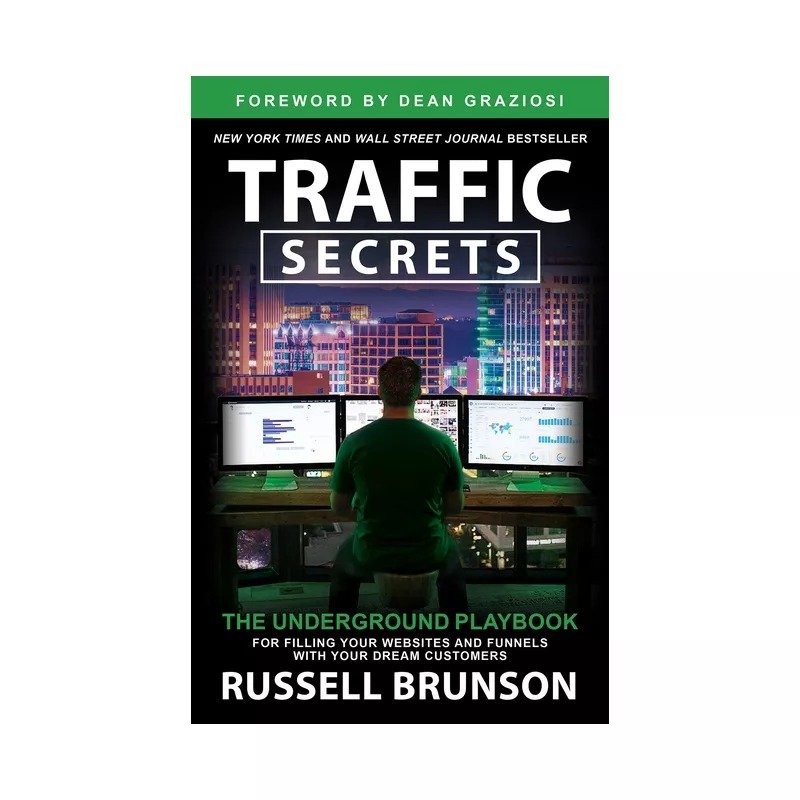
Traffic Secrets – by Russell Brunson (Paperback)
Target, $15.79
Subscribers have to come from somewhere, and this is the sourcing manual: find where your ideal readers already gather, show up there with genuine value, and give them one clear path back to your list. Brunson’s dream hundred concept keeps a small creator focused on a handful of the right rooms instead of shouting into every feed at once.
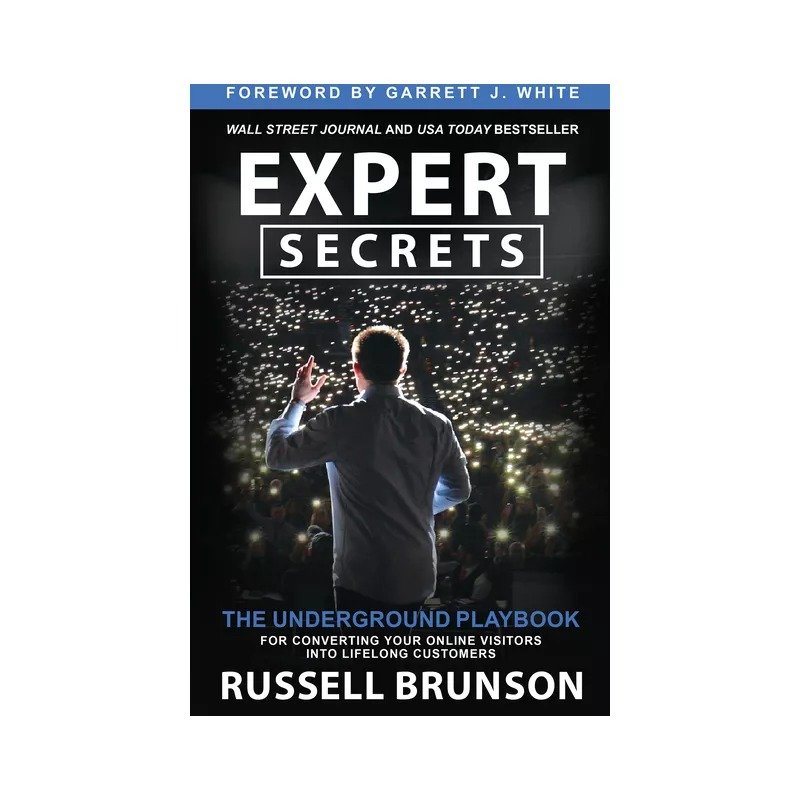
Expert Secrets – by Russell Brunson (Paperback)
Target, $13.70
A welcome sequence is a small movement, not a sales pitch, and Brunson’s guide to building a following around your expertise shows how to lead it: share the story behind your knowledge, teach one framework well, and invite readers to reply. Lists built on teaching grow slower at first and hold far longer than lists built on discounts.
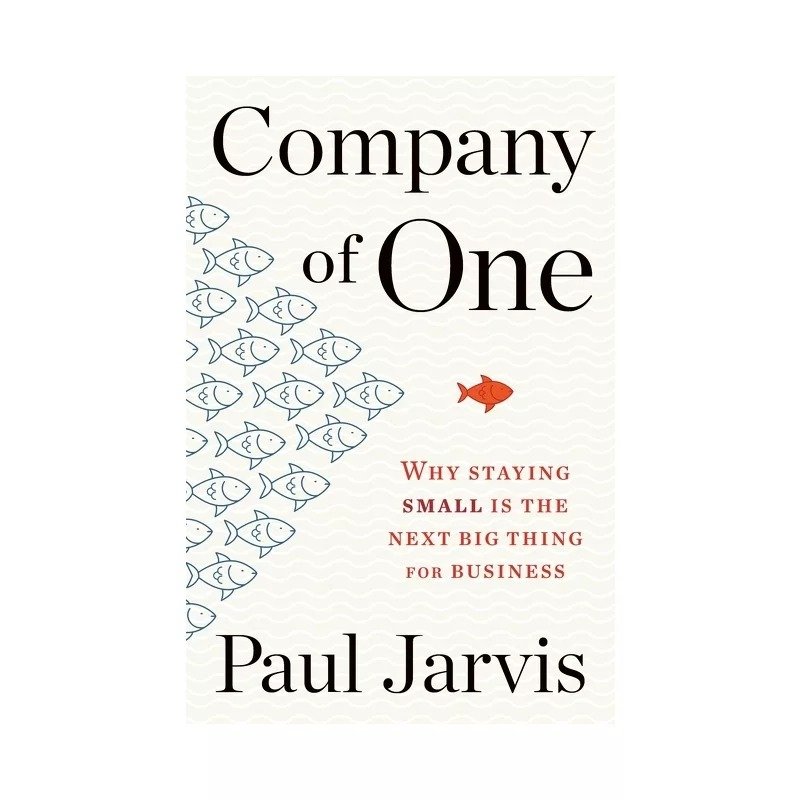
Company of One – by Paul Jarvis (Paperback)
Target, $12.00
The permission slip every small list owner needs. Jarvis questions growth for its own sake and makes the case that a hundred true readers who open, reply, and buy can carry a whole business. Read it before platform dashboards convince you that your first hundred subscribers are a failure instead of the foundation they actually are.

Write Emails Worth Opening, Then Keep the Readers You Earn
A list is a promise renewed every week. Send one genuinely useful email on a rhythm you can hold, write it the way you would write to one smart friend, and treat replies as gold: they are market research, community, and future product ideas arriving unasked. This is also where a list starts paying for itself, because the readers who trust your letters are the readers who buy, book, and recommend. The launch thinking in a 30 day product sprint plan works beautifully here, with the list as the audience waiting on day one. Two writing classics, one outreach manual, and one retention playbook close the edit.
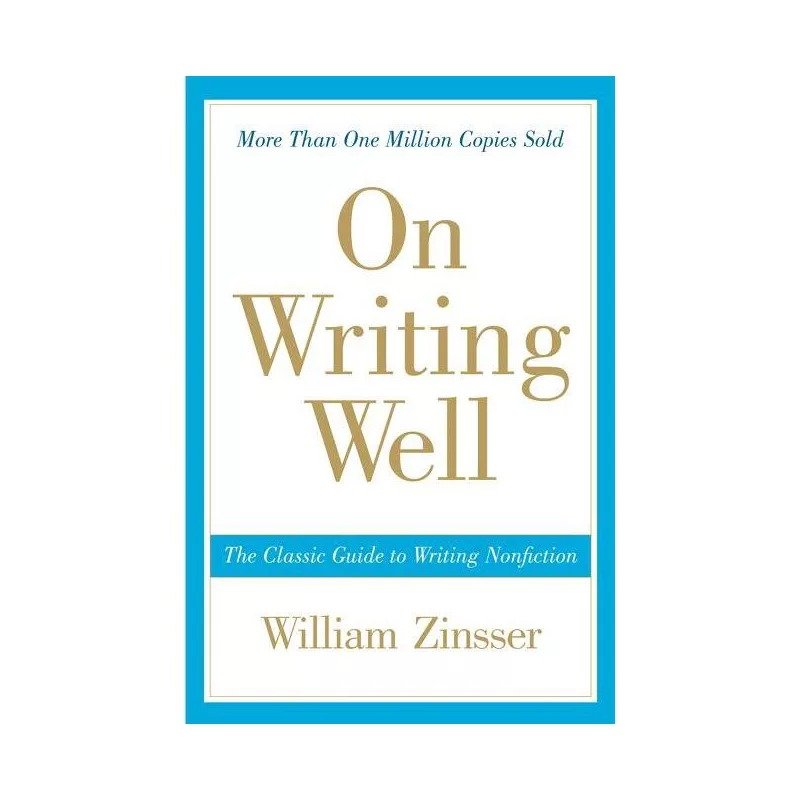
On Writing Well – 30th Edition by William Zinsser (Paperback)
Target, $11.27
People open emails from writers they enjoy reading, and Zinsser remains the finest teacher of clear, warm nonfiction prose. His chapters on simplicity, clutter, and voice will quietly upgrade every subject line, welcome email, and weekly letter you send. If you buy one craft book for your newsletter, make it this one.

Ogilvy on Advertising – by David Ogilvy (Paperback)
Target, $17.19
Ogilvy wrote headlines for a living and treated the reader’s attention as sacred, which is exactly the discipline email demands. His rules on headlines, research, and respecting the reader translate directly to subject lines that earn the open and copy that earns the click, without a single trick your subscribers will resent later.
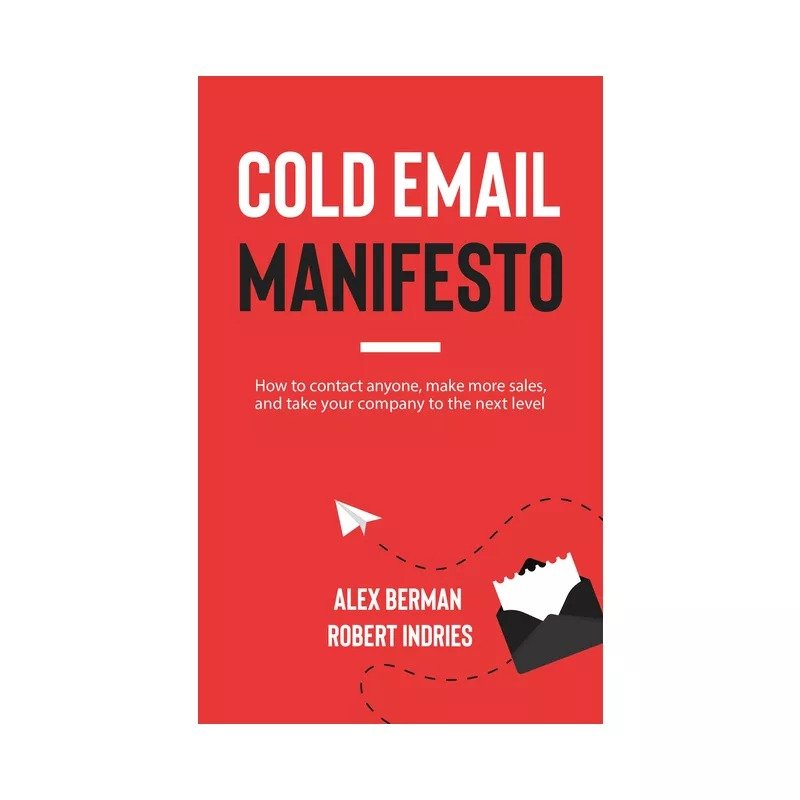
Cold Email Manifesto – by Robert Indries & Alex Berman (Paperback)
Target, $16.60
Cold outreach is the other side of list building: the partnerships, podcast invitations, and collaborations that put your lead magnet in front of someone else’s audience. Berman and Indries lay out concise, personal outreach that gets replies, so your list can grow through borrowed rooms while your own content compounds in the background.
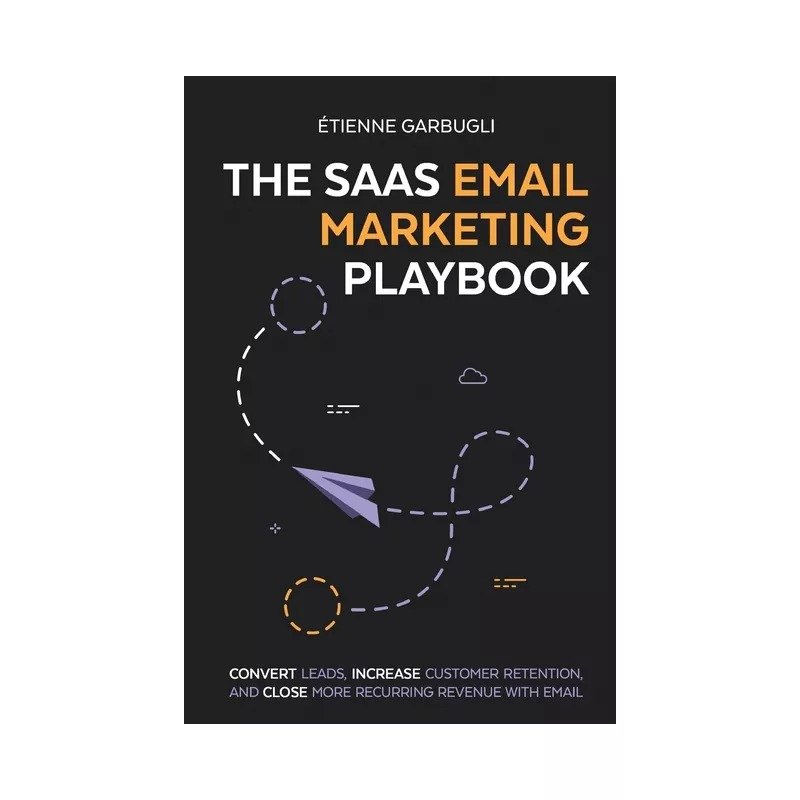
The SaaS Email Marketing Playbook – by Etienne Garbugli (Paperback)
Target, $21.49
Once the first hundred arrive, this playbook takes over: onboarding sequences, retention emails, and the quiet systems that turn subscribers into customers who stay. Garbugli writes from software, but the sequence logic applies to any creator selling a course, a service, or a product. Keep it on the desk for the day your welcome sequence needs a second act.

The Takeaway
Start smaller than your ambition and more specifically than your instincts suggest: one reader, one problem, one generous free offer, five welcome emails, and one honest letter a week. The first hundred subscribers are not a vanity metric. They are the hundred people who will tell you what to build next, buy it when it arrives, and bring the next hundred with them.
Platforms will keep changing their rules. Your list is the room where the rules are yours.
This article contains affiliate links. If you buy through them, we may earn a small commission at no extra cost to you. Thank you for supporting Elegant & Driven.