

Most of us were trained to value the quick answer. We prepare our points, polish our opinions, and walk into conversations ready to be interesting. But the people everyone remembers, the ones whose dinner parties run long and whose advice gets sought out years later, tend to share a different gift. They ask the question nobody else thought to ask, and then they actually stay for the answer.
A thoughtful question is a small act of generosity. It tells the other person that their experience is worth understanding properly, and it turns small talk into the thing we were all hoping for when we accepted the invitation. The good news is that asking well is a learnable craft, not a personality trait. This edit gathers ten books that teach it from every angle: how to open a person up, how to listen once they do, and how to ask bravely when the conversation is hard. It sits naturally beside a realistic system for reading more, because every one of these books rewards being read slowly, with a pencil nearby.
Ask the Question That Opens the Door
Start with the shape of the question itself. Closed questions collect facts; open ones collect stories. Ask what someone does and you get a job title. Ask what the work has taught them lately and you get the person. The three books in this section are the foundation shelf: one on seeing people clearly, one from a master interviewer on the kinds of questions and their order, and one on questioning your own assumptions before you question anyone else.
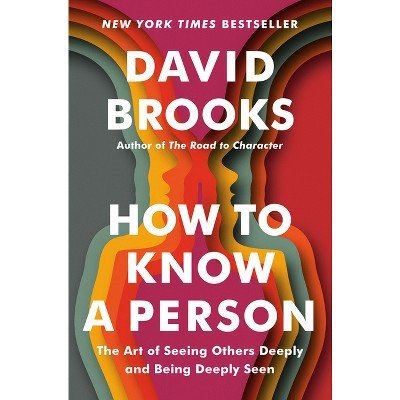
How to Know a Person – by David Brooks (Hardcover)
Target, $16.00
Brooks argues that being seen is a skill, and that the heart of it is the question that invites a real answer rather than a polite one. His chapters on attention, accompaniment, and asking about someone’s story rather than their status will change how you open every conversation, from a dinner party to a first meeting with a future collaborator.
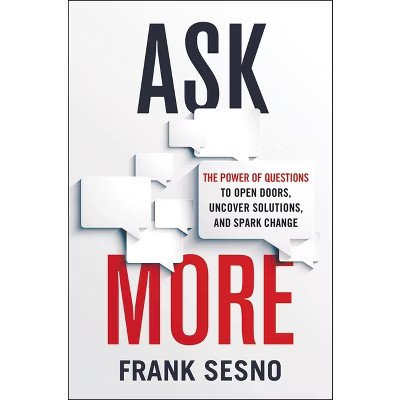
Ask More – by Frank Sesno (Paperback)
Target, $15.19
Sesno spent a career interviewing presidents and newsmakers for CNN, and this is his field manual: eleven kinds of questions, from diagnostic to empathetic to creative, and when each one earns its place. Read it before your next interview, negotiation, or hard family conversation and you will hear how much a well sequenced question can do.
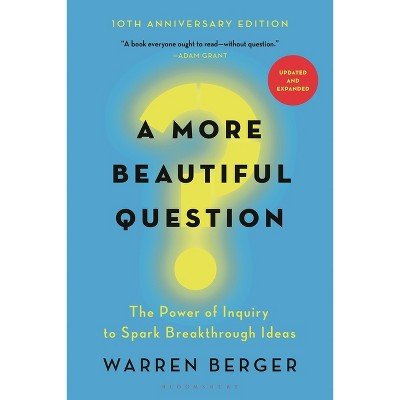
A More Beautiful Question – by Warren Berger (Paperback)
Target, $10.99
Berger’s premise is quietly radical: the breakthroughs we admire, in companies, art, and ordinary lives, almost always began as a better question rather than a faster answer. His Why, What If, and How sequence is a practical way to question your own assumptions first, which is where every thoughtful question asked of others actually starts.

Ask Gently, Then Listen Like You Mean It
The second half of the craft is restraint. A thoughtful question is asked once, cleanly, and then protected by silence while the other person thinks. That is harder than it sounds, which is why coaches, therapists, and the best managers train for it. These three books cover the gentle question that builds trust, the seven questions that replace advice giving, and the listening that makes any question worth answering. The habit pairs beautifully with keeping a commonplace book: the best questions you hear deserve to be written down and kept, the way readers have kept striking sentences for centuries.
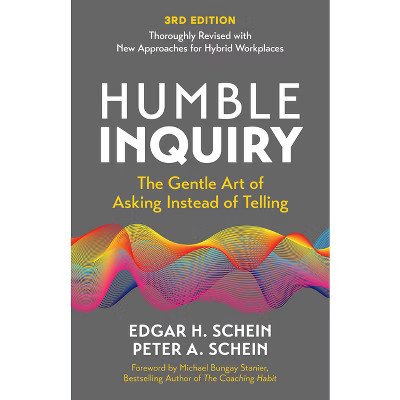
Humble Inquiry, 3rd Edition – by Edgar H Schein & Peter A Schein (Paperback)
Target, $20.89
The Scheins give the practice its name: humble inquiry is asking from genuine curiosity instead of telling in disguise. It is a short, wise book about the questions that build trust across a desk, a team, or a hospital corridor, and about why the gentlest question in the room is often the one that unlocks the truth.
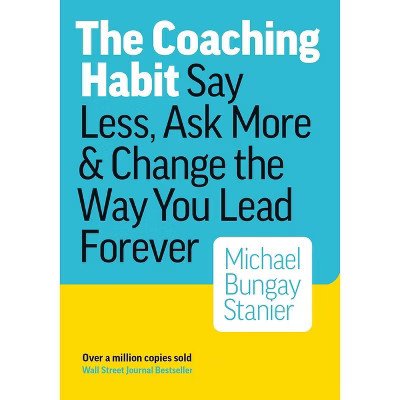
The Coaching Habit – by Michael Bungay Stanier (Paperback)
Target, $9.89
Seven questions, one habit: say less, ask more, and change the way you lead forever. Stanier’s opening question alone, what is on your mind, followed by his famous follow up, and what else, will rescue more meetings and mentoring conversations than any advice you were planning to give. Small book, daily usefulness.
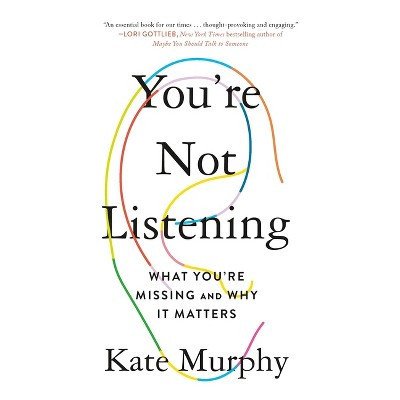
You’re Not Listening – by Kate Murphy (Paperback)
Target, $11.48
A question only works if someone stays to hear the answer, and Murphy, a journalist who listens for a living, shows how rare and learnable that staying has become. Her chapters on curiosity, distraction, and the supportive response will make you a better asker by making you a better listener first, which is the correct order.

Ask Bravely When It Matters Most
Eventually the questions get higher stakes: the stranger you may be misreading, the feedback you would rather avoid giving, the mind, possibly your own, that needs to change, the family conversation that keeps going wrong. This is where asking well stops being a social grace and becomes a life skill. Four books close the edit, on reading strangers with humility, on the structure of difficult conversations, on questions that help people rethink, and on asking for what you need without blame. If the interview side of the craft is what you want to build next, starting an email list is a surprisingly good training ground, because writing to real readers teaches you, week after week, which questions your audience actually wants answered.
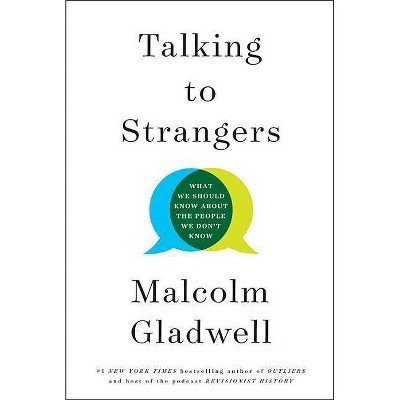
Talking to Strangers – by Malcolm Gladwell (Hardcover)
Target, $16.21
Gladwell examines why our readings of people we do not know go wrong so often, and why humility belongs inside every question we ask a stranger. It is the cautionary volume in this edit: ask with curiosity, hold your first interpretation lightly, and let the answer, not your instinct, finish the sentence.
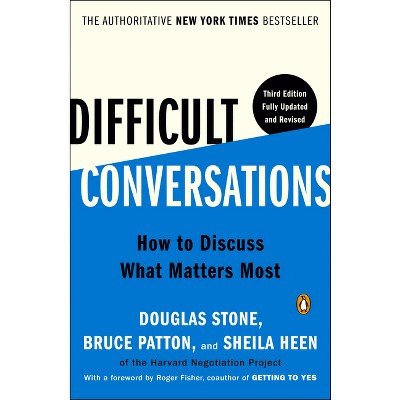
Difficult Conversations – by Douglas Stone, Bruce Patton & Sheila Heen (Paperback)
Target, $12.69
From the Harvard Negotiation Project, this is the classic guide to the conversations we dread: feedback, conflict, apology, and asking for what we need. Its central move is a question, shifting from who is right to what happened, what it meant to each of you, and what happens next. Keep it within reach of the desk.
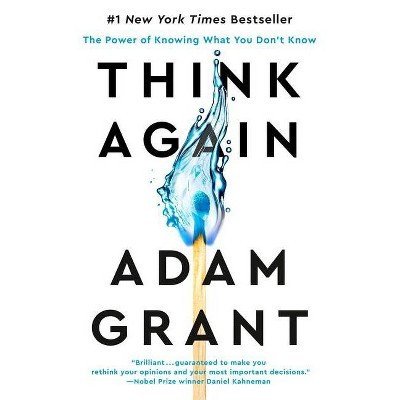
Think Again – by Adam Grant (Hardcover)
Target, $15.75
Grant makes the case for asking questions the way a scientist does: as invitations to rethink rather than traps to win. His chapters on motivational interviewing show how the right question helps someone persuade themselves, which is why this book belongs in every conversation about changing a mind, including your own.
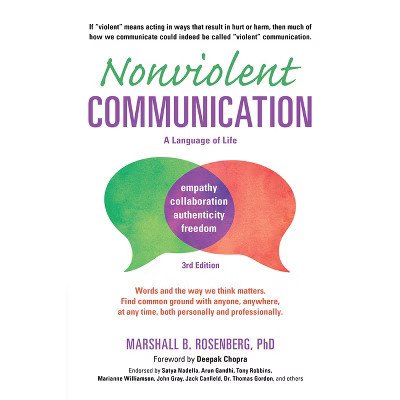
Nonviolent Communication, 3rd Edition – by Marshall B Rosenberg (Paperback)
Target, $13.15
Rosenberg’s method turns a heated exchange into four calm steps: observe, name the feeling, name the need, and make a clear request. It is the gentlest book in this edit and, for family conversations especially, often the most useful, because it teaches you to ask for what you need without making anyone the villain.
The Takeaway
Ask one question more than feels necessary, and one follow up more than feels polite. What is on your mind, and what else, and what would make this easier: small sentences, asked with genuine curiosity and followed by real silence, will do more for your conversations, your work, and your relationships than any answer you have been rehearsing.
The best conversationalists are not the people with the most to say. They are the people whose questions make everyone else more interesting.
This article contains affiliate links. If you buy through them, we may earn a small commission at no extra cost to you. Thank you for supporting Elegant & Driven.