


There are more courses for sale right now than any person could finish in ten lifetimes, and most of them are bought the same way: a beautiful sales page, a countdown timer, and a small panic that everyone else is getting ahead. Then comes the familiar ending. The log in details sit in the inbox, the first three lessons get watched, and the course joins the quiet shelf of good intentions. The problem is rarely the student. It is the choosing.
Choosing well is a skill, and like every skill in this article it can be learned. We have written before about the simplicity of online education and why learning from home works so beautifully when it works. This edit is the other half of that conversation: how to vet a course before you pay for it, using what science actually knows about how learning happens. The method is simple. First learn how learning works, then look for courses built that way, then commit like you mean it. Nine books carry the whole system, and every one of them will save you more than its price in courses you do not buy.
Learn How to Learn First
Before you can judge a teacher, you need a picture of what good teaching does. These four books build that picture from different angles: self directed projects, the brain friendly basics, the science of expertise, and the strange habits of memory. Together they become a filter. Run any course description through them and the weak ones quietly disqualify themselves, the same way a realistic reading system turns a wish list into a finished shelf.
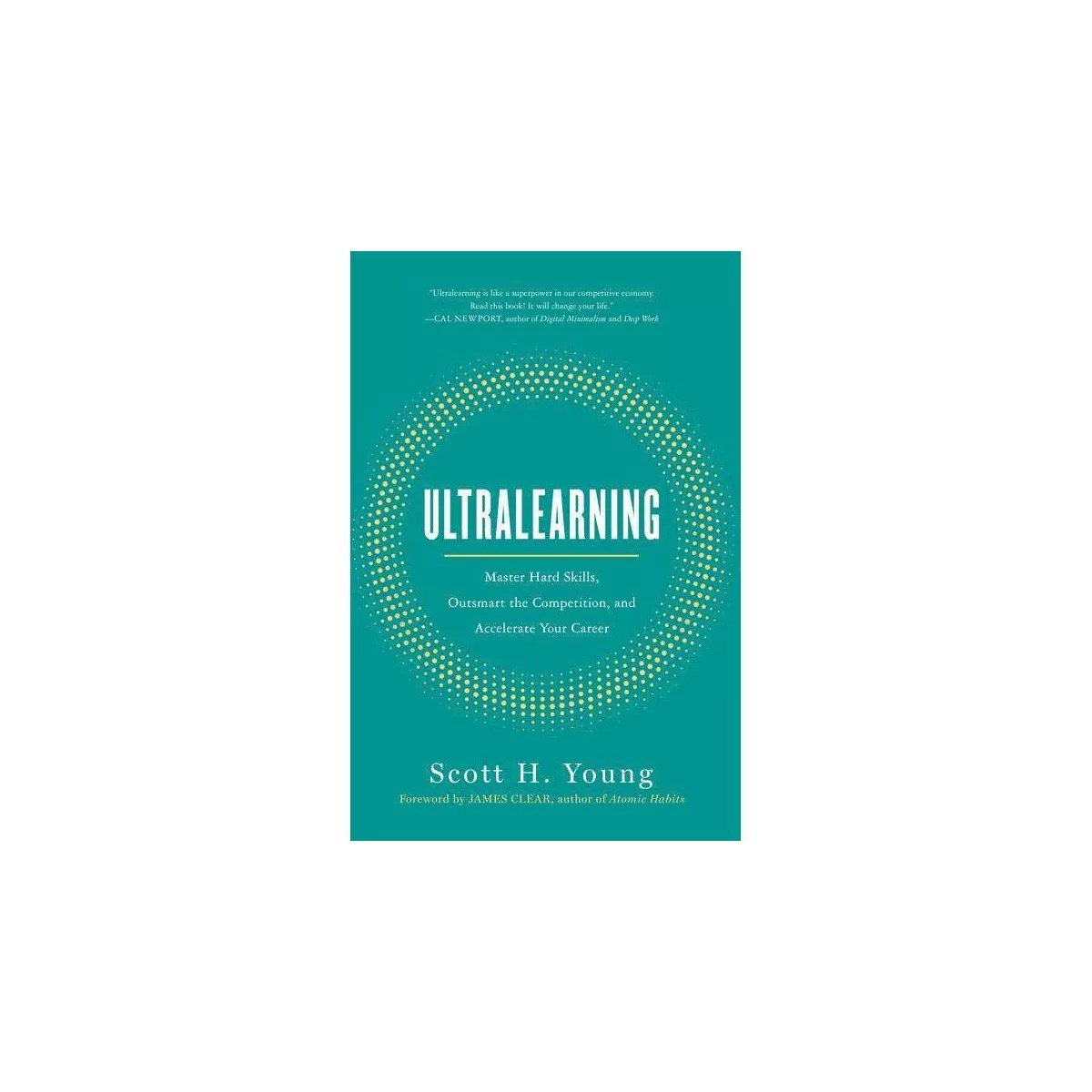
Ultralearning – by Scott H Young (Hardcover)
Target, $19.00
Start here before you enroll anywhere. Scott Young taught himself the MIT computer science curriculum in a year and learned four languages in another, and this book reverse engineers how: choose one skill, learn it in intense focused bursts, drill the weak points directly, and get feedback fast. Read it and you will vet every course syllabus differently, because you will know which parts of learning a course can give you and which parts only you can do.
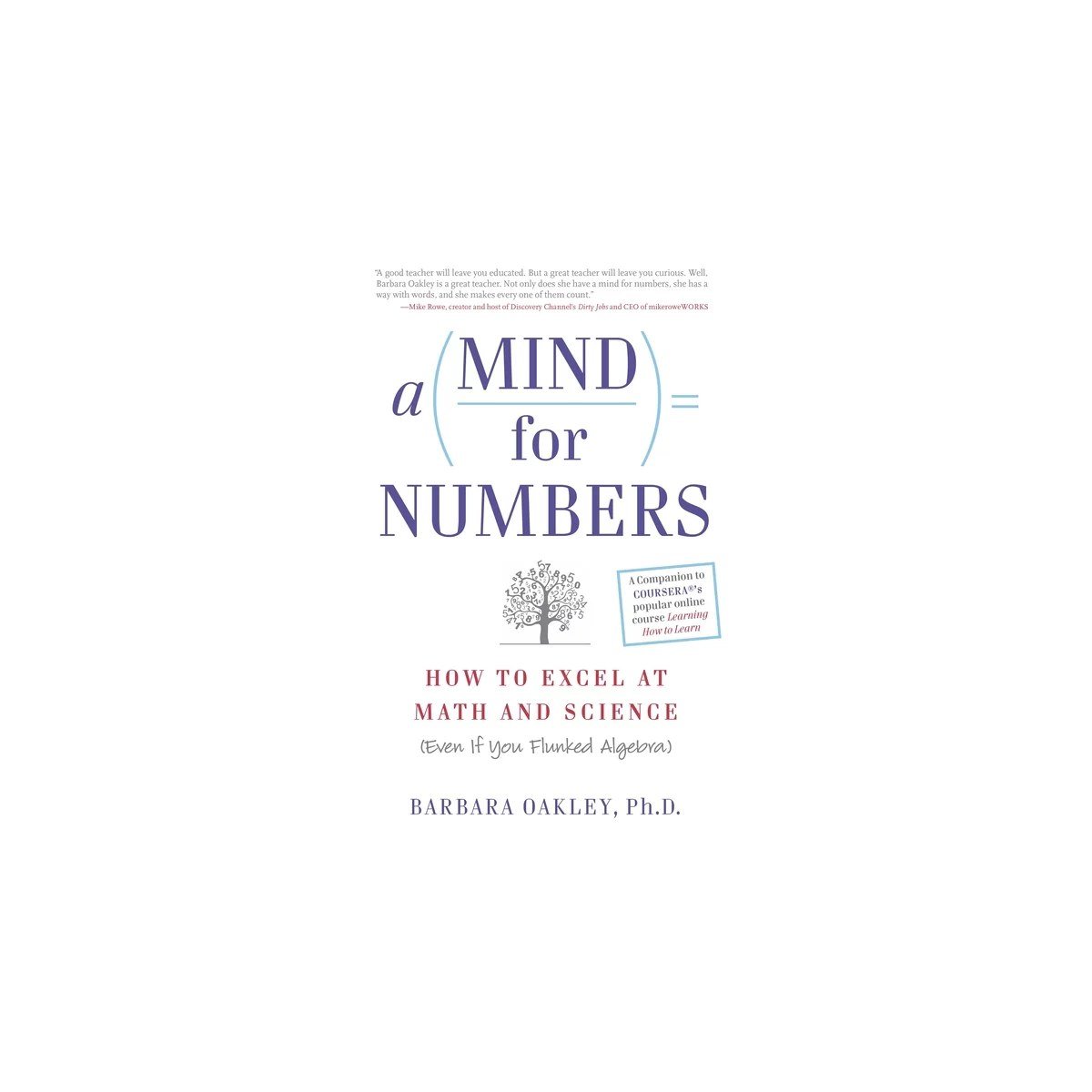
A Mind for Numbers – by Barbara Oakley (Paperback)
Target, $11.48
Barbara Oakley failed math at school, then became an engineering professor, and she also created one of the most taken online courses in the world, Learning How to Learn. Her book explains focused and diffuse thinking in plain language, and why stepping away from a problem is part of solving it. It is the friendliest possible proof that being bad at a subject is usually a strategy problem, not a talent verdict.
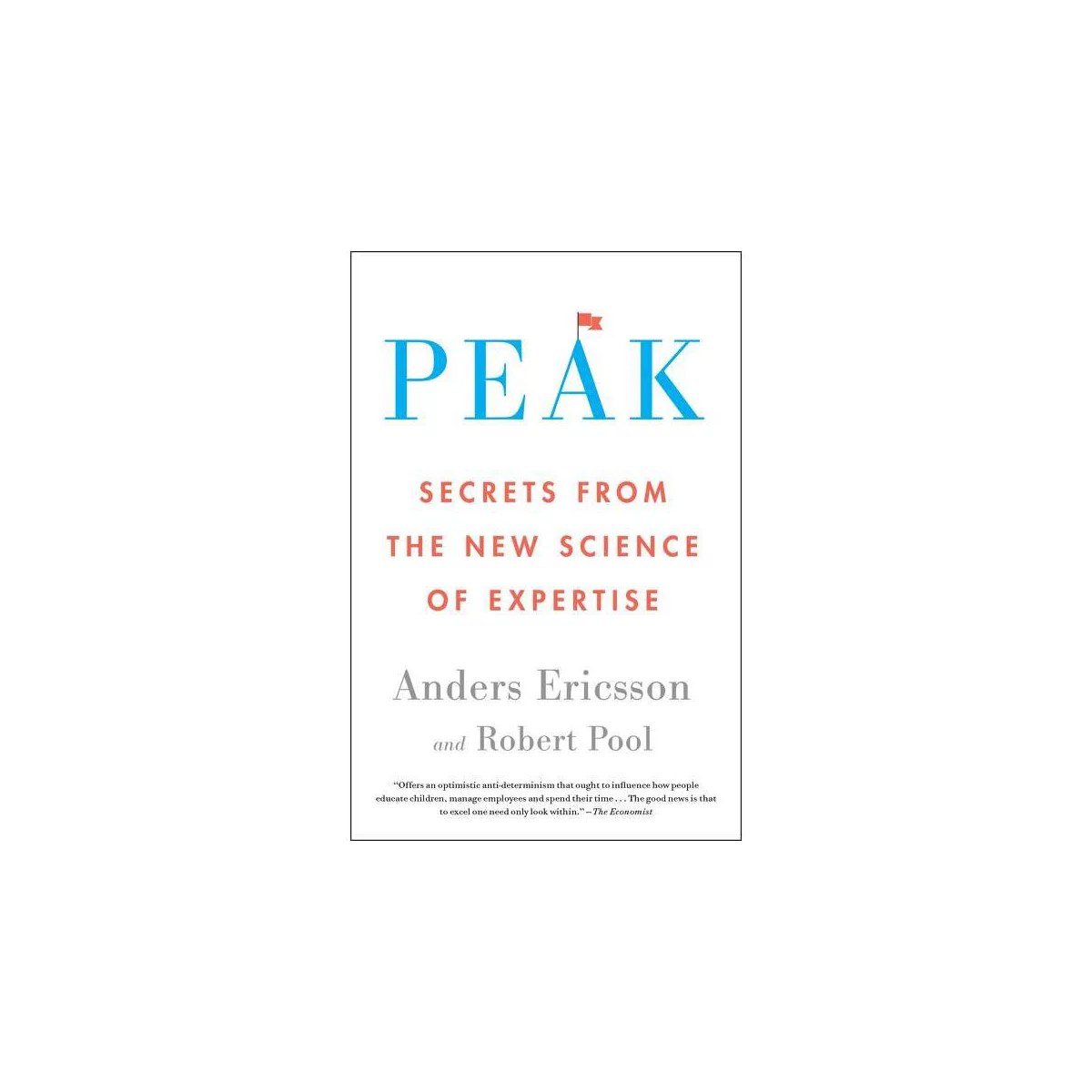
Peak – by Anders Ericsson & Robert Pool (Paperback)
Target, $11.99
The research behind the famous 10,000 hours idea, explained by the scientist who actually did it. The real finding is more useful than the slogan: experts are built by deliberate practice, which means working at the edge of your ability with a clear target and immediate feedback. When a course promises mastery from watching videos alone, this book is why you should smile and keep scrolling.
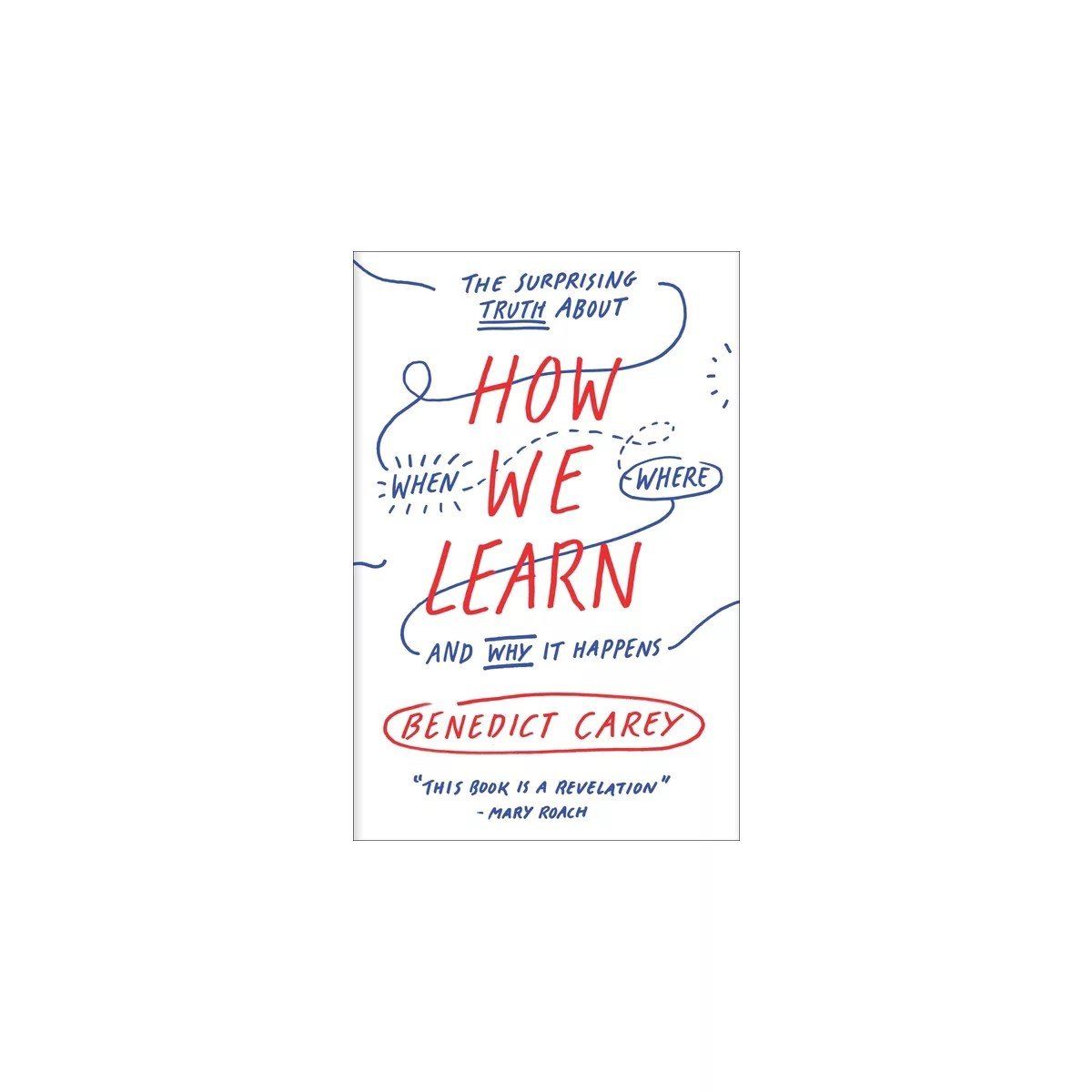
How We Learn – by Benedict Carey (Paperback)
Target, $12.11
A science reporter walks through the surprising research on memory: forgetting helps learning, mixing up your practice beats repeating one thing, and where and when you study changes what sticks. It reads like a series of small revelations, and it quietly rewires how you will use any course you take, turning passive watching into sessions your memory can actually keep.

Build the Practice That Finishes
A well chosen course still asks something of you: practice that is deliberate rather than comfortable, and perseverance that survives the dull middle weeks. These three books are the training partners. One maps how talent is actually grown, one explains why some people keep going, and one hands you techniques you can use in tonight’s lesson. Choose the course with your head, then finish it with these.
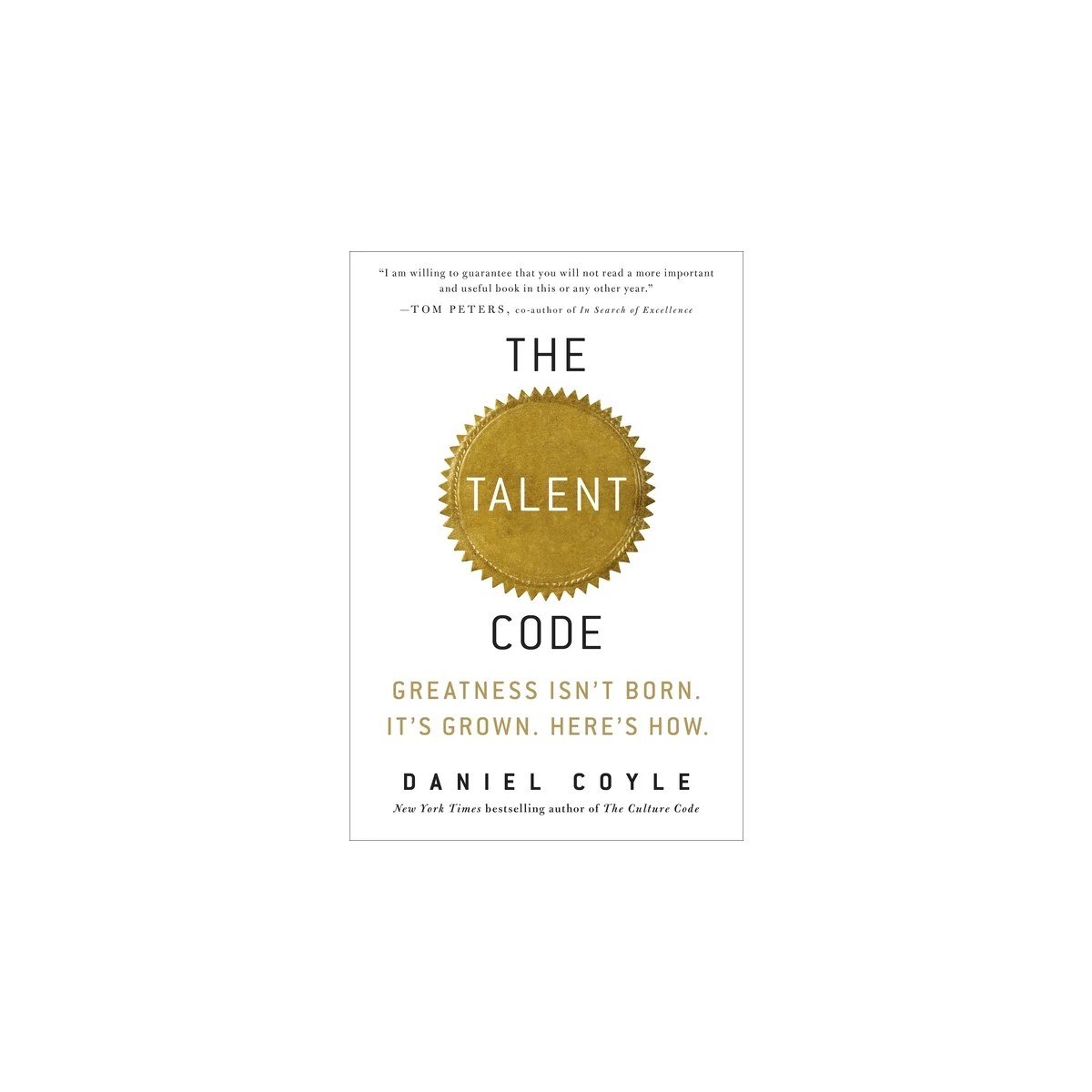
The Talent Code – by Daniel Coyle (Hardcover)
Target, $16.55
Daniel Coyle visited the tiny places that produce outsized talent, from a run down tennis academy to a Brazilian soccer school, and found the same pattern everywhere: deep practice, ignition, and master coaching. For course shoppers the lesson is gold. Look for teachers who coach in small correctable steps, not lecturers who perform at you, and choose the course built that way.
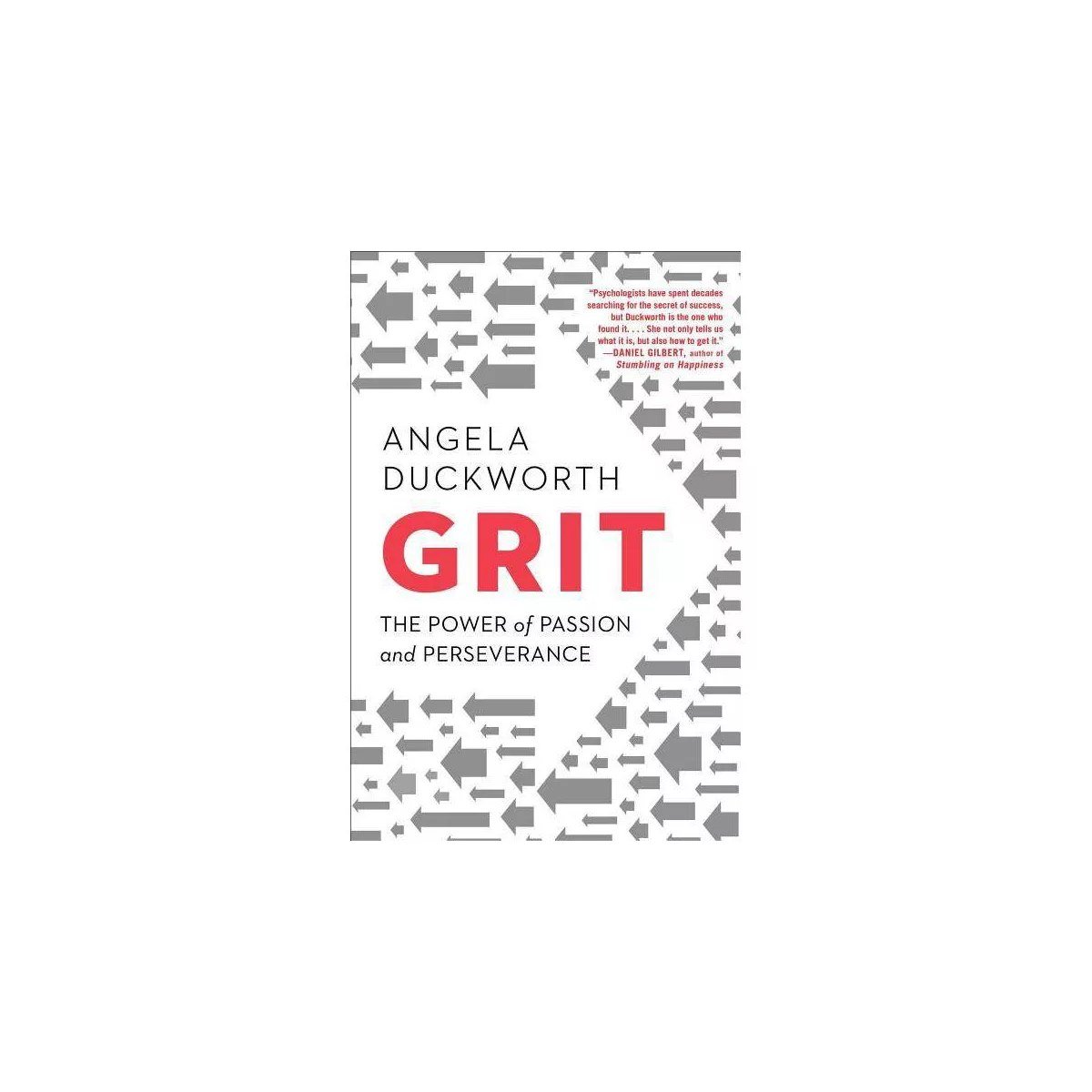
Grit – by Angela Duckworth (Hardcover)
Target, $17.17
Most courses are not abandoned because they are bad. They are abandoned in week three, when the novelty ends and the work begins. Angela Duckworth's research on passion and perseverance explains why effort counts twice, and how interest deepens through practice rather than before it. Keep this one by the laptop for the exact week your motivation goes quiet.
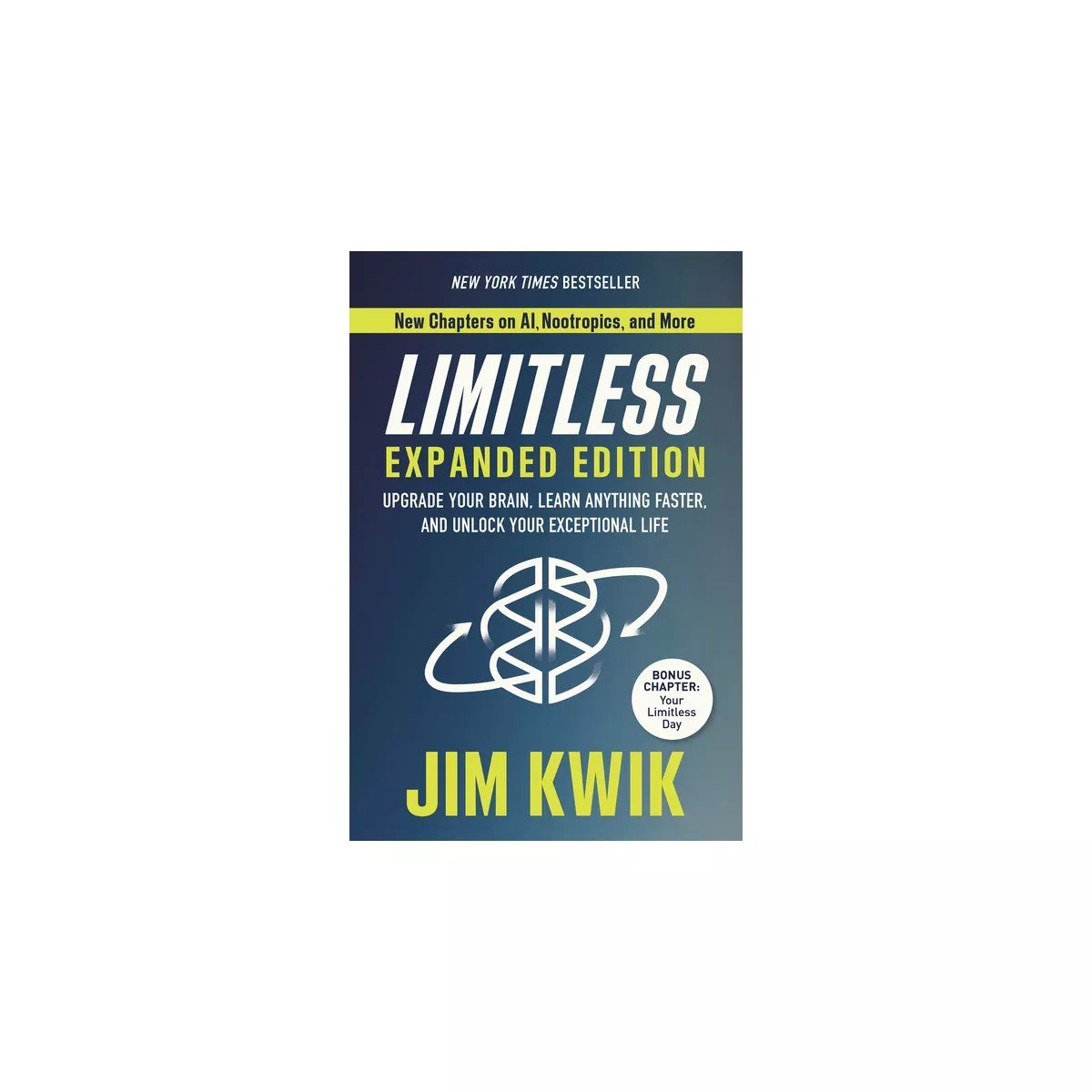
Limitless Expanded Edition – by Jim Kwik (Paperback)
Target, $17.55
Jim Kwik rebuilt his own learning after a childhood brain injury left him labeled slow, and became the memory coach executives call. The expanded edition covers his method for reading faster, remembering names and lessons, and thinking clearly under pressure. It is the most immediately practical book in this edit: techniques you can apply to tonight's lesson, not just theory about learning in general.

Vet the Course Before You Enroll
Now the choosing itself. Read the syllabus the way these two books teach you to read it. Does the course build knowledge step by step, or does it promise shortcuts around the foundations? Does it ask you to retrieve, practice and produce, or only to watch? Is the instructor a practitioner who can show the work, with a curriculum you can inspect before you pay? And does it respect your mindset, treating difficulty as the mechanism of learning rather than a defect to be edited out? A course that passes those questions is worth your money. One that fails them is entertainment wearing a graduation gown, and your commonplace book will get more from an honest book instead.
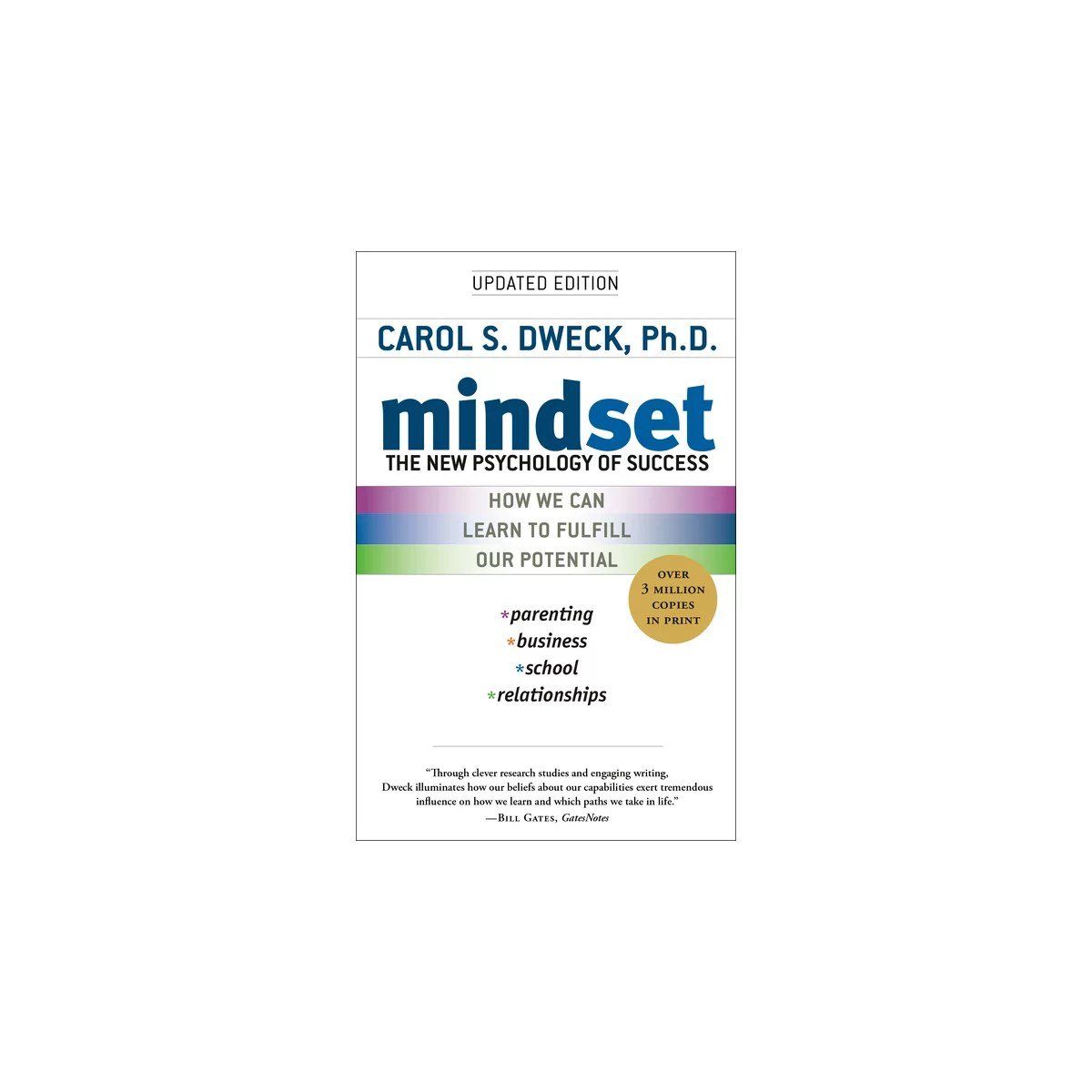
Mindset (Reprint) (Paperback) by Carol S. Dweck
Target, $10.65
The classic on fixed and growth mindsets, and the filter to run before any enrollment. A fixed mindset shops for courses that promise to make learning painless; a growth mindset shops for courses that promise honest difficulty with support. Carol Dweck's work explains why the second kind is the only kind that changes you, and why struggle inside a good course is a feature, not a flaw.
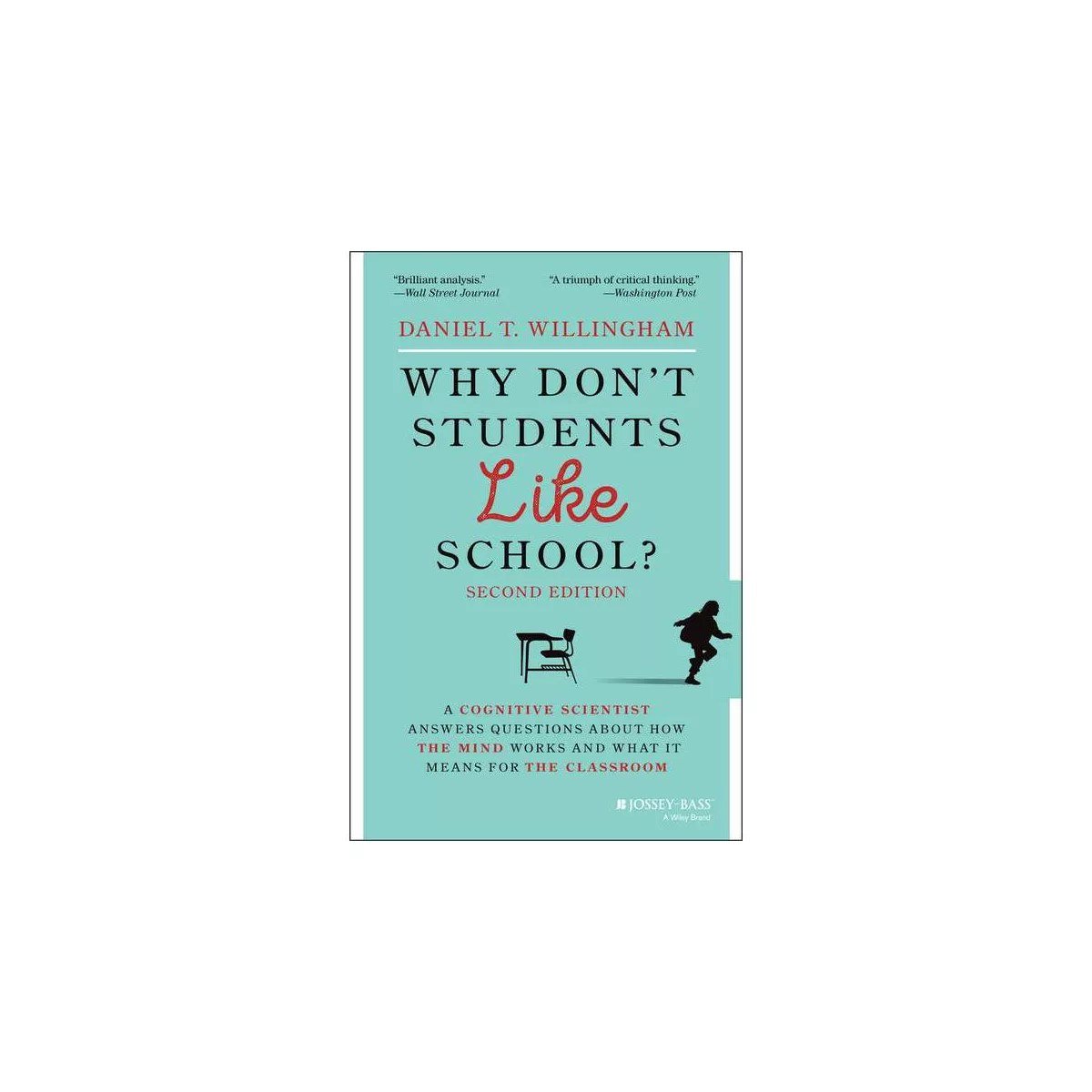
Why Don't Students Like School? – 2nd Edition by Daniel T Willingham (Paperback)
Target, $15.09
A cognitive scientist answers nine questions every learner should ask, including the one that matters most when you shop: how does memory actually work, and does this course respect it? Willingham shows that thinking well requires knowledge in memory, not just skills in the abstract. A course that builds knowledge step by step will beat a flashier one that skips the foundations, every time.

The Takeaway
The best course is not the most famous one, the longest one, or the one on sale this weekend. It is the one built the way learning actually works, taught by someone who can show the work, and finished by a student who chose it on purpose.
Learn how learning works once, and you will never buy a course the same way again.
This article contains affiliate links. If you buy through them, we may earn a small commission at no extra cost to you. Thank you for supporting Elegant & Driven.