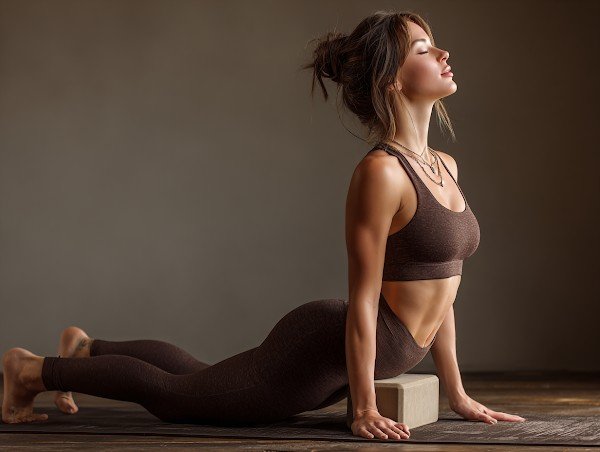

Twenty minutes is the most useful lie we tell ourselves about exercise, except that this time it happens to be true. No commute to a gym, no machine to wait for, no bag to pack: a clear patch of floor, a mat if you have one, and five movements done with care will strengthen the legs, back, shoulders and core that carry you through the rest of your life. The secret is not intensity. It is a circuit simple enough to remember, gentle enough to repeat, and structured so that every level, from first week to fifth year, has somewhere honest to work.
Here is the whole plan: the twenty minute circuit itself, move by move, with an easier and a harder version of each exercise, and then the small edit of tools that makes a zero equipment workout feel considered rather than improvised. Nine picks in three groups: four mats that make floor work welcoming, three band sets that add resistance without a single weight, and a block and a strap for support and a proper cool down. It pairs naturally with our strength training framework for beginners, which explains why muscle matters more with every decade, and with the habit in our desk stretches routine on the days when work keeps you seated.
The Twenty Minute Circuit: Five Moves, Three Rounds
Set a timer and work in rounds. Each move gets forty seconds of work and twenty seconds to breathe and change position, and you complete the five moves three times, with a minute of easy walking around the room between rounds. Move one, the squat: feet hip width, sit the hips back and down as if a chair were just behind you, then stand tall. Easier: squat to a chair and touch it lightly each time. Harder: slow the lowering down to a count of three. Move two, the push up: hands under shoulders, body in one long line. Easier: hands on a wall or a kitchen counter. Harder: from the floor, or with a three second pause at the bottom. Move three, the glute bridge: on your back, feet flat, lift the hips until knees, hips and shoulders form a line, and squeeze at the top. Easier: a smaller lift. Harder: march one foot at a time while the hips stay level.
Move four, the bird dog: on hands and knees, slide one arm forward and the opposite leg back until both are long, pause, and return with control. It trains the deep core and the back together, and the wobble is the work. Easier: move only the arm or only the leg. Harder: draw a small square in the air with the extended hand. Move five, the plank hold or dead bug: choose the plank on forearms for forty seconds, knees down if you need to, or the dead bug on your back, lowering opposite arm and leg while the lower back stays gently pressed to the floor. Finish with two unhurried minutes: calf stretch against a wall, a standing thigh stretch holding a chair for balance, and a chest opener in a doorway. A note of care that matters: this circuit is education, not medical advice. Move gently, stop if anything hurts sharply, and if you are returning from an injury, are pregnant, or manage a condition, your own doctor or physiotherapist should shape the plan before you begin.
Start With the Surface: Mats That Make Floor Work Welcoming
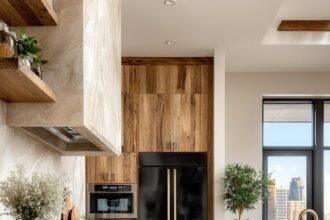
A zero equipment workout still happens somewhere, and that somewhere decides whether you repeat it. Hardwood is honest but unforgiving under knees and forearms, and a rug slides exactly when a plank asks it not to. A proper mat, at least 5mm thick, is the one foundation worth choosing well: cushion for the joints, grip for the hands, and a defined rectangle of floor that tells your brain the next twenty minutes belong to you. Four mats follow, from a rich burgundy value pick to two design led Yune mats, all in colours that belong in an elegant room rather than a locker room. Unroll it in the kind of room you actually want to spend time in, the way the living rooms in our homes invite movement when the furniture is pushed back and the light is good.

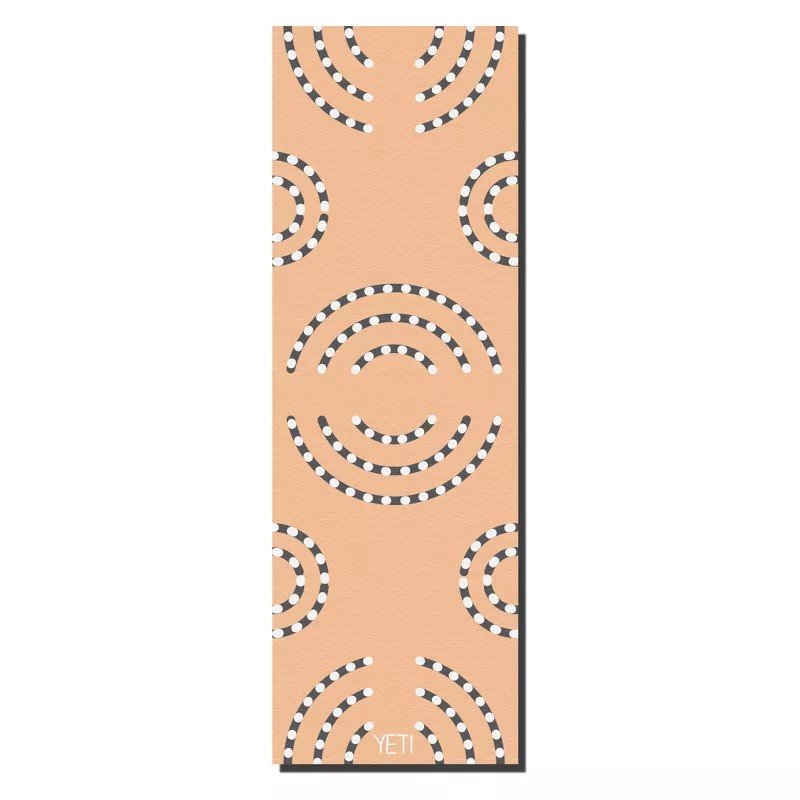
Yune Yoga Mat, Terracotta (6mm)
Yune Yoga at Target, $59.99
The mat that makes the corner of a living room feel like a studio. At 6mm it cushions knees, elbows and hip bones through every floor move in the circuit, and the terracotta tone with its dotted semicircle pattern reads warm and designed rather than gym issued. If the room has to invite you back tomorrow, start here.
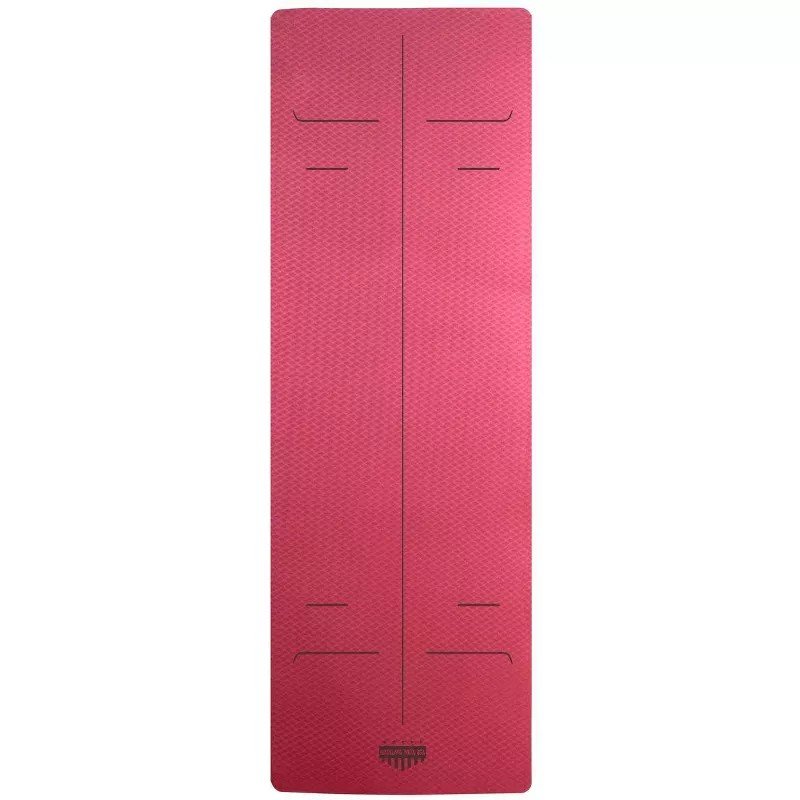
Himalaya TPE Yoga Mat, Burgundy (6mm)
Himalaya Yoga USA at Target, $22.99 (sale, was $25.49)
The burgundy pick, and the best value in this group. The alignment lines printed into the surface quietly coach hand and foot placement in planks and lunges, while the 6mm TPE gives the same joint kindness as mats at twice the price. Deep, rich colour, honest cushioning, and currently on sale.
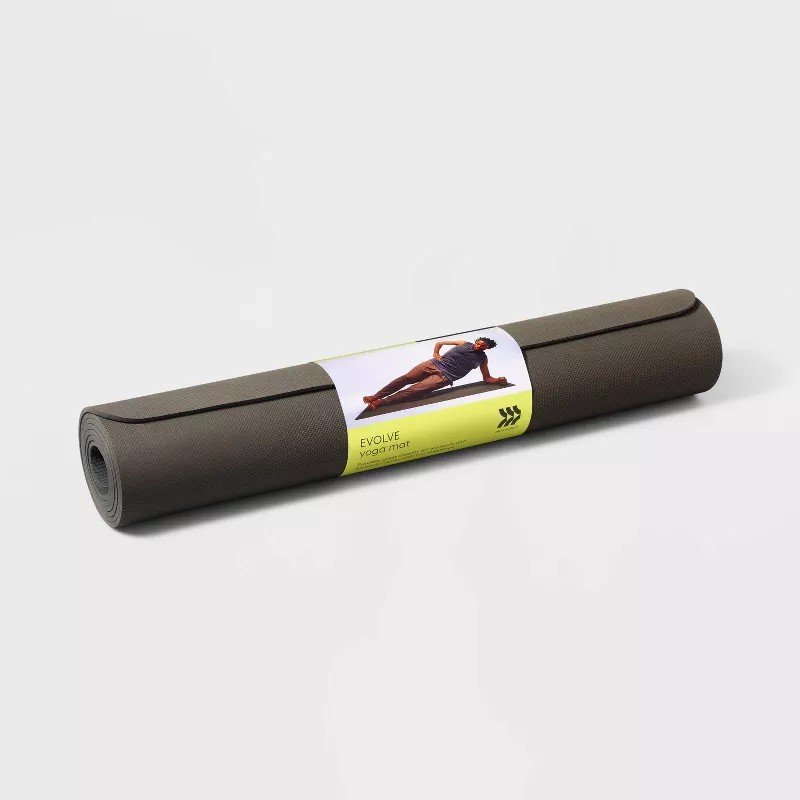
Yoga Mat TPE Brown (5mm), All In Motion
All In Motion at Target, $25.00
For the home where the workout has to disappear afterwards. This dark brown mat rolls up in seconds, looks calm leaning in a corner or stored in a basket, and the 5mm surface is firm enough for balance work in standing moves. A practical, good looking base for small spaces and shared rooms.
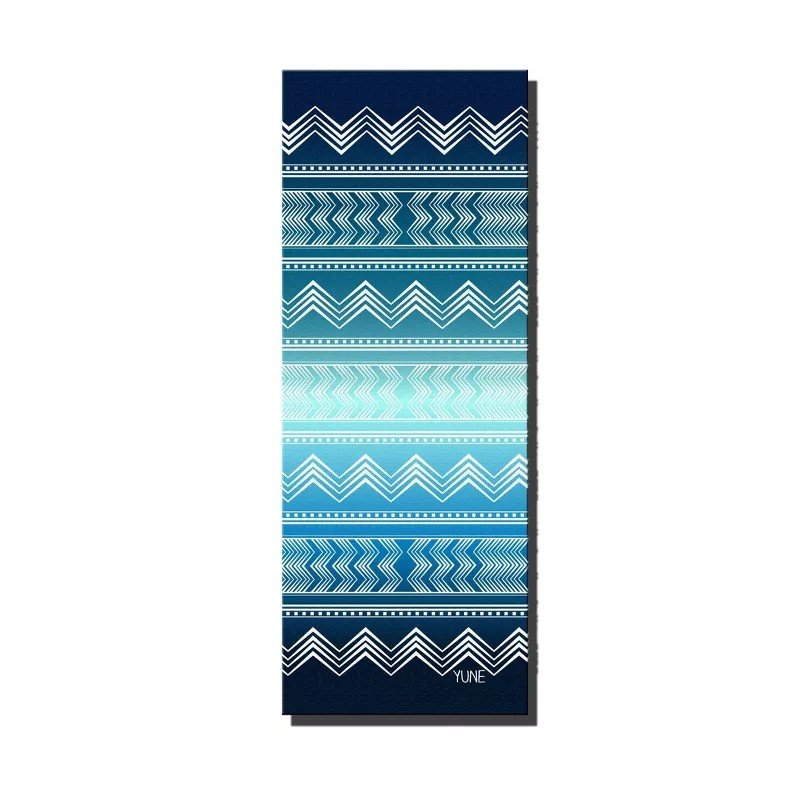
Yune Yoga Mat, The Diamond (6mm)
Yune Yoga at Target, $59.99
The statement mat: a navy to teal ombre with a white diamond pattern that earns its place left unrolled. Beyond the looks, the 6mm thickness is the point for a bodyweight routine, because bridges, bird dogs and side planks all ask something of your forearms and knees. Beautiful enough to live in the room, useful enough to justify it.
Bands: Resistance Without a Single Weight
Bodyweight builds the foundation, and bands are how the same five moves keep progressing once your own weight stops being enough. A loop above the knees turns a squat into serious glute work. A flat band anchored in a door adds the pulling movements, rows and presses, that push ups alone cannot give you, which matters because posture lives in the back. And unlike weights, bands live in a drawer, travel in a carry on, and ask nothing of your floor space. Three sets follow: the physiotherapist staple for beginners, a six loop kit that covers years of progression, and a handled tube set for the day the circuit starts to feel easy. On rest days, the gentlest companion to all of this is the walk in our walking after meals piece, because recovery is part of the program, not a break from it.
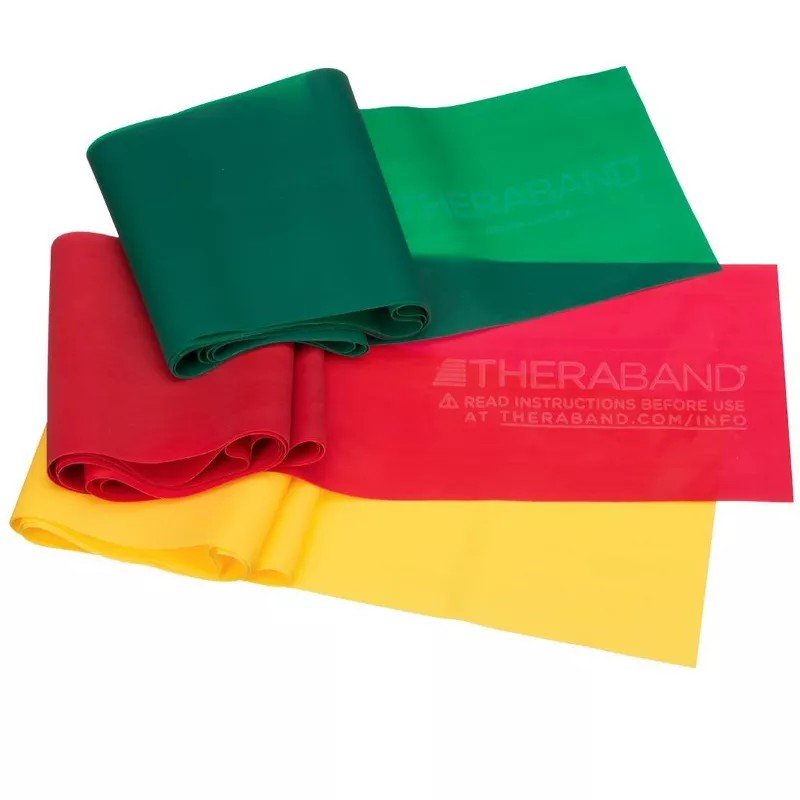
THERABAND Resistance Bands Set, Yellow/Red/Green, Beginner, Non-Latex
TheraBand at Target, $13.71
The physiotherapist staple, in a beginner set that grows with you. Three flat bands in graduated resistances turn a bodyweight row, a chest press against a door, or a glute bridge into progressive strength work, and they fold into a drawer when you are done. Non latex, gentle to handle, and the easiest progression tool in this article.
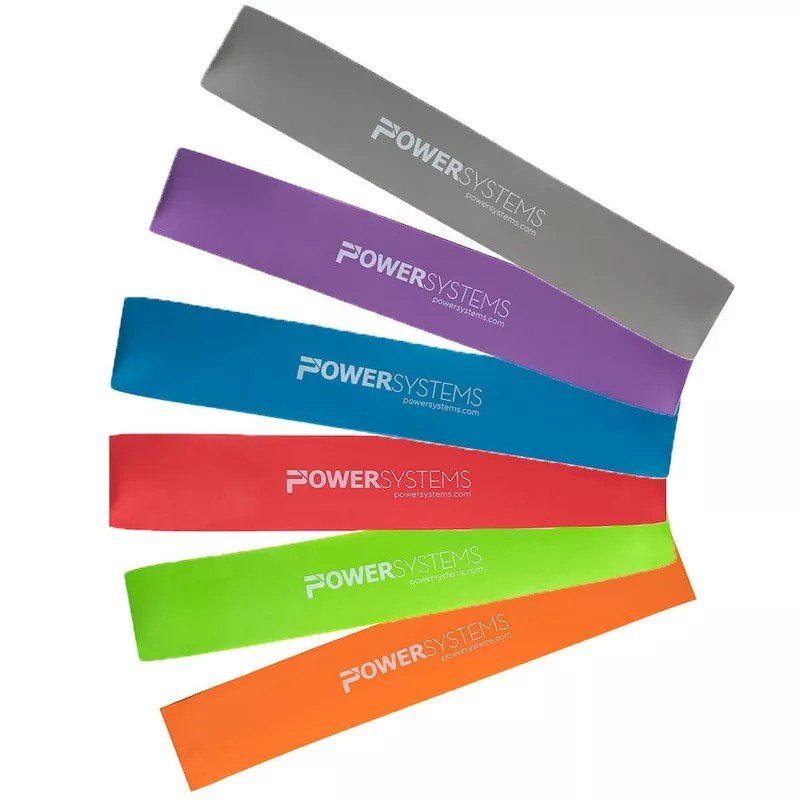
Power Systems 12 Inch Versa Loop Resistance Bands, All Resistance Kit
Power Systems at Target, $23.50
Loops are the bands a bodyweight circuit actually calls for: above the knees for squats and bridges, around the wrists for shoulder work, under a foot for dead bugs. This kit covers a wide resistance range in six colour coded loops, so the same twenty minutes can stay gentle in month one and genuinely challenging by month three.
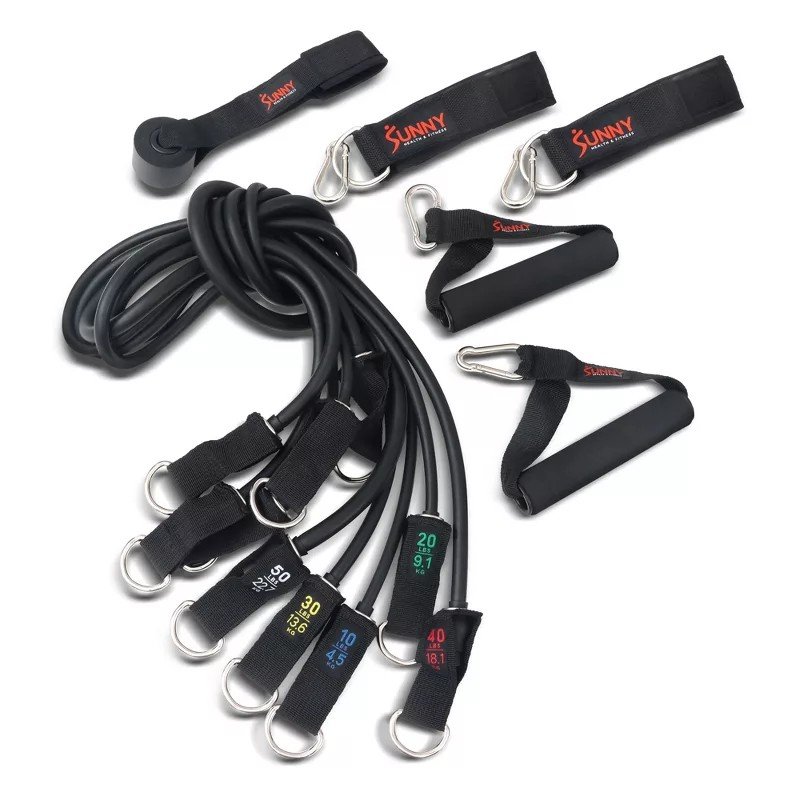
Sunny Health and Fitness Resistance Tube Set
Sunny Health and Fitness at Target, $39.99
When the circuit starts to feel easy, tubes with handles are the next step that still is not a weight. Anchor them in a door for rows and presses, clip on the ankle straps for kickbacks, and the upper body work gains real resistance without a single dumbbell entering the house. Only a couple of sets were left in stock at verification.
Support and Cool Down: The Two Minutes That Protect Tomorrow
Most home workouts are abandoned not in the hard middle but in the sore morning after, which is why this article ends where good sessions end: support and stretching. A yoga block brings the floor closer in lunges and bridges, so form stays honest when flexibility is still arriving, and a long strap turns the final hamstring and calf stretches into something you can actually relax into. Two minutes with these two simple tools, breathing slowly, is the difference between waking up encouraged and waking up negotiating. Sleep does the rest of the repair work, and our sleep ritual guide is the right next read if your evenings need the same calm structure as your mornings.
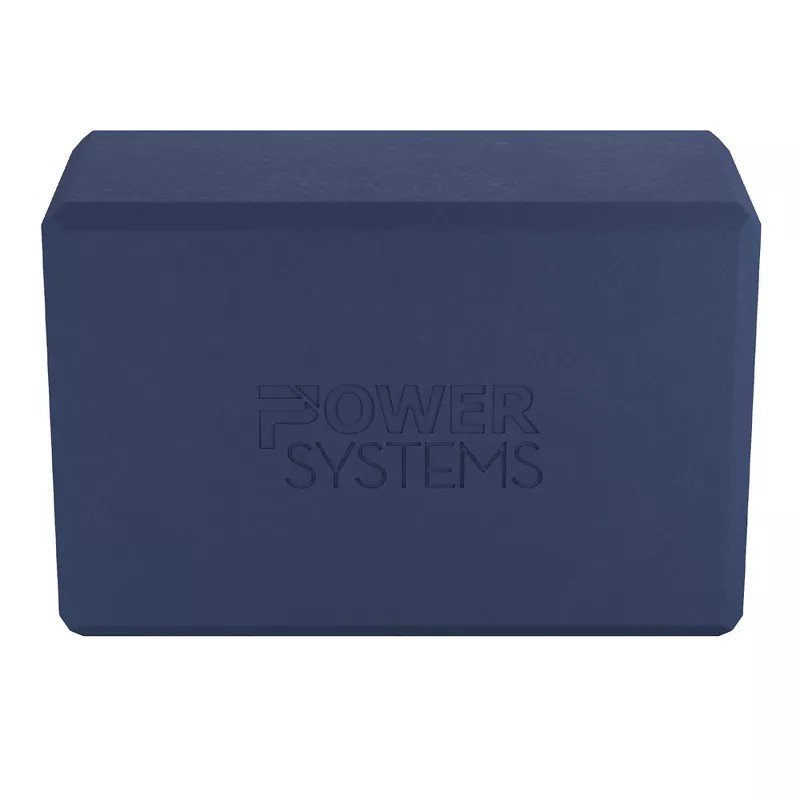
Power Systems Lightweight Yoga Block, Navy
Power Systems at Target, $16.50
A block is how a stretch meets you where you are. Slide it under a hand in a lunge, between the thighs in a bridge to wake up the inner leg, or under the head in the cool down, and every position gets more honest. This lightweight foam version in navy is firm, simple, and kind to floors.
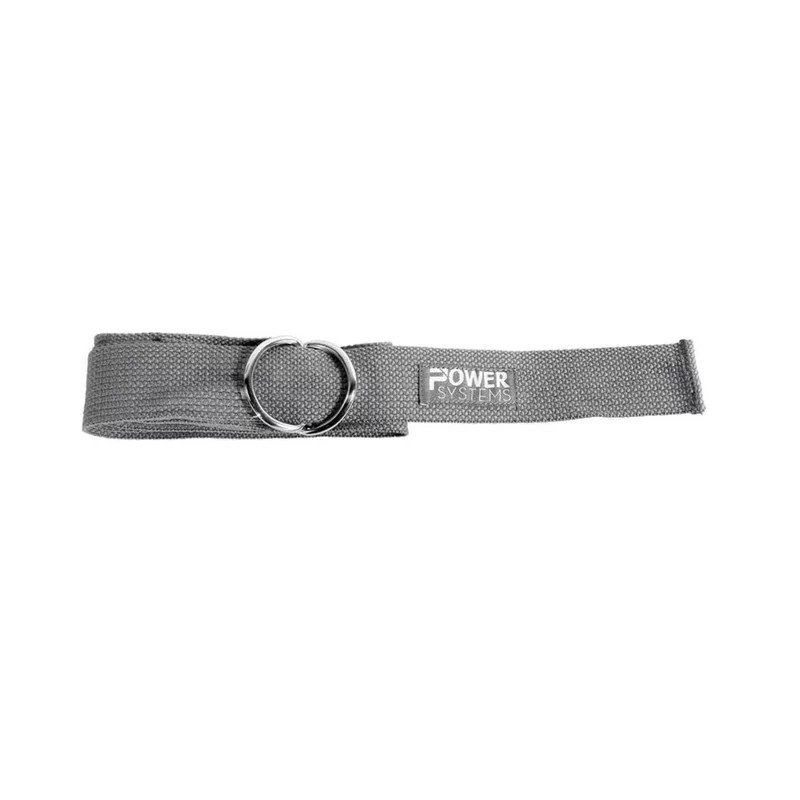
Power Systems 8ft Yoga Strap with D-Ring
Power Systems at Target, $17.99
The cool down tool that finishes the workout properly. Loop this eight foot cotton strap around a foot for the hamstring and calf sequence, and the stretch lands in the muscle instead of rounding your back to reach. It also earns its keep in shoulder openers between rounds. Small, inexpensive, and used every single session.
Start with three sessions a week, on days that already have a rhythm: Monday, Wednesday, Friday, or whichever three your calendar will actually protect. Keep the easier version of any move for as long as it serves you, because a perfect gentle circuit done for a year will do more than an ambitious one abandoned in February. Add the mat when the floor starts arguing, the bands when the moves start agreeing too easily, and the block and strap from the very first week, because the cool down is not optional decoration. Twenty minutes, three times a week, in your own living room: that is a strength practice most full lives can genuinely keep.
The best workout is not the hardest one you can survive once. It is the gentle, honest one still on your calendar a year from now.
Elegant and Driven is reader supported. When you buy through links on our site, we may earn an affiliate commission. Our editorial choices come first, always.