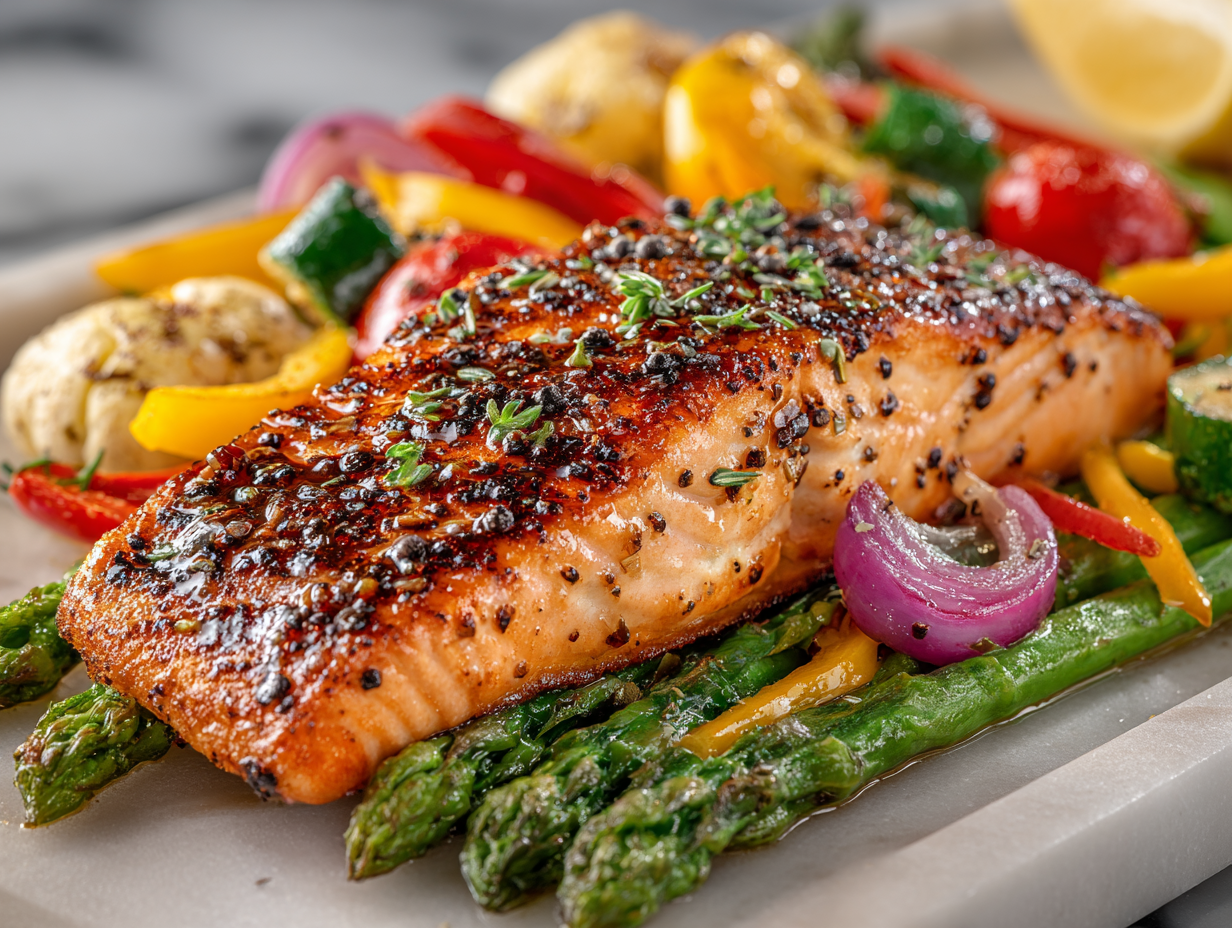

Every food culture in the world arrived at the same quiet discovery: leave good ingredients alone with salt, time, and the right bacteria, and they become something better than they started as. Yogurt, kefir, kimchi, sauerkraut, kombucha: these are not wellness inventions, they are old foods that modern nutrition keeps circling back to, because a diet that regularly includes live, fermented foods is one of the simplest and most pleasurable ways to look after the gut. This article is the practical companion to our guide to why the gut sits at the center of everything: that piece explains the science, and this one simply shops it, with ten real picks worth trying first.
A gentle note before the edit: fermented foods are foods, not medicine, and this article is education, not medical advice. Start small, a few spoonfuls or a small glass a day, and let your system adjust over a week or two, because a sudden flood of any new food is unkind to anyone. Look for the words raw, unpasteurized, or live cultures where they apply, keep refrigerated jars refrigerated, and pair these picks with the fiber rich staples in our fiber gap guide, because the bacteria you feed in are happiest when the rest of the plate feeds them too. Ten picks follow in three groups: four drinks to start with, three cultured classics for the fridge door, and three tools for readers who would rather make their own.
Start With a Sip: Kefir and Kombucha
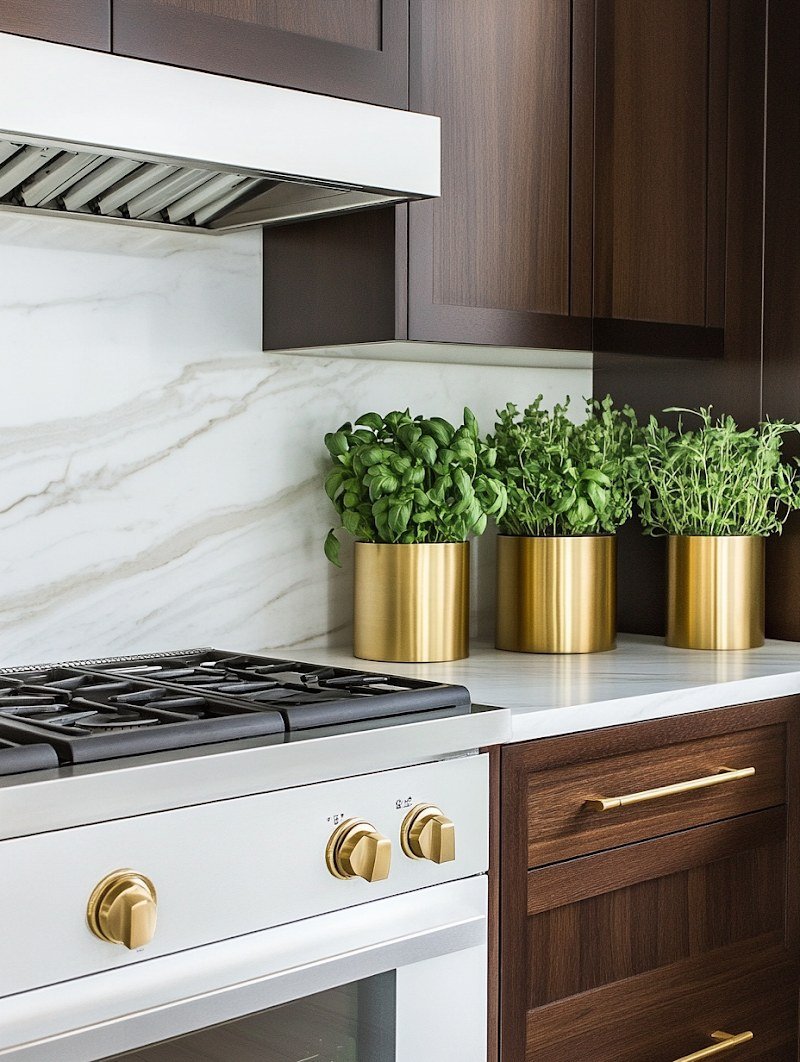
Drinks are the lowest friction way into fermented foods, because they ask for no cooking, no new recipes, and no acquired taste heroics. Kefir is the place to begin: a cultured milk, thinner than yogurt and milder than most people expect, traditionally made with a wider family of cultures than yogurt carries. Kombucha is its sparkling counterpart, tea fermented into something bright and lightly fizzy that behaves like a soft drink for adults. Choose one of each, keep them cold, and make the small daily glass a ritual rather than a resolution: with breakfast, with lunch, in the kind of beautiful kitchen where good habits feel easy to keep.


Liberté 1% Kefir, Drinkable Yogurt, Plain, 1 L
Liberté at Walmart (CA), CA$5.28
The gentlest place to begin, and the bottle to buy first. Liberté is a Canadian dairy name, and this plain 1 percent kefir pours like a thin yogurt with a clean, mild tang that suits beginners: drink a small glass at breakfast, blend it into a smoothie, or whisk it into salad dressings in place of buttermilk. A full litre at this price makes the daily habit easy to keep.
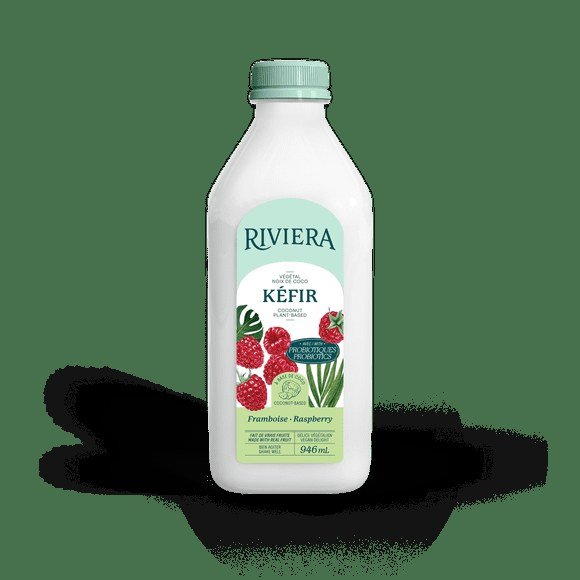
Maison Riviera Probiotic Plant Based Kefir, Raspberry, 946 mL
Maison Riviera at Walmart (CA), CA$7.48
The plant based option in the kefir pair, for anyone who does not drink dairy. Maison Riviera cultures this kefir style drink and flavours it with raspberry, so it reads as a treat rather than a tonic, pretty in a glass and easy over ice. Keep it as the afternoon alternative to a second coffee, and let the plain bottle above do the morning work.

G. T.’s Synergy The Real Kombucha Trilogy
G. T.’s Synergy at Walmart (CA), CA$11.97
The kombucha that started the category, in its Trilogy blend. Synergy is raw and unpasteurized, with the lively fizz and gentle bite that make kombucha feel like a grown up soda: pour it over ice in a good glass, with lunch, and it holds its own beside food the way wine does. The larger bottle suits sharing, or a few unhurried glasses across the week.
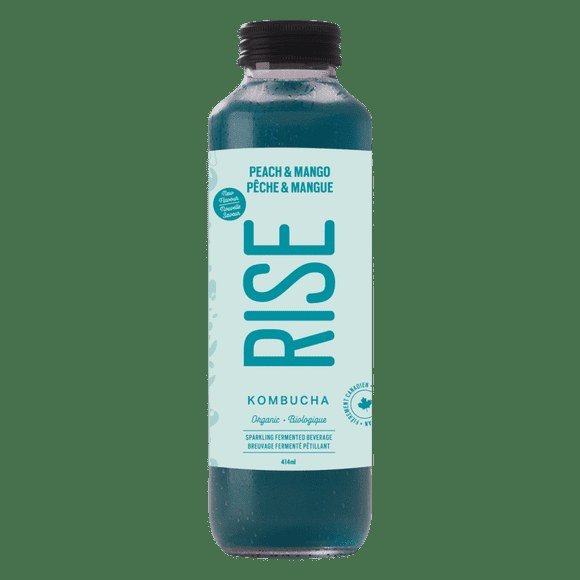
Rise Peach and Mango Organic Kombucha, 414 mL
Rise at Walmart (CA), CA$3.97
The single serving bottle, and the friendliest first kombucha in this edit. Rise is a Canadian kombucha maker, and the peach and mango flavour softens the ferment tang with fruit, so new drinkers taste refreshment first and education second. At under four dollars, it is the low commitment way to find out whether kombucha belongs in your fridge at all.
The Cultured Classics: Yogurt, Sauerkraut and Kimchi
If the drinks are the introduction, these three are the working pantry. Plain Greek yogurt is the most versatile fermented food in the modern kitchen: breakfast, sauce base, marinade, and dessert, all from one tub, with protein that the drinkable picks cannot match. Sauerkraut and kimchi do a different job: they are condiments with character, small amounts eaten often, bringing crunch, acidity, and live cultures to plates that would otherwise have none. Together they follow the same principle as the staples in our anti inflammatory pantry: a few honest jars, bought well, used daily, and replaced before they run out.

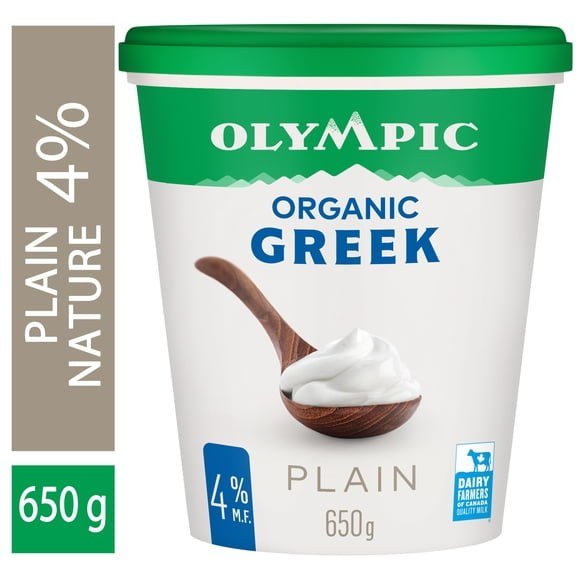
Olympic Organic Greek Yogurt, Plain 4%, 650g
Olympic at Walmart (CA), CA$6.47
The everyday classic, and the one fermented food most kitchens already half own. Olympic strains this organic Greek yogurt to a proper thickness, and the plain 4 percent version carries enough richness to stand in for sour cream, soften curries, and anchor a breakfast bowl with berries and nuts. Plain is the point: the cultures do the work, and you add the flavour yourself.
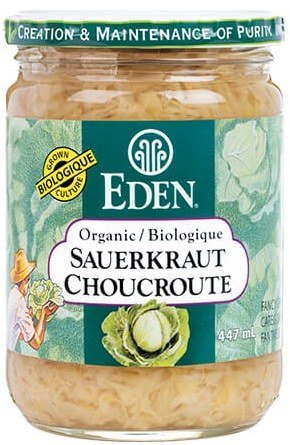
Eden Organic Sauerkraut, 447 mL
Eden at Well.ca, CA$8.29
Real sauerkraut is only cabbage, salt, and time, and Eden keeps it that simple: organic cabbage, fermented the traditional way, with a clean crunch and a bright, honest sourness. A forkful beside eggs, on a grain bowl, or next to rich roasted meats adds the contrast that makes a plate feel awake. Start with a spoonful a day and let your taste adjust gradually.
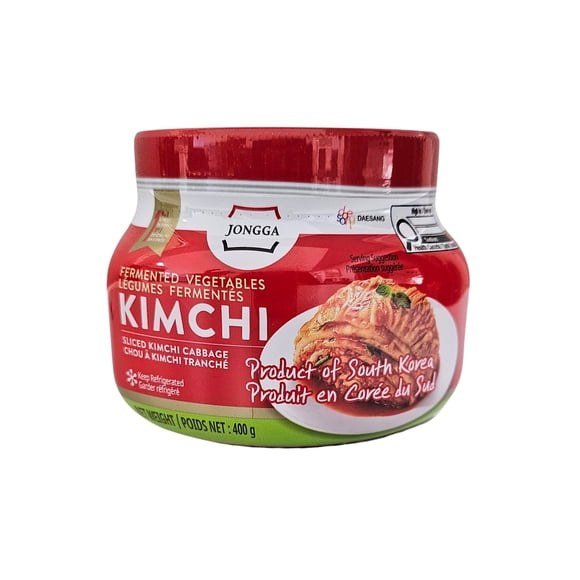
Jongga Brand Mat Kimchi (Salted And Fermented Vegetables), 400g
Jongga at Walmart (CA), CA$5.47
The bold one, for readers ready to go further than yogurt. Jongga is one of Korea’s best known kimchi makers, and this mat kimchi brings heat, garlic, and deep ferment flavour in a 400 gram jar that lasts: chop it into fried rice, fold it through eggs, or serve a small pile beside grilled fish. A little goes a long way, which is exactly how kimchi is meant to be eaten.
Make Your Own: Fermenting at Home
At some point, regular buyers of good kraut and yogurt start doing the arithmetic, and then they start doing the fermenting. Home fermentation is genuinely simple: vegetables, salt, a clean vessel that lets gas out and keeps air off, and patience. The three tools below cover the whole arc, from a starter kit that upgrades the mason jars already in your cupboard, to a handmade stoneware crock for proper batches, to a yogurt maker that holds the steady warmth yogurt cultures need. A home ferment shelf pairs beautifully with the oils and jars of our healthy fats edit, because a finished ferment loves a drizzle of good olive oil and a beautiful bowl.

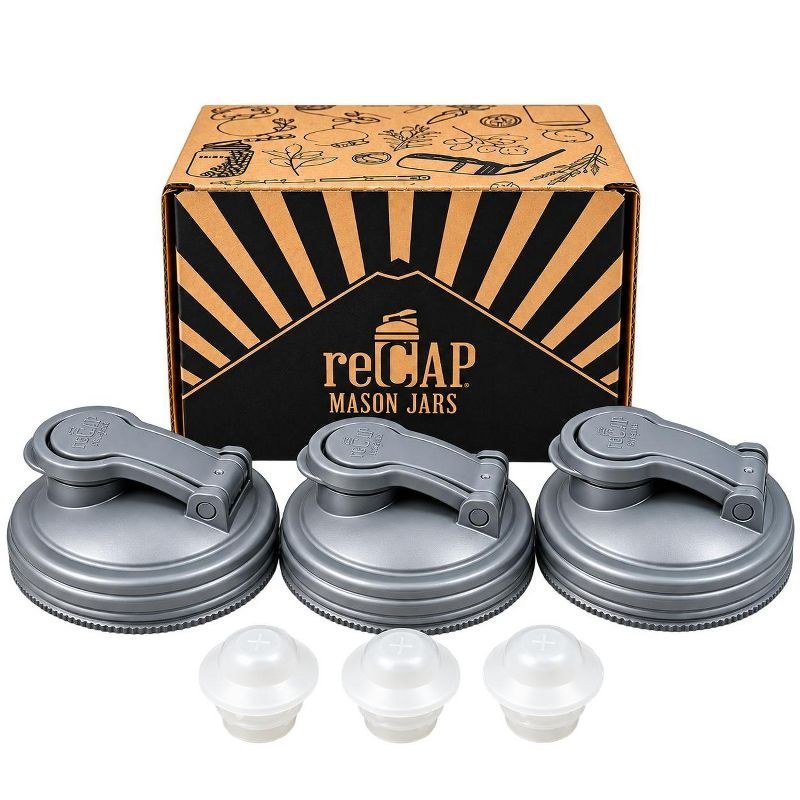
reCAP Mason Jar Fermentation Starter Kit, 6-Piece Wide-Mouth DIY Fermenting Set with Carry-Loop Pour Lids, Waterless Airlock Stoppers
reCAP at Target, $49.99
The beginner kit that turns jars you already own into fermentation vessels. The waterless airlock stoppers let gases escape while keeping air out, which is the whole technical secret of a clean ferment, and the pour lids make the finished jars easy to use and store. Sauerkraut, pickled carrots, and hot sauce are all within reach of this one small box. Only a few kits were left in stock at verification.
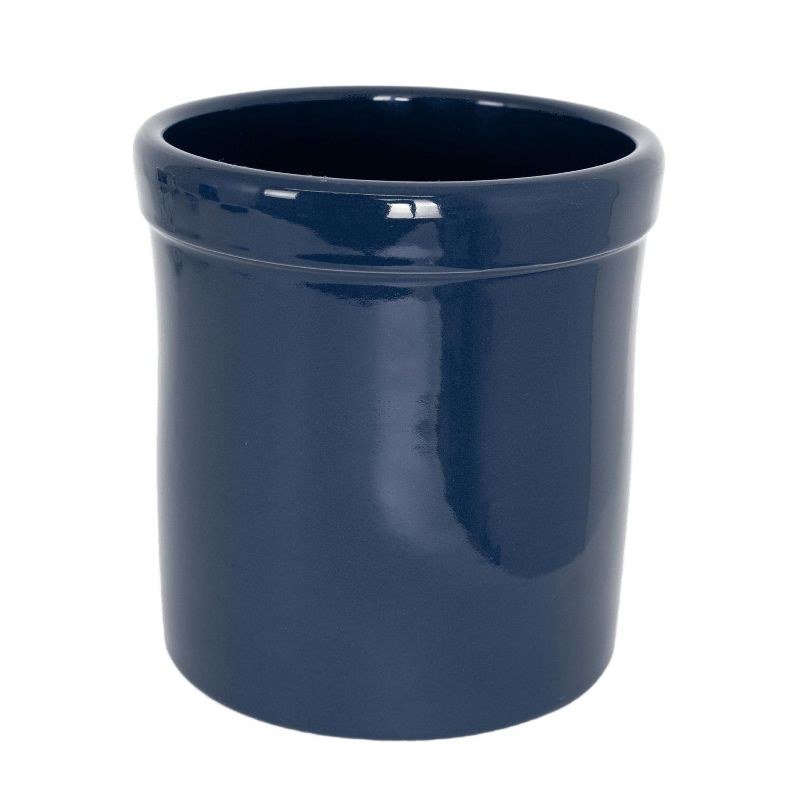
Ohio Stoneware Pickling Fermentation Crock, 1 Gallon Handmade for Food Preservation Storage Utility and Decor, Midnight Blue
Ohio Stoneware at Target, $57.98
The beautiful object of the edit, and the traditional way to ferment at scale. Ohio Stoneware hand makes this one gallon crock in a deep midnight blue glaze, wide and steady enough for whole batches of kraut or pickles, and handsome enough to live on the counter rather than hide in a cupboard. Buy it when the jar habit has proved itself and you want the ritual to have a permanent home. Stock was low at verification.
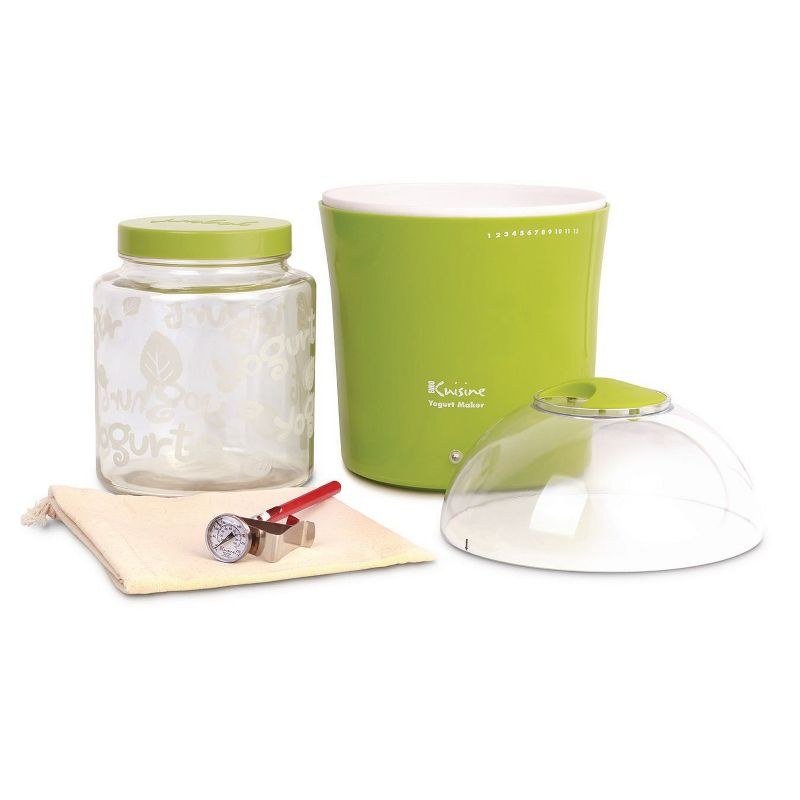
Euro Cuisine Yogurt Maker, Makes 2 Quarts Yogurt or Greek Yogurt, Green
Euro Cuisine at Target, $101.98
For the reader who goes through tubs of yogurt every week and would rather make it. This Euro Cuisine maker holds a steady warm temperature for a full two quarts, with a glass jar and a strainer path to thicker Greek style yogurt, so the only ingredients are milk and a spoonful of starter from your last batch. It pays for itself quietly, batch after batch. Only a few were left in stock at verification.
Begin the way every good food habit begins: with one bottle and one jar, not a full overhaul. A small glass of kefir at breakfast and a spoonful of sauerkraut beside lunch is a complete start, and within a few weeks most people know exactly which flavours they want more of. Add the kombucha when soft drinks start to feel too sweet, add the kimchi when your cooking wants heat, and let the home tools wait until the habit asks for them. The gut responds to what you do regularly and gently, far more than to anything done intensely for a single week.
The oldest foods in the world are still the smartest place to start: feed the gut a little living food, every day, and let time do the rest.
Elegant and Driven is reader supported. When you buy through links on our site, we may earn an affiliate commission. Our editorial choices come first, always.