

The High-Protein, High-Fiber Framework: A Lifestyle for Strength, Satiety, and Longevity

It’s been a few years since I published 10+ books on high-protein, high-fiber lifestyle recipes. And people often ask me: Why protein and fiber?
Why not just protein, since that’s what everyone is talking about?
Why not just “clean eating”?
Why not low-carb, plant-based, calorie-focused, or macro-tracked?
Why not just “clean eating”?
Why not low-carb, plant-based, calorie-focused, or macro-tracked?
My answer has become simpler over time.
Protein and fiber, together, form a complete nutritional framework. Not a trend. Not a diet. A structure.
Protein builds and repairs.
Fiber regulates and protects.
Together, they create satiety, energy stability, metabolic strength, digestive resilience, and long-term health, without obsession.
Fiber regulates and protects.
Together, they create satiety, energy stability, metabolic strength, digestive resilience, and long-term health, without obsession.
Protein gets the spotlight. Fiber quietly does the deeper work. And when you intentionally combine the two, most of your nutritional needs begin to take care of themselves.
This article lays out the foundation: the framework behind every recipe, system, and routine I teach in the Protein & Fiber Topic.
Why Protein Gets the Buzz — And Fiber Gets Ignored
Protein is the celebrity macro.
It builds muscle.
It supports fat loss.
It helps you stay full.
It’s easy to market.
It supports fat loss.
It helps you stay full.
It’s easy to market.
We live in a culture that values visible strength and measurable results. Protein fits that narrative.
Fiber doesn’t.
Fiber is subtle. It doesn’t transform your body in 30 days. It doesn’t come with flashy before-and-after photos. It works internally: regulating blood sugar, feeding gut bacteria, supporting hormone detoxification, stabilizing energy.
But here’s the truth:
When you eat high-fiber foods, you are automatically eating a wide range of micronutrients: vitamins, minerals, phytonutrients, and antioxidants.
Fiber-rich foods are fruits, vegetables, legumes, and unrefined grains.
Anchor your meals in protein and fill the rest with fiber-rich whole foods.
And the system falls into place.
The Real Power of Fiber (Beyond Digestion)
Most people associate fiber solely with digestion. Yes, fiber improves regularity. But that’s only the beginning.
Fiber impacts:
1. Blood Sugar Stability
Fiber slows glucose absorption. This prevents energy crashes, mood swings, and cravings. This is the reason sugar from fruits is not the same as refined sugar.
2. Hormone Regulation
Fiber helps bind and eliminate excess estrogen and other hormones through digestion.
3. Gut Microbiome Health
Prebiotic fibers feed beneficial gut bacteria, which influence immunity, metabolism, and even mental clarity.
4. Satiety
High-fiber foods slow digestion, increasing fullness naturally.
5. Inflammation Control
Many fiber-rich foods are also rich in antioxidants and polyphenols.
When you prioritize fiber, you’re building metabolic resilience.
Protein builds structure. Fiber builds stability. (Sounds like a perfect couple to me.)
Clean, High-Quality Protein Sources
Protein matters, but quality matters more.
Instead of making ultra-processed protein bars and powders your foundation, focus on whole-food protein sources first.
Here are eight clean, reliable protein sources:
- Chicken breast – Lean, versatile, high-protein staple
- Grass-fed lean beef – Iron-rich and satisfying
- Greek yogurt (plain, high-protein) – Probiotic + protein combination
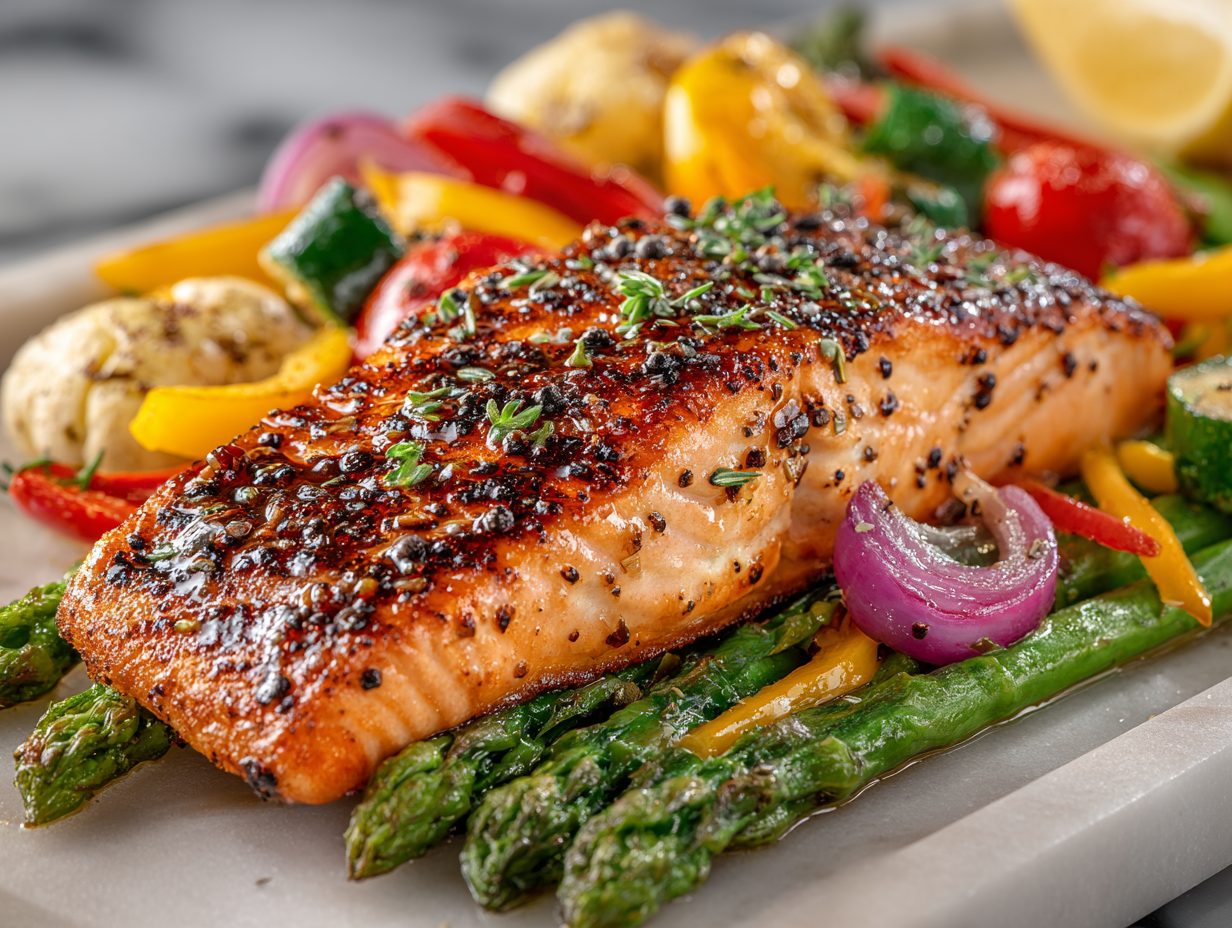
- Wild salmon – Protein + omega-3 fats
- Shrimp – Very high protein, low fat
- Eggs – Complete amino acid profile
- Cottage cheese – High-protein, easy snack anchor
- Whey or plant protein isolate (minimal ingredients) – Supplemental, not primary
These are protein anchors.
Every meal should have one.
This concept — what I call the Protein Anchoring System — is the simplest way to consistently reach 100g+ per day without counting macros.
Choose your anchor. Build around it.
My Favorite Whey Protein for my morning smoothie.

LeanFit WHEY Protein Natural Vanilla – 100% Whey Protein Powder, 24g Protein Per Serving – Grass-Fed, Gluten-Free, Low Carb, BCAAs, Amino Acid – 23 Servings, 1.83 Pound Tub Vanilla 1.83 Pound (Pack of 1)
- 100% WHEY VANILLA PROTEIN POWDER: Each serving contains 24g protein, 2g carbs, 1.0 calories, and only 1g...
- 5.3g BCAAs: As part of a complete amino acid profile that helps to repair and rebuild muscle, support strong...

High-Fiber Whole Food Sources
Now let’s talk about fiber.
Instead of isolated fiber powders, focus on naturally fiber-rich foods.
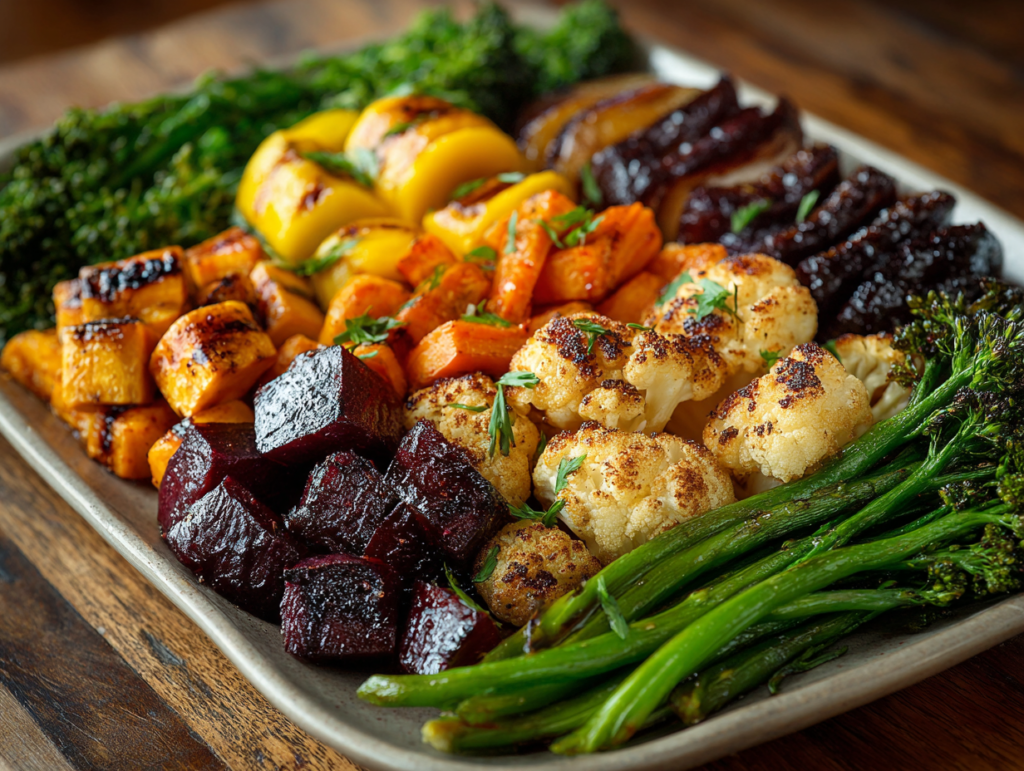
Here are eight foundational fiber sources:
- Lentils – High fiber + plant protein
- Chickpeas – Versatile, filling
- Sweet potatoes – Complex carbs + fiber
- Blueberries – Antioxidant-rich fruit
- Kiwis – Excellent for digestion
- Chia seeds – Fiber + omega-3
- Oats (steel-cut or rolled) – Beta-glucan fiber
- Broccoli – Fiber + micronutrients
When these foods become staples, you do more than meet daily fiber needs—you set a natural digestive rhythm.
Foods That Are High in Both Protein and Fiber
These are nutritional powerhouses. They simplify everything.
Up to eight of the best dual-impact foods:
- Lentils
- Black beans
- Chickpeas
- Edamame
- Chia seeds
- Hemp seeds
- Quinoa
- High-protein whole-grain wraps
These foods bridge the gap between plant-based nourishment and protein needs.
They simplify meals.
The High-Protein, High-Fiber Framework
This is where everything connects.
Every meal follows a clear structure: Step 1: Choose your protein anchor. Step 2: Select your fiber base. Step 3: Add foods for a micronutrient boost.
1. Choose your Protein
Chicken, salmon, Greek yogurt, eggs, shrimp, lean beef.
2. Fiber Base
Lentils, sweet potatoes, quinoa, oats, beans, and vegetables.
3. Micronutrient Boost
Leafy greens, berries, cruciferous vegetables, herbs, spices.
Structure matters more than elaborate recipes.
We need structure.
A Simple High-Protein, High-Fiber Smoothie Formula
Smoothies are one of the easiest ways to combine both pillars.
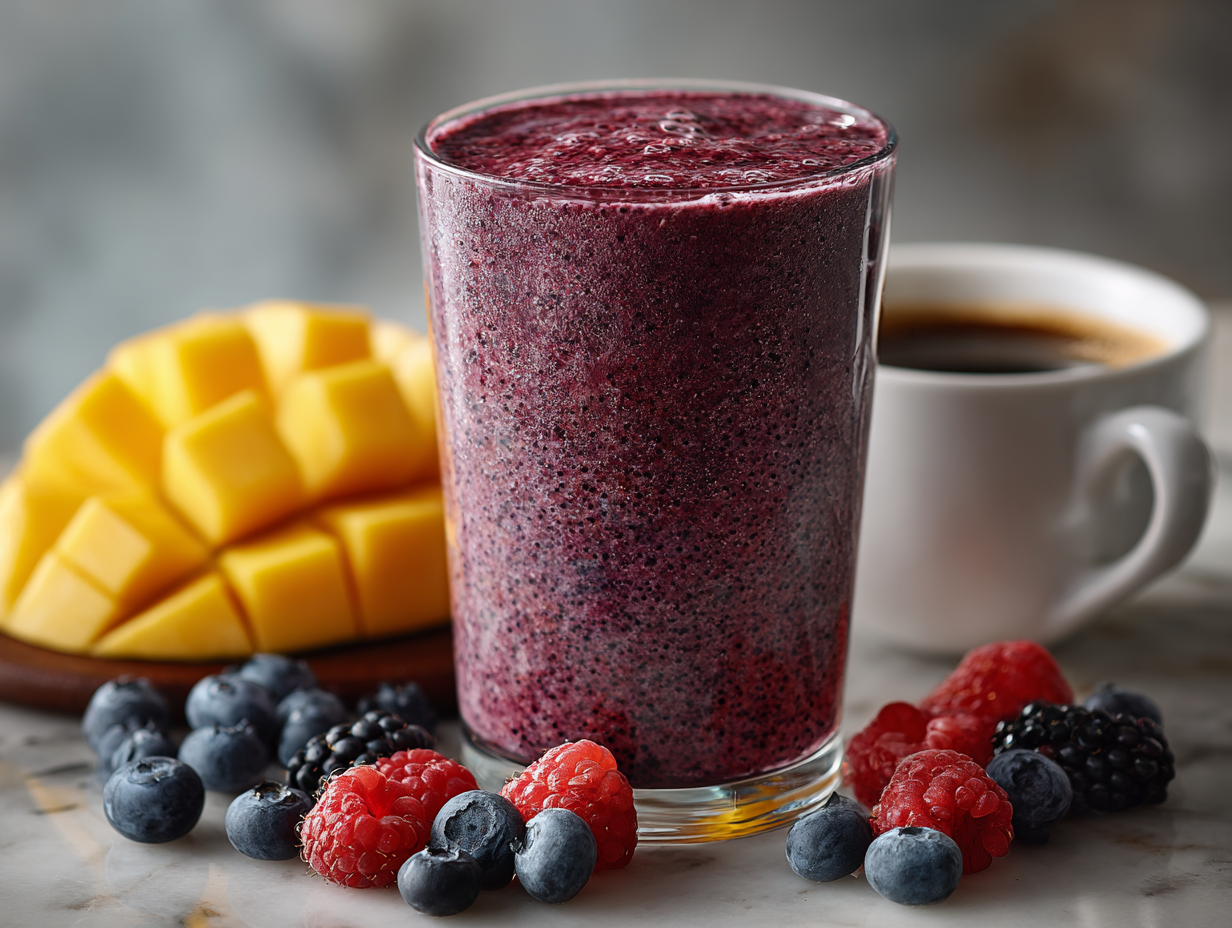
Protein + Fiber Smoothie Formula:
- 1 scoop clean protein powder
- 1 tablespoon chia seeds
- ½ cup Greek yogurt
- 1 cup frozen blueberries
- 1/2 Handful spinach
- Unsweetened almond milk
This delivers:
- 30–40g protein
- 8–12g fiber
- Antioxidants
- Probiotics
- Healthy fats
Simple. Repeatable. Effective.
Sample High-Protein, High-Fiber Meal Structures
These are not recipes. They are frameworks.
Breakfast
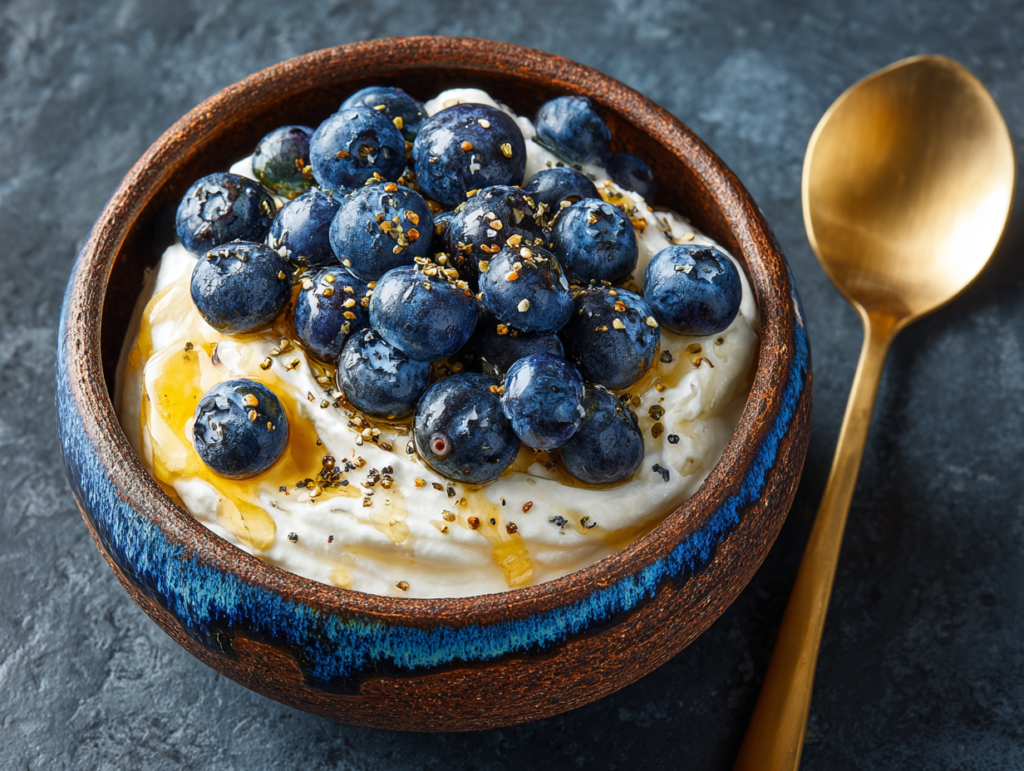
- Greek yogurt + chia seeds + blueberries + Raw honey for sweetness
- Eggs + sautéed spinach + sweet potato
- Oats + protein powder + hemp seeds + sprinkle some cinnamon powder
Lunch
- Grilled chicken + lentil salad + broccoli
- Salmon + quinoa + roasted vegetables
- Shrimp bowl + black beans + avocado + greens
Dinner
- Lean beef + sweet potato + asparagus
- Baked salmon + chickpeas + mixed greens
- Edamame + tofu stir-fry + brown rice
The key is to pair a protein anchor with a fiber base at every meal. Identify your protein source, add a fiber-rich component, and structure the meal around it.
That’s the pattern.
Why This Combination Covers Most Nutritional Bases
When you eat high-protein and high-fiber whole foods:
- You naturally increase micronutrient intake.
- You stabilize appetite.
- You reduce mindless snacking.
- You protect lean mass.
- You support digestion.
- You maintain energy consistency.
You don’t need complicated macro tracking.
You need a consistent rhythm, not complicated tracking.
The Lifestyle Shift: From Tracking to Structuring
Many people start their nutrition journey by tracking macros.
Eventually, that becomes exhausting.
The shift happens when you realize:
You don’t need to track when you structure.
If every meal contains:
- 30–40g protein
- A meaningful fiber source
- Whole-food ingredients
You’re in alignment naturally.
That’s the difference between dieting and living this lifestyle.
Building a Weekly Protein & Fiber Rhythm
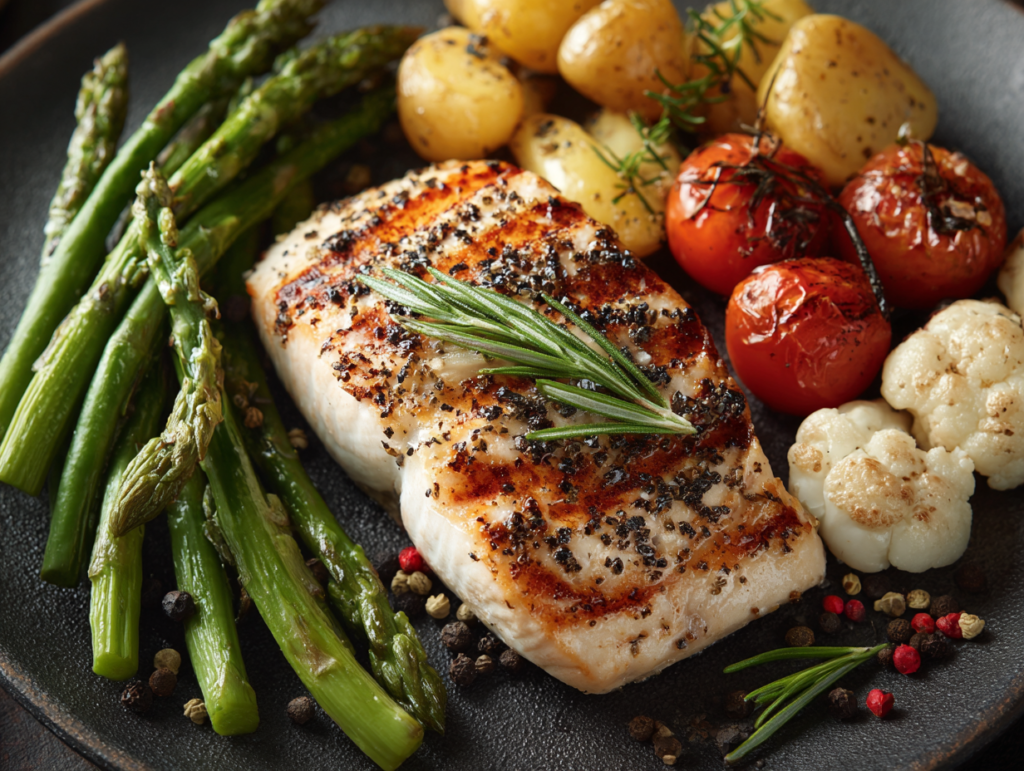
Here’s what it looks like practically:
1. Grocery Shop with Anchors in Mind
Buy:
- 2–3 protein staples
- 3–4 fiber-rich vegetables
- 1–2 legumes (keep in pantry)
- 1 fruit
- 1 fermented dairy option
2. Prep Protein First
Cook chicken. Bake salmon. Boil eggs.
Prep protein in advance to simplify daily choices.
3. Add Fiber Automatically
Every plate gets:
- A vegetable
- Or a legume
- Or a whole grain
No exceptions.
4. Repeat Simple Combinations
Variety is good, but repetition builds consistency.
The Psychological Benefit
There’s something deeply calming about this system.
You’re not chasing food trends.
You’re not eliminating food groups.
You’re not fearing carbs.
You’re not obsessing over numbers.
You’re not eliminating food groups.
You’re not fearing carbs.
You’re not obsessing over numbers.
You’re simply combining:
Strength (protein)
Stability (fiber)
Stability (fiber)
And building your meals around that foundation.
The Foundation of My Recipe Books
Every recipe follows this principle: protein anchor, fiber foundation, flavor layered on top.
That’s why the recipes are satisfying.
That’s why they don’t feel restrictive.
That’s why they work long-term.
The framework always comes before creativity.

HIGH-PROTEIN HIGH-FIBER MEAL PREP GUIDE: 100 Recipes that can create over 500 Meals
- Introducing the ultimate guide to transforming your meal prep routine with the power of high-protein,...
- In "High-Protein High-Fiber Meal Prep Guide," you'll discover a treasure trove of delicious recipes to...
Recap:
Protein alone builds muscle, but not balance.
Fiber alone supports digestion but not strength.
Fiber alone supports digestion but not strength.
Together, they form a complete system.
If you remember nothing else: every meal = protein + fiber.
Do that consistently, and most nutritional confusion disappears.
You don’t need extremes.
You don’t need elimination phases.
You don’t need constant recalculating.
You don’t need elimination phases.
You don’t need constant recalculating.
You need a structure that honors how your body functions.
Protein builds.
Fiber regulates.
Together, they sustain.
Fiber regulates.
Together, they sustain.
And that is the framework of living protein: a high-protein, high-fiber lifestyle designed not for trends, but for life.