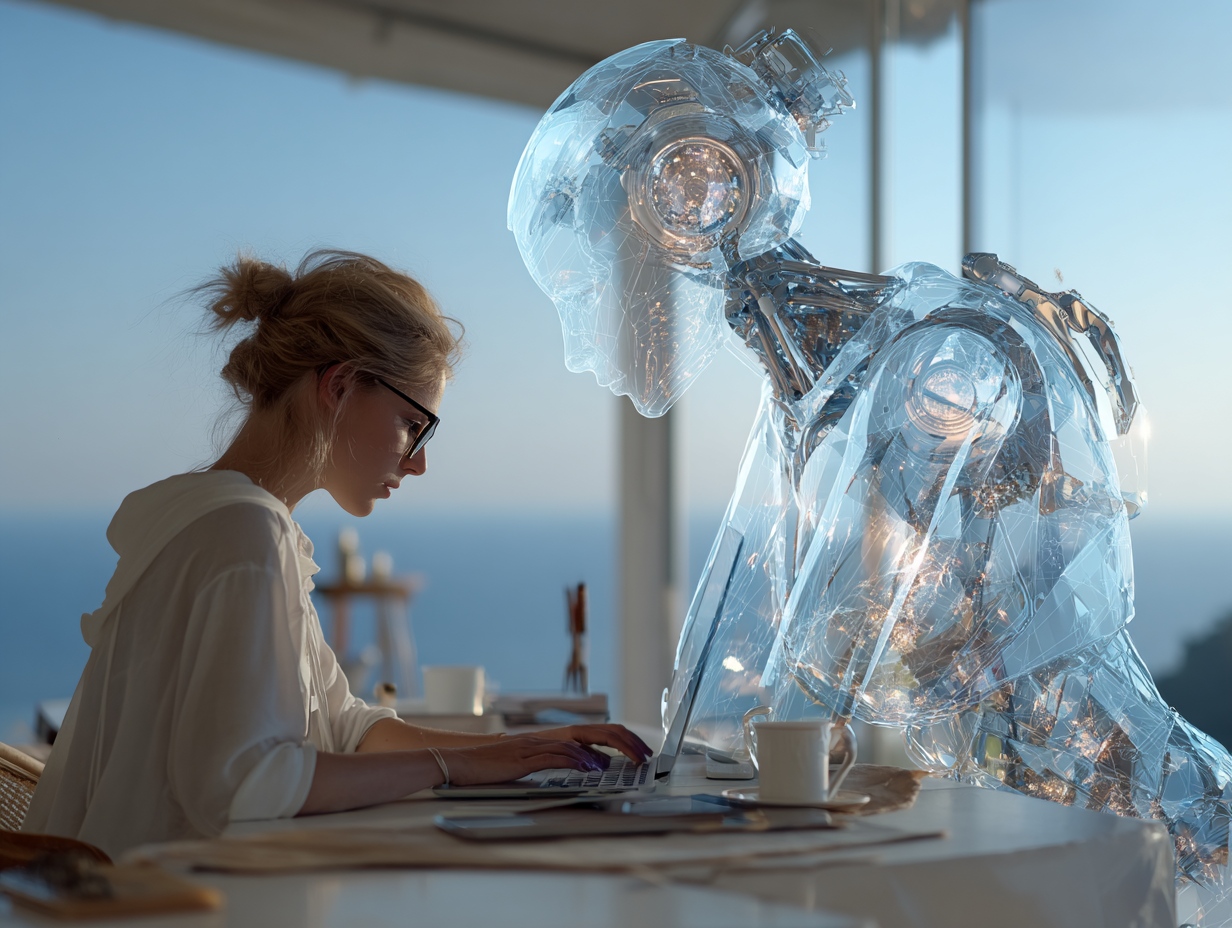


Why Creative People Will Thrive in the AI Era
There is a lot of fear surrounding AI right now.
People are worried about jobs disappearing, industries changing, and technology replacing human work. Every day, there is another conversation about automation, artificial intelligence, and the future of work.
But the more I work with AI tools, the more I believe something very different.
I believe creative people will thrive.
AI is not replacing creativity, but it is revealing how valuable real creativity has always been.
I recently wrote an article about why people with more than 20 years of experience are actually at an advantage in the AI era. As someone who has spent more than two decades in fashion design, product development, creative direction, and leadership, I can clearly see why experience, observation, intuition, and creative thinking are becoming more valuable, not less.
For years, creativity was often misunderstood.
People assumed creativity was just about making things look beautiful. But after working in design and product development for over 20 years, I learned that creativity is actually pattern recognition, emotional intelligence, cultural awareness, intuition, storytelling, and vision all working together.
And that is exactly why creative people will have an advantage moving forward.
Because AI can generate.
But humans still lead.
Creativity Was Never Just About Talent

One of the biggest things I have learned throughout my career is that creativity is not something you can fully teach.
But true creativity is different.
Creativity is shaped by how you observe the world.
It comes from:
- what you notice
- What inspires you
- How do you connect ideas?
- How deeply do you think
- How curious you are
- how emotionally aware you are
- how you experience life
I have always believed creativity is partly natural and then expanded through exposure.
Travel expands creativity.
Books expand creativity.
Art expands creativity.
Conversations expand creativity.
Fashion, music, architecture, psychology, film, and culture all expand creativity.
Books expand creativity.
Art expands creativity.
Conversations expand creativity.
Fashion, music, architecture, psychology, film, and culture all expand creativity.
The most creative people I have met were rarely the loudest people in the room. They were usually the people who observed deeply.
They noticed details.
They connected patterns.
They understood emotion.
They saw shifts before others did.
They connected patterns.
They understood emotion.
They saw shifts before others did.
That is not something AI replaces.
In many ways, AI is actually making those abilities even more valuable.
What 20 Years in Fashion Taught Me About Creativity
I have spent more than 20 years in fashion design and product development. Over those years, I worked on everything from designing collections to managing teams to setting product direction from both creative and business perspectives.
One of my greatest strengths throughout my career was trend forecasting.
Not because I had a magic formula.
But because I naturally connected the dots.
I could look at runway shows, street style, pop culture, lifestyle changes, retail behavior, social shifts, and consumer habits, and start seeing where things were moving.
Fashion was never just about clothing.
Fashion was connected to:
- culture
- economics
- mood
- identity
- lifestyle
- technology
- social behavior
For example, you could often predict fashion changes simply by observing how people wanted to live.
When people wanted comfort, fashion shifted.
When minimalism became emotionally appealing, silhouettes changed.
When wellness culture exploded, activewear became lifestyle wear.
When social media became visual, branding and aesthetics became more important.
When minimalism became emotionally appealing, silhouettes changed.
When wellness culture exploded, activewear became lifestyle wear.
When social media became visual, branding and aesthetics became more important.
Trend forecasting was really about understanding human behavior.
That is why creativity matters so much in the AI era.
Because AI can process information.
But humans still understand emotion, meaning, cultural nuance, and human desire at a deeper level.
But humans still understand emotion, meaning, cultural nuance, and human desire at a deeper level.
AI Still Needs Human Direction
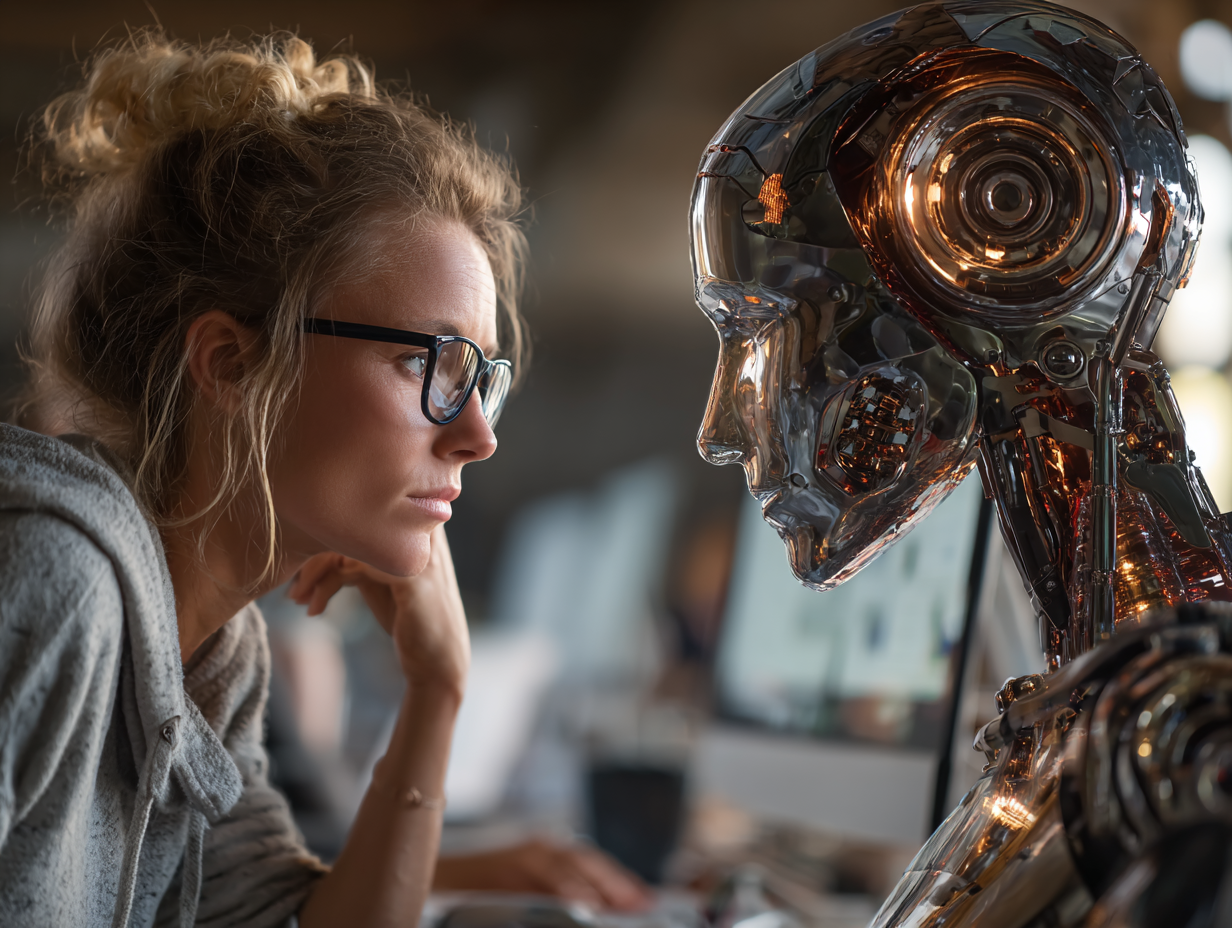
One thing I noticed very quickly while using AI tools is this:
The quality of the result depends directly on the quality of the direction.
That realization immediately reminded me of my years working with creative teams.
Some people could clearly explain what they wanted.
Some people could not.
Some people could not.
Like Albert Einstein said:
“If you cannot explain something simply, you don’t understand it well enough”.
And there was a massive difference in the outcome.
I have worked with leaders who would say:
“I don’t like this.”
“I don’t like this.”
But when asked what they wanted instead, they could not explain it.
That becomes a major problem in the AI era.
Because AI tools still require:
- clarity
- direction
- taste
- communication
- decision making
- refinement
You still need vision.
In fact, I would argue that vision is becoming one of the most valuable skills in the modern economy.
AI can generate endless options.
But someone still has to decide:
But someone still has to decide:
- Which option feels right
- which direction aligns with the brand
- What emotionally connects
- What feels authentic
- What actually works
That is where creative people thrive.
The Ability to Describe What You Want Is Becoming a Superpower
As I built my own AI-assisted projects, including my home decor edits and storefronts, I noticed something fascinating.
The people who get the best results from AI are usually people who already have:
- taste
- clarity
- creative instinct
- visual understanding
- emotional understanding
- communication skills
Because they know how to direct the tool.
This is not very different from leading creative teams in the real world.
A strong creative director does not necessarily draw every sketch or personally execute every technical detail.
What they do have is vision.
They know:
- what they want
- Why do they want it
- how it should feel
- who it is for
- What emotional response should it create?
AI works very similarly.
If you can clearly communicate:
- mood
- tone
- aesthetic
- direction
- emotion
- positioning
You can create extraordinary things.
The future will belong to people who can think clearly, describe clearly, and imagine clearly.
Creative People Already Think in Systems
Another reason creative people will thrive is that many creatives naturally think in systems.
People often underestimate this.
Fashion designers think about:
- manufacturing
- psychology
- lifestyle
- consumer behavior
- storytelling
- pricing
- trends
- branding
- functionality
Interior designers think about:
- mood
- movement
- human behavior
- aesthetics
- comfort
- emotional experience
Writers think about:
- narrative
- structure
- emotion
- persuasion
- timing
- audience psychology
Creative thinking has always been multidisciplinary.
And AI rewards multidisciplinary thinkers.
Because the people who can combine:
- creativity
- business thinking
- communication
- technology
- emotional intelligence
- storytelling
They are becoming extremely powerful.
Why Human Taste Matters More Than Ever

One of the most underrated skills in the AI era will be taste.
Not a luxury taste.
Not expensive taste.
Not expensive taste.
Creative taste.
The ability to know:
- What works
- What feels elevated
- What feels authentic
- What feels emotionally aligned
- What feels timeless
- What feels human
AI can generate thousands of images in seconds.
But not all of them feel meaningful.
This is where human discernment becomes critical.
The internet is already becoming flooded with content.
Flooded with images.
Flooded with writing.
Flooded with designs.
Flooded with ideas.
Flooded with writing.
Flooded with designs.
Flooded with ideas.
The people who stand out will not necessarily be the people producing the most.
They will be the people who curate, refine, edit, and direct with intelligence and emotional depth.
That is creativity.
Creative Careers Are Expanding, Not Shrinking
There is also the misconception that creative careers are disappearing due to AI.
I actually think many creative careers are evolving into something bigger.
Graphic designers are becoming creative strategists.
Writers are becoming thought leaders.
Fashion designers are becoming brand storytellers.
Interior designers are becoming lifestyle curators.
Real estate agents are becoming content creators and media brands.
Doctors, lawyers, and accountants are becoming educators.
Consultants are becoming digital experts with audiences.
Writers are becoming thought leaders.
Fashion designers are becoming brand storytellers.
Interior designers are becoming lifestyle curators.
Real estate agents are becoming content creators and media brands.
Doctors, lawyers, and accountants are becoming educators.
Consultants are becoming digital experts with audiences.
Every industry is becoming more creative.
And every industry is becoming more visible online.
The people who adapt to this shift early will have a huge advantage, as you can now reach millions of people online from the comfort of your home or office.
Related Read:
How to Start a Business by Learning Everything Online
The internet has completely changed how people learn, build skills, and start businesses. This article explores how online learning platforms, curiosity, and self education are opening doors for modern entrepreneurs and creators.
The Rise of the Creative Entrepreneur
One of the most exciting shifts happening right now is the rise of the creative entrepreneur.
For years, creative people were often told to separate creativity from business.
Now those worlds are merging.
A designer can build a personal brand.
A writer can build a digital platform.
A creator can launch products.
A stylist can teach online.
A consultant can build an audience.
A fashion expert can create educational content.
A fitness coach can build a global community.
A writer can build a digital platform.
A creator can launch products.
A stylist can teach online.
A consultant can build an audience.
A fashion expert can create educational content.
A fitness coach can build a global community.
AI is making execution faster.
But the human idea behind the business still matters enormously.
This is why I believe creative people are entering one of the most powerful eras in modern history.
Experience Is Becoming More Valuable
As much as technology matters, I believe experience matters deeply.
Especially lived experience.
The people who have:
- observed industries
- worked with teams
- solved problems
- understood people
- navigated trends
- built products
- managed crises
- refined instincts
have a huge advantage.
Because AI still needs intelligent human guidance.
And experience helps people recognize patterns faster.
I notice this constantly in my own work.
After more than 20 years in fashion and product development, I can often spot trends, opportunities, and shifts very quickly because my brain has been trained through years of observation and exposure.
That kind of pattern recognition becomes extremely valuable in a world overflowing with information.
Creativity Is Human Intelligence
At its core, creativity is deeply human.
It is emotion.
It is intuition.
It is memory.
It is storytelling.
It is an observation.
It is empathy.
It is curiosity.
It is a vision.
It is intuition.
It is memory.
It is storytelling.
It is an observation.
It is empathy.
It is curiosity.
It is a vision.
AI can support creativity beautifully.
I personally enjoy using AI tools because they can speed up brainstorming, visualization, organization, and execution.
But the soul behind the idea still comes from people.
And I think many creative people are finally realizing how valuable their minds actually are.
Especially the ones who:
- think deeply
- observe carefully
- communicate clearly
- imagine boldly
- connect ideas naturally
Takeaway
I do not believe the AI era belongs only to engineers or technical experts.
I believe it belongs to people who can combine:
- creativity
- clarity
- communication
- emotional intelligence
- strategy
- vision
The future will reward people who can direct, not just execute.
And that is why I believe creative people will thrive.
Because AI revealed how important human creativity was all along.