
Healthy Fats 101: Why You Shouldn’t Be Scared of Eating Fat
For a long time, “low fat” was synonymous with “healthy.” Fat was the villain in countless diet books and marketing campaigns — blamed for everything from weight gain to heart disease. But here’s what I’ve learned: Fat is not the enemy. In fact, it’s one of the most essential macronutrients your body needs.
If you’ve ever found yourself scared to drizzle olive oil over a salad or eat a slice of avocado because you’re watching calories, this article is for you.
Let’s clear up the confusion — and take the fear out of Fat.
Why Fat Got a Bad Reputation
The anti-fat movement really took off in the 1980s and 90s. Influenced by early, oversimplified studies linking dietary Fat to heart disease, food companies quickly jumped on the trend, creating fat-free versions of everything — from cookies to salad dressings.
But in removing Fat, they often replaced it with refined sugars, starches, and additives to maintain flavor and texture. The result? Diets became lower in Fat but higher in processed carbs — and health outcomes didn’t improve.
Here is the truth we all need to know: not all fats are created equal — and Fat itself isn’t bad. It’s the type and quality of Fat that matters.
Fat Is Calorie-Dense — But That’s Not the Full Story
1g of Fat has more than twice the calories per 1g of carbohydrates and protein — 9 calories per gram vs. 4 calories per gram.
Yes, that makes it calorie-dense. And yes, too much of it can contribute to weight gain. But the key is this: calories alone don’t define health — and fats play a vital role in how your body functions.
Why Your Body Needs Fat
Fat isn’t just about flavor or fullness. It’s absolutely essential for our health. Here’s why:
- Hormone production: Fats help regulate hormones like estrogen and testosterone.
- Brain health: Our brain is approximately 60% fat. Omega-3 fats in particular support cognitive function and mood regulation.
- Nutrient absorption: Vitamins A, D, E, and K are fat-soluble, meaning your body can’t absorb them without Fat. (Only B and C are water-soluble)
- Cell structure: Every cell in our body has a membrane mainly made of Fat.
- Energy and satiety: Healthy fats help you feel full and satisfied, making it easier to avoid constant snacking.
Curious about your body fat % — and how your muscle and hydration levels are changing over time? I’ve been using the Renpho Smart Scale to track more than just weight. It gives me a full picture of my body composition, including fat %, muscle %, and metabolic age — right from an app on my phone.
It’s not about chasing a number — it’s about knowing your body and seeing how your healthy choices add up.
Buy Before Sale Ends!
 Our Pick
- The Renpho Health app syncs with Apple Health, Samsung Health, and MyFitnessPal.
- 7 Key Body Metrics on Display: Step onto the Elis 2X scale to get an immediate reading of your body weight,...

Healthy Fats to Focus On
To keep it simple: your cooking oils and whole foods are usually your primary sources of Fat. You don’t need to overcomplicate it. Here’s what to stick to:
🥄 Your Everyday Cooking Fats:
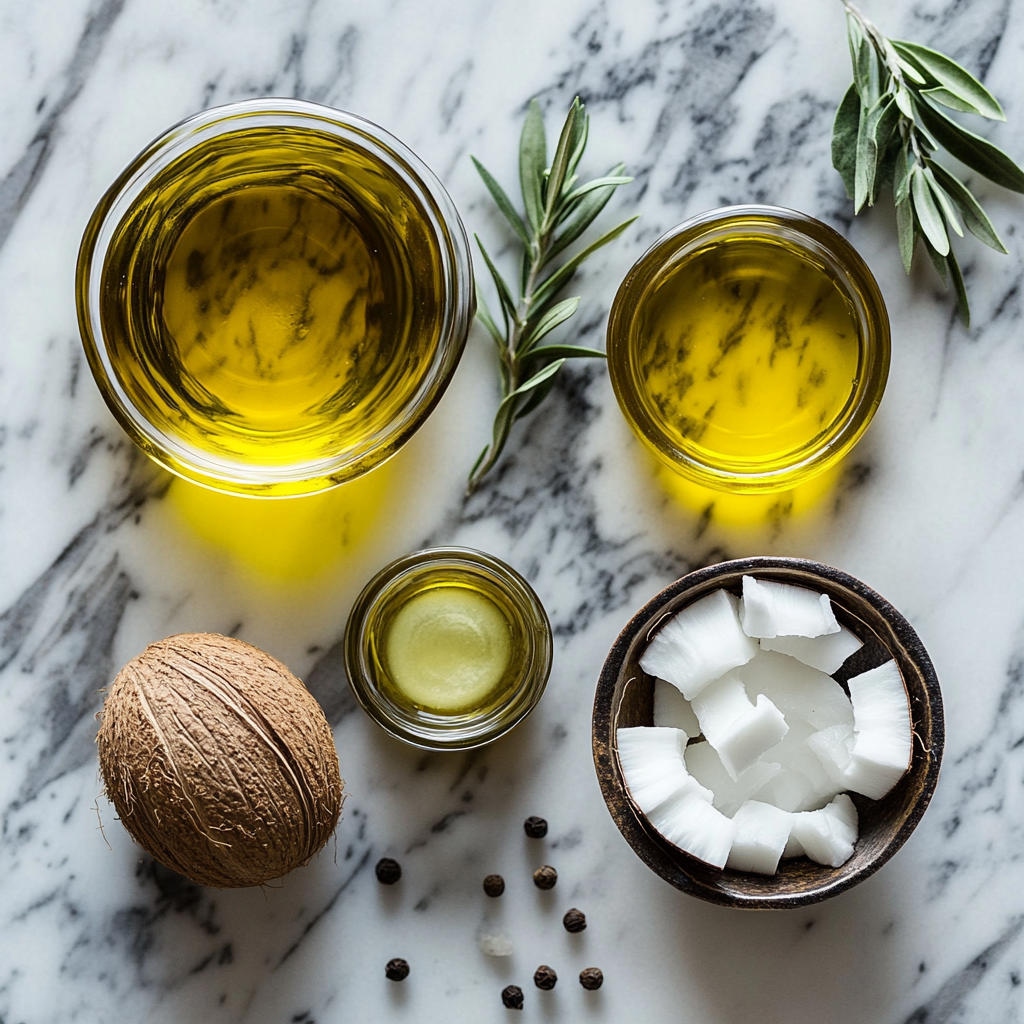
- EVOO – Extra virgin olive oil – Ideal for salad dressings and low- to medium-heat cooking; I like it for roasting.
- Avocado oil – Neutral taste, perfect for higher-heat cooking. My regular cooking oil.
- Ghee or grass-fed butter – Traditional and nutrient-rich, especially for sautéing and even baking.
- Coconut oil – Stable for high-heat cooking and baking, though best used in moderation. Makes an excellent replacement for butter in baking for vegans.
These oils are not only healthier — they also avoid the inflammatory compounds found in many processed seed oils.
Whole Food Sources of Healthy Fat:
- Fatty fish – Salmon, sardines, mackerel, and anchovies are rich in anti-inflammatory omega-3s
- Avocados – High in healthy monounsaturated fats and very high in fiber
- Nuts and seeds – Almonds, walnuts, chia seeds, flaxseeds, and hemp hearts offer a nutrient-dense fat source
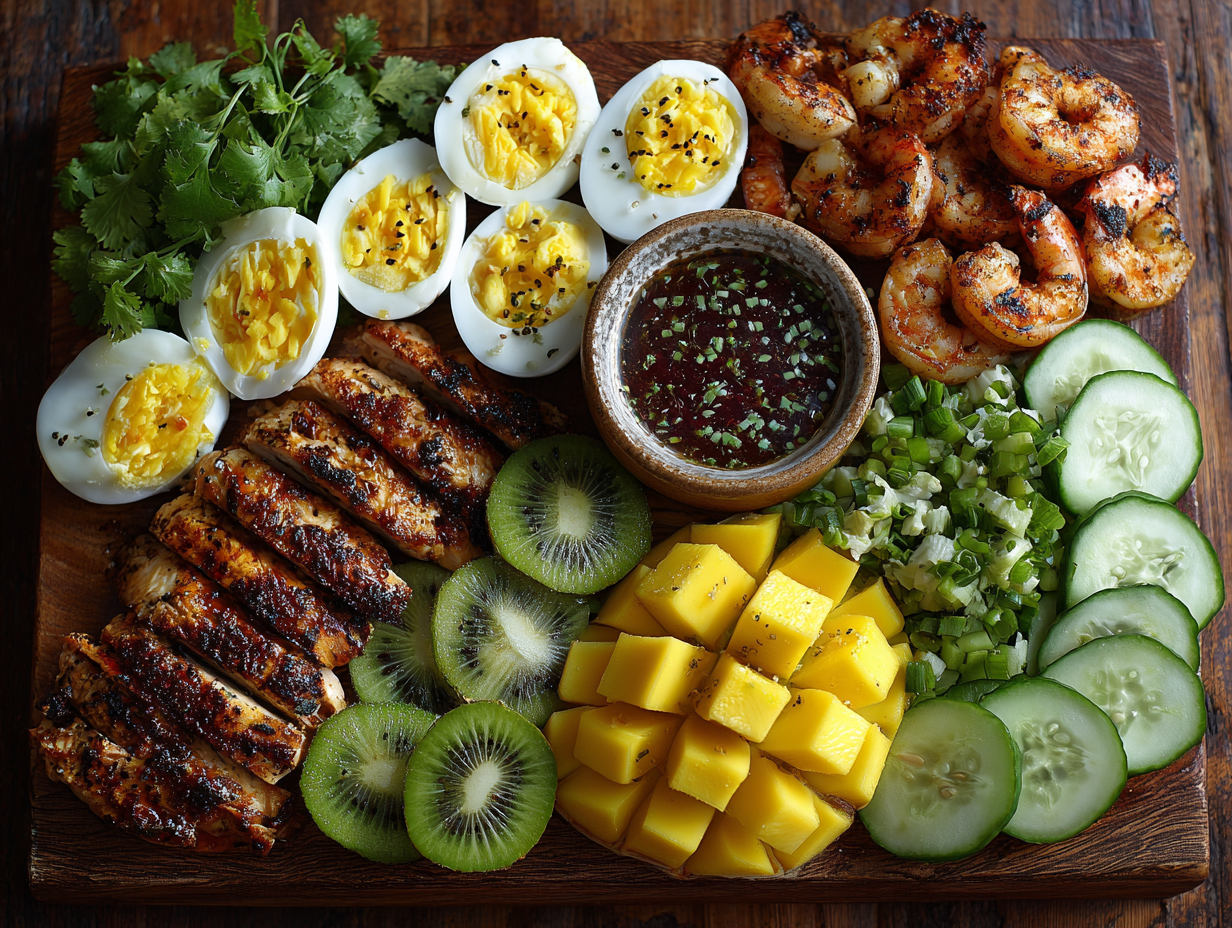
- Eggs – Especially with the yolk — nature’s perfect package of protein and healthy Fat
What to Minimize or Avoid
This is where things get tricky. The fats you want to avoid aren’t the natural ones — they’re the highly processed, industrialized oils and trans fats that sneak into many packaged foods.
Unhealthy Fats to Watch Out For:
- Seed oils – Like soybean oil, corn oil, sunflower oil, and canola oil, especially when heated at high temperatures
- Hydrogenated oils / Trans fats – Still found in some baked goods, margarine, and fast food
- Over-processed snack foods – Chips, cookies, and crackers with mystery oils on the label
These fats tend to promote inflammation and may increase your risk of chronic disease when consumed regularly.
A Simple Rule: Eat Fat That Comes From Real Food
If your fat source is something your great-grandmother would recognize — olive oil, butter, fish, eggs, nuts — it’s likely a healthy fat.
If it comes from a lab or a processed package, pause and take a closer look.
Bottom line: Fat Is Not the Enemy
For years, I was cautious about fats. I measured the oil I used for cooking, skipped the yolks, and avoided things like butter altogether. But when I started focusing on whole food fats, especially for brain function, hormone health, and satiety, everything changed. I felt more balanced. More full. Less “snacky.”
Fat isn’t something to fear — it’s something to understand and respect.
Your body is smarter than a diet label. Let it thrive on the right kind of fuel.
Want a deeper dive into the science behind why fat isn’t the enemy? Eat Fat, Get Thin by Dr. Mark Hyman breaks down decades of nutrition myths and gives you a smarter, science-backed perspective on healthy fats and weight loss.
![Eat Fat Get Thin: Why the Fat We Eat Is the Key to Sustained Weight Loss and Vibrant Health [Paperback] [Jan 01, 2016] Dr. Mark Hyman](https://m.media-amazon.com/images/I/71kXVRFFR1L._SL160_.jpg)