

2025 and Beyond Guide to Gut and Brain Health: The Future of Wellness Starts in the Stomach
“The gut is not just where digestion happens — it’s where your entire body begins to thrive.”
Why This Topic Is Everywhere in 2025
You’ve probably heard the phrase “gut health” so many times that it almost feels trendy. But here’s the real reason it’s not going anywhere: your gut doesn’t just digest food — it communicates with your brain, regulates your immune system, produces key neurotransmitters, and influences everything from mental clarity to sleep quality.
In fact, the gut is often called “the second brain” — and we’re only beginning to grasp how vital that really is.
Over the past decade, science has established connections between gut microbes and mood, inflammation, and cognition, as well as the effectiveness of certain medications and their impact on microbiome health. By 2025, this connection between the gut and brain will be the cornerstone of modern wellness.
The Gut–Brain Axis: What the Science Shows
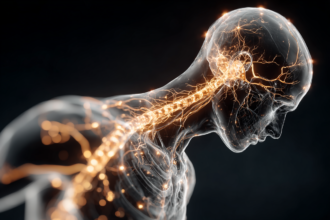
The gut and brain are connected by a two-way communication network called the gut–brain axis. This involves:
- The vagus nerve, a physical link sending signals between your gut and brain
- Neurotransmitters like serotonin (90% of which is produced in the gut)
- Immune signals and metabolites generated by your gut microbiome
When your gut is balanced and thriving, you’re more likely to experience emotional stability, sharper focus, and reduced systemic inflammation. But when your gut is inflamed, imbalanced, or “leaky,” everything suffers — especially your brain.
Key Findings:
- Depression and Anxiety have often been linked to poor microbial diversity in the gut.
- Cognitive decline and memory loss may begin in the gut years before symptoms appear in the brain.
- Gut inflammation contributes to brain fog and low energy through immune signaling pathways.
- Short-chain fatty acids (SCFAs) produced in our gut by gut bacteria reduce neuroinflammation and support brain health.
What’s Gaining Traction in 2025?
This year and beyond, we’re seeing a significant shift in how gut–brain health is approached:
1. Precision Probiotics
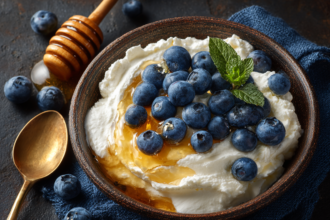
Probiotic supplements are getting smarter — strains are now tailored to target mood, memory, and even sleep. My favourite probiotic remains Greek yogurt.
Related Read:
Why I Love Greek Yogurt So Much: The Benefits Beyond High-Protein.
2. The Gut Health Masterclass Movement
More people are investing in deep, research-backed education about their microbiome. One of the best options available right now is the Gut Health Masterclass, which guides you through not only diet and supplements, but also how lifestyle, stress, and sleep impact your gut-brain balance.
Take The Masterclass: Gut Health

3. High-Fiber Functional Snacks
From chickpea crisps to prebiotic-rich powders, high-fiber convenience foods are on the rise — and for good reason. Fiber isn’t just about digestion. It feeds your beneficial gut bacteria and helps produce the SCFAs that reduce brain inflammation.
4. Integrative Testing for Mental Health
Doctors and functional medicine practitioners are beginning to test the gut first when treating mood disorders, brain fog, and sleep disruption — something unheard of just five years ago.
Why I Emphasize High-Protein, High-Fiber Eating
You’ll notice a common theme in almost everything I write: a high-protein, high-fiber lifestyle. Here’s why it matters:
Protein:
- Supports body tissue repair, including the gut lining
- Provides amino acids that become neurotransmitters (think: tryptophan to serotonin)
- Regulates blood sugar (the most commonly known benefit) and keeps inflammation in check — both essential for mental clarity
Fiber:
- Feeds your gut bacteria, increasing microbial diversity
- Supports digestion, bowel regularity, and detoxification
- Produces SCFAs, which cross the blood–brain barrier and reduce brain inflammation
Put simply: your microbiome is alive. You’re not just feeding yourself — you’re feeding your inner ecosystem. And when that ecosystem thrives, so do you.
This is also why I published a complete collection of high-fiber, high-protein recipe books — because most of us don’t get enough of either.
My best-selling High-Protein High-Fiber Recipe book on Amazon:


Simple Ways to Start Supporting Your Gut–Brain Health
If you’re new to this, or overwhelmed by the science, start here:
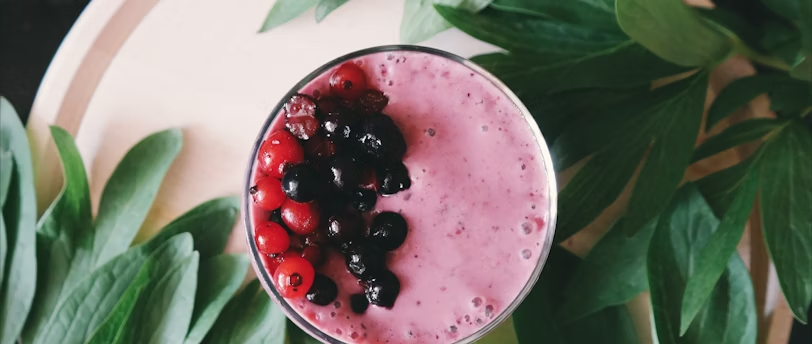
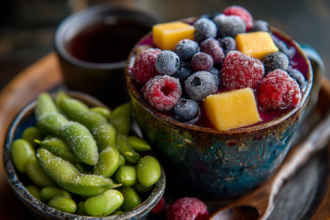
- Eat 25–35g of fiber daily (try chia seeds, lentils, berries, or prebiotic greens). I get close to 10g in my morning Smoothie alone.
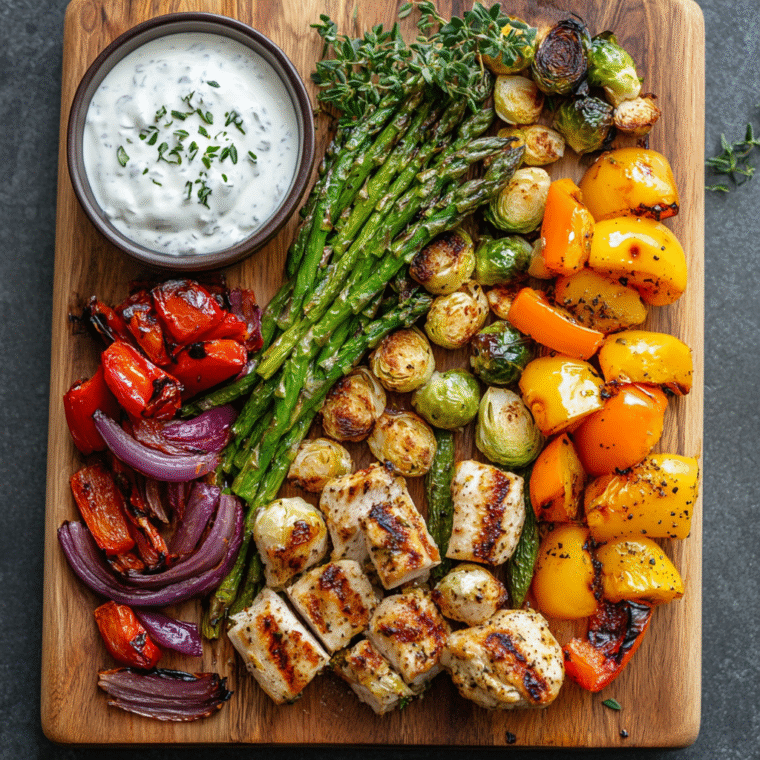
- Prioritize lean, clean protein sources — such as chicken, fish, whey protein, or Greek yogurt.
- Avoid ultra-processed foods and refined sugars — they destroy gut diversity.
- Drink water + electrolytes to support proper digestion and cellular hydration
- Practice stress-regulation daily: deep breathing, walking, journaling
- Try a targeted probiotic to support mood or digestion.
Learn More About Brain Health:
Recap: Your Brain Follows Your Gut
We’ve spent decades thinking of mental health as something “in the head.” But the new wave of research — and my own lived experience — tells a different story. When your gut is nourished, your brain has the raw materials and signaling pathways to thrive.
So if you’re struggling with energy, mood, or mental clarity, the smartest place to start isn’t with a supplement or a mindset hack — it’s with your gut.
Learn More and Go Deeper
If you want to take your gut health seriously in 2025, here’s where I recommend starting:
-
🎓 Gut Health Masterclass — A step-by-step online course on microbiome healing and mood connection
-
📘 High Fiber Recipe Book Collection – Amazon — My series of high-protein, high-fiber recipe guides
-
📚 Related Article: Gut Health 101: Why Your Gut Is at the Center of Everything