


Somewhere between the headlines about robots taking over and the group chat jokes about AI writing wedding vows, a quieter truth got a little lost. These tools are genuinely useful for ordinary life. Not for building startups or writing code. For drafting the awkward email, planning the week, and learning the thing you have always meant to learn.
This is a gentle introduction. No jargon, no hype. Just the tools worth knowing and the books that make them make sense.

The tools, in plain English
First, the good news. The tools themselves are mostly free to try, and you need about four of them to cover real life.
For writing and thinking, a conversational AI like ChatGPT or Claude works like a patient brainstorming partner. Draft the email, outline the talk, rewrite the paragraph that will not sit right. It does not replace your voice. It hands your voice a first draft to argue with.
For planning, the same tools can lay out a week in minutes. Give one your appointments, your goals, and the gym classes you keep missing, and ask for a realistic schedule. For learning, Perplexity answers questions with sources attached, which makes it a fine research companion. Canva turns a rough idea into a decent invitation or presentation. Grammarly quietly polishes everything you write.
Pick one. Use it for something small this week. That is the whole onboarding.
Five books that make AI make sense
Tools are better with context. These five are the clearest, kindest introductions to what AI is and what it means for the rest of us. All shoppable below.
1. The One Book to Start With
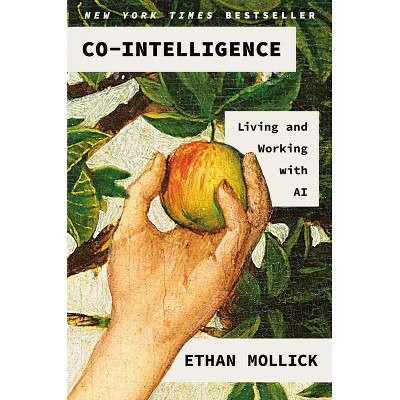
Co-Intelligence by Ethan Mollick (Hardcover) | Target | US$17.49
Written by a Wharton professor who works with these tools every day, this is the friendliest serious book on living and working with AI. Clear, practical, and full of examples you can try the same afternoon you start it. If you read one book from this list, make it this one.
2. The Big Picture, Clearly Explained
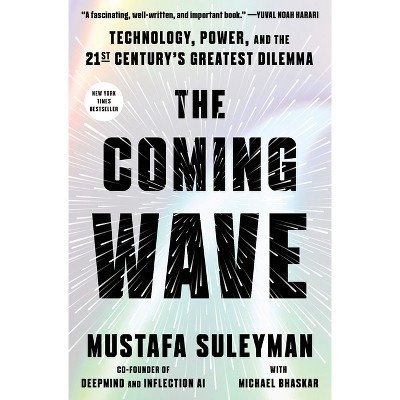
The Coming Wave by Mustafa Suleyman (Hardcover) | Target | US$18.83
A bigger-picture read from one of AI’s pioneers about where the technology is heading and what it means for the rest of us. Thoughtful rather than alarmist, and it will quietly change how you read the headlines.
3. The Optimist’s Guide to Learning
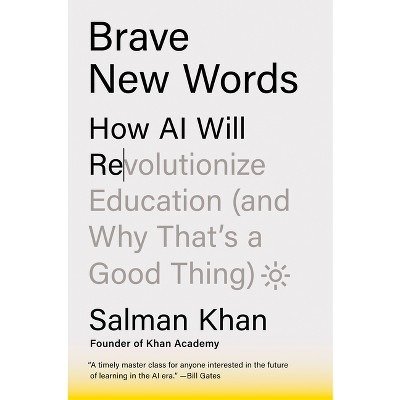
Brave New Words by Salman Khan (Hardcover) | Target | US$16.93
The Khan Academy founder’s warm, optimistic tour of AI in education and everyday learning. Especially good if you are curious how these tools can help you learn anything faster, at any age.
4. The Global Story, Told Simply
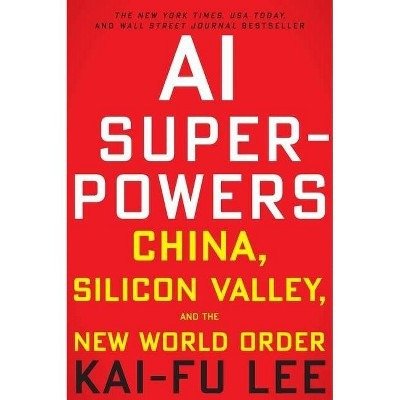
AI Superpowers by Kai-Fu Lee (Paperback) | Target | US$10.99
A clear-eyed look at the global AI story from someone who has lived it on two continents. Short, readable, and excellent on the human side of the technology.
5. The Most Human Book on the List
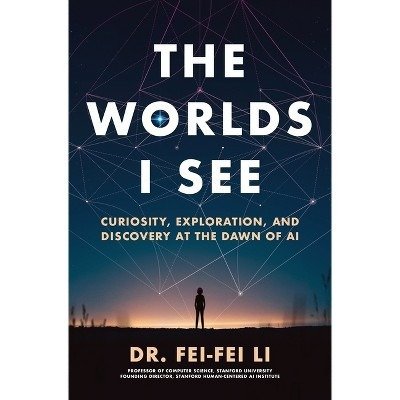
The Worlds I See by Fei-Fei Li (Paperback) | Target | US$14.33
The memoir of one of AI’s most influential scientists, and a beautiful story about curiosity and building a field from the ground up. The most human book on this list.

The takeaway
AI will not replace your judgment, your taste, or your voice. Used gently, it simply hands you back the hours those things deserve.
Affiliate disclosure: Elegant & Driven participates in affiliate programs. If you purchase through links on this page, we may earn a commission at no extra cost to you. Editorial always comes first.