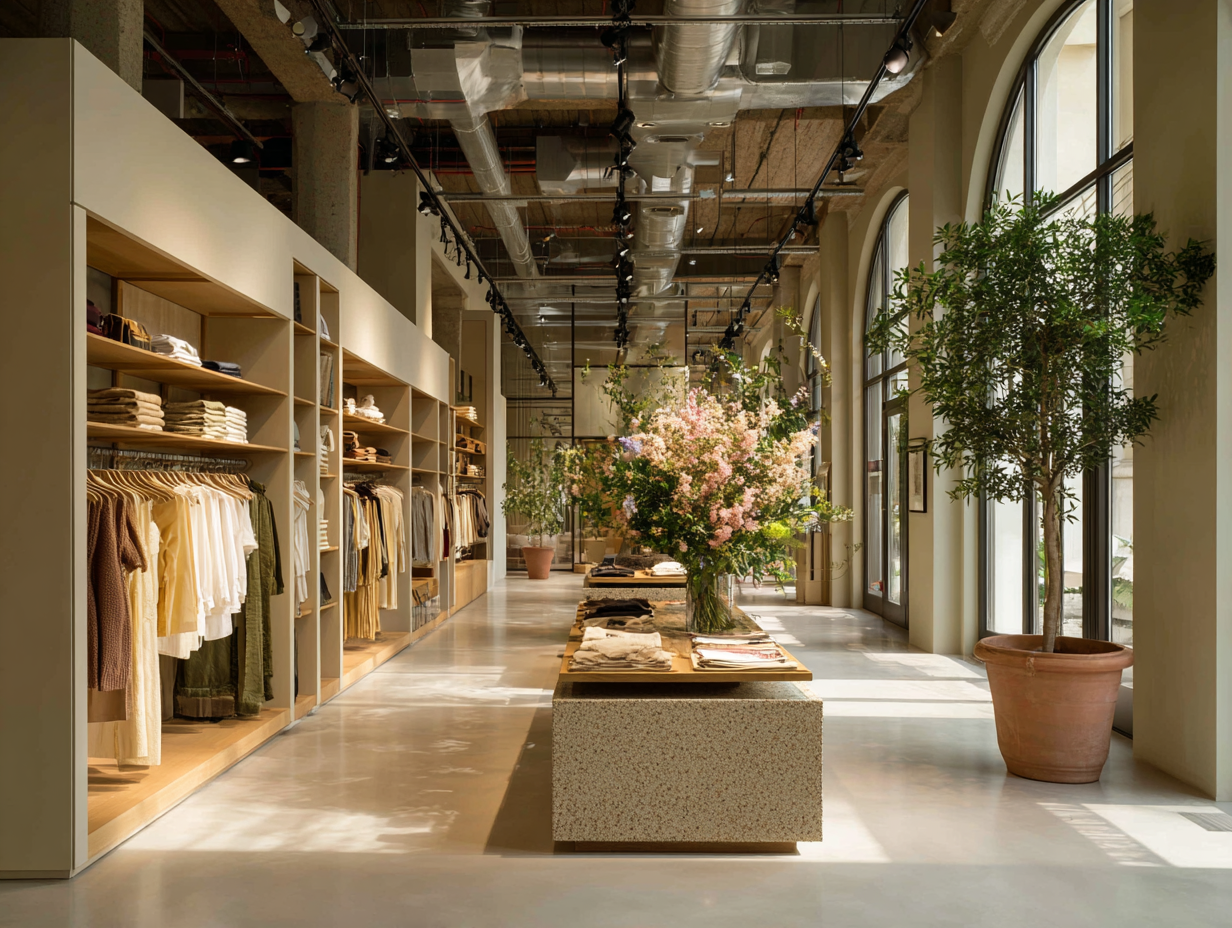

Zara’s Price Tag Is Climbing — But So Is Its Style Game
If you’ve recently walked into a Zara store or scrolled through their new arrivals online, you may have asked yourself: Wait, since when did Zara become this expensive?
It’s not just your imagination. Zara is evolving — and with that evolution, a noticeable increase in price points has come. But dig a little deeper, and it’s clear: this isn’t just inflation or brand inflation. Zara is quietly shifting its position from being purely fast fashion to something more refined, more durable, and — surprisingly — more sustainable.
Let’s explore what’s behind the rise in cost, and whether it’s still worth shopping at Zara in 2025.
From Polyester to Wool: The Quality Upgrade
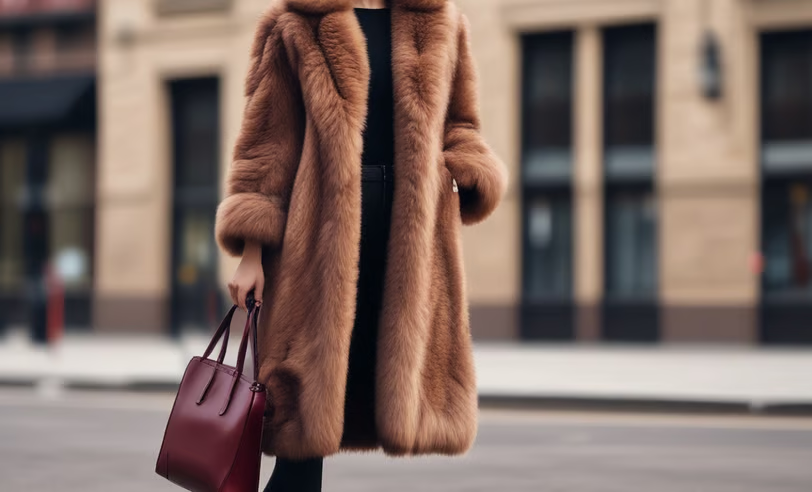
Zara was once synonymous with quick trends, fast turnover, and materials that leaned heavily on polyester, acrylic, and synthetic blends — especially in their outerwear. Coats and jackets were often stylish, yes, but not necessarily built to last.
That’s changed.
Today, their collections are filled with wool blends and even 100% wool coats, rivaling those found at brands like Massimo Dutti or Mango Premium. Their knitwear also now often features merino wool, alpaca, or responsible cotton blends. You’ll still find budget-friendly basics, but mixed in are hero pieces that feel far more premium.
This evolution reflects a larger trend: high street brands competing with mid-market and entry luxury lines — without entirely abandoning their base.
The Rise of Zara’s “Designer” Accessories
Zara’s accessory line has seen a dramatic glow-up.
Their handbags, in particular, have stepped into the spotlight this season. With clean silhouettes, gold hardware, quilted textures, and a muted palette, these pieces channel the quiet elegance of designer staples — without the four-digit price tags. But they’re no longer $29.90 either. Many now hover in the $69–$149 range, signaling a new era for Zara accessories.
The goal? To blend trend-forward design with investment-feel quality — even if it means stepping out of the budget-only category.
Price Points Are Shifting — But So Is the Strategy
Zara hasn’t abandoned its accessible roots. You can still walk in and find trousers under $60, cotton shirts for $39.90, and fashion-forward pieces under $50. But there’s a new tier emerging:
| Zara Item Category | Past Price Range | 2025 Price Range | Quality Difference |
|---|---|---|---|
| Wool-blend Coats | $99–$129 | $149–$249 | Now includes up to 100% wool |
| Blazers | $69–$99 | $99–$149 | Tailored fits, lined interiors |
| Handbags | $29–$49 | $69–$249 | Structured, trend-forward, higher finish |
| Knitwear | $39–$59 | $49–$129 | Use of wool, alpaca, better silhouettes |
Zara seems to be experimenting with premium capsules within its broader offerings, catering to both its traditional customer base and a more discerning shopper who wants a step above fast fashion — but still under $300.
Is Zara Becoming More Sustainable?
While Zara doesn’t always lead with sustainability in its marketing, the price and quality shift is part of a broader Inditex strategy: to increase the use of responsible materials, improve garment durability, and reduce waste over time.
Zara has committed to 100% more sustainable or recycled materials by 2030, and some of their higher-priced items already carry Join Life tags indicating responsible sourcing and processes.
By offering better fabrics and more timeless pieces, Zara may be gently nudging consumers toward buying less, but better — a message previously reserved for minimalist and slow-fashion circles.
Final Thoughts: Should You Still Shop at Zara?
The answer is yes — but with a mindset shift.
Zara today is less about stocking up on 10 new things and more about hunting for one or two great ones. It’s a place where you can still find the occasional impulsive piece and discover something that rivals mid-tier designer brands in look and feel.
For the stylish, intentional shopper, Zara remains a treasure hunt. Just know that the treasures now come with a slightly higher price tag — and, in many cases, a longer life span in your wardrobe.