

Water-Soluble vs. Fat-Soluble Vitamins: What You Take Isn’t Always What You Absorb
Let’s talk about something many people don’t realize:
Just because you take a vitamin doesn’t mean your body absorbs it.
In the health world, supplements are everywhere — tiny capsules promising glowing skin, stronger immunity, better focus. But have you ever paused to ask: Is my body actually absorbing this?
The answer depends on whether the vitamin is water-soluble or fat-soluble — and what you eat with it.
Why This Matters: The Vitamin Absorption Gap
Our bodies are designed to absorb nutrients through food in a dynamic system that depends on enzymes, bile, hydration, and fat. When we isolate a vitamin into a pill, we often forget the natural conditions that make it bioavailable.
This article will walk you through:
- The key differences between water- and fat-soluble vitamins
- Why absorption is not automatic
- What your body actually needs to make the most of your vitamins
- A short list of real foods to support better absorption
Let’s dive in.
Water-Soluble Vitamins: Quick to Absorb, Easy to Lose
Water-soluble vitamins dissolve in water. This means they’re quickly absorbed into your bloodstream — and just as promptly flushed out if not used. That’s why they need to be replenished more often.
✅ Includes:
- Vitamin C
- All B Vitamins
How they get absorbed:
Once consumed, these vitamins dissolve in the water-based fluids of your digestive tract and enter the bloodstream directly.
Your body uses what it needs right away — and eliminates the rest through urine.
Here’s the catch:
If your body is dehydrated, has gut absorption issues, or you’re taking high doses all at once, a significant portion may not be utilized.
Food Sources:
- Vitamin C: citrus fruits, bell peppers, strawberries, kiwi
- B Vitamins: leafy greens, eggs, legumes, dairy, whole grains, meats
Fat-Soluble Vitamins: Stored Long-Term, But Need Fat to Work
Fat-soluble vitamins require fat (dietary) to be absorbed. Instead of dissolving in water, they travel with fat molecules through your lymphatic system before entering your bloodstream.
These vitamins can be stored in our liver and fat tissues for days — or even months — making overdose more of a risk, but deficiency less immediate.
✅ Includes:
- Vitamin A
- Vitamin D
- Vitamin E
- Vitamin K
How they get absorbed:
Fat-soluble vitamins attach to dietary fat (like oil or butter) and require bile acids to break them down. If you take a fat-soluble vitamin on an empty stomach or without fat, it may pass right through you with minimal absorption.
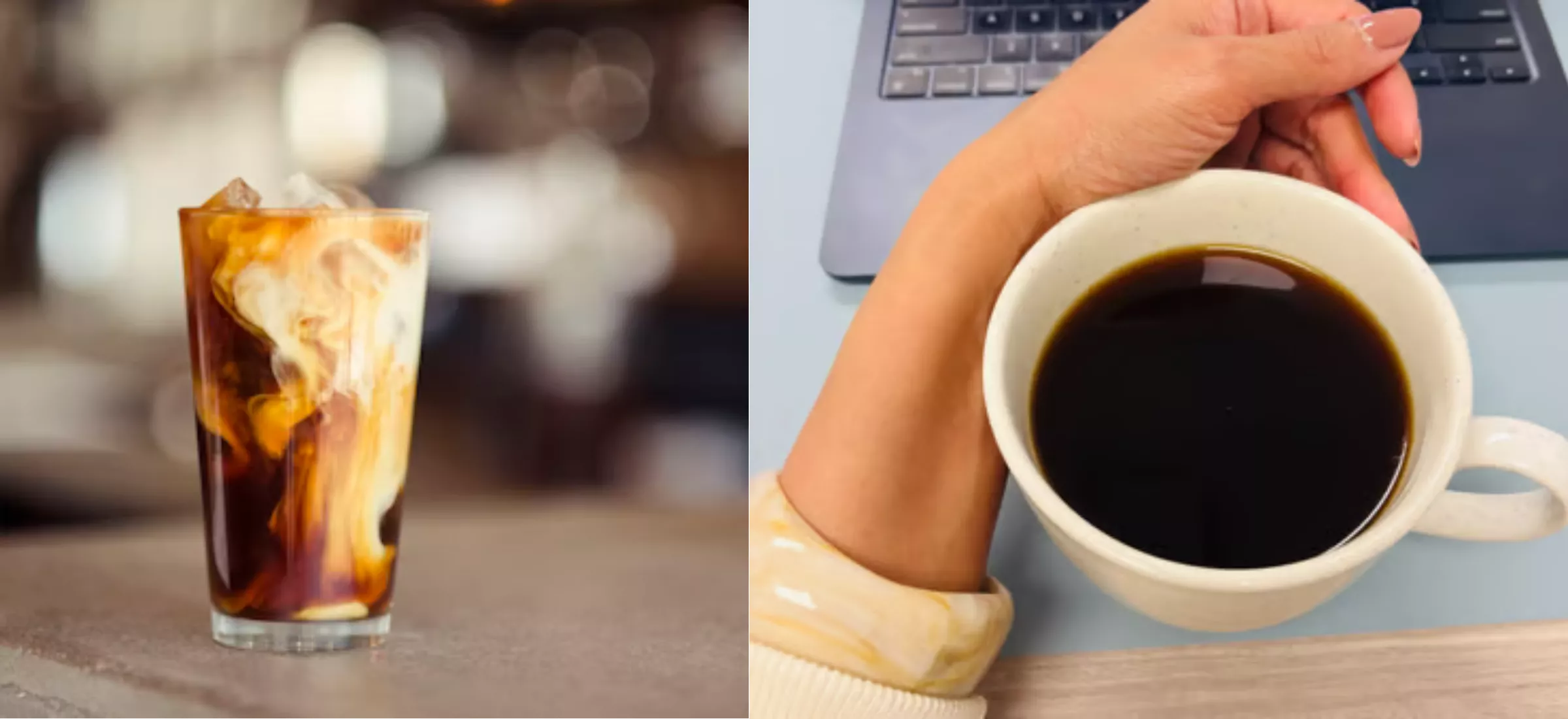
This is why popping a Vitamin D pill with black coffee probably won’t do much.
However, taking it with a meal that includes healthy fats, such as olive oil or eggs, increases your likelihood of absorption.
🥑 Food Sources:
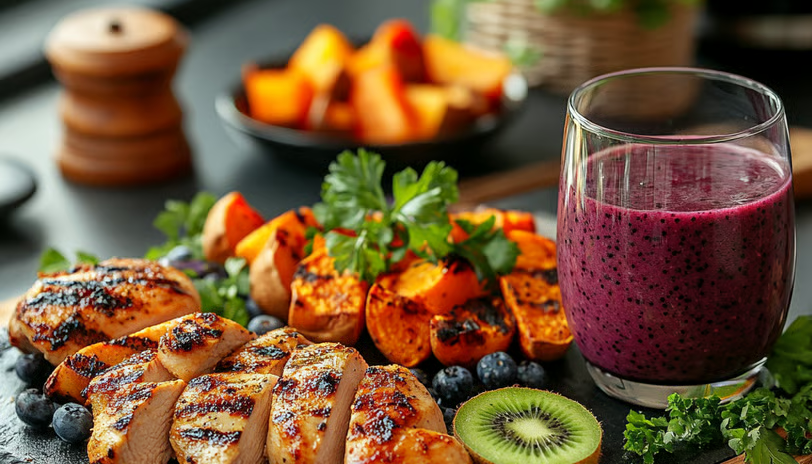
- Vitamin A: sweet potatoes (my favourite), liver, carrots, spinach
- Vitamin D: fatty fish, egg yolks, sunlight exposure (my favourite)
- Vitamin E: almonds, sunflower seeds, avocado (my favourite)
- Vitamin K: kale, broccoli, fermented foods (my favourite)
Related Reads You Might Enjoy:
-
Fiber 101: Why I Always Recommend a High-Fiber Lifestyle
Build a gut that absorbs nutrients better. -
Protein 101: Everything You Need to Know About Protein
How protein helps build, repair, and regulate your body.
The Missing Piece: Bioavailability
This is the word you really want to remember: bioavailability — or how well a nutrient can be absorbed and used by your body.
It’s not just what you eat. It’s what you absorb.
- A high-quality multivitamin can still be ineffective if taken on an empty stomach with water.
- A whole-food source rich in both vitamins and cofactors (like fat or fiber) can often be more potent than a supplement.
Absorption is a whole-body process — influenced by:
- Gut health and microbiome balance
- Your liver and digestive enzyme function
- The presence (or absence) of other nutrients
- Whether you’re eating real food or synthetic isolates
Final Thought: Take Your Vitamins with Wisdom
If you’re investing in supplements or multivitamins, don’t skip the most crucial step — understanding how your body actually processes them.
- Water-soluble = take regularly, hydrate well
- Fat-soluble = take with meals containing healthy fats
Start noticing how your body feels, and how it responds to nutrients when timing and pairing are intentional.
Because health isn’t just about what you add in — it’s about what your body can actually use.
🔖 Save This Quick Cheat Sheet
| Type | Vitamins | Needs for Absorption | Best Taken With |
|---|---|---|---|
| Water-Soluble | B-complex, C | Water, good gut function | Hydrating meals or smoothies |
| Fat-Soluble | A, D, E, K | Healthy fat + bile acids | Meals with olive oil, avocado, eggs |
A Note from Me:
I’m a big believer in getting your vitamins through whole, seasonal, nutrient-dense foods — just like the ones you see featured in my TikTok and Instagram feed.
Food is information for your body, and nature delivers it in the most bioavailable packages.
Of course, supplements have their place. But always check with your medical advisor before taking any vitamins — especially fat-soluble ones, which can build up in your system over time.
Your body knows what to do when you give it the right tools — food, hydration, and a little bit of wisdom.
📘 Eat Fat, Get Thin by Dr. Mark Hyman
Want to understand the science behind why fat isn’t the enemy?
This groundbreaking book explains how healthy fats support metabolism, brain health, and weight loss — without calorie obsession.
Grab the book here on Amazon
![Eat Fat Get Thin: Why the Fat We Eat Is the Key to Sustained Weight Loss and Vibrant Health [Paperback] [Jan 01, 2016] Dr. Mark Hyman](https://m.media-amazon.com/images/I/71kXVRFFR1L._SL160_.jpg)

🍳 Eat Fat, Get Thin Cookbook by Dr. Mark Hyman
Looking for practical recipes that follow the fat-friendly lifestyle?
This cookbook turns theory into delicious meals — all built around clean fats and nutrient-dense whole foods.
Get the cookbook here on Amazon