
Velvet: The Material That Has Defined Luxury for Centuries
Even before I knew the language of design, before I understood materials, eras, or aesthetics, velvet stood out to me.
I noticed it as a child while watching films and television, especially historical dramas, palace scenes, and period pieces where rooms felt heavy with richness and intention. I noticed it while traveling, even before I consciously paid attention to interiors. My eyes were always drawn to the same detail: deep, soft upholstery receiving the light differently than everything else around it.
Later, as travel became part of my adult life, the pattern repeated itself.
In some of the most luxurious hotels across London, Paris, New York, Hong Kong, and Chicago, velvet appeared again and again; on sofas, hotel lobbies, on upholstered headboards, on dining chairs, lounge seating, and accent chairs. Sometimes it felt modern and sculptural. Sometimes traditional and old-world. But it always felt intentional.
Velvet has followed me through decades, continents, eras, and styles, and that is no accident. This is a material with history, symbolism, and emotional power.
This article explores why velvet has become a symbol of enduring luxury, examining its origins, lasting impact on design moods, and the reasons I consistently use it throughout my home and curated décor collections.
The Origins of Velvet: A Fabric Born of Power and Prestige
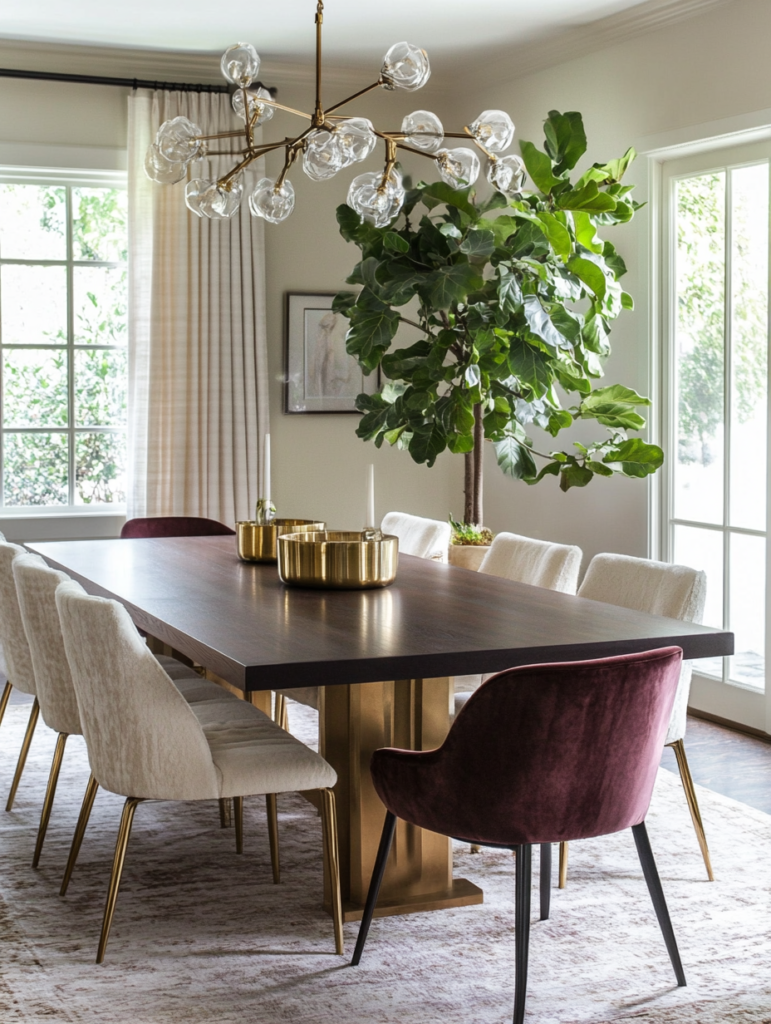
Velvet is not a modern invention; it is one of the most historically significant textiles in interior and fashion design.
It is believed that the earliest forms of velvet originated in China as early as 2000 BCE, where silk pile fabrics were developed for royalty and the elite. From there, the technique traveled westward along the Silk Road, eventually reaching the Middle East and Europe.
By the Middle Ages, velvet had become synonymous with wealth, power, and authority.
In Italy, particularly in cities like Venice, Florence, and Genoa, velvet production reached extraordinary levels of craftsmanship during the 13th–16th centuries. Italian velvet was so valuable that it was regulated by guilds, reserved for nobility, clergy, and royalty, and often depicted in portraits of kings, queens, and religious leaders.
Velvet was used not only for clothing, but extensively in interiors:
- Draperies in palaces
- Upholstered thrones and seating
- Wall hangings and tapestries
- Bed canopies and headboards
It was a material that communicated status without explanation.
Even centuries later, when you watch period films or historical dramas set in the 18th century or earlier, velvet is everywhere — deep jewel-toned chairs, dramatic curtains, regal sofas. It visually anchors power and permanence.
That visual language has never disappeared. (Watch the palaces in season 2 of White Lotus, you will know what I mean)
What Makes Velvet So Distinctive
Velvet is defined by its pile construction — short, dense fibers cut evenly so they stand upright, creating a surface that reflects light differently depending on direction.
This is what gives velvet its signature qualities:
- A soft, plush hand-feel
- A subtle sheen that shifts with movement
- Depth of color unmatched by flat-woven fabrics
Unlike linen or cotton, velvet does not sit flat. It absorbs and reflects light simultaneously, giving it a dimensional, almost living quality.
This is why even small touches of velvet feel luxurious.
Velvet and Color: Why Jewel Tones Feel Natural
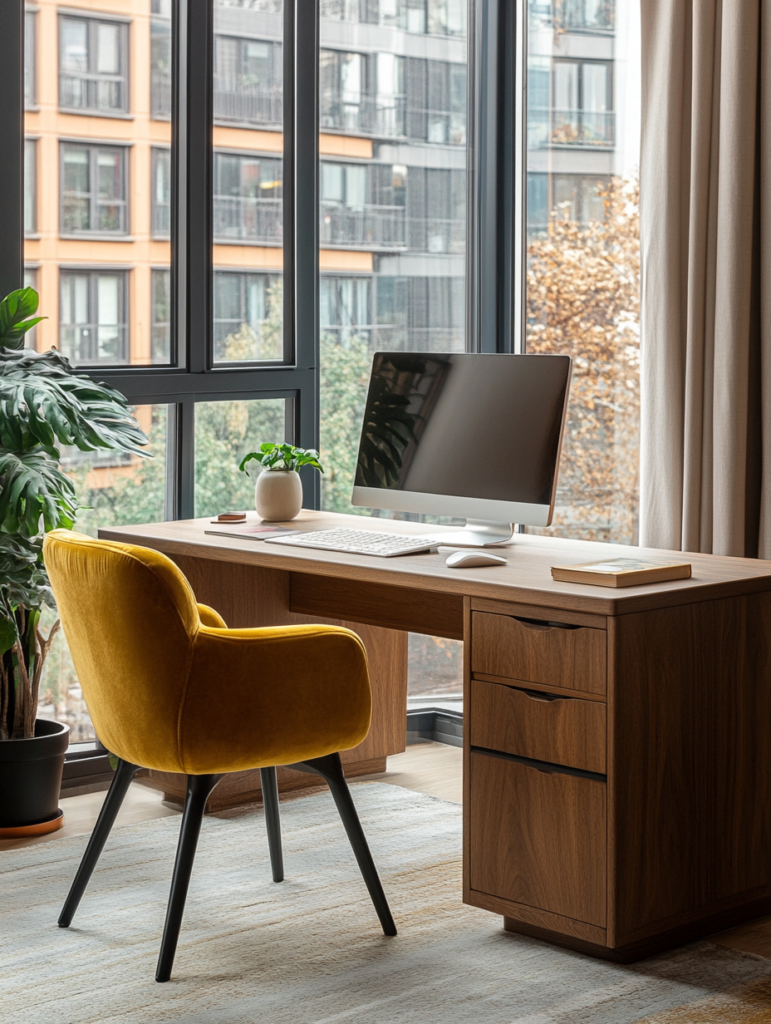
Velvet has historically been dyed in rich, saturated tones, and for good reason — the pile structure holds pigment beautifully.
Across centuries, certain colors have remained timeless in velvet:
These colors feel natural on velvet because they enhance its depth rather than compete with it.
When light hits a velvet emerald sofa, for example, the color shifts subtly, darker in shadow, luminous in highlight. This creates visual interest without pattern or embellishment.
It is quiet drama.
Why Velvet Keeps Returning — Even in Modern Homes
Despite its historical associations, velvet is remarkably adaptable.
I have seen velvet used beautifully in:
- Ultra-modern penthouses
- Minimalist apartments
- Traditional European homes
- Boutique hotels
- Contemporary luxury condos
The reason velvet never feels outdated is because it responds to context.
In a modern space, velvet softens sharp lines and hard materials.
In a traditional space, it reinforces warmth and heritage.
In a minimalist home, it becomes the focal point.
In a traditional space, it reinforces warmth and heritage.
In a minimalist home, it becomes the focal point.
Velvet doesn’t shout. It grounds.
Velvet as a Mood-Setter
Within the philosophy of design as energy, velvet carries a very specific emotional signature.
Velvet feels:
- Grounded
- Cocooning
- Protective
- Calm yet confident
Unlike slick or reflective materials, velvet absorbs sound and light. This creates spaces that feel quieter, slower, and more intimate.
This is why velvet works so well in:
- Living rooms
- Bedrooms
- Reading corners
- Lounge areas
- Dining spaces meant for lingering
It encourages presence.
My Personal Relationship with Velvet
As I moved deeper into home décor and content creation, velvet stayed with me.
I began noticing how effortlessly it paired with materials I already loved:
- Marble coffee tables
- Solid wood furniture
- Warm brass and gold accents
- Neutral walls
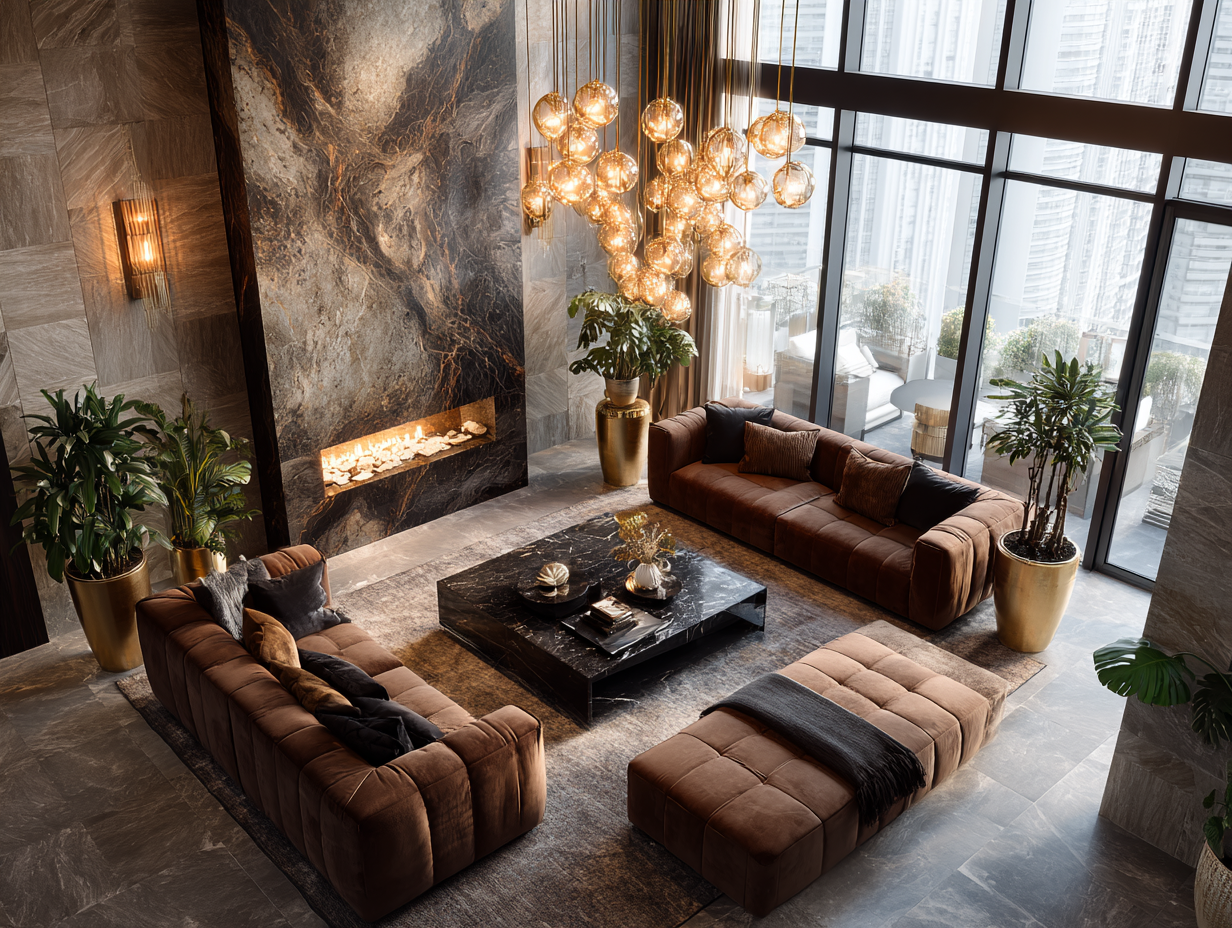
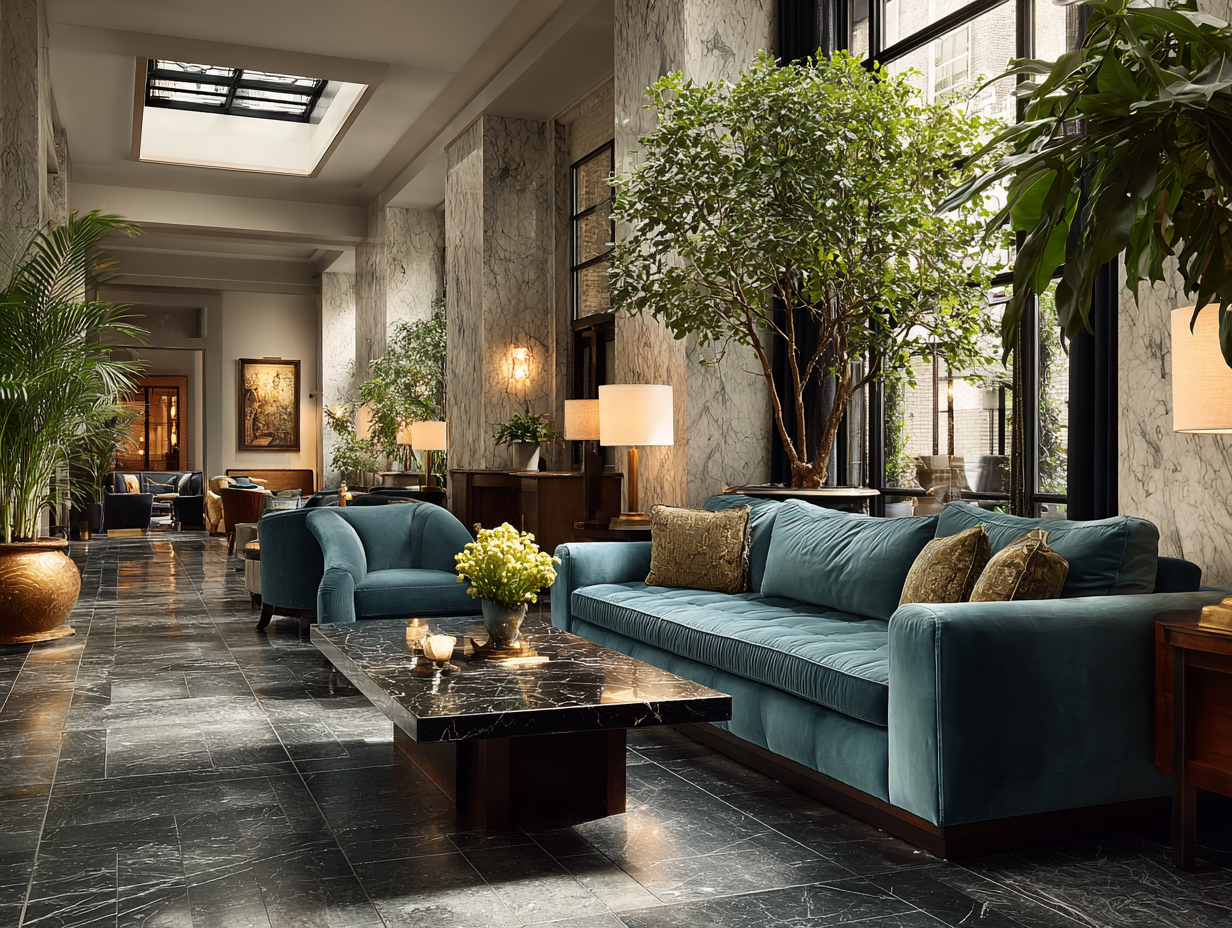
A bold velvet sofa paired with a marble-and-wood coffee table creates balance, softness meeting structure.
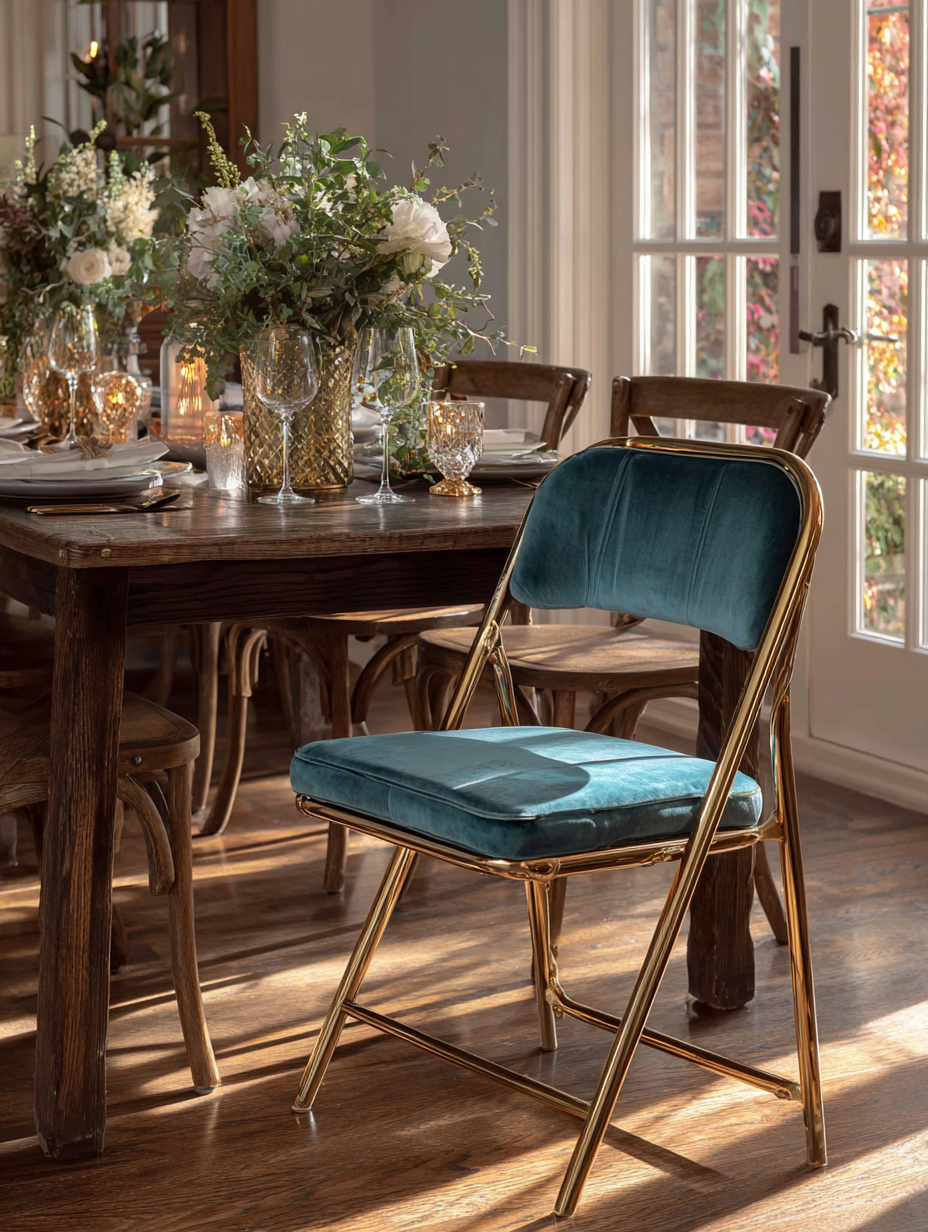
A velvet accent chair next to a wooden table and a gold lamp feels intentional, layered, and timeless.
Once you begin to truly see velvet, you notice it in hotels, restaurants, films, and interiors that evoke quiet luxury.
Decorating with Velvet: How to Use It Intentionally
Velvet works best when treated as a hero material, not filler.
1. Velvet Sofas
A velvet sofa immediately anchors a living space. Choose classic silhouettes and let the fabric speak for itself.
Best colors:
- Emerald
- Navy
- Warm brown
- Soft taupe
Pair with:
- Marble or stone coffee tables
- Wood accents
- Neutral rugs
2. Velvet Accent Chairs
Accent chairs are an ideal way to introduce velvet.
Perfect for:
- Reading corners
- Bedrooms
- Living room layering
They add softness without commitment.
3. Velvet Dining Chairs
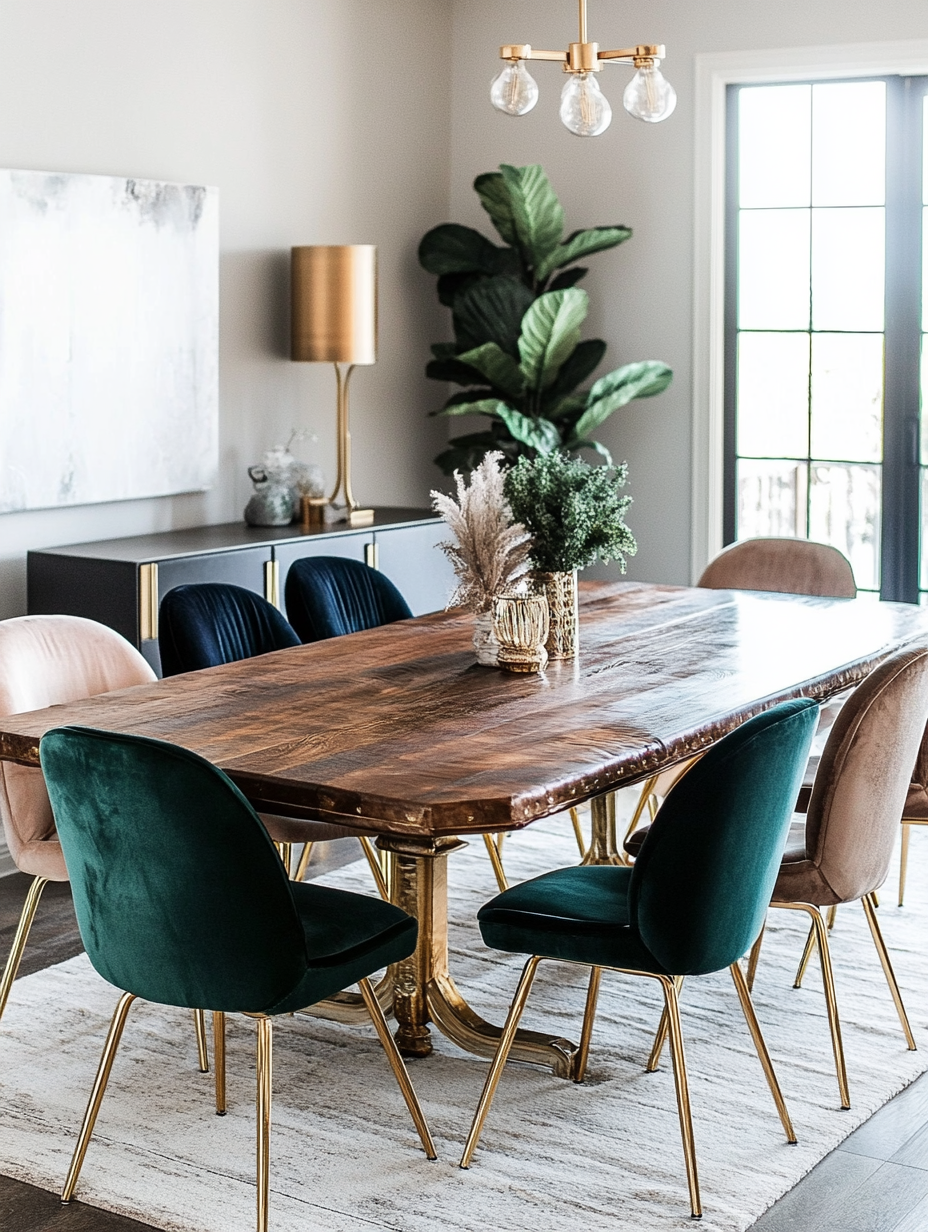
Velvet dining chairs elevate everyday meals.
They bring:
- Comfort
- Sophistication
- A sense of occasion
Choose darker tones for lastingness and easy maintenance.
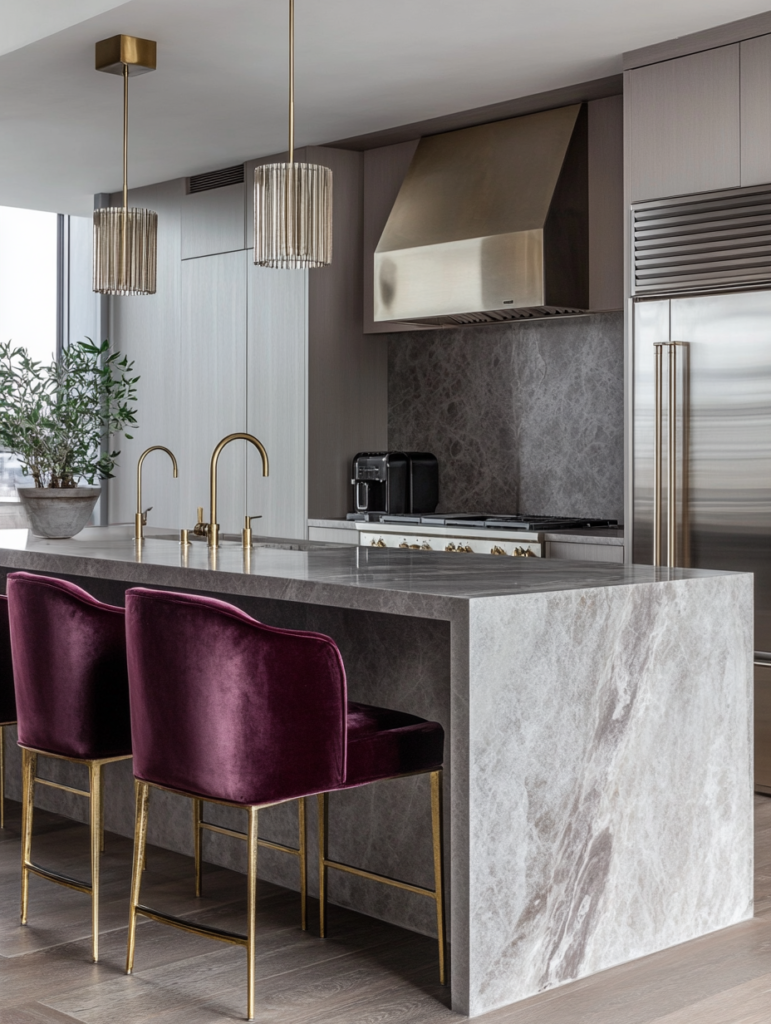
4. Velvet Kitchen Island Chairs
One of my favorite modern applications.
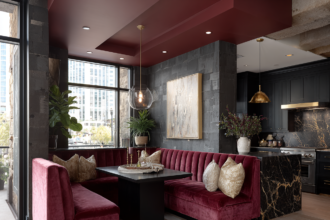
Velvet counter chairs and stools soften kitchens dominated by stone, metal, and cabinetry — adding warmth without clutter.
Velvet Throughout My LTK Home Décor Store
When I curated my entire home décor LTK store, velvet naturally appeared everywhere.
Not because it was trendy — but because it consistently delivered:
- Visual depth
- Emotional warmth
- Timeless appeal
From:
- Dining chairs
- Kitchen island stools
- Sofas
- Corner chairs
Velvet became a recurring thread.
It ties spaces together quietly, never loud, never fleeting.
Modern Velvet vs Historical Velvet
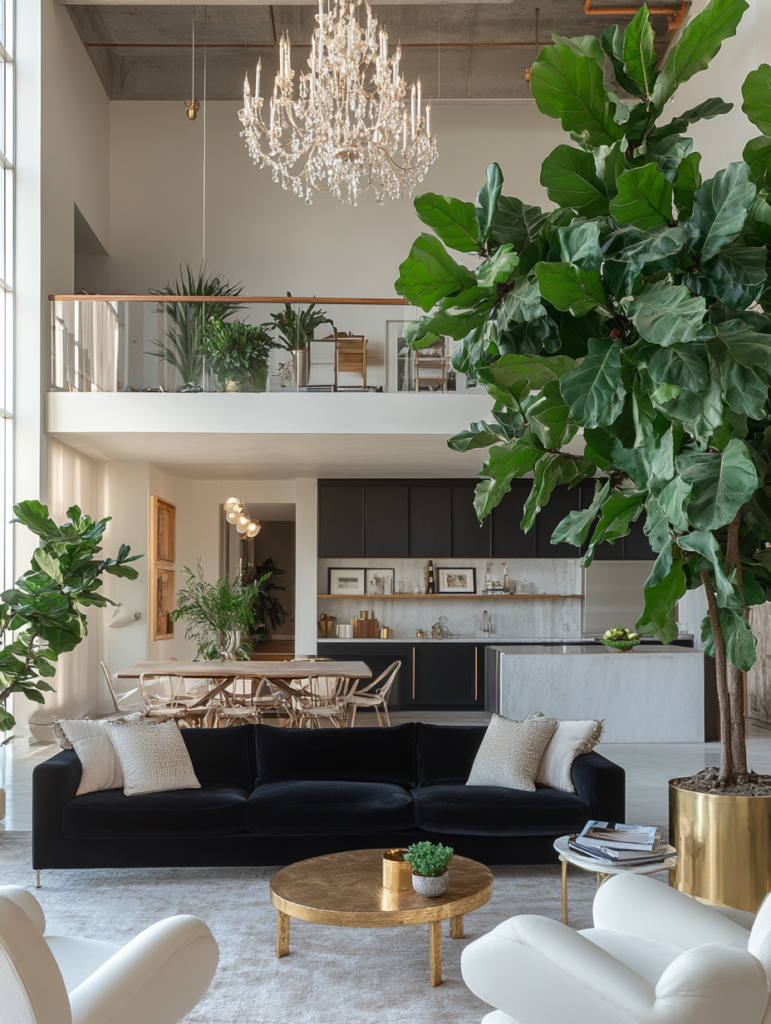
While traditional velvet was primarily silk-based, modern velvet comes in a variety of compositions:
- Cotton velvet
- Silk velvet
- Synthetic blends
- Performance velvet
Performance velvets, in particular, have made velvet easier to access and practical for modern living, resistant to wear, spills, and fading.
This evolution allows velvet to exist not just in formal spaces, but in everyday homes.
Velvet and Longevity
Velvet is not a fast-decor choice.
It is a material you choose when you want:
- Depth instead of novelty
- Mood over trend
- Longevity over instant gratification
Well-made velvet pieces age beautifully, developing character rather than looking worn.
Velvet in the Modern Home: Why It Feels So Right Now
For nearly a decade, home décor has been dominated by a very specific aesthetic language: ivory walls, pale woods, boucle textures, minimalist silhouettes, and a sense of visual restraint that leaned heavily toward neutrality.
That era is now shifting.
We are collectively moving away from homes that feel curated for the internet and toward homes that feel curated for the self.
Across design, we are seeing the return of:
- Mid-century influences
- 1970s warmth and richness
- 1980s confidence and scale
- 1990s comfort-forward luxury
With this shift comes a renewed openness to bold color, depth, and materiality — and velvet fits this current chapter perfectly.
Brown Is the New Neutral — And Velvet Flourishes in It
One of the most telling changes in modern interiors is the return of brown as a basic neutral.
For years, brown was pushed aside in favor of gray, white, and beige. Today, it is back, not as an accent, but as a base.
Warm browns, chocolates, caramels, and taupes now anchor living rooms, dining spaces, and bedrooms. These tones feel grounding, mature, and emotionally rich.
Velvet enhances this effect.
A brown velvet sofa grounds the room. It brings warmth without heaviness, richness without excess. The pile catches light softly, preventing dark tones from feeling flat or oppressive.
This is why velvet works so seamlessly in the current design moment: it supports substance without chaos.
From Minimalism to Expression
Minimalism taught us restraint.
But expression is teaching us meaning.
As homes become more personal, materials are no longer chosen only for aesthetics; they are chosen for how they make us feel.
Velvet matches this emotional turn in design.
It welcomes touch. It absorbs sound. It softens the sharpness of modern life.
In homes layered with marble, stone, glass, and metal, velvet restores balance. It brings humanity back into the space.
The Home as the New Status Symbol
There has been a quiet but meaningful shift in how luxury is expressed.
Fashion luxury, once rare and exclusive, is now widely accessible. Logos, designer labels, and trend-driven pieces are everywhere.
As a result, the home and the ability to travel freely have become the new status symbols.
Not in a loud way, but in a profoundly personal one.
A well-designed home now communicates:
- Taste
- Discernment
- Emotional intelligence
- A sense of self
Velvet plays an essential role here.
It is not flashy. It does not rely on branding. Its luxury is understood, not announced.
Choosing velvet says something subtle yet powerful: I value depth over novelty.
Why Velvet Belongs in This New Design Era
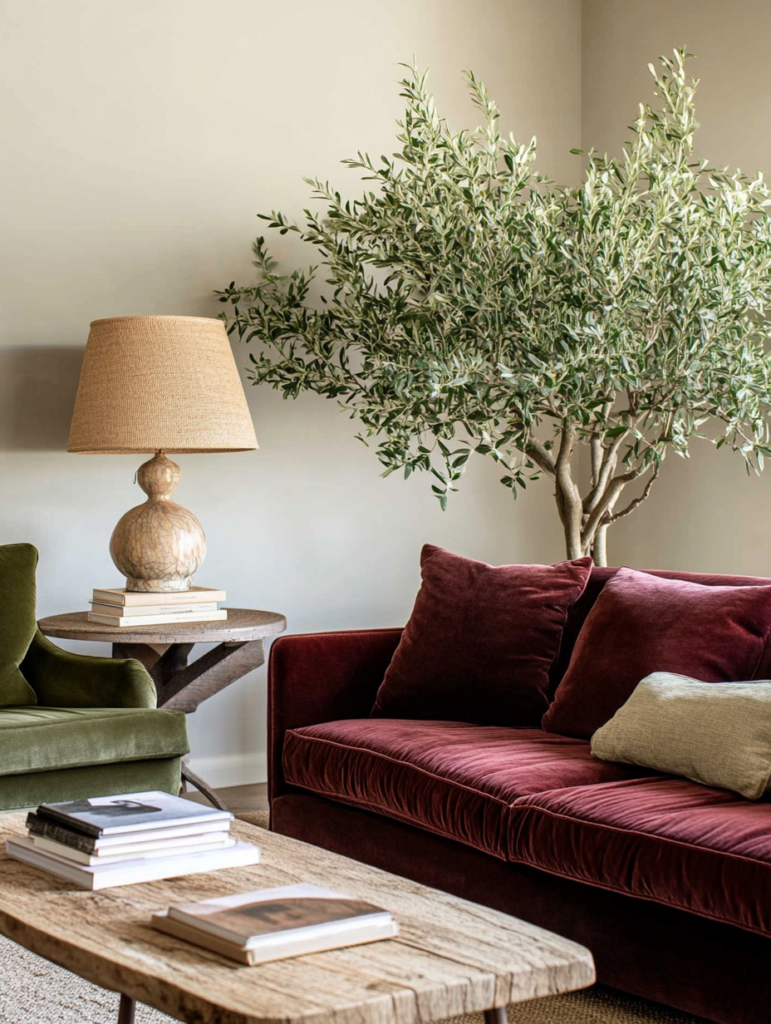
As bold colors return and silhouettes grow more confident, velvet appears less like a revival and more like a natural evolution.
It works easily with:
- Mid-century furniture forms
- Curved 70s-inspired seating
- Sculptural coffee tables
- Warm woods and brass finishes
Velvet bridges eras. It carries history while feeling completely current.
In this new aesthetic landscape — one that values individuality over imitation — velvet is no longer an accent from the past.
It is a material of now.
Why Velvet Will Always Matter
Velvet has survived centuries of changing tastes, revolutions in design, and changes in lifestyle because it satisfies something deeper than fashion.
It answers a human desire for:
- Comfort
- Beauty
- Quiet luxury
- Emotional grounding
In a society increasingly dominated by speed, screens, and sharp edges, velvet reminds us to soften.
It welcomes touch.
It holds light.
It holds history.
And when used thoughtfully, it holds a space together — emotionally as much as visually.
Velvet is not simply a material.
It is a feeling.
And that is why it continues to belong in our homes — now, and for centuries to come.
Need Inspiration to Decorate Your Home?
If velvet speaks to you — whether through sofas, dining chairs, accent seating, or quiet statement pieces — you’re not alone.
We’ve curated hundreds of velvet-focused edits featuring velvet sofas, velvet chairs, velvet dining seating, and layered interiors designed for both large homes and small spaces.
These edits reflect the same philosophy you’ve just read:
intentional materials, cohesive color stories, and timeless elegance.
👉 Explore our Velvet Edit on LTK here
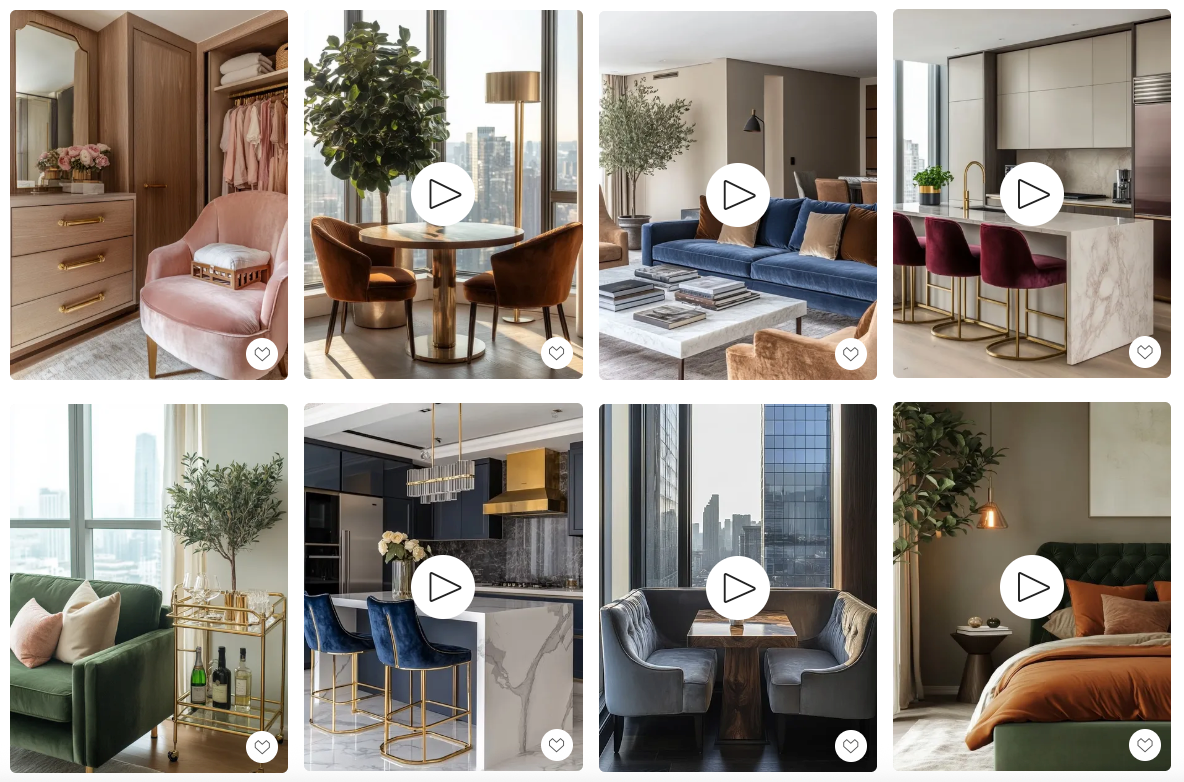
Elegant décor isn’t about trends or square footage.
It’s about choosing pieces that feel right — and building from there.