Traditional Libraries Are Out. Thought Processing Spaces Are In.
Before I say this, let me be clear—because I can already hear the backlash.
I love books.
I read constantly. I collect books across personal growth, wellness, entrepreneurship, design, and psychology. I rarely read fiction—not because it lacks value, but because my curiosity leans toward understanding life, systems, and the mind. I also collect coffee table books as a hobby —art, interiors, fashion, architecture. I flip through them slowly, visually, intuitively. They’re part of how I think.
So this is not an article about undervaluing traditional libraries.
It’s an article about how modern life has changed how we think, create, and need space—and how our homes are quietly evolving with us.
Traditional libraries, as we once knew them, are no longer enough.
What’s emerging instead are thought processing spaces—intentional corners and rooms designed not just for reading, but for processing life itself.
Why the Traditional Home Library No Longer Fits Modern Life
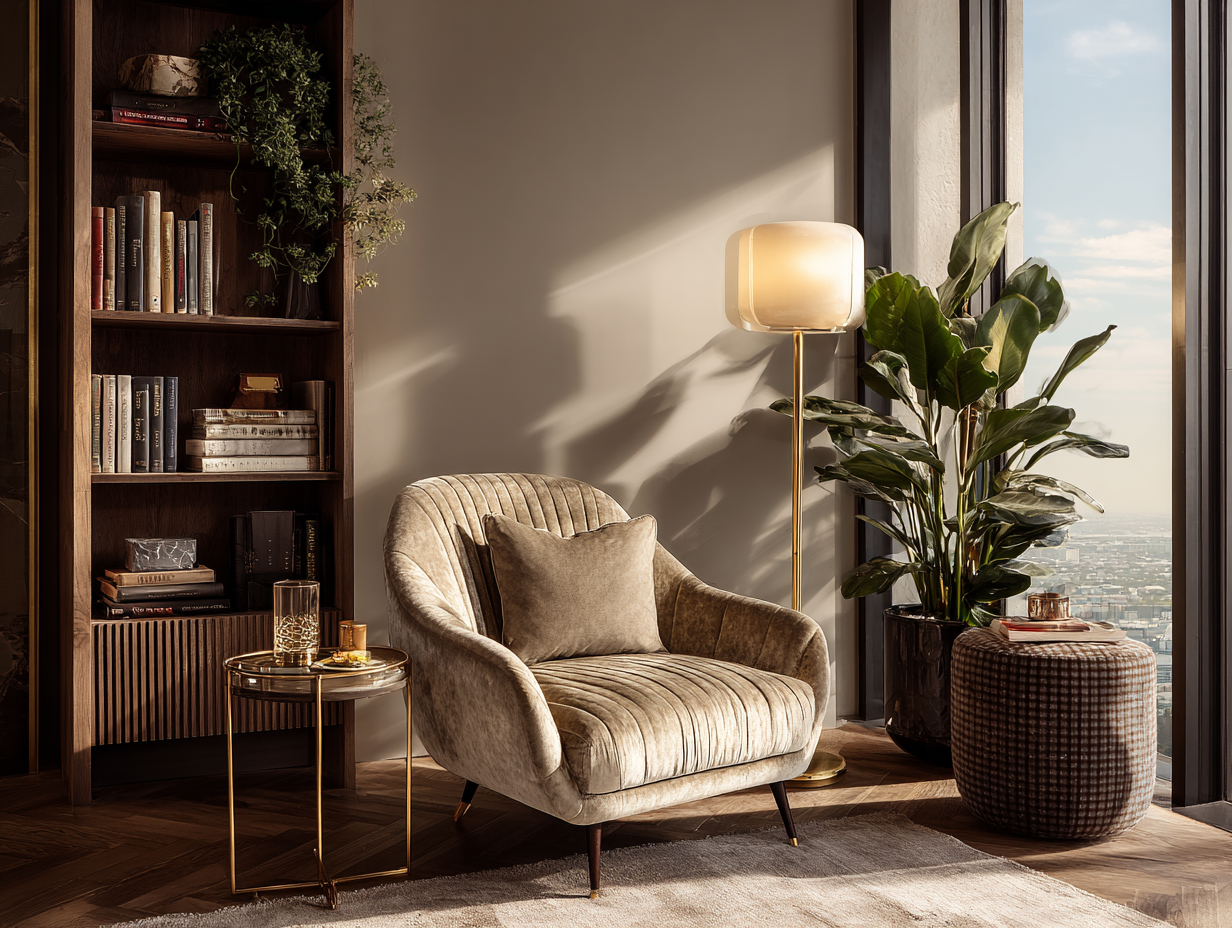
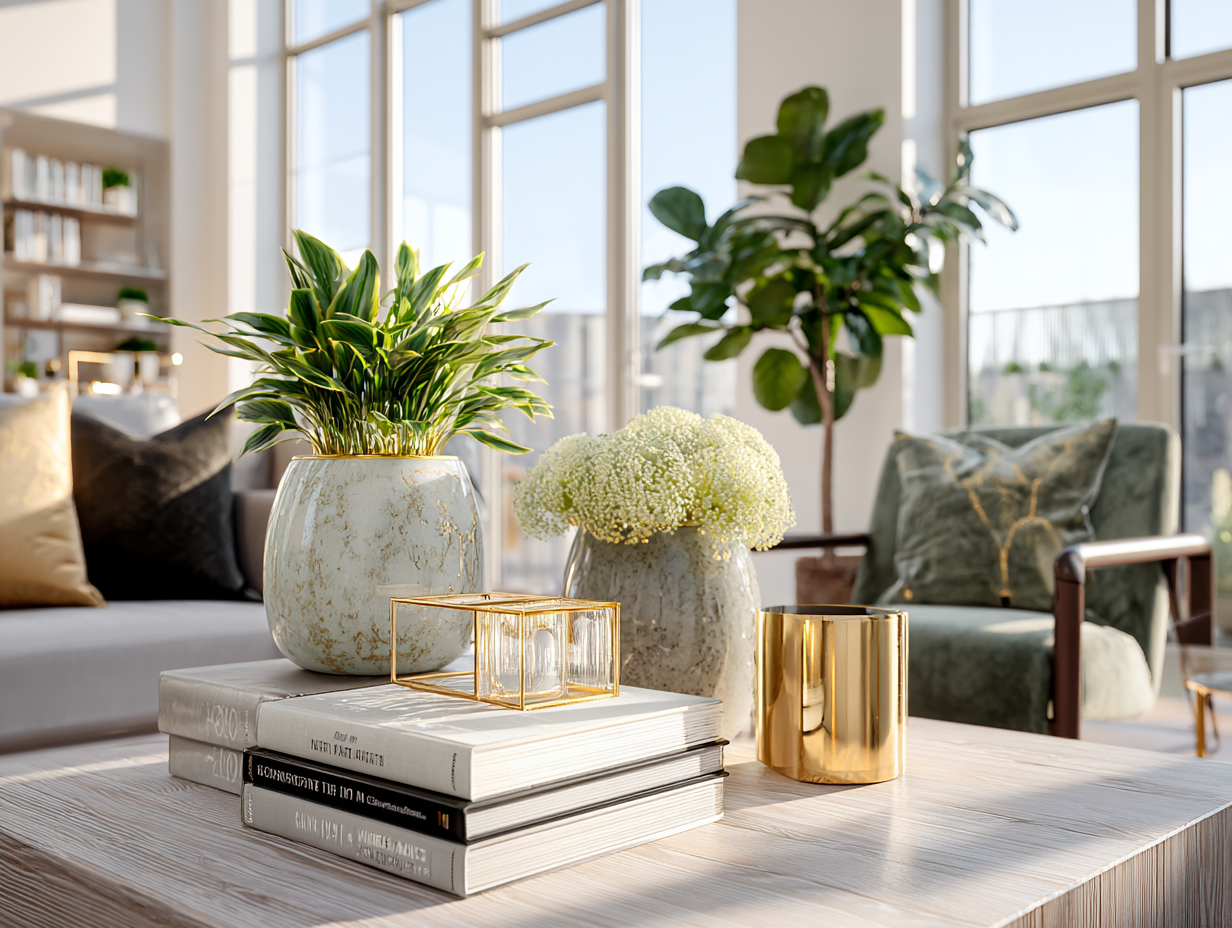
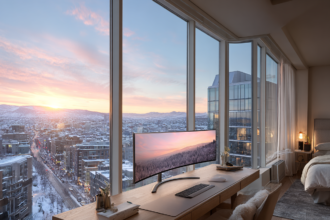
A light-filled thought processing corner designed for calm reflection, journaling, and intentional moments of stillness.
The traditional library was built for a different era.
An era where:
Life moved slower
Distractions were fewer
Reading was the primary form of mental engagement.
Work stayed outside the home.
Libraries were quiet, enclosed, and often formal. Shelves of books. A heavy desk. A sense of seriousness.
But today?
Our lives are layered, fast, mentally demanding, and deeply interconnected. We’re not just reading—we’re thinking, synthesizing, creating, problem-solving, and reinventing ourselves constantly.
And most of us don’t struggle because we don’t read enough.
We struggle because we don’t have space to process what we consume.
The Real Problem: We Never Sit With Our Thoughts Anymore
Think about it.
If we’re in the kitchen, we’re multitasking.
If we’re in the bedroom, we’re winding down or scrolling.
If we’re watching TV, we’re half-distracted.
If we’re working, we’re reacting—not reflecting.
There is almost no place left in the modern home that says:
This is where I think.
No place that invites stillness without pressure.
No place that allows ideas to land.
No place where your mind can breathe.
And that’s exactly why thought processing spaces are emerging—not as a trend, but as a necessity.
What Is a Thought Processing Space?
A thought processing space is not a library.
It’s not just about books.
It’s a well-intended area of your home where you go to:
Process your thoughts
Journal
Write
Read
Create
Innovate
Reflect
Work through ideas
Sip coffee or tea slowly.
Spend intentional “me-time” without guilt.
It’s a space designed for mental clarity, not productivity metrics.
For me, this is essential.
As the owner of a digital media company, thinking is my job. I create content across health, wellness, home decor, personal growth, and entrepreneurship. When my thoughts feel scattered, everything feels harder. When they flow, everything aligns.
That’s why I’ve designed corner shelves in both my bedroom and my living room.
These aren’t decorative afterthoughts.
They are functional emotional spaces.
Related Read
I’ve written a full article on why every intentional home needs a thought processing corner—how these spaces support clarity, creativity, and emotional grounding in modern life.
The Key Difference: Library vs. Thought Processing Space
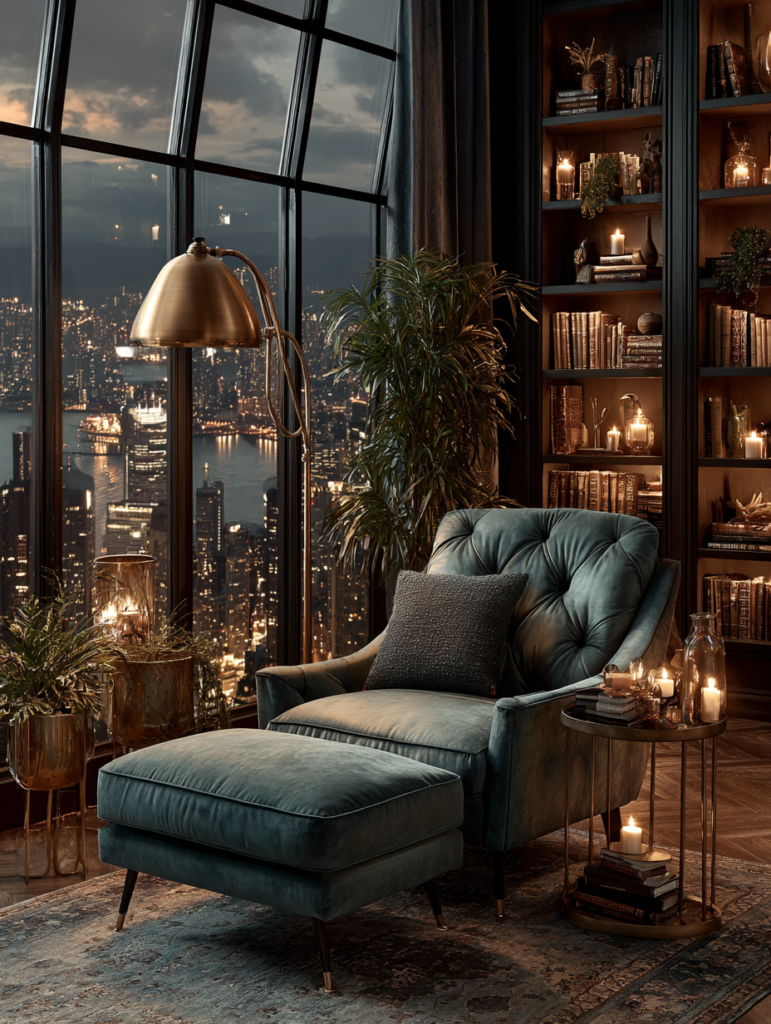
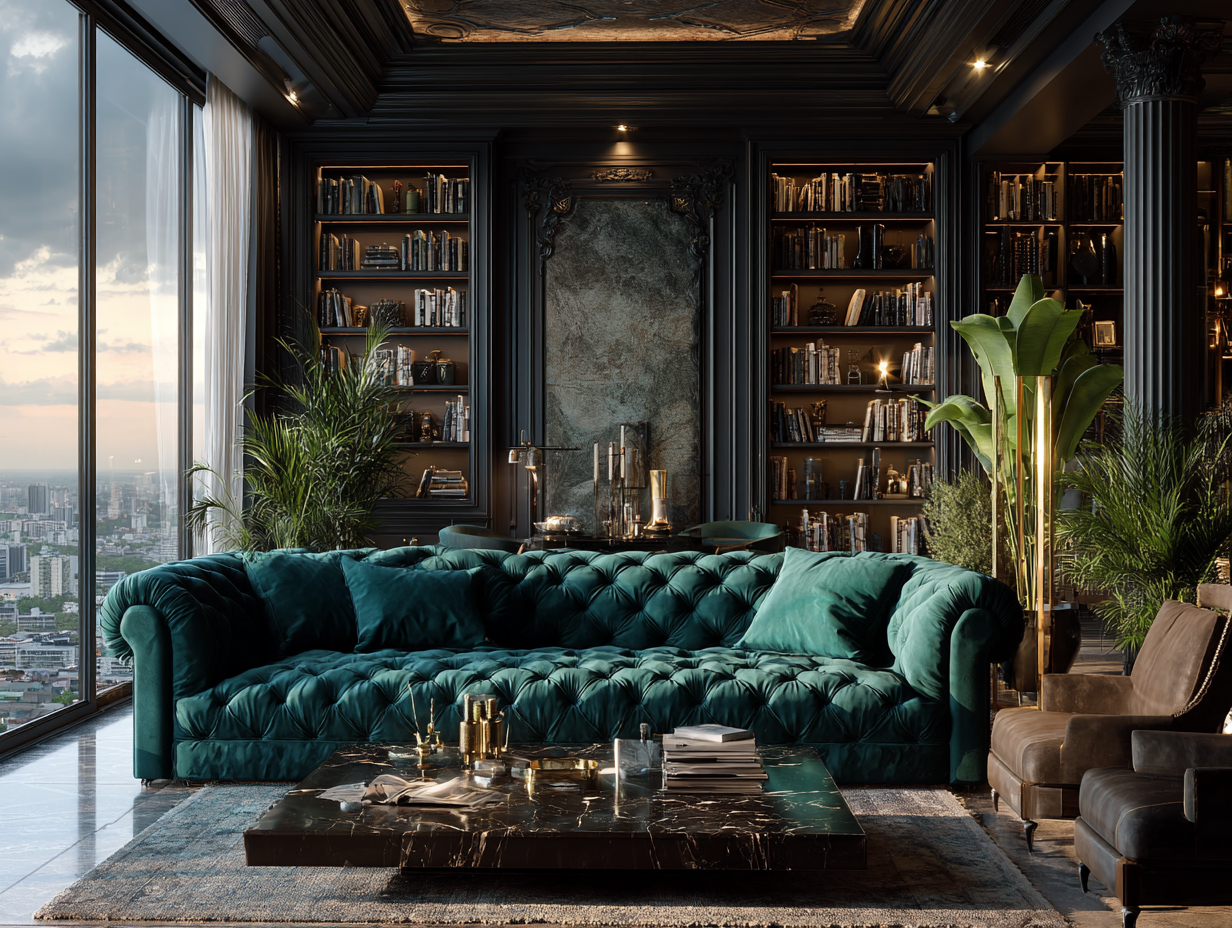
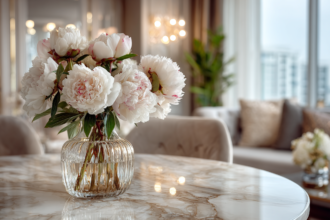
A modern thought processing space that blends books, comfort, and atmosphere—designed for thinking, not just reading.
A Traditional Library Is:
Book-centered
Often formal
Static
Focused on consumption
Designed for silence, not softness
A Thought Processing Space Is:
You-centered
Emotionally intentional
Fluid and calming
Designed for processing, not just reading
Built around how you think best
Books may be part of it—but they’re not the star.
You are.
Why Thought Processing Spaces Feel So Calming
These spaces work because they intentionally counterbalance modern chaos.
They usually include:
Natural light or a soft glow
Comfortable seating (not stiff, not performative)
Greenery or organic elements
A sense of enclosure without isolation
Familiar objects that ground you emotionally
You’re not surrounded by obligation.
You’re surrounded by permission.
Permission to sit.
Permission to think slowly.
Permission to do nothing productive—and end up being deeply productive anyway.
My Personal Experience: Where Ideas Finally Flow
I didn’t always have this.
In the past, I struggled to process my thoughts. I had ideas—but they felt tangled. Writing felt forced. Clarity felt elusive.
Now?
I sit in my lounge chair, laptop resting comfortably, coffee beside me. I know exactly why I’m there. I’m not reacting to the world—I’m listening to myself.
These aren’t just decor pieces. They’re gentle prompts to slow down, sit with yourself, and create a space where thinking feels natural again.
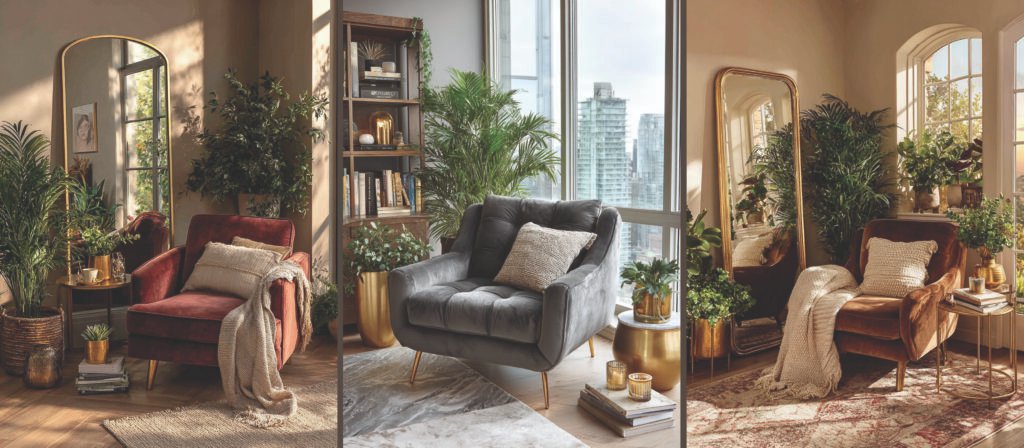
Explore our Cozy Corner home decor setup, get inspired, and begin shaping a thought processing corner that supports your way of living, reflecting, and creating—starting today.
Krupa is the Founder and Editor in Chief of Elegant & Driven, where elegant living meets purposeful ambition. With a background in strategic writing and a deep love for systems that empower creativity, she shares timeless insights on health, design, and the art of digital entrepreneurship.