
The Rule of Three, Four, Five, and Seven: How I Decorate Without Overthinking
One of the most common things people tell me is this:
“I love beautiful homes, but decorating feels intimidating.”
And every time I hear that, I smile, because the truth is, home décor is far simpler than it looks once you understand connection.
Great interiors are not about having more things.
They’re about knowing how things speak to each other.
They’re about knowing how things speak to each other.
Over the years, through travel, observation, trial, and intuition, I realized I follow a very natural system when I decorate. It’s not rigid or technical, but it works every single time.
I call it:
The Rule of Three, Four, Five, and Seven.
This rule removes overwhelm and replaces it with clarity. It helps you build rooms that feel intentional, layered, and emotionally complete, without overthinking.
Let’s break down the rules and see how they come together in practice.
Why Home Décor Feels Hard (And Why It Doesn’t Have to Be)
Most people don’t struggle with taste.
They struggle with completion.
They buy a beautiful piece, a lamp, a chair, a sofa, and then something feels… unfinished. Not wrong. Just unresolved.
That’s because one beautiful object rarely tells the full story.
Homes feel complete when elements repeat, echo, and connect.
This shift, bringing elements together with these simple rules, creates cohesion throughout your space.
The Rule of Three: The Moment a Space Starts to Feel Intentional
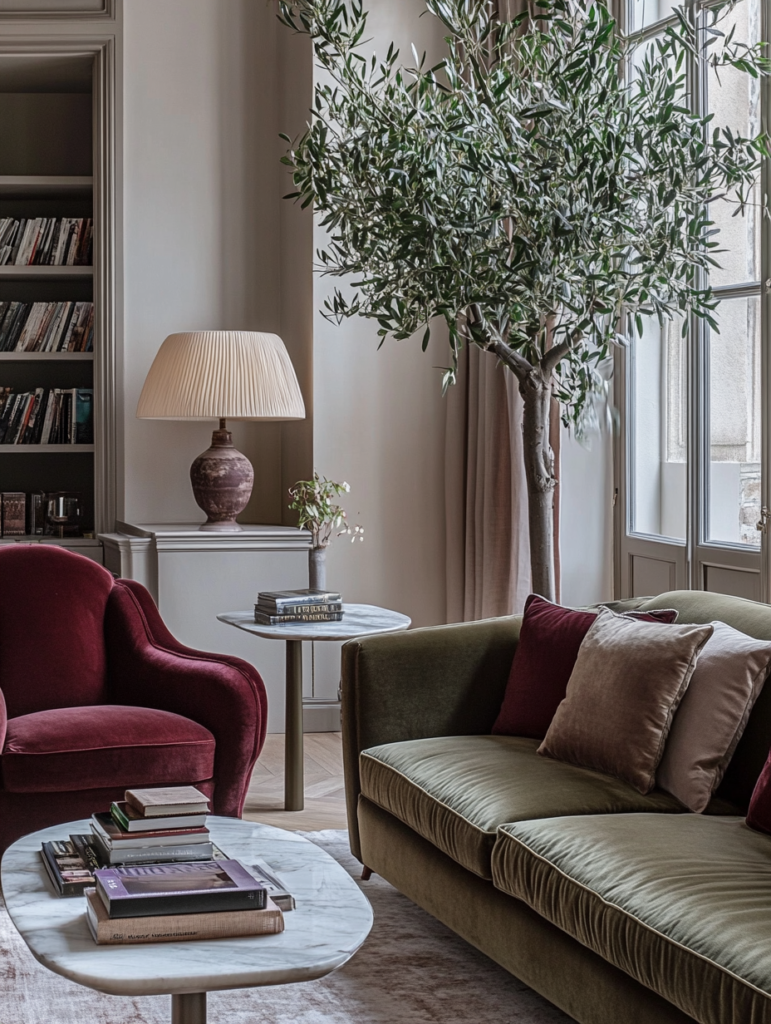
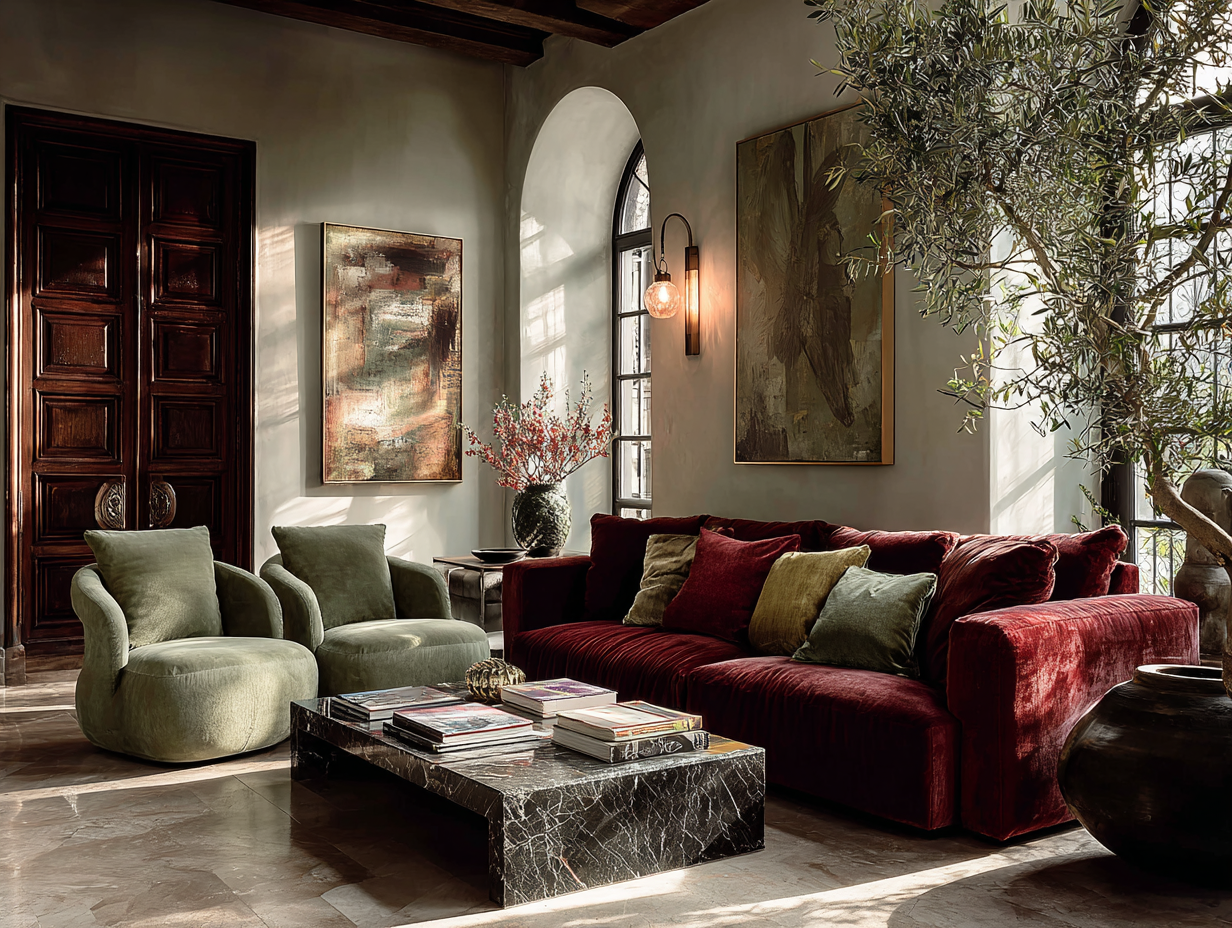
Three marks of intention in design: three related elements create cohesion.
One is accidental.
Two is a coincidence.
There is a decision.
Two is a coincidence.
There is a decision.
I was reminded of this recently when I bought two stunning bedside lamps for my bedroom.
The bases were a rich emerald green. The shades were crisp white. They were beautiful, sculptural, elegant, exactly my taste.
And yet… something felt missing.
Not wrong, just unresolved.
Just unfinished.
Just unfinished.
So I applied the Rule of Three.
I added:
- Emerald furry cushions
- A sculptural, tree-like fiddle fig plant
Suddenly, the room clicked.
Now the emerald wasn’t just a lamp color; it was a story.
How to Use the Rule of Three
Choose one element to repeat three times:
- A color
- A material
- A texture
Examples:
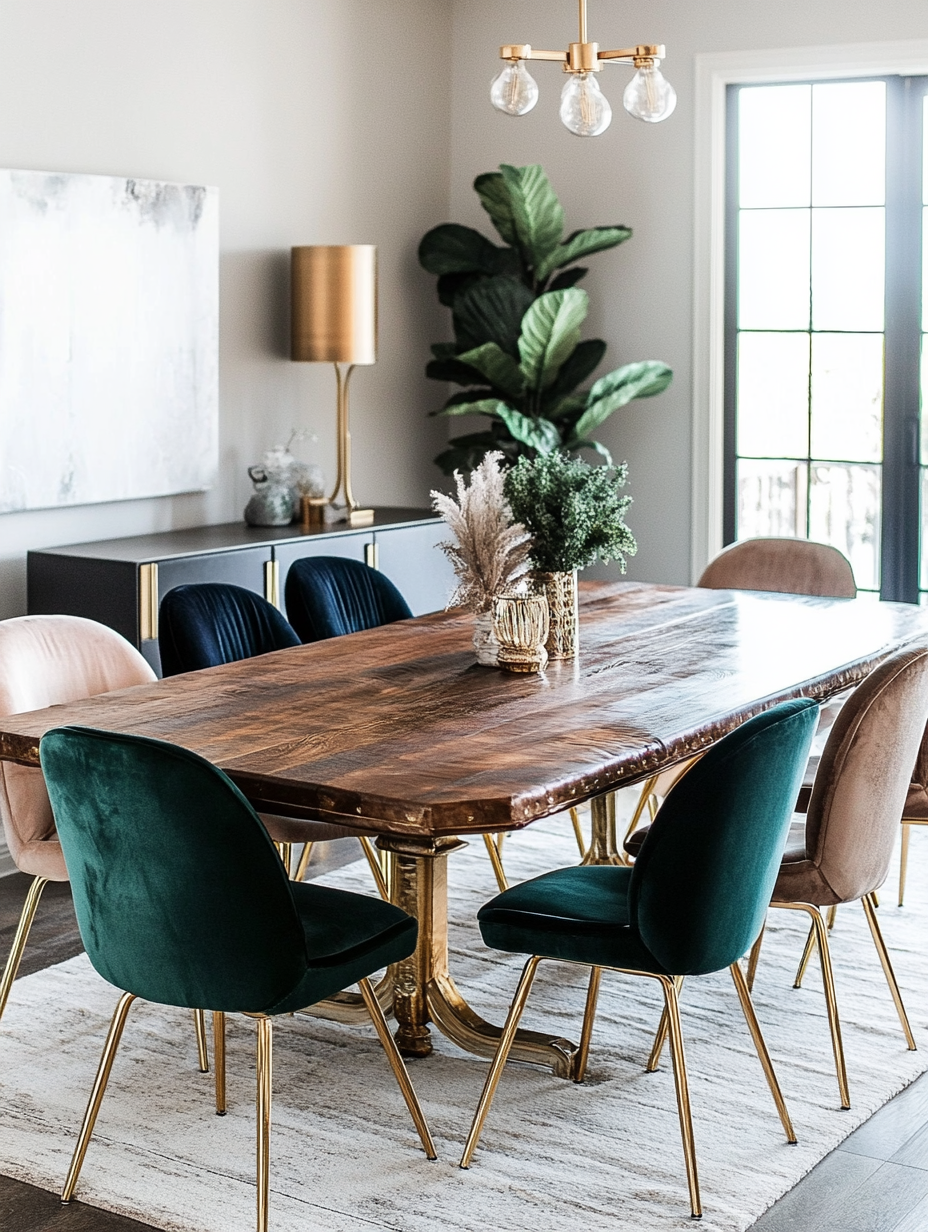
- Three touches of emerald
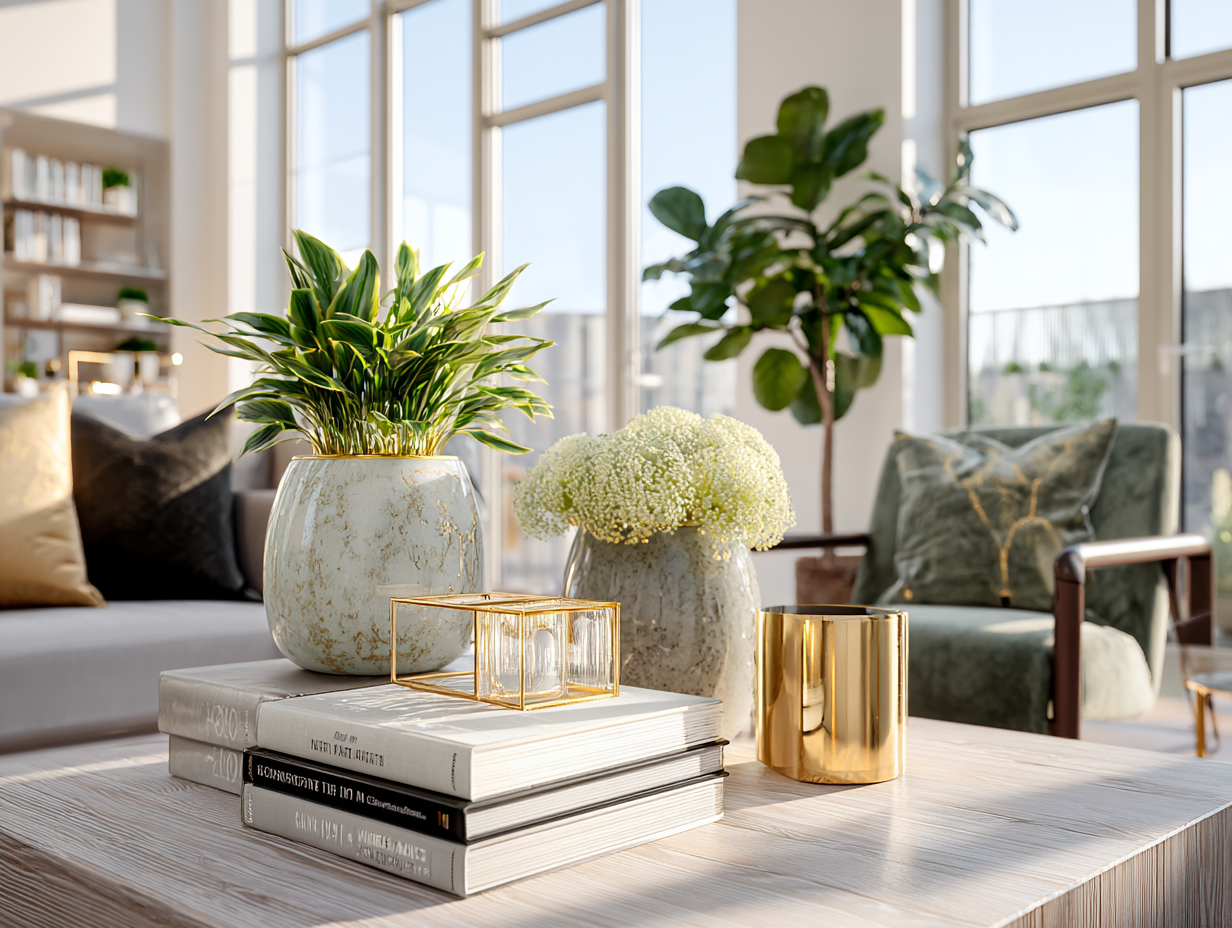
- Three gold accents
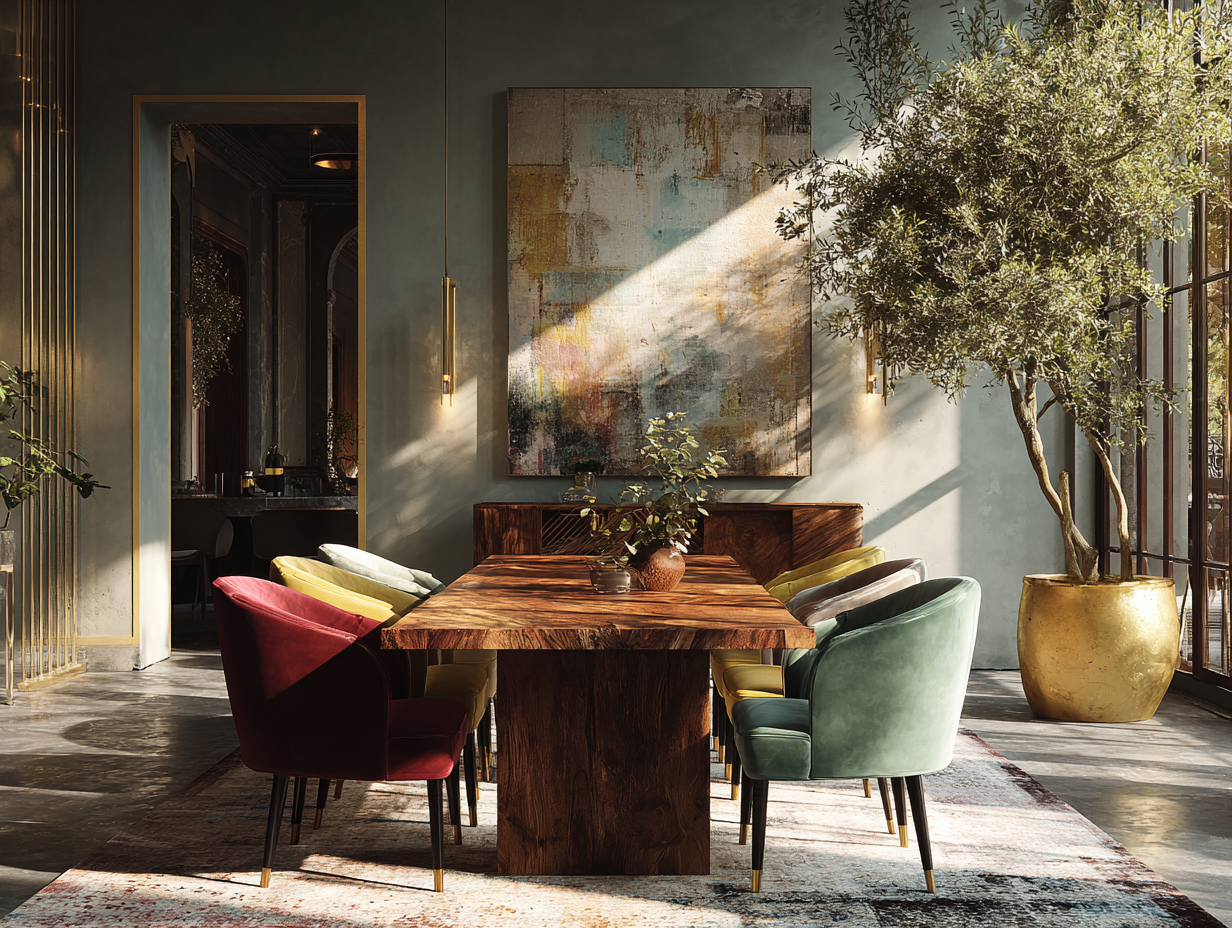
- Three wood elements
This tells the eye: this was intentional.
The Rule of Four: Soft Expansion Without Overload
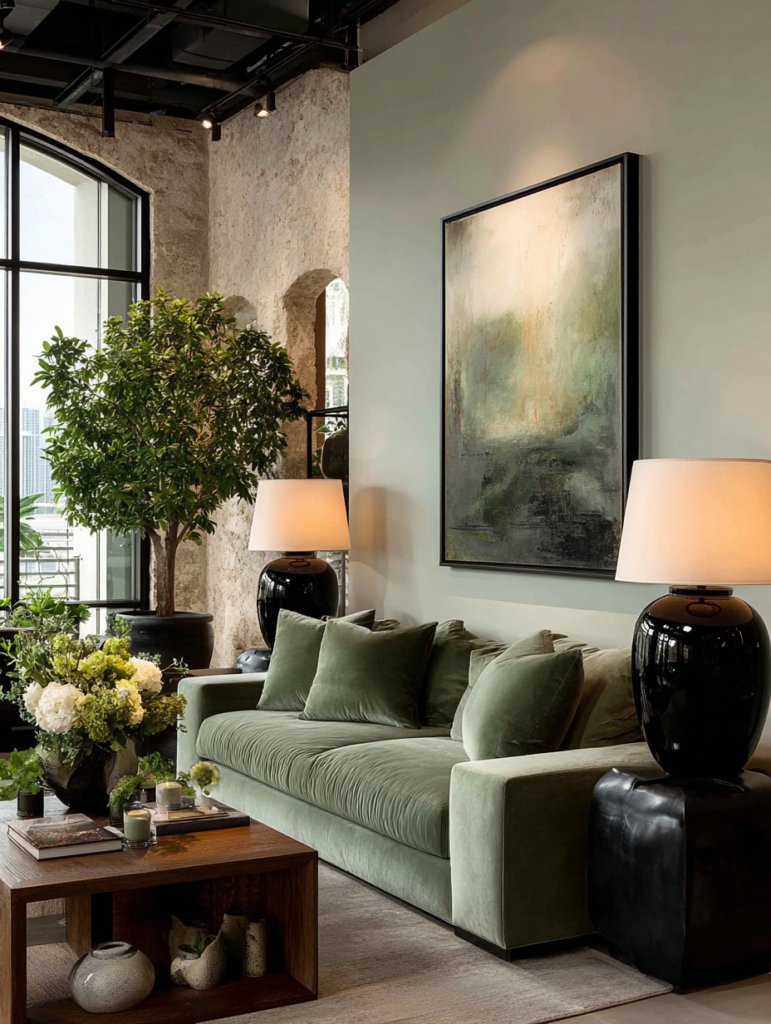
Four adds balance, gently expanding your visual story.
This works beautifully in:
- Larger rooms
- Open-concept spaces
- Rooms with multiple functions
Four keeps things balanced without feeling busy.
Think:
- Four cushions in a related palette
- Four ceramic objects in varying sizes
- Four framed artworks tied by theme
Four maintains harmony while allowing variation.
The Rule of Five: Where Storytelling Begins
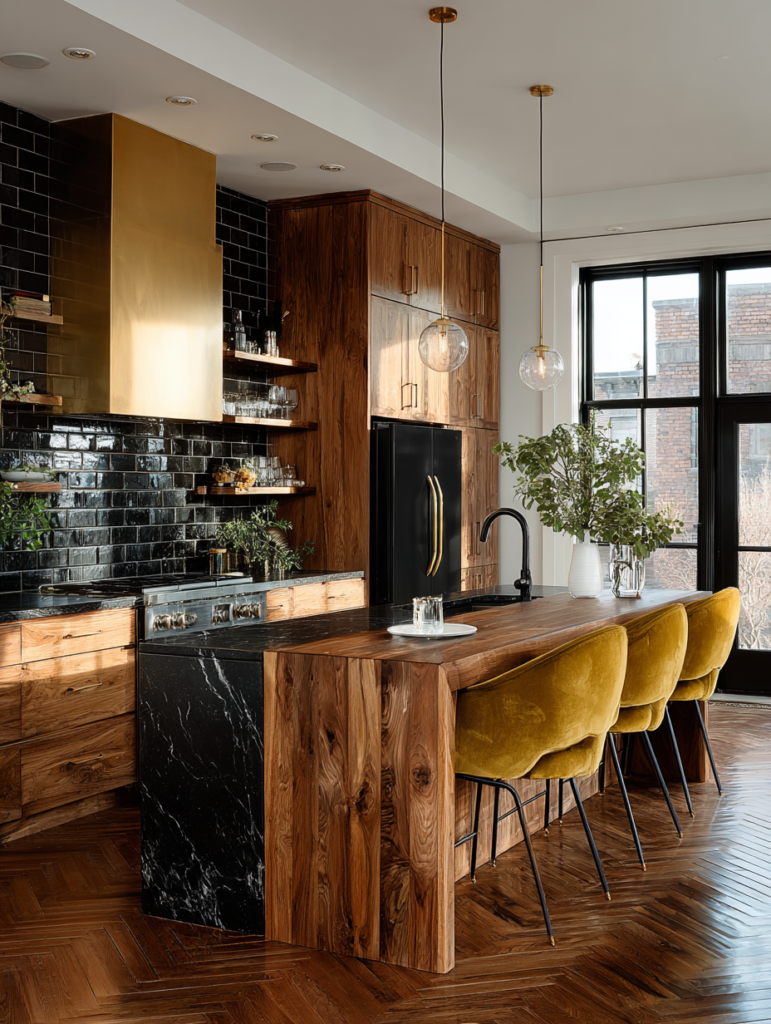
Five is my favorite rule, and the one most people skip.
Five deepens the design by connecting related elements to form a story.
With five, the key is not repetition, it’s connection.
Let me explain with wood.
In my home, I have:
- A dark wooden bar table
- Slightly lighter wooden dining chair legs
- A mid-tone wood coffee table
- Wooden trays
- A wood-framed artwork
They are not identical.
But they belong to the same family.
That’s the secret.
How to Use the Rule of Five
When working with the five elements:
- Vary the shade
- Vary the scale
- Keep the undertone consistent.
This creates depth without chaos.
The same rule applies to:
- Marble (table + coasters + tray + side table)
- Gold accents (Metal in furniture, bowls, coasters, hardware on wood)
- Color stories
- Fabrics
Five elements tell a complete visual story.
The Rule of Seven: Collected, Not Cluttered
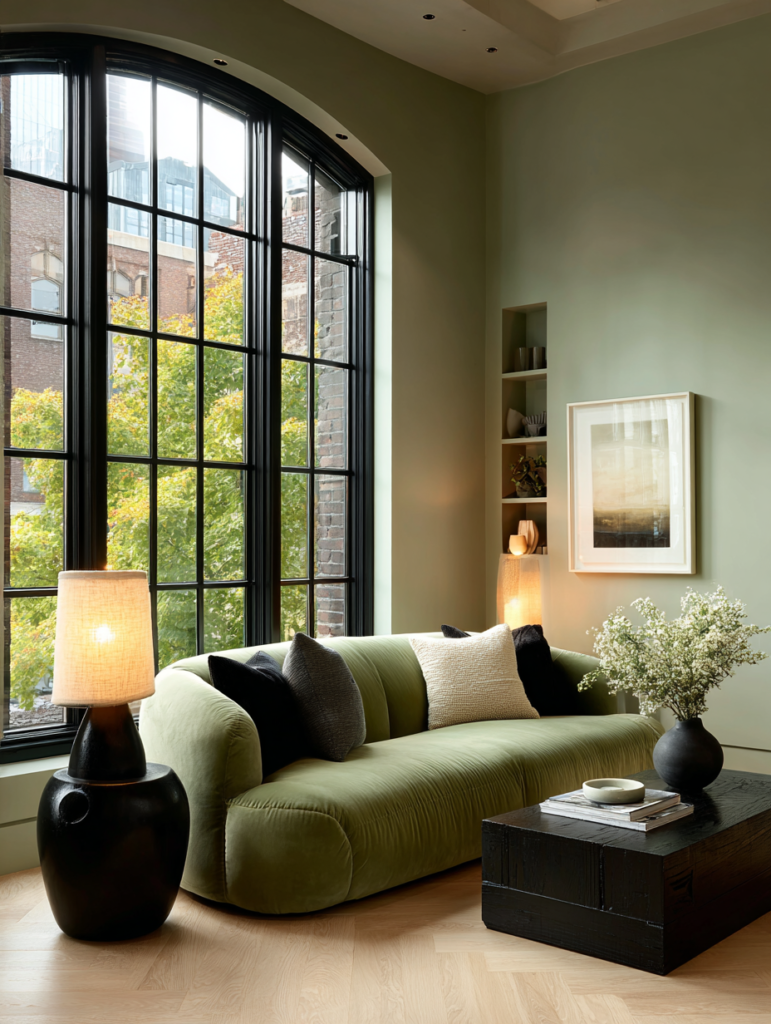
Seven layers in richness. It creates personality, not clutter.
This rule works best when:
- You already have a strong base.
- Your palette is controlled.
- Your materials are intentional.
They should feel collected over time, not random.
They should feel collected over time.
Examples:
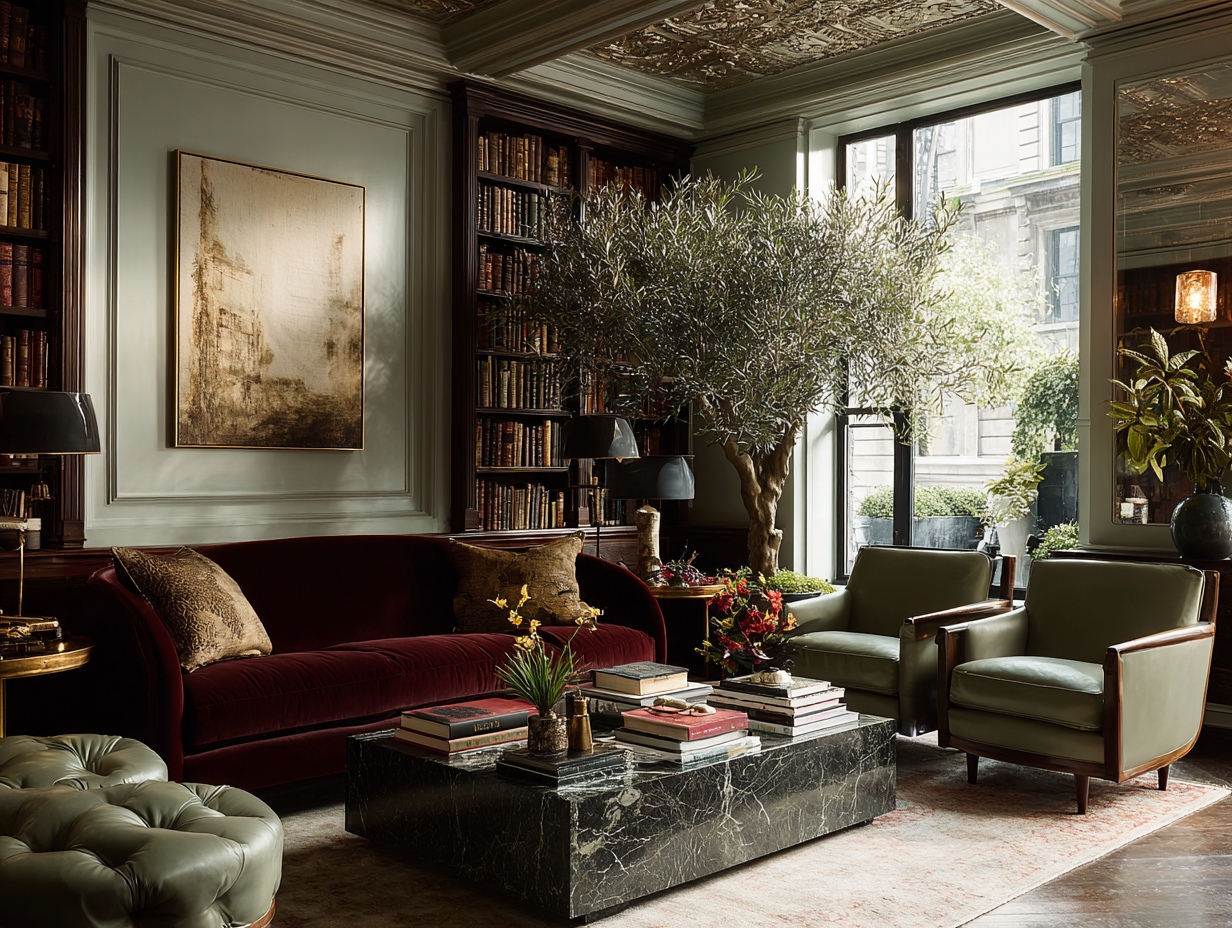
- A statement marble table
- Two smaller marble accents
- A stone bowl
- A ceramic vase
- A marble table top with a wood base
- Marble Coasters or trays
Seven requires restraint, not more buying, but better editing.
Using These Rules with Materials
These rules work beautifully with materials.
Wood
- Anchor with one main piece
- Connect with lighter or darker variations.
- Finish with small accents.
Marble
- One hero piece
- Two to four supporting accents
- Keep veining harmonious
Metal (Gold, Brass, Silver)
Choose one metal tone per space.
I mostly decorate with Gold.
Then repeat it intentionally:
- Lighting
- Hardware
- Trays
- Frames
This is how rooms feel cohesive rather than busy.
Why This System Works
The human eye loves patterns.
The mind loves rhythm.
These rules create both quietly.
They remove guesswork and replace it with flow.
You stop asking:
“What else should I add?”
And start asking:
“What needs to be echoed?”
Decorating Is Storytelling
At its core, decorating is not about filling space.
It’s about telling a story.
The Rule of Three, Four, Five, and Seven simply teaches you how to speak fluently.
Related Read
If this way of decorating resonates with you, you’ll love this next step:
The Designer Home Decor Framework: How to Create a Celebrity-Style Home with Intention
It’s where I share how I design spaces from the ground up—layering materials, statement pieces, and energy to create homes that feel refined, intentional, and quietly luxurious.
Takeaway: Intention Over Intimidation
Beautiful homes are not created by decorators.
They’re created by people who understand connection.
Once you start decorating this way, you’ll notice your home feels calmer, more complete, and uniquely yours. The key is using intention and connection rather than feeling intimidated.
Decorating will no longer feel intimidating. Choosing with intention makes the process approachable and deeply satisfying.
With practice, decorating will feel intuitive and rewarding, not overwhelming.