

Panic Selling Is Real — And It’s Why Most People Lose Money in the Market
This is not financial advice. I am not a financial advisor. This article reflects only my personal experience and perspective.
I have seen this over and over.
Among friends.
Within online communities.
Among people who genuinely want to succeed in the stock market.
Within online communities.
Among people who genuinely want to succeed in the stock market.
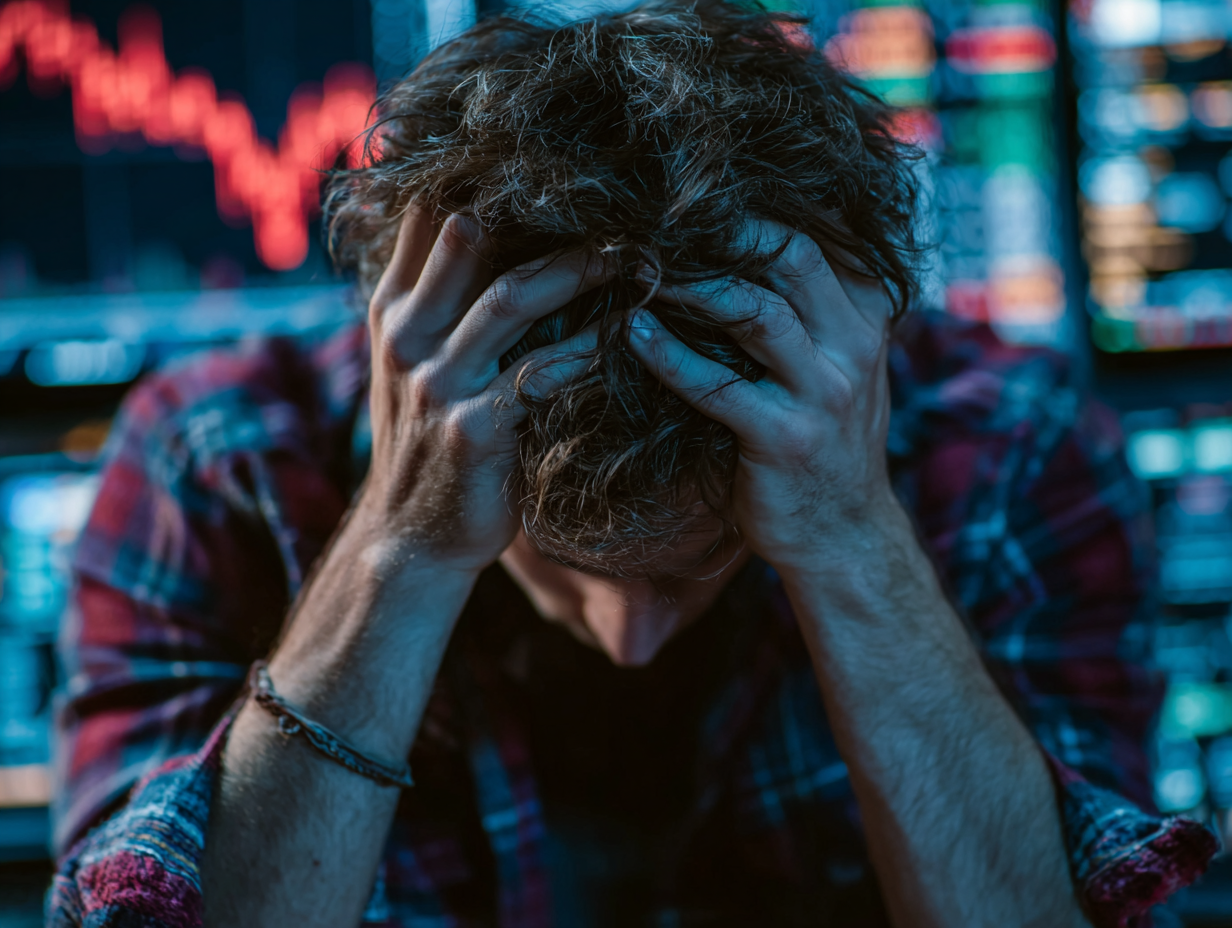
The pattern is always the same: The market drops. Fear rises. People sell. This cycle repeats, regardless of who is involved.
Not because they evaluated what’s happening.
But because they’re afraid to lose more.
The Reality No One Talks About
Panic selling, not poor investments, is the primary reason people lose in the market.
Not bad companies.
Not a lack of opportunity.
Not even lack of intelligence.
Not a lack of opportunity.
Not even lack of intelligence.
Emotion.
More specifically, fear.
Because when fear takes over, logic disappears.
What Panic Selling Actually Looks Like

It doesn’t always feel dramatic.
It often sounds like this:
- “Let me just get out before it gets worse.”
- “I’ll buy back when things stabilize.”
- “I don’t want to lose everything.”
It feels responsible.
It feels like risk management.
But in many cases, it’s a reaction, not a strategy.
My Observation: People Don’t Evaluate, They React
One of the most common mistakes I’ve seen is this:
People don’t ask what’s actually happening.
Instead of asking:
- Is this a company-specific issue?
- Has the long-term thesis changed?
- Is this macro-driven fear?
They go straight to:
“I need to get out.”
That’s panic selling.
The Question That Changes Everything
When the market drops, I ask myself:
Why is this happening?
Is it:
- a tariff announcement?
- geopolitical tension?
- Interest rate speculation?
- short-term sentiment?
Or…
Is there something fundamentally broken about the company?
Because those are two completely different situations.
Not Every Drop Means Danger
This is where most people go wrong.
They treat all market drops the same.
But they’re not.
Some drops are:
- emotional
- temporary
- driven by headlines
Others are:
- structural
- business-related
- long-term concerns
If you can’t tell the difference, you’ll react to everything the same way.
And that usually means selling at the wrong time.
My Personal Experience
I’ve lived through market drops.
Starting with COVID in 2020.
Markets were crashing.
Fear was everywhere.
No one had clarity.
Fear was everywhere.
No one had clarity.
And I didn’t sell.
I evaluated.
I asked:
- Are these companies still strong?
- Has the future of technology changed?
- Is AI going away?
The answer was no.
So I held.
And in many cases, I bought more. NVIDIA, AMD, TSM, and PLTR were a part of the COVID-19 DIP BUY.
That decision shaped my entire portfolio.
Why Panic Sellers Struggle in the Market
If your first instinct during a crash is:
“Sell before it gets worse.”
Then you need to be honest with yourself.
You may not be made for active stock market investing.
And that’s okay.
Because the stock market rewards:
- patience
- emotional control
- conviction
Not a reaction.
Protecting Your Money vs. Reacting Emotionally
Let’s be clear:
There is nothing wrong with protecting your money.
Risk management matters.
But there’s a difference between:
Strategic decision-making
and
emotional reaction
and
emotional reaction
Strategic selling looks like:
- rebalancing
- taking profits
- adjusting based on new information
Panic selling looks like:
- reacting to fear
- following headlines
- exiting without a plan
That distinction matters.
The Cycle Most People Fall Into
Here’s what I’ve seen happen repeatedly:
- People buy when markets feel safe.
- Markets rise
- Confidence grows
- Markets drop
- Fear takes over
- They sell
- Markets recover
- They miss the upside.
This cycle repeats.
And it’s driven entirely by emotion.
Related Read: The Number One Mistake Most People Make in the Stock Market
If panic selling is one of the biggest reasons people lose money, there’s another mistake that quietly destroys wealth even faster: trying to time the market.
Waiting for the “perfect moment” often leads to missed opportunities, hesitation, and inconsistent investing.
Why the Market Rewards the Opposite Behavior
There’s a reason you hear this often:
Buy when others are fearful. -( A Famous Warren Buffet Quote)
Because when fear is high:
- Prices are often lower.
- opportunities increase
- long-term value becomes more attractive
But this only works if you can stay calm.
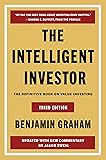
If you want to understand how to stay calm when others panic—and why emotional decisions cost investors the most—this is one of the most important investing books you can read.
👉 This book doesn’t just teach you how to invest. It teaches you how to think.
Buy Before Sale Ends!

Panic Selling Is a Psychological Problem, Not a Market Problem
The market will always:
- fluctuate
- react to news
- move unpredictably
That’s normal.
The real problem is not the market.
It’s how people respond to it.
If you don’t manage your reaction, the market will expose it.
What I Do Instead
Over time, I’ve trained myself to slow down rather than react.
When markets drop, I:
- Pause
- Evaluate
- Separate emotion from reality
Then I ask:
- Is this fear-driven?
- Or is this a real change?
And based on that, I decide:
- hold
- buy
- or adjust
But never panic.
The Hard Truth
If every drop makes you anxious…
If every headline makes you question your decisions…
If your instinct is always to exit…
Then active investing may not be the right path for you.
And again, that’s not a failure.
It’s awareness.
There Are Better Alternatives
If panic selling is something you struggle with, consider:
- ETFs
- index funds
- long-term passive investing
These approaches remove the pressure of constant decision-making.
And they still build wealth over time.
Final Takeaway
Panic selling is real.
Panic selling is the leading reason people lose money in the stock market.
Not because the market is unfair.
People lose not because of the market, but because emotion overrides strategy.
The goal is not to eliminate fear.
The goal is to understand it and not let it control your decisions.
Because in the stock market, the biggest losses rarely come from bad companies.
Losses are more often caused by emotional reactions than by poor companies.
A Gentle Reminder
This is not advice.
This is experience.
This is experience.
The market will always test you.
Your response to market challenges matters more than the stocks you choose. Focus on your process to achieve better results.