

A slow, sunlight-filled morning — one of the simplest ways to support your nervous system.

The Health Awareness Everyone Will Be Talking About in 2026: Nervous System Regulation
8 Min Read

The Health Awareness Everyone Will Be Talking About in 2026: Nervous System Regulation

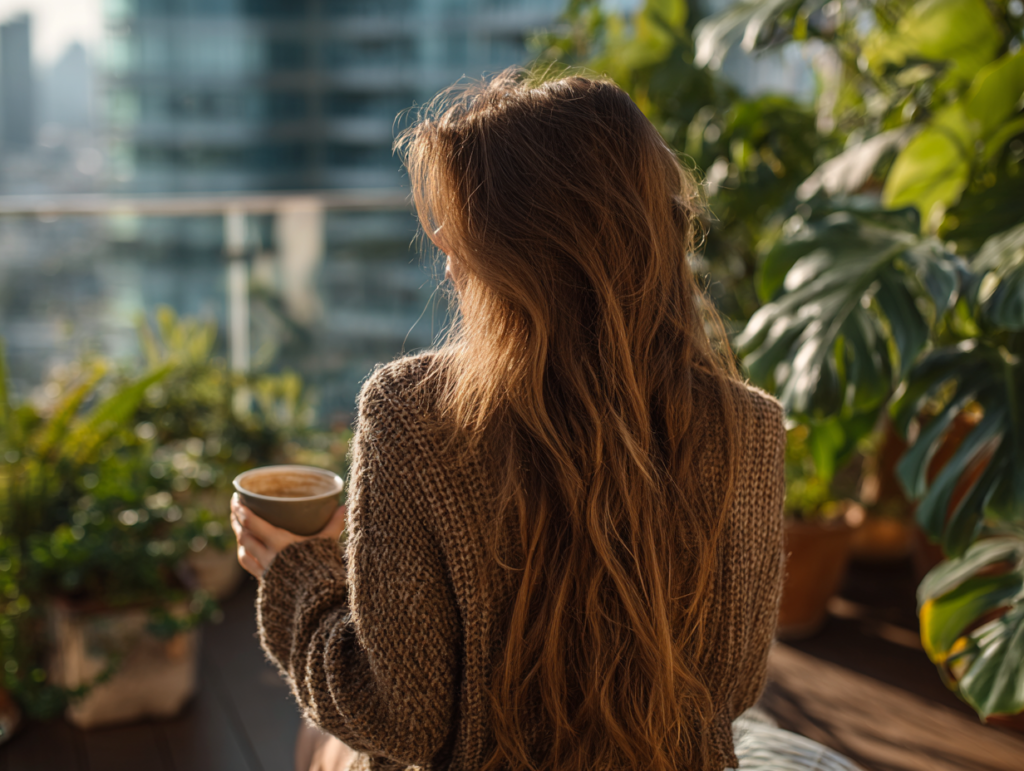
Woman with long hair enjoying a warm drink on a balcony surrounded by greenery, embracing slow living in the city.
You don’t need to escape the city to reset your nervous system — sometimes it just takes a mindful pause.

We’ve mastered gut health. We’ve embraced circadian rhythm. Now the most important health shift of this year isn’t a product or protocol — it’s a nervous system that actually feels safe.

Why This Matters to Me

As someone deeply immersed in holistic wellness, I’ve always understood the importance of stress management — not just as a wellness buzzword, but as a foundational pillar of long-term health.
But in the past few years, my research into stress has led me to something deeper, something more nuanced: nervous system regulation. It’s not just about managing stress anymore. It’s about learning how to truly support your body so it doesn’t get stuck in survival mode.
And I’m not the only one. I’ve been watching this quiet shift — from hustle to healing, from numbing to nervous system awareness — grow stronger every year. More people are slowing down. More tools are emerging. More of us are learning that “calm” isn’t passive — it’s powerful.

What Is Nervous System Regulation — and Why Now?

Woman in a brown sweater sitting among plants on a balcony, soaking in sunlight with a peaceful expression and cup of coffee.
Slow mornings. Warm light. Nervous system regulation in its purest form.
Your nervous system is the operating system for everything you do — your energy, digestion, mood, sleep, and even your skin. It determines whether you feel safe, wired, exhausted, or emotionally stable.
The nervous system has two main branches:
  • Sympathetic Nervous System: Activates “fight or flight” — great for survival, but not for staying in all the time.
  • Parasympathetic Nervous System: Activates “rest and digest” — essential for healing, clarity, digestion, and hormonal balance.
When your nervous system is regulated, it knows how to move between these two states — responding to stress while also fully recovering from it. When it’s dysregulated, you get stuck. You might feel anxious, shut down, irritable, tired, but wired, or always on edge. Sound familiar?
And in 2026, we’ll be hearing a lot more about this. Because for many of us, it’s the missing link in modern wellness.

The Slow Living Shift Is Just the Beginning

Woman enjoying a warm drink in a cozy sweater, soaking in a quiet, sunlit morning — a perfect nervous system reset ritual.
A slow morning with warmth and stillness — your nervous system’s favorite way to start the day.
A beautiful shift is happening right now: more people are opting out of overstimulation and opting into nervous system support.
They’re:
  • Taking walks without podcasts in their ears
  • Spending 5 minutes breathing before turning on a screen
  • Designing their homes to feel like a sanctuary
  • Using wearables that track stress, not just steps
  • Learning how to co-regulate with others (and how some people dysregulate them)
It’s a subtle rebellion against burnout culture — and it’s rooted in biology.

Habits That Help Regulate the Nervous System

Woman sitting outdoors with a morning coffee, looking into the sun and enjoying nature and slow living.
Morning light isn’t just pretty — it’s a biological reset button.
Nervous system regulation isn’t something you can buy in a bottle. It’s built through repeated calming signals that tell your body, “You’re safe.”
Some of the simplest tools are the most powerful:
  • Breathwork — especially long, slow exhales – this really works, trust me.
  • Morning sunlight resets your circadian rhythm and boosts dopamine.
  • Cold plunges or cold showers — activate the vagus nerve
  • Grounding — walking barefoot on natural ground calms your system. My dad taught me this
  • Time in nature — even 15 minutes can lower cortisol – I go to the rooftop relaxation (no phone)
  • Gentle movement — yoga, tai chi, or intuitive dance soothes the body.
And here’s the part I love most: these habits don’t take hours. Most take just minutes — and yet they reset your entire state.

What Hurts Your Nervous System (and What to Avoid)

Even if you’re doing all the “right” things, there are habits that actively work against nervous system health:
🚫 Multitasking all day — keeps your brain on constant alert
🚫 Overusing caffeine — spikes cortisol and adrenaline
🚫 Skipping rest days in workouts — over-exerts the system
🚫 Scrolling before bed or first thing in the morning — hijacks your focus
🚫 Overexposure to noise, screens, and artificial lighting — creates background stress
These may seem small, but stacked daily, they teach your body to stay in a state of hypervigilance. No wonder so many people feel exhausted even after a good night’s sleep.

This Isn’t a “Fix.” It’s a Lifestyle.

Woman standing on a lush urban balcony, taking in the view with a cup of coffee — embracing slow living and stillness.
Doing nothing is sometimes the most productive thing for your nervous system.
If there’s one thing I’ve learned, it’s this:
👉 You don’t regulate your nervous system once and call it done.
👉 You build a lifestyle that supports it — moment by moment, habit by habit.
It’s in how you start your mornings.
It’s whether you pause between meetings.
It’s in how you move, breathe, eat, and even relate to others.
And over time, that becomes your baseline.
Not wired. Not depleted.
But steady, clear, and calm.

The Future of Health Is Feeling Safe in Your Body

As we step into 2026, I believe this is one of the biggest health awareness shifts we’ll see — a quiet revolution in how we care for ourselves.
We’re not chasing quick fixes anymore.
We’re building deep regulation.
We’re choosing slow, aware, present lives.
And that, to me, is the most beautiful kind of strength.

🧠 Want to Understand How Your Body Really Works?

If you’re diving into nervous system regulation or just want to better understand your biology, these illustrated human anatomy books are incredible resources.

They go beyond surface-level knowledge — helping you grasp not only your nervous system, but also your digestive system, muscles, organs, and even how human evolution shaped your body.

📚 These are the kinds of books that make you smarter every time you flip through them — beautifully visual, science-backed, and surprisingly engaging.

Perfect for anyone building a true foundation in holistic health or simply curious about how the body really works.

Buy Before Sale Ends!
Human Body: An Illustrated Guide to Every Part of the Human Body and How It Works
1,567 Reviews
Human Body: An Illustrated Guide to Every Part of the Human Body and How It Works
  • Human Body is a concise guide to the structure, functions, and disorders of the body
  • Using full-color, highly detailed illustrations and clear, accessible language, this book is a fascinating...

Buy Before Sale Ends!
Illustrated Human Anatomy: The Authoritative Visual Guide to the Human Body
221 Reviews
Illustrated Human Anatomy: The Authoritative Visual Guide to the Human Body
  • The world's most precise scientific illustrations of the human body
  • Packed with astonishing facts and superb quality 3-D illustrations, Illustrated Human Anatomy is a...


Share This Article
Krupa is the Founder and Editor in Chief of Elegant & Driven, where elegant living meets purposeful ambition. With a background in strategic writing and a deep love for systems that empower creativity, she shares timeless insights on health, design, and the art of digital entrepreneurship.