

Money Buys the Second-Best Things in the World — And Why That Still Matters
We all know that money cannot buy health or happiness. We repeat this phrase so often that it becomes a disclaimer before any money conversation, almost like we’re trying to make sure no one thinks we’re “too materialistic.”
But let’s talk honestly about what money can buy — and why it matters more than people admit.
Because while money doesn’t directly buy happiness or health, financial freedom supports nearly every foundation required for both. And pretending this isn’t true keeps people stuck, stressed, and ashamed of wanting to earn more.
This is an article about the second-best things in life — time, choices, peace of mind, freedom from chaos — and why those things quietly shape the quality of your health and happiness more than you realize.
The Truth: Happiness and Health Are Built on Stress-Free Foundations
People say, “Money can’t buy happiness.”
I say: of course it can’t — but financial stress can certainly destroy it.
Nothing drains joy like not knowing if you can cover rent, groceries, or a basic emergency.
Nothing destroys health like chronic worry about bills.
As someone who writes about wellness, personal growth, and intentional living, I’ve seen a pattern again and again:
The number one killer of creativity, peace, emotional balance, and physical health is stress.
And what is the biggest source of stress for most people?
Money.
We can meditate, drink green smoothies, eat all the high-protein high-fiber meals we want… but if our nervous system is in a constant state of financial threat, it is almost impossible to feel grounded or healthy.
So no, money doesn’t buy happiness —
but it removes the barriers that prevent happiness from growing.
And that is not a small thing.
Related Read: How I quietly and intentionally built my own path to financial freedom — and how you can begin yours.
Financial Freedom: Why It’s Deeply Connected to Health
Let’s talk physiology for a moment.
When you are financially unstable, you’re not just “worried” — your body is operating in stress mode. Cortisol rises. Sleep suffers. Muscles tense. You’re more reactive, less patient, and less emotionally available.
Then everything spirals:
- Your relationships absorb the tension
- Your health goes on the back burner
- Your creativity shuts down
- Your decision-making declines
- Your confidence dips
- Your future starts feeling small and compressed
Financial freedom, even a modest version of it, acts like an internal “exhale.”
Your body relaxes.
Your brain becomes clearer.
Your decisions become wiser.
This isn’t luxury.
This is biology.
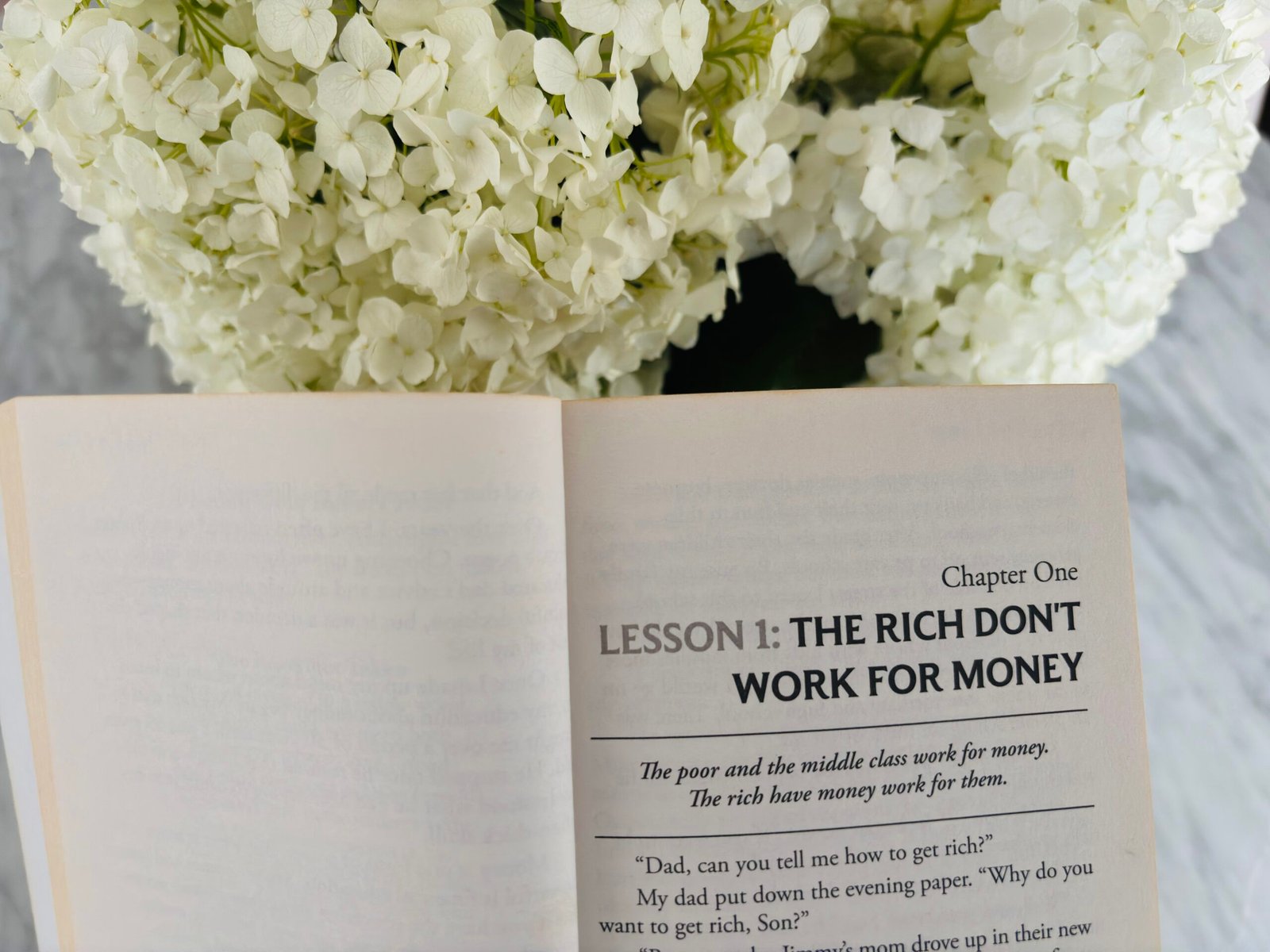
If you’re rebuilding your relationship with money, start with these two transformative books:
The Psychology of Money — understanding the emotions and patterns behind wealth


Rich Dad Poor Dad — rethinking how money, assets, and freedom truly work

Both pair perfectly with the philosophy in this article.
Money Buys the Second-Best Things — Which Create the First-Best Things
Here’s the sentence most people avoid, but I won’t:
Money buys nearly every condition required for happiness and health.
Not because it purchases emotions or physical well-being directly, but because it buys:
- Time (to rest, create, heal, think)
- Safety (the absence of financial panic)
- Nutrition (quality food, supplements, tools)
- Healthcare (preventive, dental, therapy, anything you need)
- Environment (a home that’s peaceful, clean, inspiring)
- Opportunity (education, travel, experiences)
- Flexibility (you don’t have to stay in harmful situations)
- Freedom (which is the ultimate accelerant for anything meaningful)
These are the second-best things.
They are not the goal… but they make the goal possible.
Without them, “happiness” becomes an exhausting uphill battle rather than a natural state of being.
Financial Freedom Is Not About Luxury — It’s About Space
People often confuse financial freedom with buying handbags, flying business class, or having a walk-in pantry full of fancy gadgets (although those are fun).
But the real definition is simple:
Financial freedom is the absence of forced decisions.
It’s the ability to choose:
- where you live
- how you work
- who you spend time with
- what you give your attention to
- how you take care of your body
- what you want to build in your life
When you are financially constrained, your choices shrink.
When you are financially free, your choices expand.
And human beings thrive in environments where choice exists. Not excessive choice — intentional choice.
Money Removes the Mental Noise That Blocks Creativity
I always say this:
Creativity requires peace.
Your best ideas show up when your mind is not drowning in survival pressure.
This is why:
- entrepreneurs have breakthroughs on vacations
- writers produce their best work in quiet environments
- artists flourish with stability
- even your day-to-day problem solving improves when you’re not financially panicked
Financial freedom isn’t about yachts.
It’s about mental bandwidth.
When money stress disappears, life feels spacious.
And in this space, creativity, energy, and happiness finally have room to breathe.
The Elegant View of Money: Quality Over Quantity
In the Elegant & Driven philosophy — and the direction I take across my blog — money isn’t about excess. It’s about intentionality, just like the Elegant Bucket List series in the Learn & Grow cluster.
Elegant living is not about chasing more.
It’s about choosing better.
Financial freedom extends the same idea:
- You don’t need more things
- You need fewer constraints
- You don’t need endless luxury
- You need stable foundations
Money buys the second-best things because those things support a life where your first-best values — health, joy, love, creativity, contribution — can thrive.
You’re not trying to build a wealthy life.
You’re trying to build a life where wealth supports elegance, not replaces it.
Why This Matters More Than Ever
We live in a world where people feel ashamed to say they want money. They’ll talk about manifesting peace, gratitude, travel, experiences, health… but not the financial stability that makes those things realistic.
Let’s normalize this:
You’re allowed to want financial freedom because it improves your health, wellbeing, and creativity.
You’re allowed to build wealth ethically, intentionally, and quietly.
And you’re allowed to acknowledge that money — though it does not buy the best things — buys the conditions required for them.
This isn’t greed.
This is self-respect.
Final Thought: Happiness Is a Garden — Money Is the Soil
Happiness is not a purchase; it’s a cultivation.
Money is simply the soil the garden grows in.
You still need sunlight, discipline, boundaries, perspective, gratitude, and meaningful relationships — the first-best things. But without healthy soil, nothing grows easily.
Financial freedom doesn’t guarantee a good life, but it removes the biggest barriers that keep you from building one.
And that’s why money — even though it buys only the second-best things — matters more than people admit.