

How Modern Architecture Is Reimagining High-Rise Living as a Complete Lifestyle

I live in a condo, and I made this decision consciously. When I sold my house, especially living in a cold country, I realized how high-maintenance traditional homes become in winter. Snow removal, outdoor upkeep, and constant repairs. Moving into a condo changed everything. I now have indoor parking downstairs, a rooftop swimming pool with a full terrace and barbecue area, and a gym upstairs. I understand high-rise living deeply, and I genuinely love this lifestyle.
What’s even more fascinating is what I’ve been seeing lately. My TikTok feed is filled with stunning, next-generation high-rise buildings, rising in cities like Montreal, Toronto, New York, Chicago, Shanghai, and Hong Kong. These aren’t just taller buildings. They represent a complete upgrade in how we live. Starting now, and accelerating into 2026 and beyond, high-rise living is entering an entirely new era.
This article examines why high-rise apartments and condos are becoming one of the most desirable modern lifestyles and what the future of vertical living truly looks like.
High-Rise Living Is No Longer a Compromise
It’s a Conscious Lifestyle Choice
For decades, high-rise living was often framed as a trade-off: smaller space for a better location. That narrative is outdated.
Today’s condos and high-rise apartments are not about giving things up. They are about curating a life with fewer burdens and more intention. The shift is subtle but powerful:
- Less maintenance, more living
- Less isolation, more community
- Less sprawl, more access
- Less ownership stress, more lifestyle value
When I moved from a large house into a condo, the most surprising change wasn’t space; it was energy. Everything felt easier. Cleaner. More efficient. And that sense of ease is exactly what modern buyers and renters are prioritizing.
Urban Density Meets Lifestyle Design
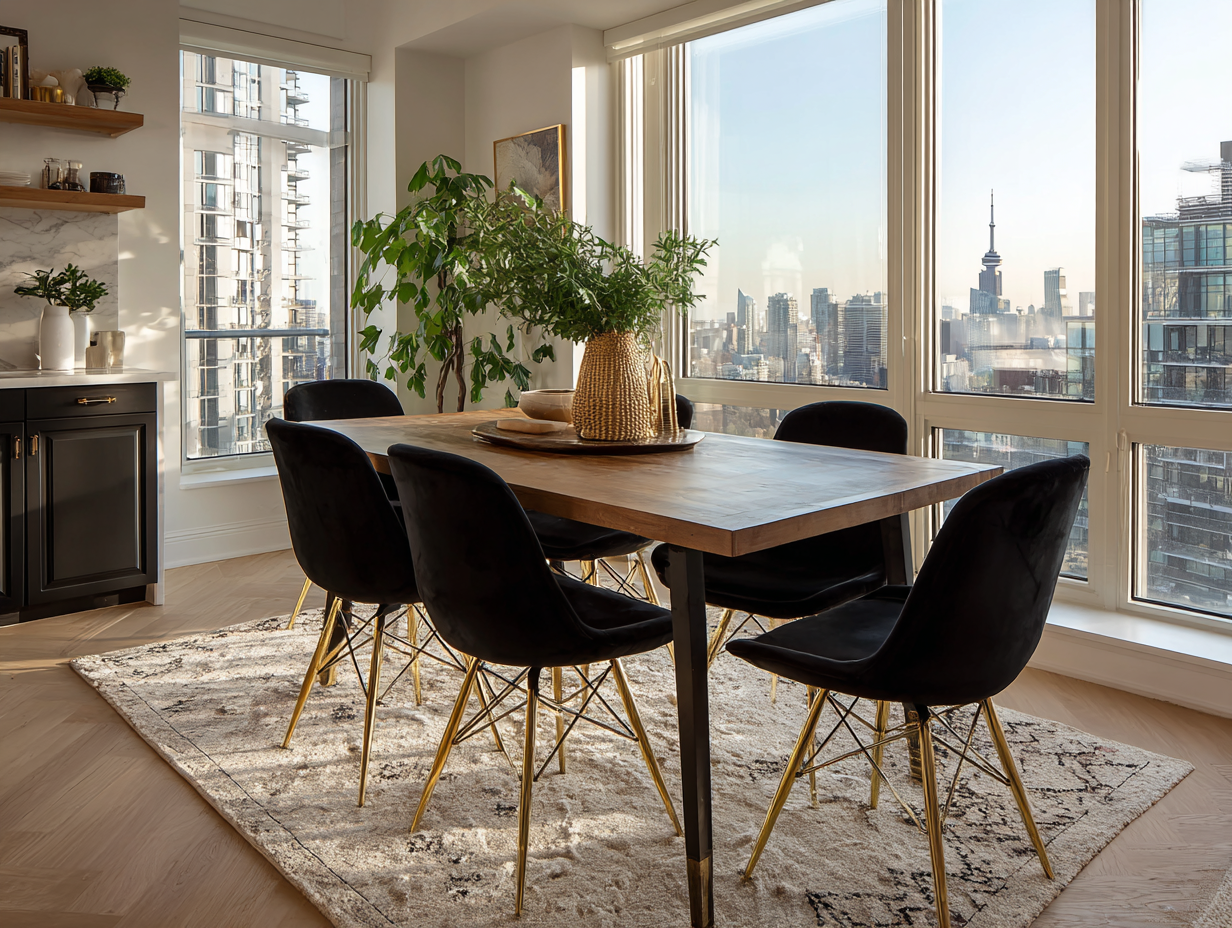
Cities are changing. Land is scarce, populations are growing, and urban planners are thinking vertically, but lifestyle designers are thinking holistically.
High-rise living allows cities to grow upward instead of outward, reducing commute times and keeping people closer to culture, work, and services. But the real evolution is what’s happening inside these buildings.
Modern high-rises are designed as self-contained ecosystems.
You’re not just buying an apartment.
You’re buying access.
You’re buying access.
The Evolution of Amenities: From “Nice to Have” to Life-Enhancing
Most existing condo buildings, like mine, offer solid amenities. A functional gym with a view. A fully equipped party room. A rooftop space.
But what’s coming next is an entirely different category.
1. Full-Scale Fitness Facilities (Not Just Condo Gyms)
Traditional condo gyms were designed for convenience. The next generation is designed for performance and longevity.
New high-rise buildings now include:
- Expansive, commercial-grade gyms
- Dedicated Pilates reformer studios
- Yoga and mobility rooms
- Strength zones with proper racks and functional equipment
- Stretching and recovery areas
These are gyms that rival high-end memberships, without leaving your building.
For people who prioritize health, time efficiency, and consistency, this is transformative.
2. Wellness-Centered Design: The Rise of Everyday Recovery

Modern living is stressful. The future of high-rise living responds directly to that reality.
Wellness amenities are becoming core infrastructure, not luxuries:
- Saunas and steam rooms
- Jacuzzis and hydrotherapy pools
- Cold rooms and plunge pools
- Quiet relaxation lounges
- Meditation and breathwork spaces
This reflects a broader cultural shift: wellness is no longer occasional, it’s daily.
High-rise buildings are becoming places where recovery, restoration, and mental clarity are built into everyday life.
Community Without Obligation
One of the most misunderstood aspects of high-rise living is community.
You don’t lose privacy; you gain an optional connection.
Modern buildings are intentionally designed with shared spaces that allow people to interact naturally, without pressure.
Thoughtfully Designed Social Spaces Include:
- Piano lounges and music rooms
- Art studios and creative rooms
- Library-style reading lounges
- Pool and game rooms
- Elegant party rooms designed for hosting
These spaces aren’t loud or chaotic. They’re calm, beautiful, and intentional, designed for adults who value quality interaction.
You can be alone when you want.
And connected when you choose.
And connected when you choose.
Rooftop Living: The New Private Backyard
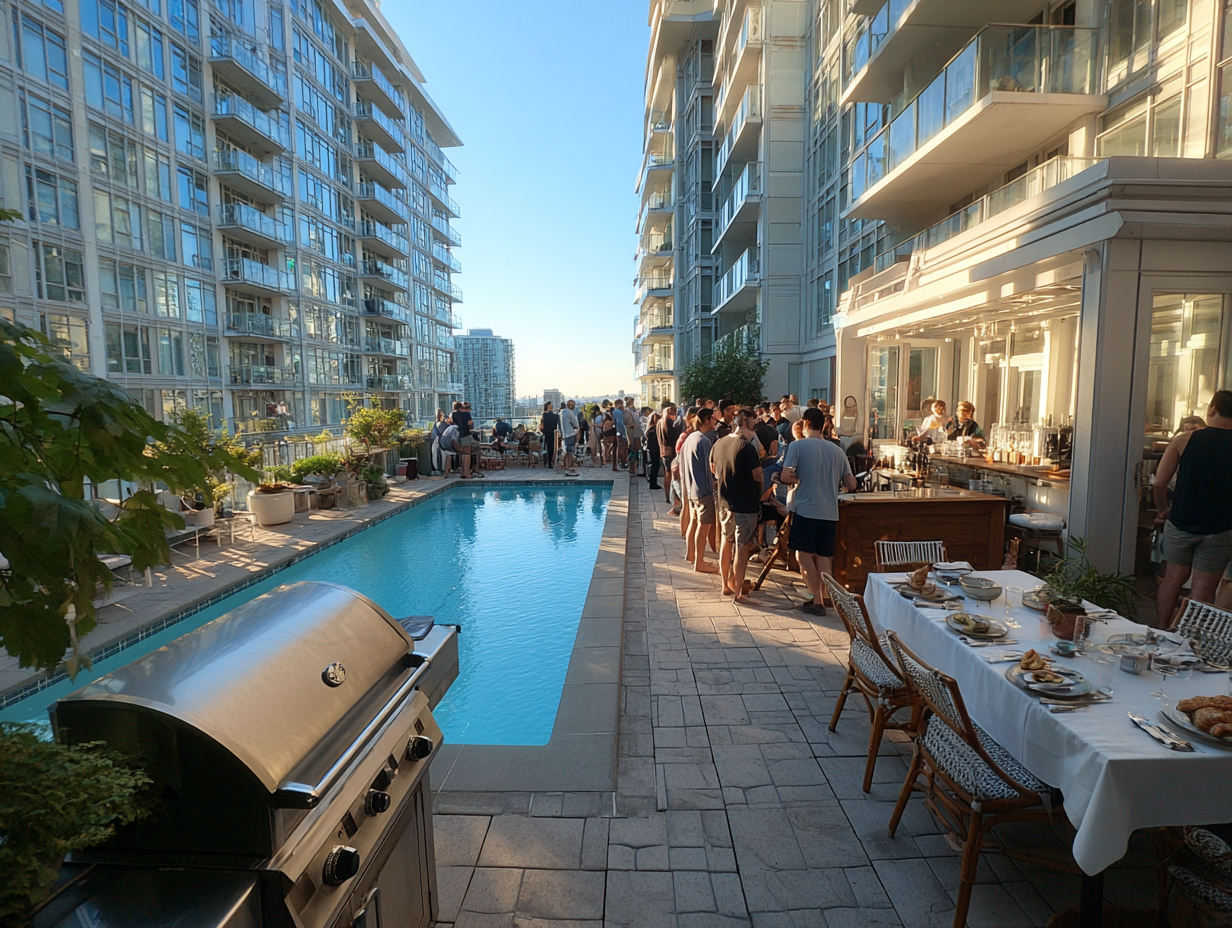
One of the greatest myths about condo living is the loss of outdoor space.
In reality, high-rise rooftops have become the new backyard, only better.
Modern rooftop amenities include:
- Infinity pools with skyline views
- Landscaped terraces
- Outdoor kitchens and barbecue zones
- Lounge seating for work or relaxation
- Fire pits and evening social areas
Unlike traditional backyards, these spaces are:
- Maintained for you
- Shared but never overwhelming
- Designed for beauty and experience
You don’t shovel snow.
You don’t cut grass.
You simply enjoy.
You don’t cut grass.
You simply enjoy.
Cold Cities Are Driving the Shift Faster
Living in a cold climate dramatically increases the appeal of high-rise living.
When winter lasts for months, indoor connectivity matters.
In a condo:
- Indoor parking eliminates snow stress.
- Elevators replace icy walkways.
- Shared amenities replace isolated spaces.
- Daily life becomes streamlined.
This is one of the reasons cities like Montreal and Toronto are seeing such rapid growth in luxury vertical living. It’s not just about real estate, it’s about comfort and sustainability.
Global Cities Are Setting the Standard
Look at cities like New York, Shanghai, and Hong Kong, and you’ll see where the future is heading.
These cities treat high-rise living as an art form.
Buildings are designed as lifestyle landmarks, with:
- Architectural identity
- Integrated retail and services
- Hospitality-level interiors
- Concierge-style living
Residential towers now borrow heavily from five-star hotels and private clubs.
The result?
Living spaces that feel elevated, intentional, and aspirational.
Living spaces that feel elevated, intentional, and aspirational.
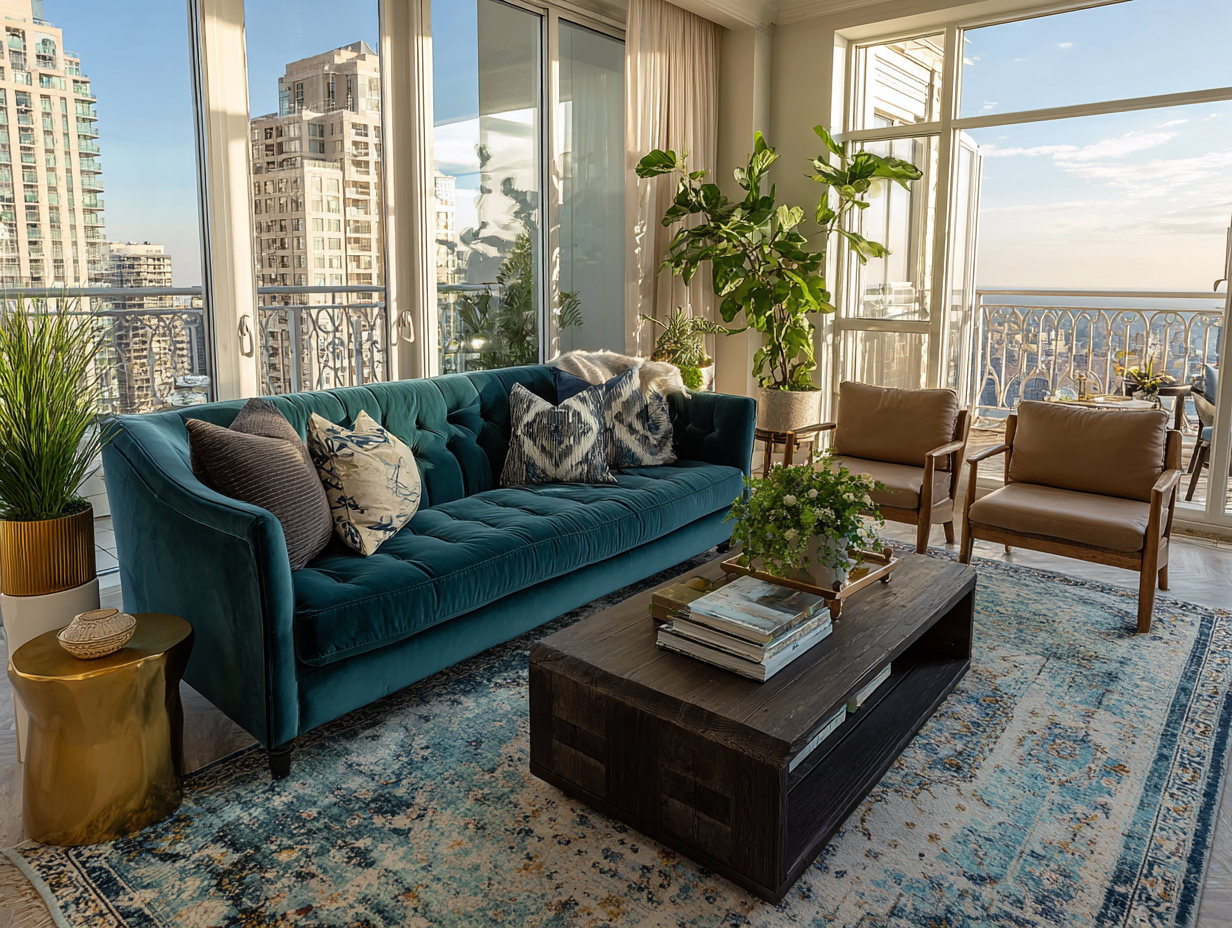
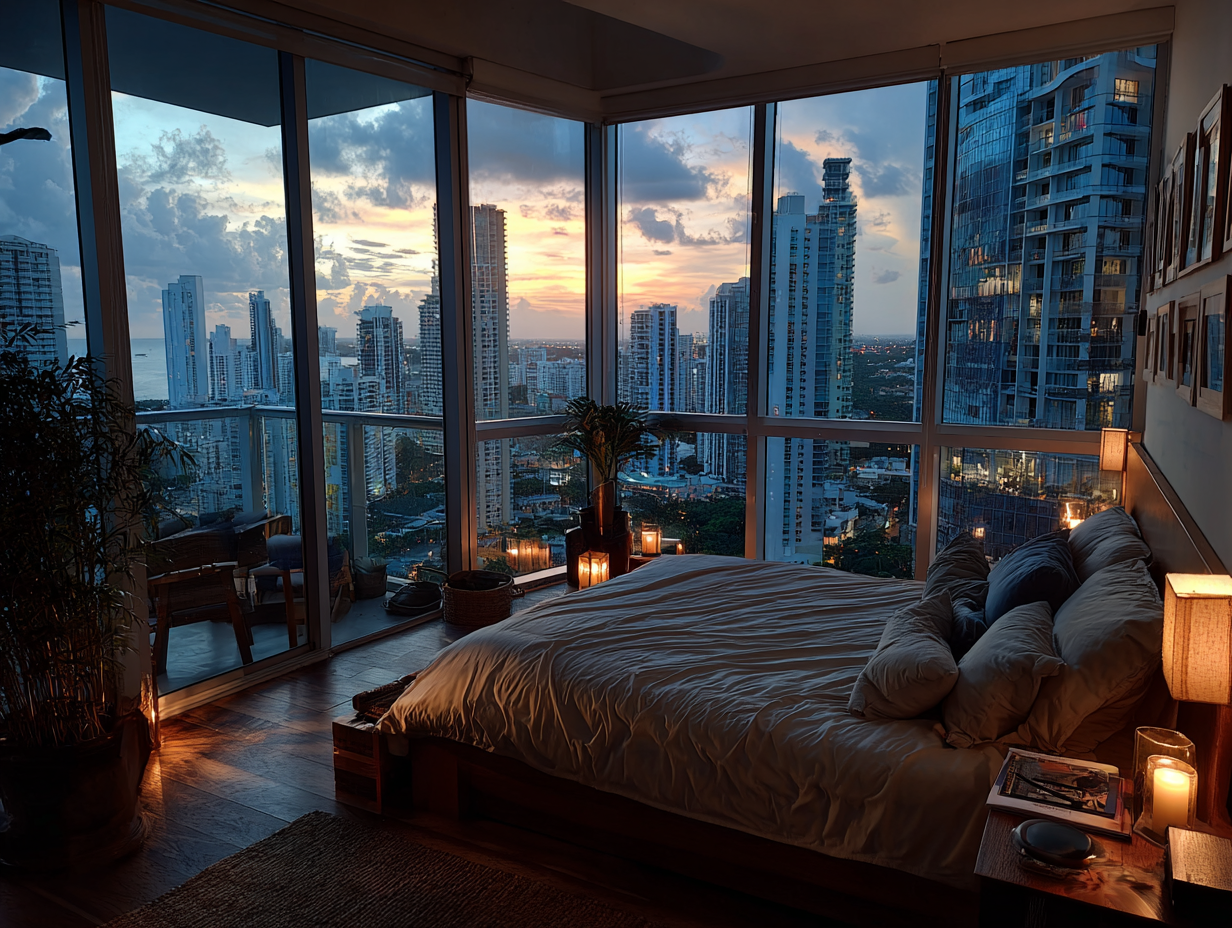
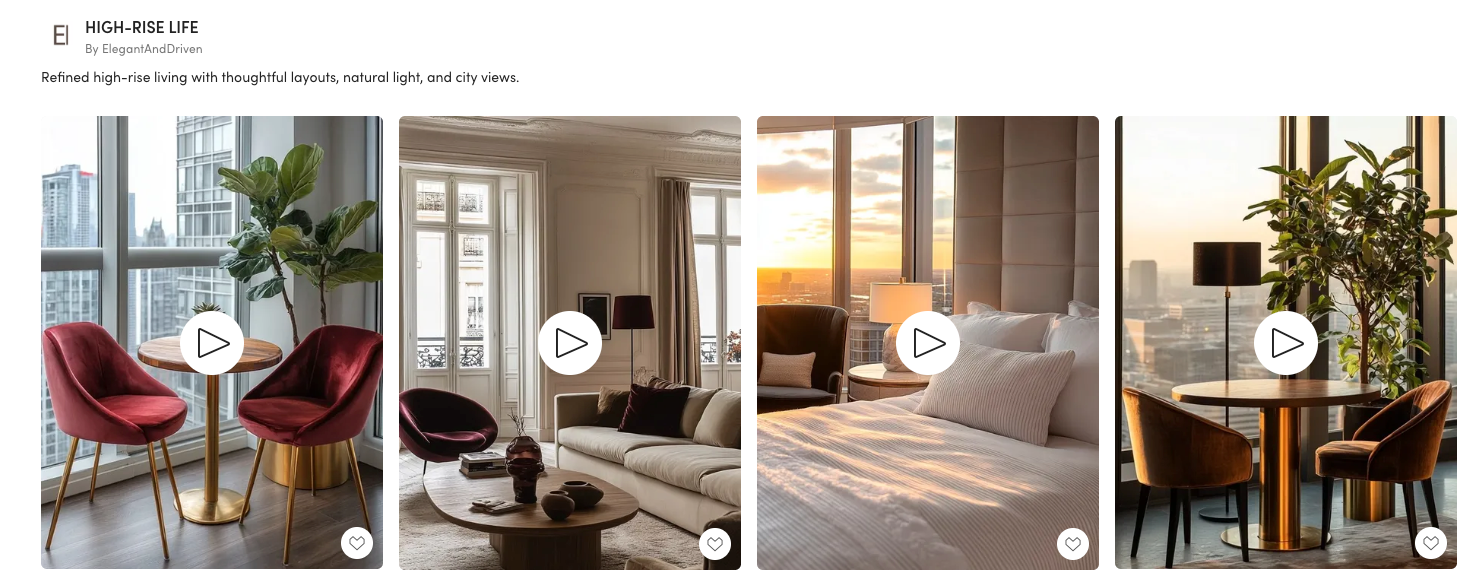
Our High-Rise Living Edit reflects a philosophy of intentional décor — pieces chosen to support modern lifestyles while maintaining a calm, elevated aesthetic. Explore how thoughtful design can transform vertical living into a refined everyday experience.
Why High-Rise Living Aligns With Modern Values
The popularity of high-rise apartments and condos isn’t accidental. It aligns perfectly with modern priorities:
1. Time Is the New Luxury
Less maintenance = more time for health, work, and creativity.
2. Experience Over Excess
People want access to beautiful spaces, not unused square footage.
3. Wellness as Infrastructure
Fitness, recovery, and mental health are built into daily life.
4. Sustainable Urban Living
Smaller footprints, shared resources, smarter energy use.
5. Flexible, Future-Proof Living
Condos adapt better to changing life stages than large homes.
What High-Rise Living Will Look Like by 2026 and Beyond
We are only at the beginning.
Over the next few years, expect to see:
- AI-enhanced building management
- Smart wellness tracking integrated into amenities
- Even deeper focus on mental health spaces
- Hybrid work lounges replacing traditional offices
- Art, culture, and creativity are embedded in buildings.
High-rise living will no longer be defined by square footage, but by quality of life per square foot.
Take Away: Vertical Living Is an Upgrade, Not a Trend
High-rise apartments and condos are becoming more popular because they solve real modern problems: time, energy, wellness, and connection, without sacrificing beauty or comfort.
I’ve lived in a large house.
I now live in a condo.
And I can say this with clarity: vertical living better supports modern life.
I now live in a condo.
And I can say this with clarity: vertical living better supports modern life.
What we’re seeing now is not just real estate development.
It’s a cultural shift.
It’s a cultural shift.
High-rise living is no longer about where you live.
It’s about how you live.
It’s about how you live.
And the future, starting now, is rising upward.