
Japan Has Always Been on My Bucket List — But Now It Feels Personal
Japan has always fascinated me: the culture, the discipline, the food, the respect woven into daily life. It represents a way of living that aligns with my values and vision for meaningful travel.
But something shifted recently.
When Krish became genuinely excited about Japan, its culture, history, and way of life, the trip changed from a general idea to a meaningful goal we share. Now, our plan for 2026 or spring 2027 is to create lasting memories together and explore Japan with purpose and presence.
I already know this will be a deeply memorable trip, not because of how much we’ll see, but because of how we’ll experience it.
This vision for Japan is part of a broader philosophy I hold about travel: prioritizing culture, movement, and meaning over simple sightseeing. Our recent experiences have made this philosophy tangible, shaping how we approach future journeys.
A New Tradition: Traveling Together as He Grows
Our trip to Italy marked the beginning of something special.
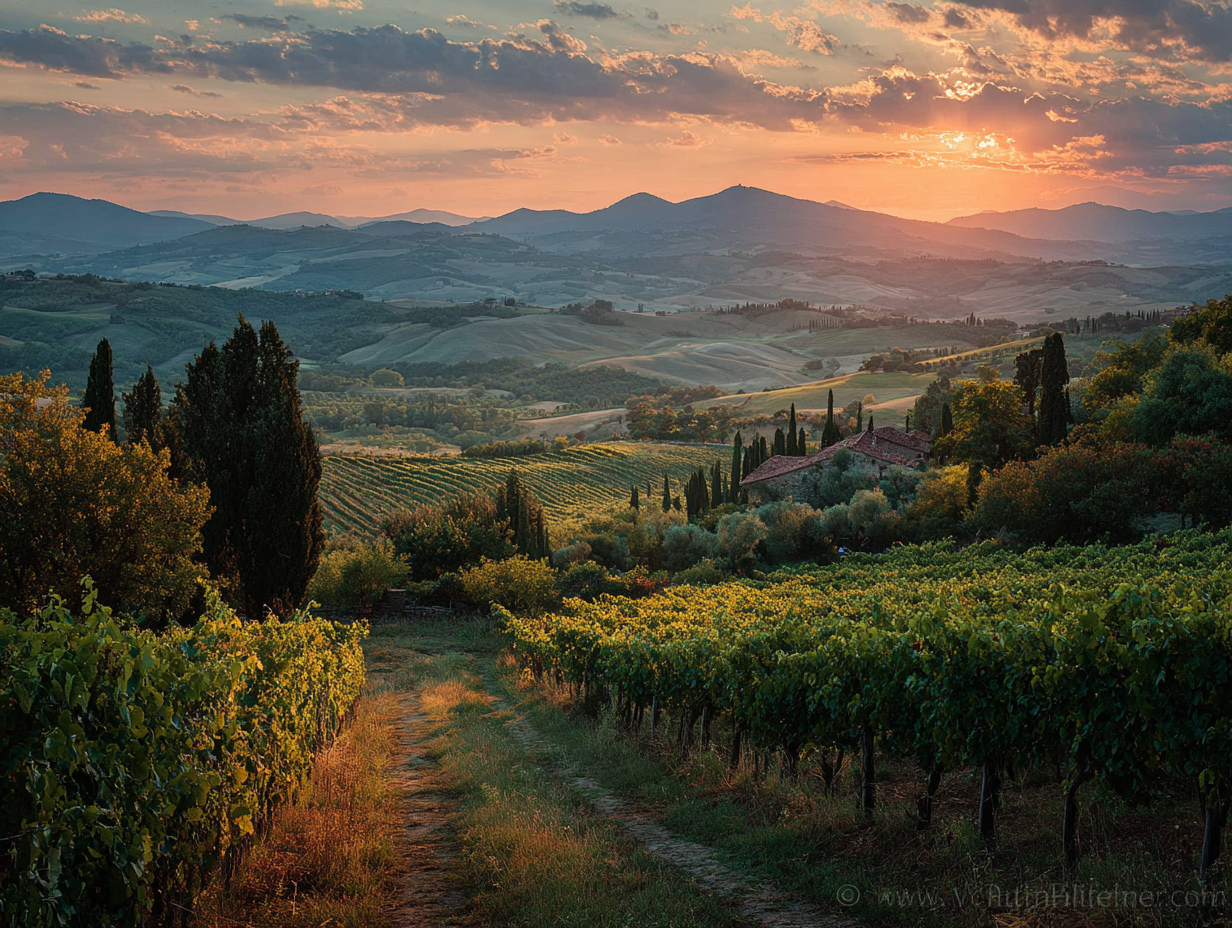
Traveling through Venice, Tuscany, the Amalfi Coast, and Rome together created more than memories: it created a rhythm. Long walks, shared meals, and conversations that only happen when you’re away from daily life.
After that trip, Krish and I decided to turn travel into a tradition.
As he prepares for university and eventually moves out into his own life, I want to hold onto this: time intentionally carved out, just the two of us, exploring the world together.
We both love learning, observing, and deeply experiencing cultures. Travel gives us space to connect as adults-in-the-making, not just as parent and child.
By making travel a tradition, Japan becomes the natural next step—a place that perfectly encapsulates the values and intentions Krish and I want to share on these journeys.
Japan Is a Culture of Ritual, Not Rush
What fascinates me most about Japan is not the contrast between old and new; it’s how seamlessly they coexist.
Ancient temples sit beside modern architecture.
High-speed trains coexist with slow, deliberate rituals.
Technology advances rapidly, yet daily life remains grounded in respect, order, and mindfulness.
High-speed trains coexist with slow, deliberate rituals.
Technology advances rapidly, yet daily life remains grounded in respect, order, and mindfulness.
There is a quiet understanding in Japanese culture that ritual creates stability.
From bowing greetings to the way tea is prepared, meals are served, and spaces are kept clean, nothing feels rushed or careless. Even ordinary moments are treated with intention.
In a world focused on speed and productivity, Japan stands out for its philosophy: move efficiently, but live slowly and with intention.
That idea resonates deeply with me, especially at this stage of life.
Related Read: My Travel Goals for 2026 and Beyond
This journey to Japan is part of a larger, intentional travel vision I’m shaping — one centered on culture, meaning, and experiences designed to evolve alongside life itself.
This journey to Japan is part of a larger, intentional travel vision I’m shaping — one centered on culture, meaning, and experiences designed to evolve alongside life itself.
Cherry Blossoms and the Beauty of Impermanence
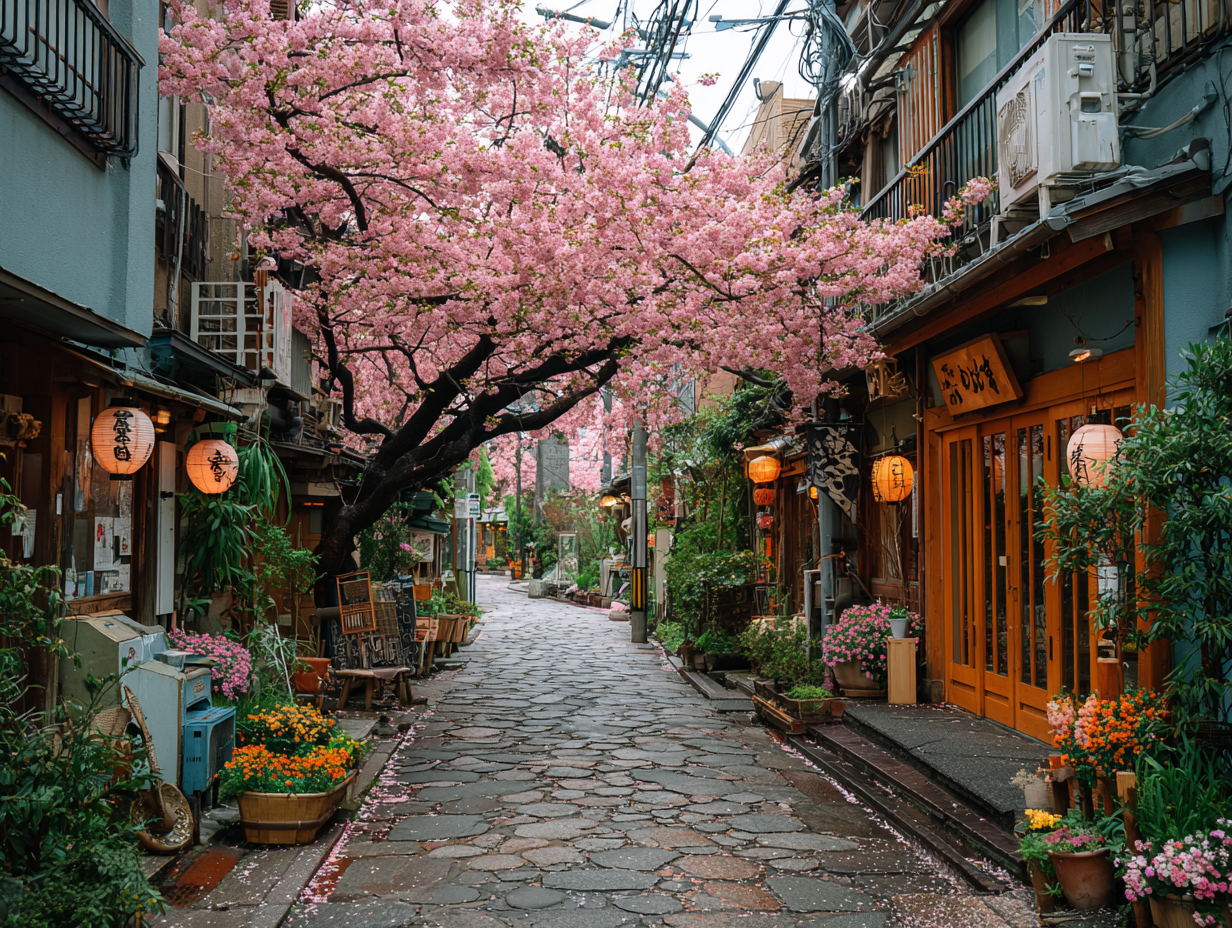
Cherry blossom season is one of the most poetic cultural expressions I’ve ever encountered.
The blossoms bloom briefly, then fall. Everyone knows this. And instead of trying to preserve them, people gather to witness them together, fully aware that the moment will pass.
There’s something profoundly grounding about a culture that doesn’t fight impermanence, but honors it.
That alone feels like a lesson worth traveling for.
Food as Culture, Not Consumption
My fascination with Japan deepens when it comes to food.
Japanese cuisine is built around:
- Simplicity
- Seasonality
- Balance
- Respect for ingredients
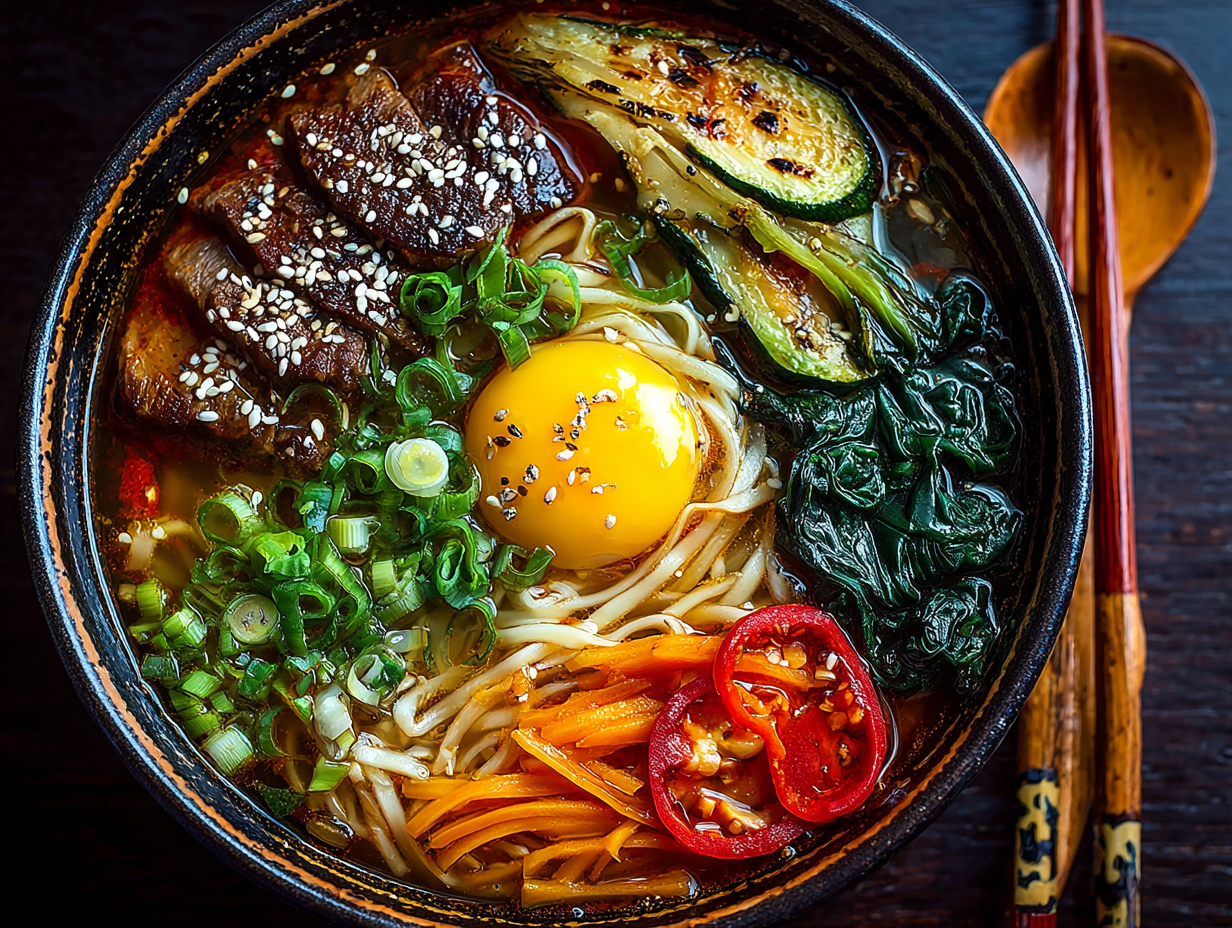
Meals are thoughtfully composed: smaller portions, varied textures, fermented foods, fresh vegetables, fish, rice, and broth-based dishes. Everything feels nourishing without excess or waste.
Food isn’t rushed.
It isn’t wasted.
And it isn’t separated from health.
It isn’t wasted.
And it isn’t separated from health.
This approach aligns beautifully with Blue Zone research, particularly in Okinawa, one of the world’s longest-living populations.
Okinawa, Blue Zones, and Living Well Into Old Age
Okinawa is one of the original Blue Zones, regions where people live longer, healthier lives.
What stands out isn’t just longevity, but how people live:
- Strong community ties
- Daily movement
- A sense of purpose (ikigai)
- Simple, nutrient-dense food
- Low stress and social connection
But longevity in Japan isn’t only about diet.
It’s about structure, usefulness, and belonging. Elders remain active and valued. Life continues with purpose well into old age.
That holistic approach to living well is deeply inspiring, and I hope Krish absorbs it simply by being there.
Buy Before Sale Ends!

The Blue Zones Secrets for Living Longer: Lessons From the Healthiest Places on Earth
- The creator of National Geographic's popular Blue Zones—now a documentary on Netflix—brings readers a...
- National Geographic Explorer and best-selling author Dan Buettner has traveled the globe to uncover the best...
Respect for Space, Design, and Daily Life
Another subtle but powerful aspect of Japanese culture is the relationship with space.
Homes are thoughtfully designed. Public areas are clean. Shoes are removed (A must in my home). Trash is sorted carefully (Another must in my home). There’s an unspoken agreement that shared spaces deserve care.
This is about respect.
The environment reflects the mindset:
How you treat your surroundings is how you treat yourself and others.
How you treat your surroundings is how you treat yourself and others.
As someone who values intentional living, from daily habits to how a home feels, this resonates deeply with me.
One of the earliest ways I connected with Japanese philosophy was through The Life-Changing Magic of Tidying Up by Marie Kondo. Long before Japan became a concrete travel plan, her approach to decluttering introduced me to a distinctly Japanese way of living — one rooted in respect for space, mindfulness, and intentional ownership. The idea that our surroundings quietly shape our energy, habits, and mental clarity stayed with me. It’s a reminder that in Japanese culture, order isn’t about perfection — it’s about creating room for what truly matters.
Buy Before Sale Ends!

The Life-Changing Magic of Tidying Up: The Japanese Art of Decluttering and Organizing (The Life Changing Magic of Tidying Up)
- #1 NEW YORK TIMES BESTSELLER • The book that sparked a revolution and inspired the hit Netflix...
- ONE OF THE MOST INFLUENTIAL BOOKS OF THE DECADE—CNN Despite constant efforts to declutter your home, do...
Why Japan Feels Like a Place to Learn, Not Just Visit
Japan isn’t on my bucket list because I want to “see everything.”
It’s there because I want to observe:
- How people move through their day
- How food is prepared and eaten
- How silence is respected
- How the community functions quietly
This is not a destination I want to rush through.
It’s one I want to experience slowly, with curiosity, humility, and presence to connect deeply and intentionally, especially alongside my son.
Why Japan Belongs on an Intentional Bucket List
Japan represents everything I value in travel today:
- Culture over checklists
- Depth over speed
- Meaning over novelty
It’s a place that teaches without preaching.
That invites reflection without demanding attention.
That shows what’s possible when life is designed around respect, balance, and care.
That invites reflection without demanding attention.
That shows what’s possible when life is designed around respect, balance, and care.
As I look toward 2026 or spring 2027, this trip stands for more than travel—it is an intentional opportunity to deepen our values, grow together, and shape our perspective on the world.
And that’s exactly the kind of travel I want more of now.