

Ivory Is Officially Out — And Bold, Elegant Color Is Taking Over
For nearly a decade, ivory reigned supreme.
Ivory sofas. Ivory walls. Ivory kitchens. Ivory-on-ivory homes that felt clean, elevated, and quietly luxurious. For many of us, this wasn’t just a trend; it was an investment of time, money, and emotional energy. I lived in this aesthetic fully, and I understand the attachment.
But design doesn’t disappear overnight — it evolves.
And today, ivory is no longer the destination. It has become the backdrop.
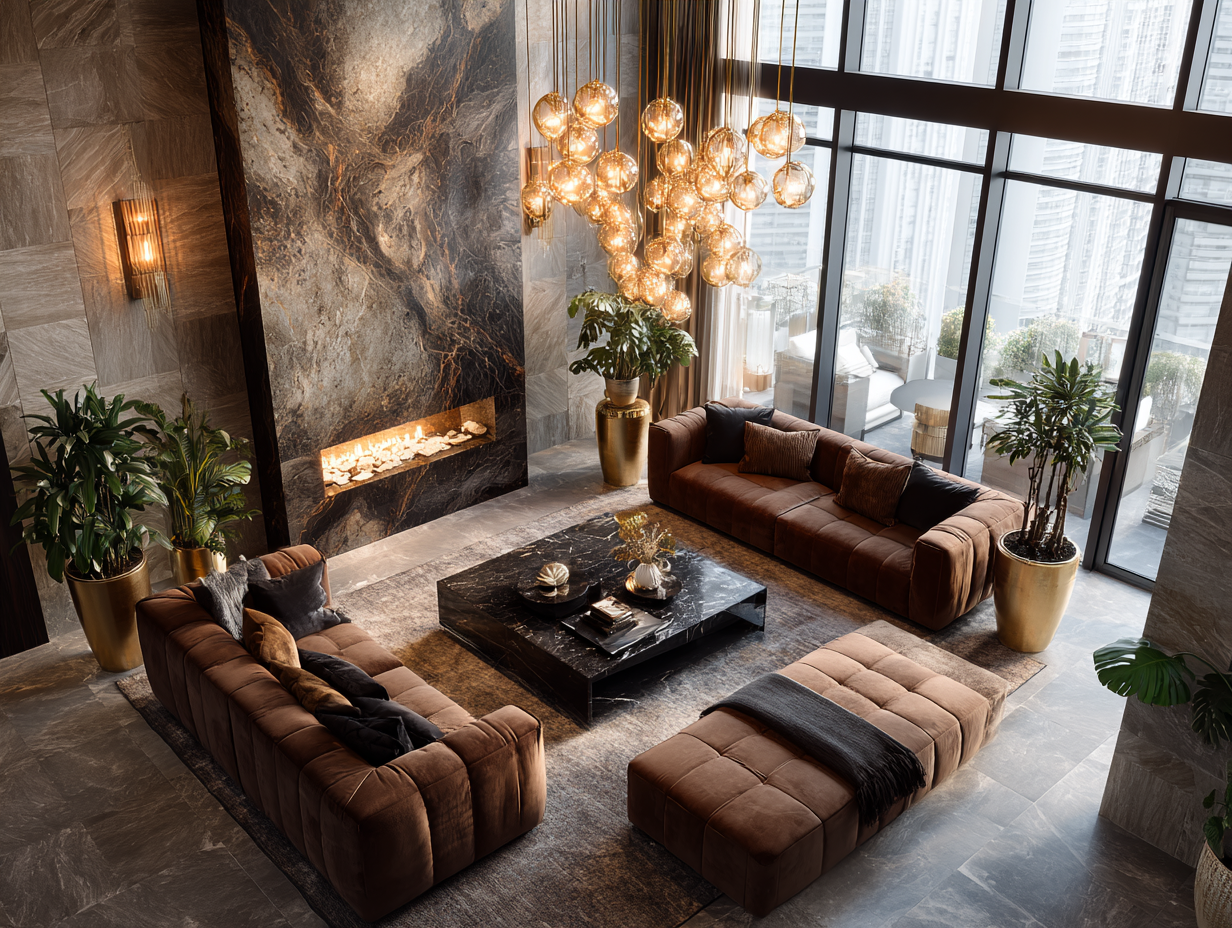
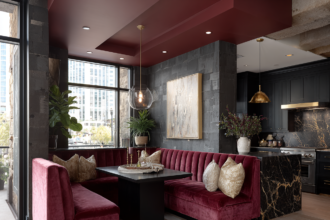
Bold, warm, expressive decor is officially taking over — not loud color, not chaotic trends, but intentional richness. Homes are shifting from sterile calm to grounded elegance. From safe minimalism to thoughtful depth.
If your home is ivory-heavy and you’re sensing it feels flat, unfinished, or oddly uninspiring — you’re not imagining it.
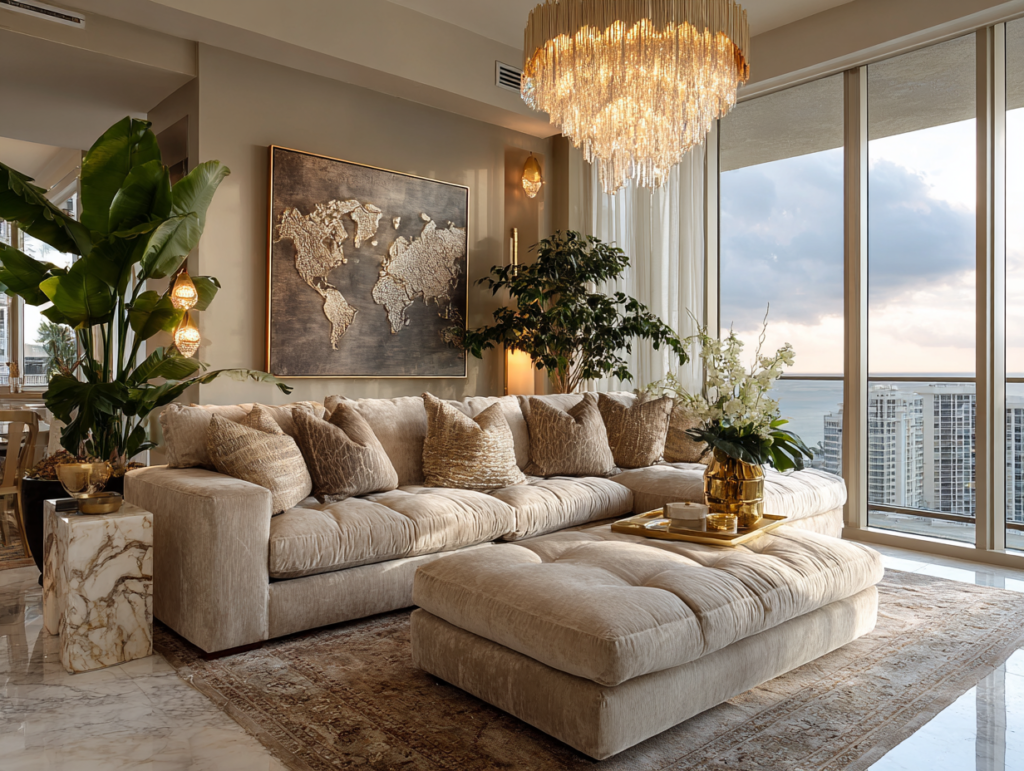
The good news? You don’t need to start over.
This is how to transition from ivory to color slowly, elegantly, and intelligently.
Why Ivory Fell Out of Favor (Without Becoming “Wrong”)
Ivory isn’t bad design; it’s simply no longer complete on its own.
Ivory minimalism thrived in a time when people craved visual quiet. But today, our homes need to do more than calm us — they need to support, ground, and inspire us.
Flat neutrals now feel:
- Emotionally distant
- Predictable
- Lacking contrast and character
The modern home is warmer, richer, and more layered. Color isn’t decorative anymore — it’s structural.
Ivory still belongs in the picture — just not as the main story.
Step One: Understand That Brown Is the New Ivory
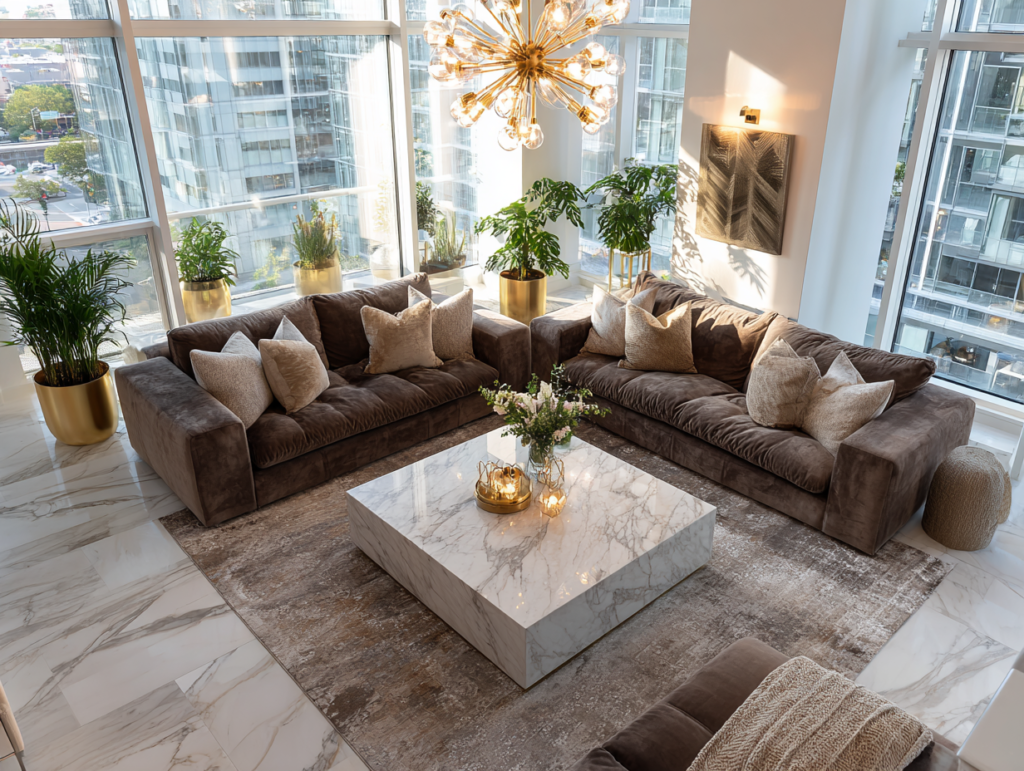
Before you add color, you need a new neutral foundation.
That foundation is brown.
Brown does what ivory used to do — but better. It grounds a space, adds depth, and instantly modernizes a room without feeling trendy.
Start with the easiest swaps:
- Brown or chocolate cushions on ivory sofas
- Dark wood accents
- Brown or espresso picture frames
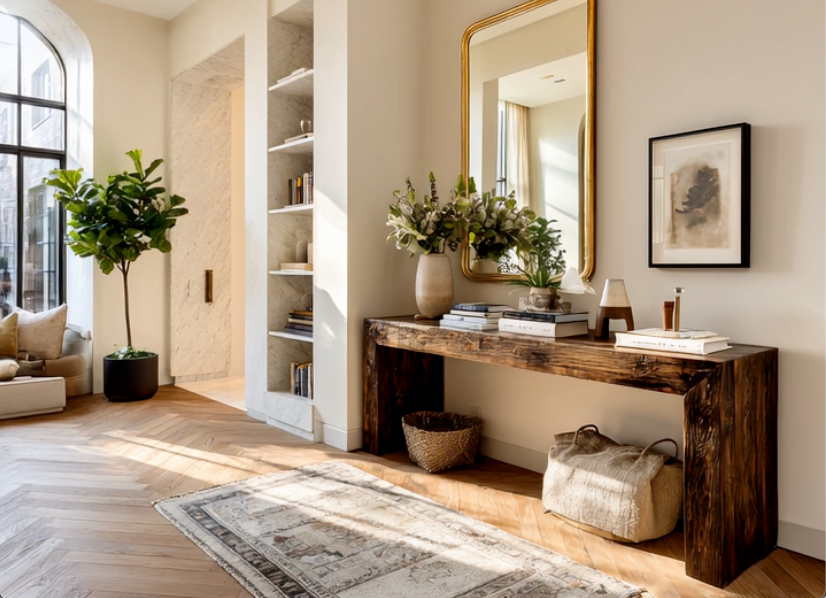
- A brown-framed mirror instead of silver
Think of brown as your new baseline. From here, color feels intentional — not random.
Step Two: Choose an Elegant Color Story (Not a Rainbow)
This is where most people go wrong.
Transitioning from ivory doesn’t mean adding color everywhere. It means choosing one refined direction and layering it slowly.
If You Want to Stay Close to Neutrals:
- Taupe
- Mushroom
- Soft caramel
- Warm greige
These shades feel elevated, not trendy.
If You’re Ready for Color:
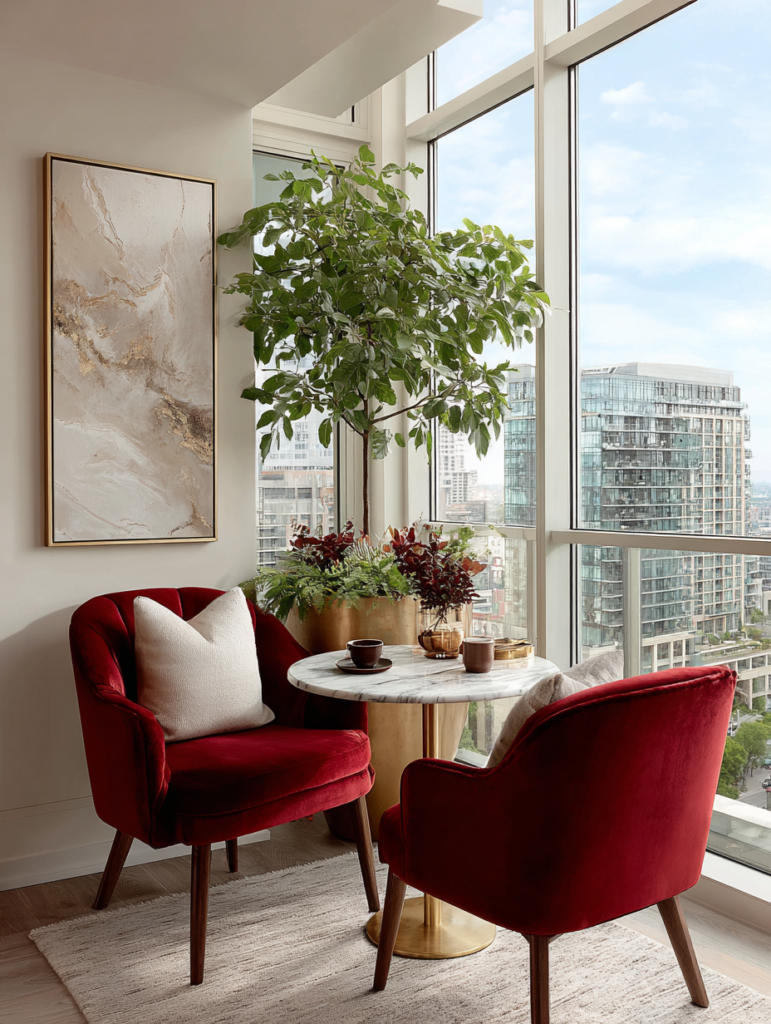
Choose one or two of the following:
- Burgundy or wine
- Sage or olive green
- Deep mocha
- Muted terracotta
These colors are rich, grown-up, and timeless when used intentionally.
Color should feel anchoring, not attention-seeking.
Shop the look:

Step Three: Replace Silver With Gold (This Is Essential)
If ivory minimalism had one signature flaw, it was over-reliance on silver and chrome.
In the new decor language, silver feels cold and disconnected. Gold — especially brushed or antique finishes — adds warmth and softness instantly.
Upgrade selectively:
- Gold-framed mirrors
- Brass or gold planters
- Gold trays on coffee tables
- Warm metallic candle holders
You don’t need much. A few gold accents can completely recalibrate an ivory room.
Step Four: Introduce Color Through Coffee Table Books
One of the most elegant ways to add color without commitment is through coffee table books.
Books add:
- Visual weight
- Intellectual character
- Natural color variation
Look for covers in:
- Brown, black, or deep green
- Burgundy or muted red tones
- Art, fashion, architecture, or travel themes
Books don’t feel decorative — they feel personal. That’s why they work so well in transitional spaces.


Step Five: Add Greenery for Instant Depth and Luxury
If you add nothing else, add plants.
Greenery breaks the monotony of ivory instantly, introducing life, movement, and softness.
For maximum impact:
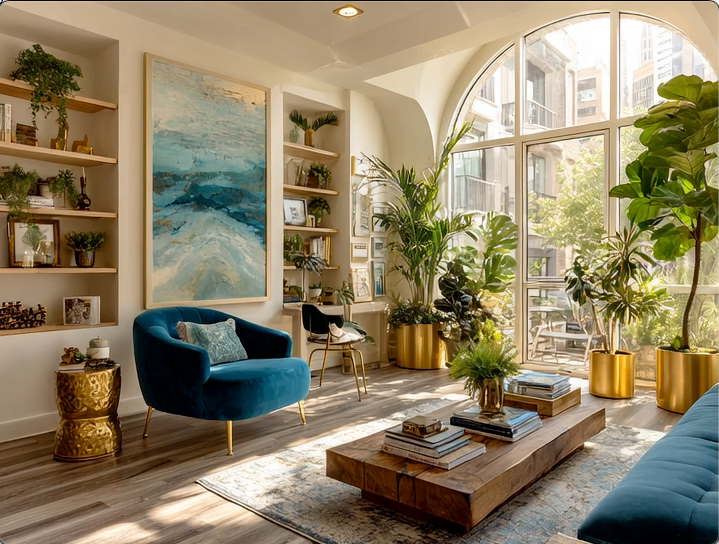
- Pair greenery with gold planters
- Use scale — one tall plant is better than five tiny ones
- Place plants where the eye naturally rests
Green is the safest color you can introduce — and the most transformative. Use gold planters for elegance and warmth.


The Key to an Elegant Transition: Go Slow
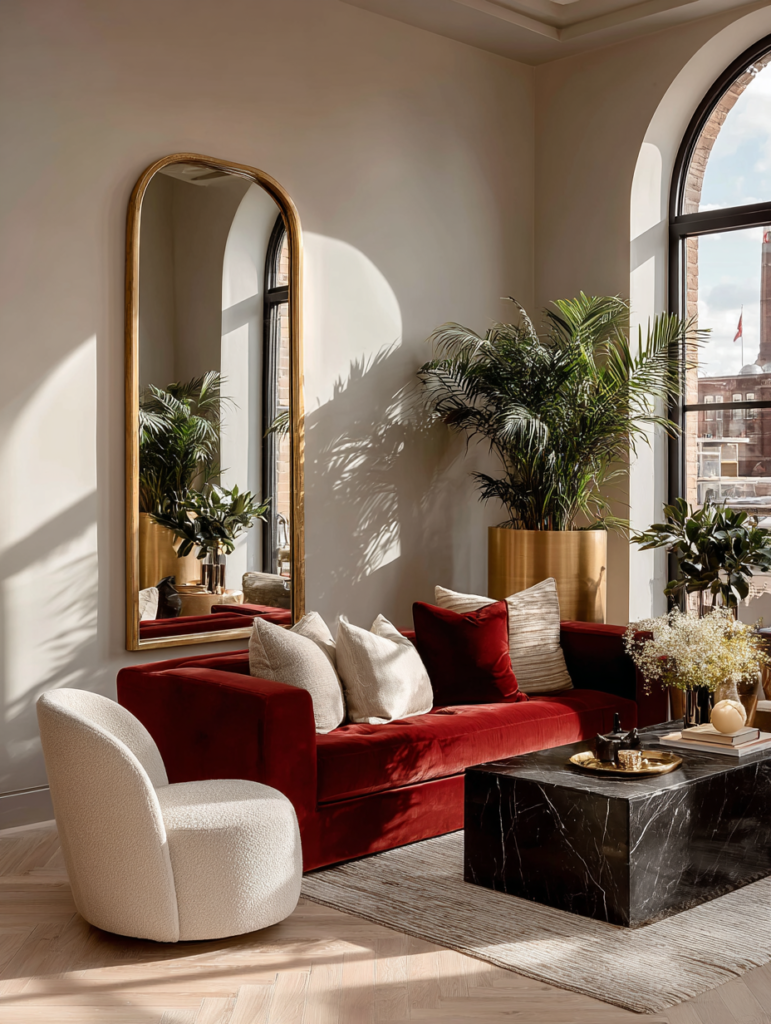
This new decor era is still unfolding.
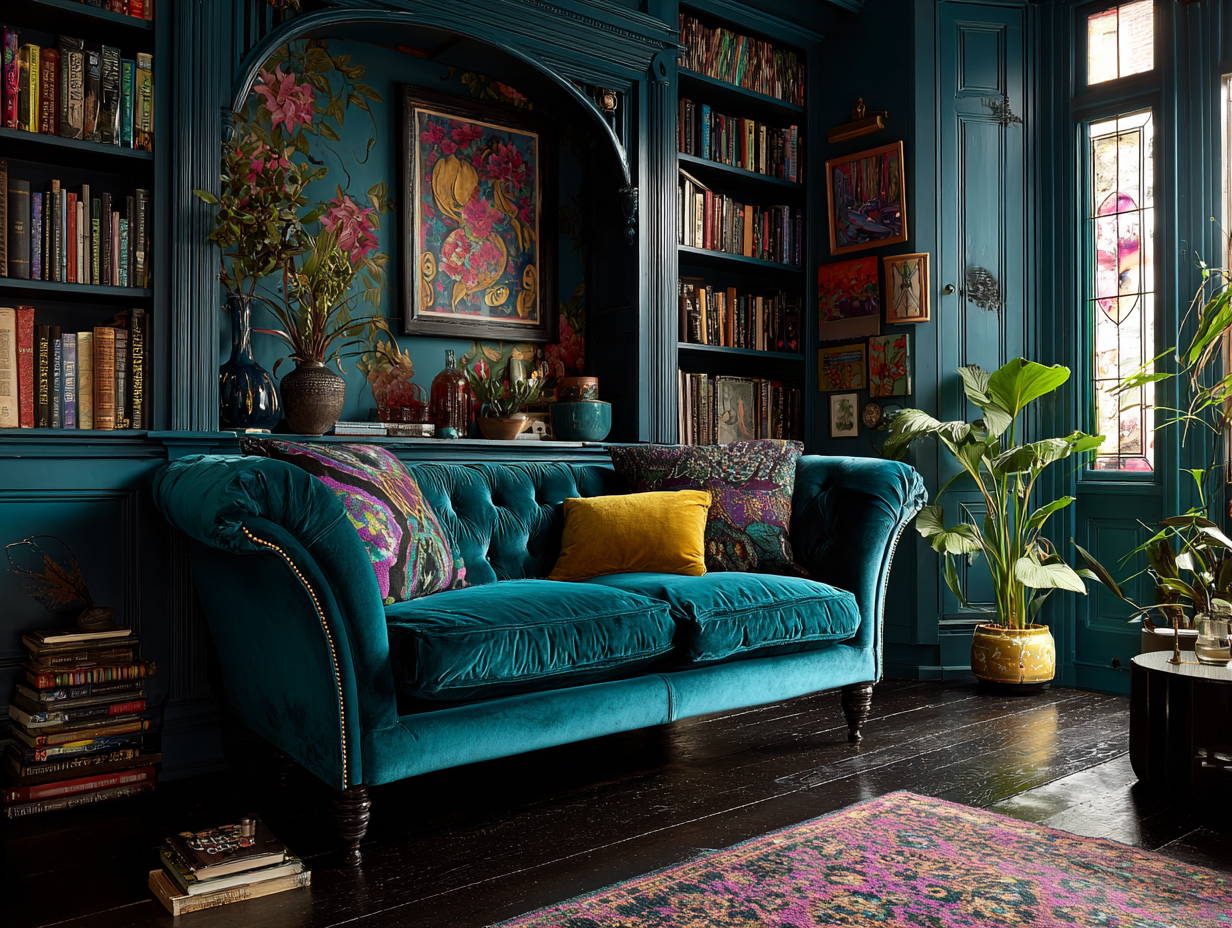
Richer colors are coming. Velvet textures are rising. Black accents, sculptural furniture, and bolder silhouettes are gaining momentum.
But elegance never rushes.
If you invested in an ivory home, honor that investment. Let it evolve naturally:
- Start with brown
- Layer color intentionally
- Replace cold metals
- Add depth through books and plants
Over time, you may add:
- A burgundy or olive accent chair
- A darker sofa
- A textured rug
- Black velvet or sculptural pieces
None of this needs to happen all at once.
Shop the look:
Bottom Line
Ivory isn’t outdated — it’s just no longer enough.
The new modern home isn’t about minimalism or maximalism. It’s about meaningful layers, warmth, depth, and personal expression.
When you transition thoughtfully, your home doesn’t lose its calm — it gains its confidence.
And that is the future of elegant design.