
How I Built a Modern Kitchen for a Healthy Life — Organized by Macros
I didn’t wake up one day and decide to build a “healthy kitchen.”
It happened slowly—over decades—shaped by motherhood, curiosity, culture, and learning what actually supports the human body.
When I gave birth to my son, Krish, sixteen years ago, something shifted. Like many women, I became more aware not just of what I ate, but also of why. I started reading books, researching nutrition, questioning habits I had inherited, and observing the long-term effects of food on energy, mood, weight, and health.
I also looked backward.
I grew up in India, in a very traditional household. My mother’s kitchen was warm, aromatic, deeply cultural, and very carb-forward. Mine looked similar for years, even after moving to Canada. Kitchens, after all, tend to reflect how we were raised.
But as I learned more, especially during my health coaching years around 2013–2014, I realized something important:
A modern lifestyle requires a modern kitchen system.
That’s when I rebuilt my kitchen—not by removing culture, but by organizing it around macros.
Why a Macro-Based Kitchen Works for Modern Life
A macro-based kitchen answers one essential question:
“Does my environment support the way I want to eat?”
Instead of relying on willpower, meal plans, or restriction, I built a kitchen where:
- High-protein foods are visible and accessible.
- Fiber-rich foods are always available.
- Healthy fats are limited—but intentional.
- Sugar and refined flour don’t exist at all.
My kitchen doesn’t stand in the way of my goals.
It quietly reinforces them—every single day.
It quietly reinforces them—every single day.
This is the foundation of intentional living, and it aligns perfectly with what I share in
Step One: Removing What No Longer Belongs
Before organizing good food, I removed what didn’t serve us.
What Hasn’t Been in My Kitchen for Over 20 Years
- White sugar
- Brown sugar
- Soda (I haven’t touched a drop in decades)
- White flour
- Processed snacks
- Sweetened beverages
This wasn’t about restriction. I wanted to eliminate what was harmful to my and my family’s health.
Once something is no longer part of who you are, it doesn’t require discipline.
Step Two: Organizing the Kitchen by Macros
1. Protein: The Anchor of My Kitchen
Protein is the foundation of how I eat, how I age, and how I maintain muscle and metabolic health.
My Core Protein Sources
In the fridge & freezer:
- Chicken
- Eggs
- Shrimp
- Salmon (Fish and seafood)
- Occasional goat/lamb meat
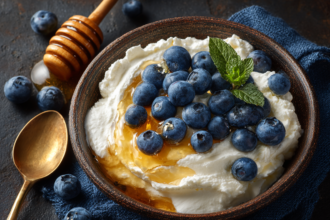
- Large tubs of Greek yogurt
In the pantry:
- Canned tuna
- Whey protein powder
Everything animal-based lives cold. Everything shelf-stable has a clear protein zone.
If protein is readily available, it becomes effortless to eat well.
2. Carbohydrates: Grains, Beans & Lentils (One Intentional Zone)
Carbs are not the enemy—but chaos is.
I organize carbs into one clear section, so portions stay intentional.
Grains We Keep
- Rice (mostly for Krish)
- Pasta (also for him)
- Quinoa
- Whole wheat flour (for chapatis and baking – no white flour for baking)
Beans & Lentils (Non-Negotiable)
- Lentils
- Beans
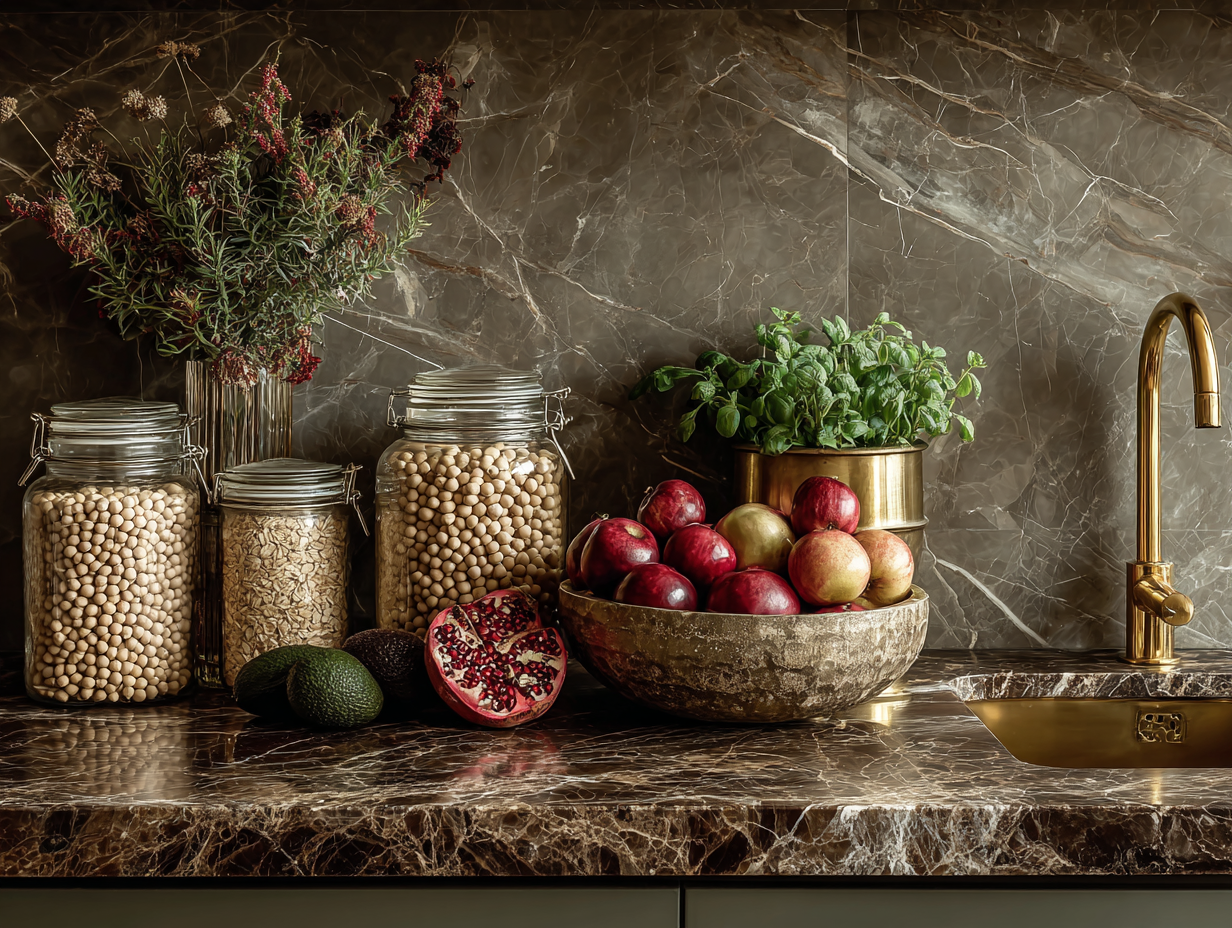
- Chickpeas
Beans and lentils are a macro bridge—they deliver carbs, protein, and fiber together. They deserve their own dedicated space.
This aligns with what I explained in
👉 The Secret to Eating Carbs Without Gaining Weight
👉 The Secret to Eating Carbs Without Gaining Weight
3. Healthy Fats: Only the Essentials
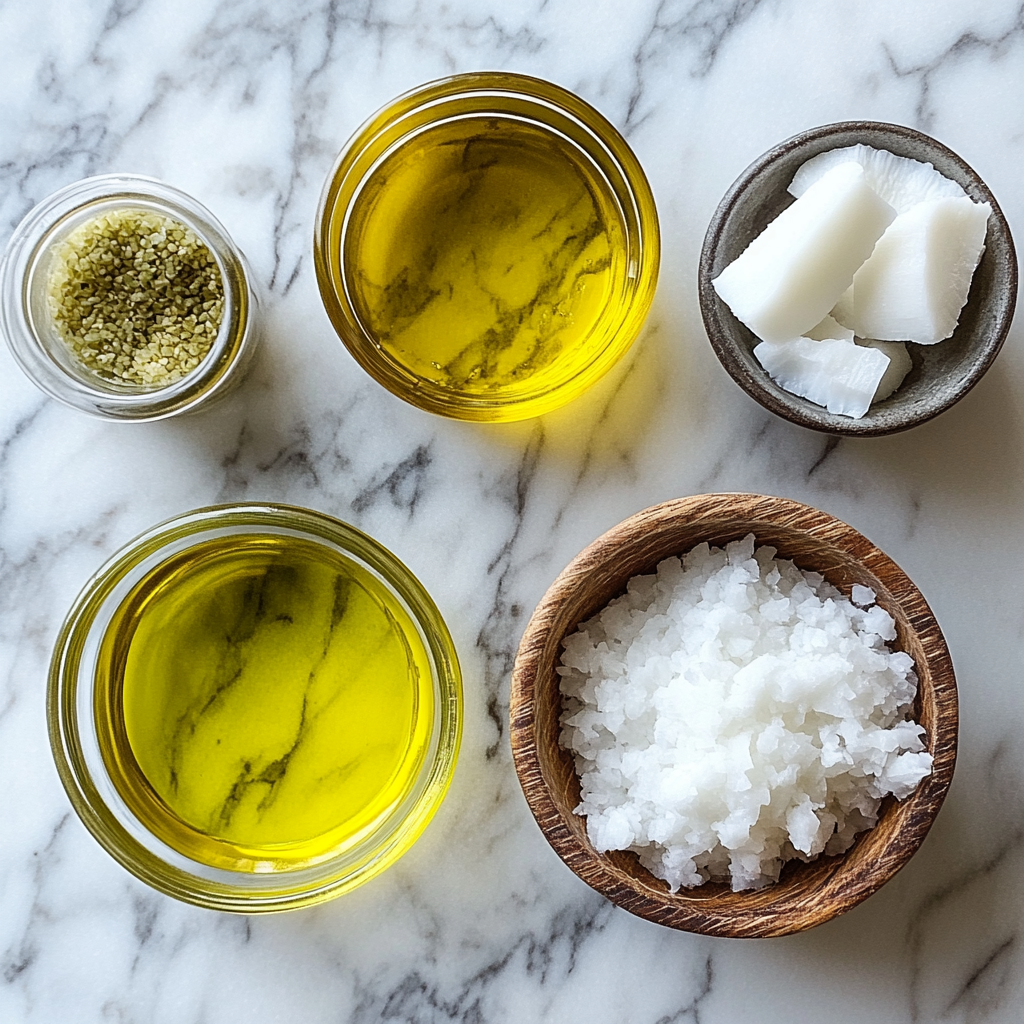
Fats are powerful—and concentrated.
I don’t believe in having ten oils. I believe in having the right ones.
The Only Four Cooking Fats I Use
- Extra virgin olive oil
- Avocado oil
- Ghee
- Coconut oil (mostly for baking)
Occasionally, I’ll keep butter if Krish wants it, but these four cover everything.
I go deeper into this philosophy here:
👉 The Only Four Cooking Oils You Need in Your Kitchen
👉 The Only Four Cooking Oils You Need in Your Kitchen
4. Spices & Herbs: Flavor Without Calories
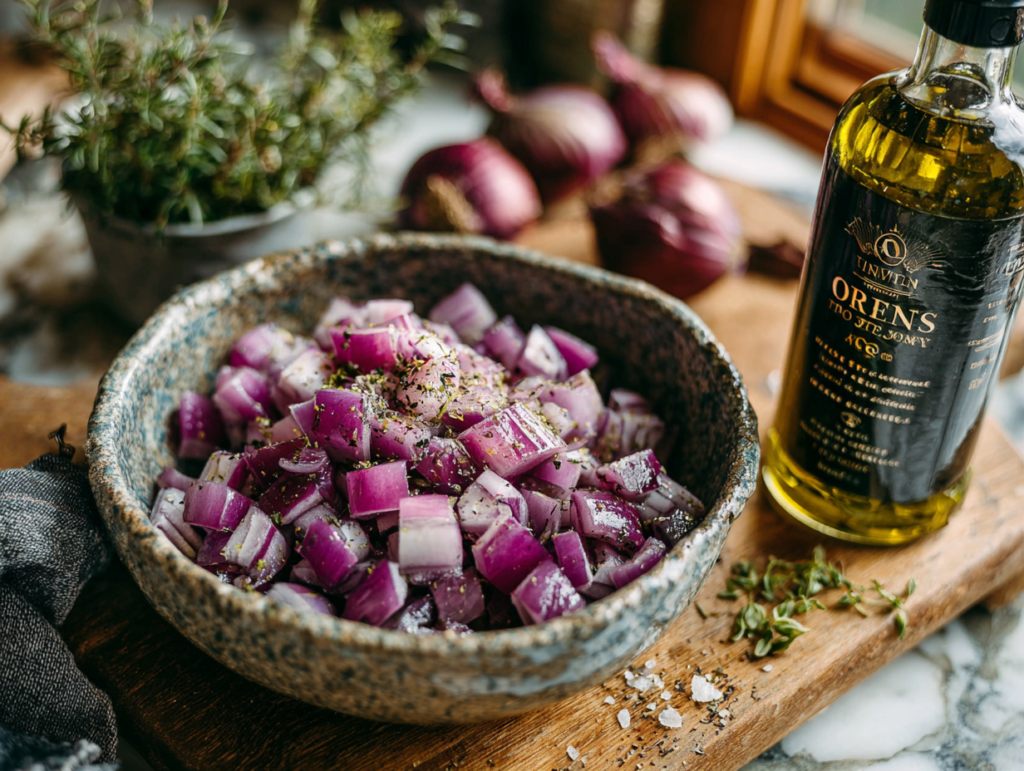
All spices live together in one zone.
Indian cooking taught me early that flavor doesn’t require sugar or sauces. Spices allow you to eat simply—without boredom.
This makes healthy eating sustainable long-term.
The Smoothie Counter: My Daily Ritual Zone
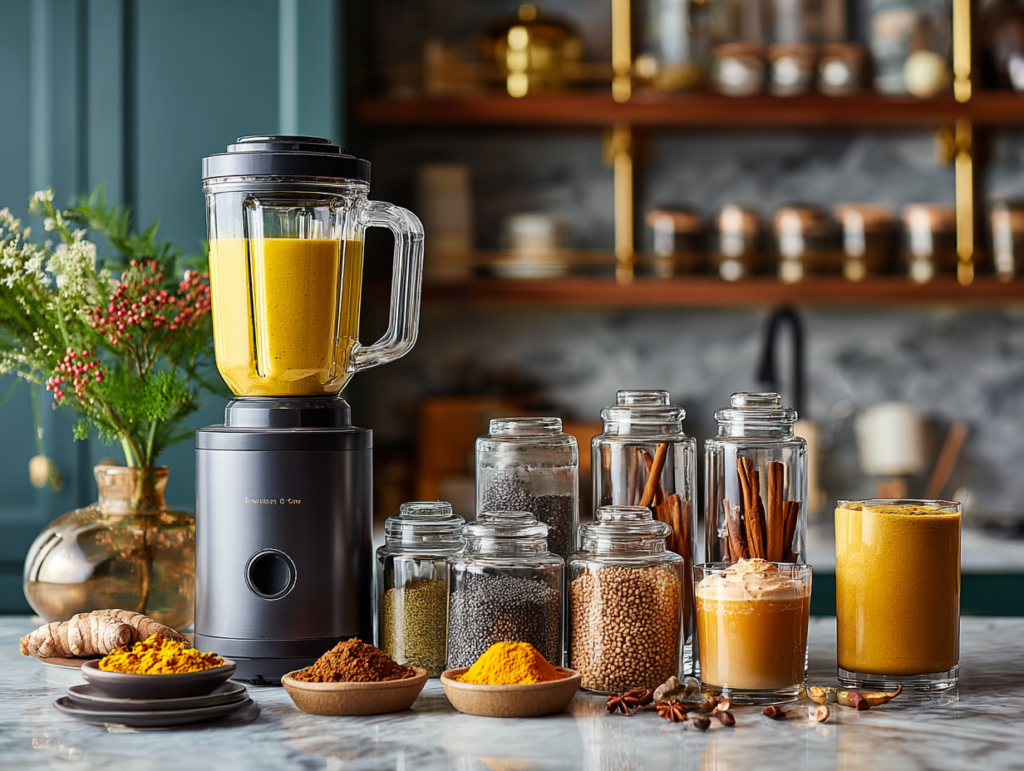
One corner of my kitchen is dedicated to morning consistency.
This is where habits become automatic.
What Lives on My Smoothie Counter
- Whey protein
- Collagen powder
- Creatine (added by Krish)
- Chia seeds
- Hemp seeds
- Fennel seeds
- Single-serve smoothie blender
Right next to it:
☕ Coffee station — I drink black coffee with my smoothie every morning.
☕ Coffee station — I drink black coffee with my smoothie every morning.
No decisions. No thinking. Just execution.
The Freezer: Where Consistency Is Protected
My freezer is not random; it’s strategic.
Always in My Freezer
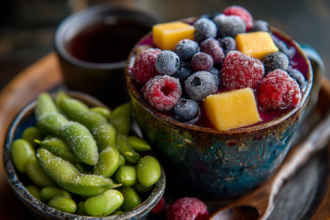
- Frozen blueberries
- Frozen raspberries
- Frozen mangoes
- Frozen edamame
Edamame is one of the most underrated foods:
high-protein, high-fiber, low-calorie.
high-protein, high-fiber, low-calorie.
Frozen fruit ensures smoothies happen—even when life gets busy.
Fruits & Vegetables: Fresh, Seasonal, Fiber-First
I don’t overbuy produce.
Instead, I shop frequently and intentionally.
On My Counter (Always Visible)
- Bowl of onions
- Garlic
- Potatoes
- Sweet potatoes
Fruits We Love
- Apples and Bananas (Krish’s grab and go)
- Acocados
- Guava
- Pomegranate
- Berries (raspberries, blueberries, strawberries)
- Mangoes
- Pineapple
I focus on fiber-rich fruits, seasonal options, and variety.
Visibility matters. What you see, you eat.
Why This System Works Long-Term
This kitchen supports:
- Muscle maintenance
- Hormonal health
- Stable energy
- Digestive health
- A calm relationship with food
I don’t count macros daily.
I live inside a macro-supportive environment.
That’s the difference.
A Kitchen That Reflects Who You’ve Become
Your kitchen is a mirror.
It reflects:
- How you grew up
- What you’ve learned
- Who you’re becoming
Mine still honors my Indian roots – how could it not? I have Ayurveda roots in my upbringing, but it’s optimized for a modern, high-protein, high-fiber lifestyle.
You don’t need perfection. Just focus on what matters to your lifestyle and health goals.
Design the Environment, Not the Willpower
Healthy eating isn’t about motivation.
It’s about designing a space that makes the right choices inevitable.
When your kitchen is organized by macros, nourishment becomes automatic—and health becomes a byproduct of daily life.
If you want to go deeper, explore these related reads:
This is how I built a kitchen that supports real life—not trends.