
What’s in My Freezer: How I Make High-Fiber Eating Effortless Every Day
Protein is a common focus, and for good reason. It builds muscle, stabilizes blood sugar, and keeps us full. Once we know the basics, getting enough protein becomes easy with options like whey protein, Greek yogurt, chicken, and fish.
The recommended intake for women in general is at least 25 grams of fiber per day, yet most don’t even come close. And unlike protein, there’s no quick “one scoop fixes everything” solution. Fiber requires intention.
I consistently get 25–30 grams of fiber every day, and here’s what I’ve learned: it’s much easier than people think if your freezer is set up right.
Here’s what I keep in my freezer and how it does most of the work for me.
Why Fiber Is Harder Than Protein (And Why the Freezer Matters)
Protein has been simplified. We’ve optimized it. Smoothies, supplements, lean meats, it’s everywhere.
Fiber hasn’t received the same treatment.
Most high-fiber foods are:
- Perishable
- Time-consuming to prep
- Easy to forget about
- Hard to eat consistently
That’s where the freezer becomes a secret weapon.
Frozen fiber-rich foods don’t spoil, don’t require planning, and are always ready when you are. When fiber is visible and convenient, intake naturally increases.
My Daily High-Fiber Smoothie (8–10g of Fiber for Breakfast)
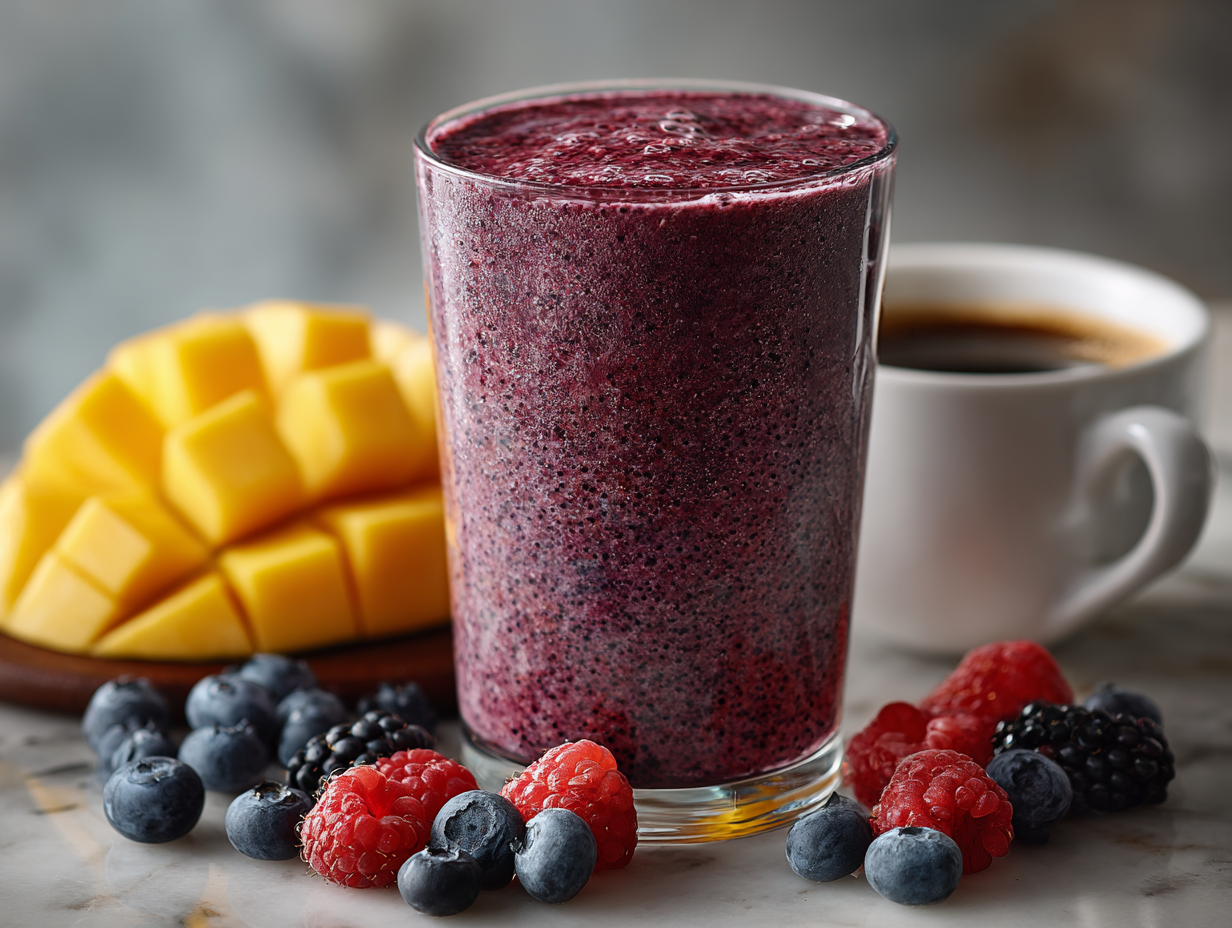
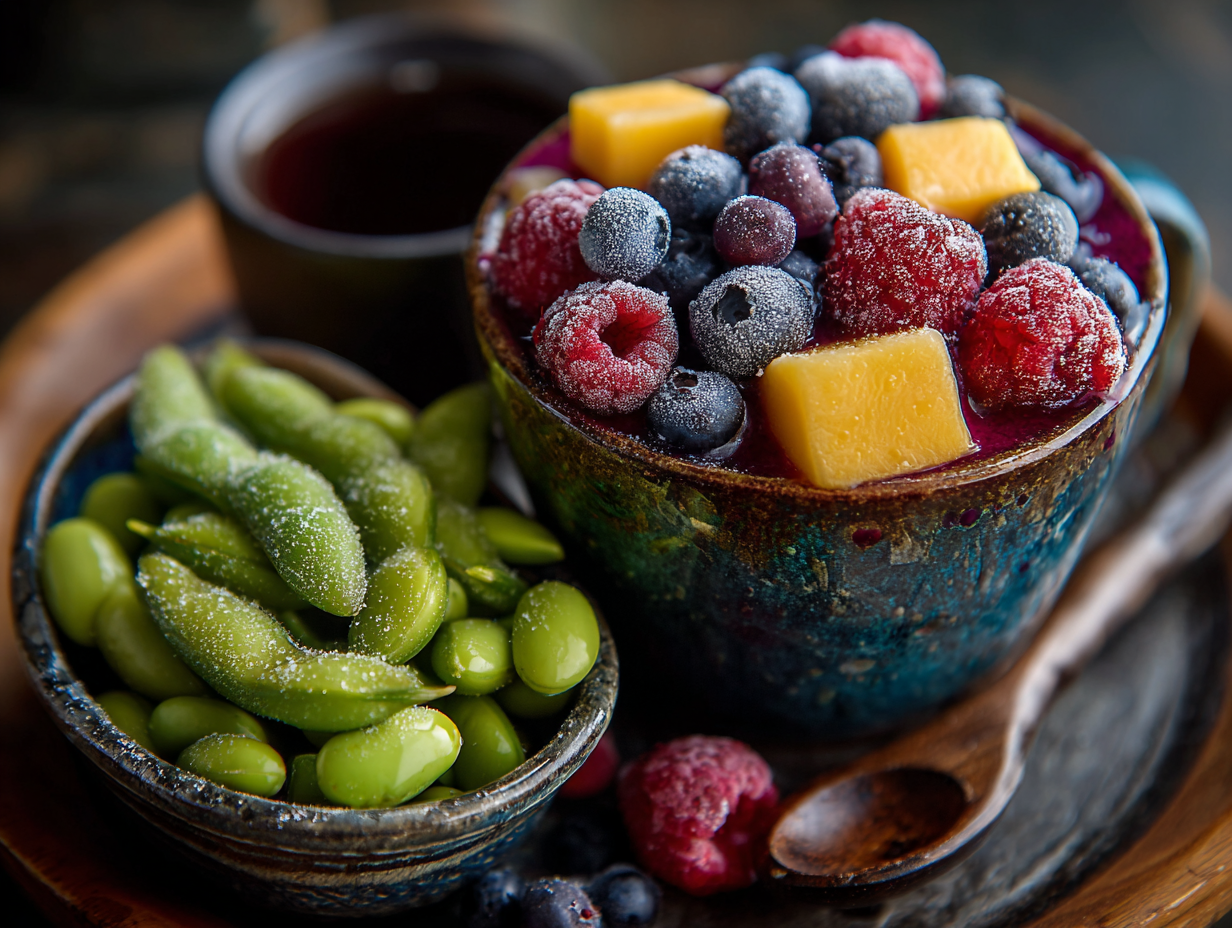
Every morning, I start with a smoothie built from freezer staples.
What’s in my blender:
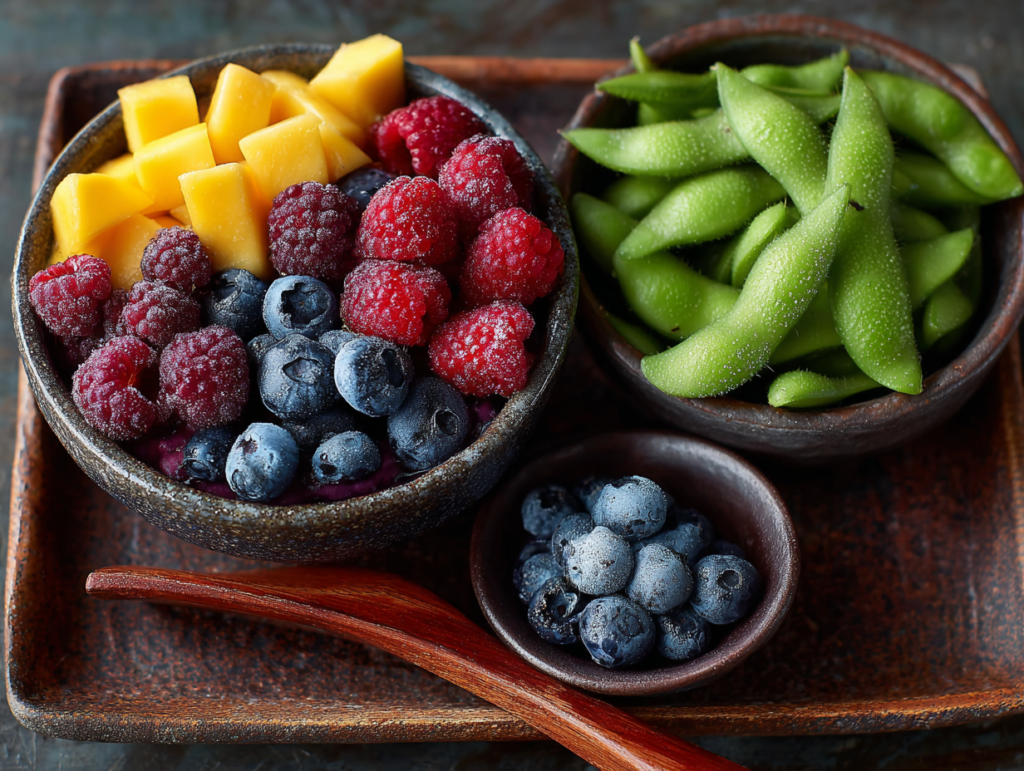
- 1 cup frozen blueberries
- ½ to ¾ cup frozen raspberries
- ½ cup frozen mango
- 1 scoop whey protein
- Water
That’s all.
This smoothie alone delivers:
- 8–10 grams of fiber
- Under 300 calories (excluding protein)
- Naturally sweet, no added sugar
- Antioxidants, polyphenols, and gut-supportive compounds
This smoothie is refreshing, light, and satisfying. I skip nut butters, oats, and sweeteners; the fruit covers it.
Because everything is frozen:
- No washing fruit daily
- No worrying about spoilage
- No excuses
This smoothie happens almost automatically, so I get my fiber before my day starts.
Why Frozen Berries Are Non-Negotiable in My Freezer
If someone asked me to name the single most important fiber habit I’ve built, this would be it.
Frozen berries are:
- Extremely high in fiber for their calorie count
- Easy to blend
- Naturally low in sugar compared to tropical fruits
- Available year-round
Blueberries and Raspberries, especially, are fiber powerhouses. Pairing them with mango balances fiber, sweetness, texture, and micronutrients.
This is one of the simplest ways to raise fiber intake without changing the rest of your diet.
The Second Freezer Staple: Frozen Edamame
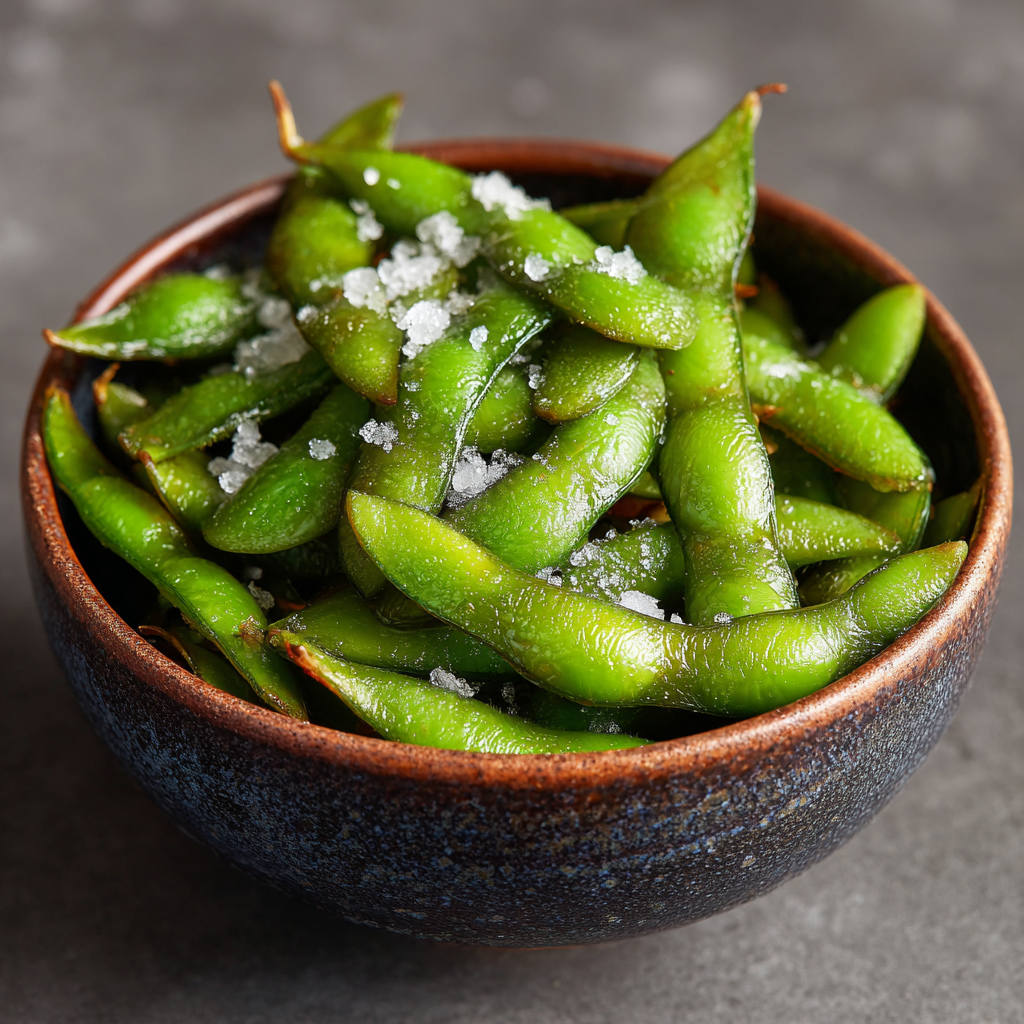
The other essential in my freezer is frozen edamame.
I buy bulk edamame from Costco. Preparation is simple.
How I use it:
- Microwave for 5–6 minutes
- Sprinkle with salt
- Sometimes stir-fry with a bit of oil and chili flakes.
That’s all.
It’s the same edamame from sushi restaurants, but at home, I eat the whole bowl.
Why I love it:
- High in fiber
- High in plant-based protein
- Very filling
- Savory (which balances a fruit-heavy diet)
- Takes minutes to prepare
It works as:
- A snack
- A side dish
- A quick add-on to meals
When I want something warm, salty, and satisfying that fits my goals, edamame always does the trick.
How My Freezer Helps Me Hit 8–12g Fiber Meals
With a stocked freezer, building fiber-rich meals is easy and requires no extra effort.
Between:
- My morning smoothie
- Frozen edamame during the day
- Fiber from vegetables and whole foods at meals
Fiber adds up naturally.
I don’t count obsessively or chase powders. I just keep the right foods close.
That’s the real secret.
The Takeaway: Fiber Is a Systems Problem, Not a Willpower Problem
Most people don’t struggle with fiber because they don’t care about it.
They struggle because their environment doesn’t support it.
They struggle because their environment doesn’t support it.
When your freezer is stocked with:
- Frozen berries
- Fiber-rich fruits
- High-fiber plant foods like edamame
Fiber becomes automatic.
This approach shows how I easily consume 25–30 grams of fiber daily. It’s not about willpower—setting up a supportive environment makes high-fiber eating effortless rather than restrictive.
Your freezer isn’t just storage.
When you use your freezer intentionally, it transforms from storage into a powerful tool that makes healthy, high-fiber eating a natural, automatic part of your routine. The right environment, not more effort, is the solution.
When you use your freezer intentionally, it transforms from storage into a powerful tool that makes healthy, high-fiber eating a natural, automatic part of your routine. The right environment, not more effort, is the solution.