
The Hidden Health Number Everyone Will Be Tracking in 2026 (And Why It Matters More Than Weight)
“We’ve heard a lot about gut health, muscle, and metabolism, but the next real sign of deep, lasting wellness might just be a number most people have never looked at: visceral fat.”
From Gut Health to Deeper Health
Over the past few years, gut health has become the center of every wellness conversation, and rightfully so. The idea that your gut affects your brain, your mood, your hormones, and even your energy levels changed how people think about health altogether.
But as I’ve been following these trends closely, I’ve noticed something new taking shape.
We’re moving beyond what we eat and how we digest, into how our internal environment actually looks and functions.
And that’s where visceral fat comes in.
The Hidden Fat Most People Forget About
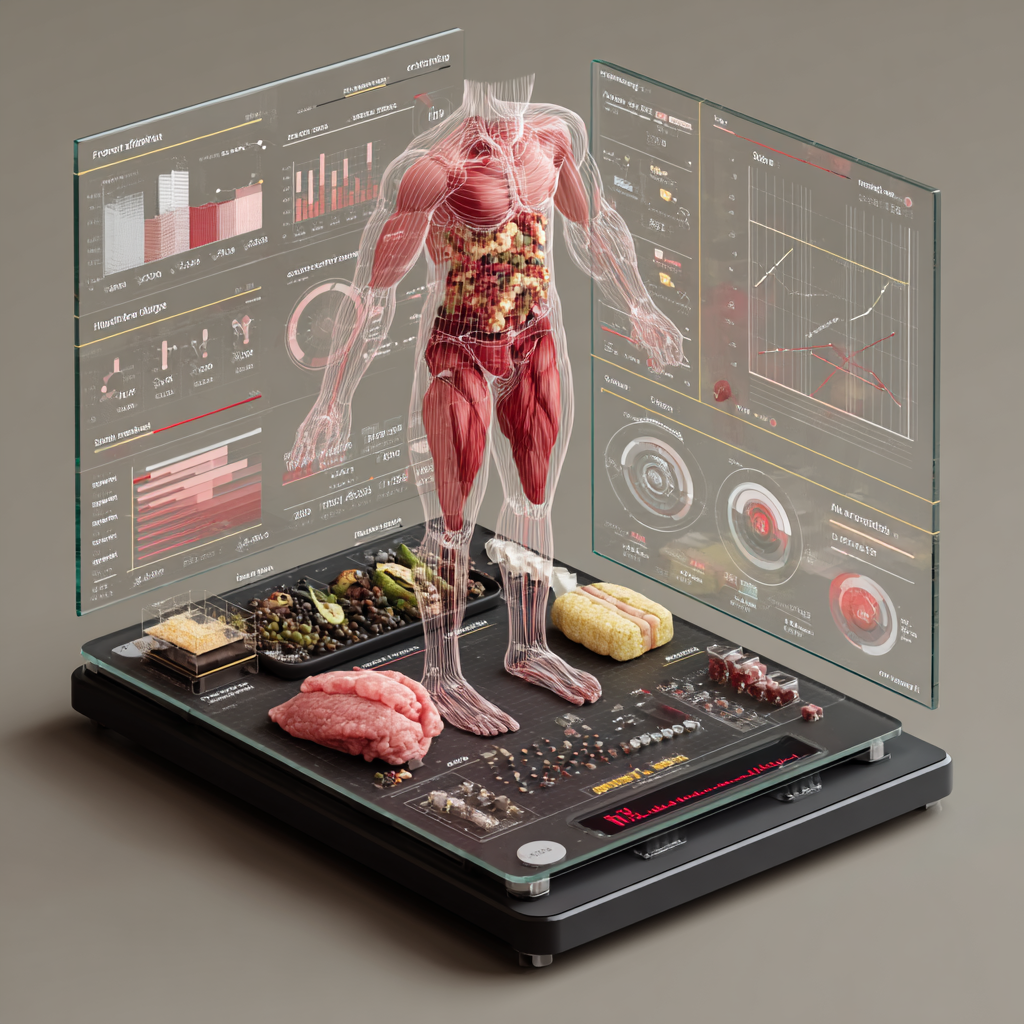
If you’re not familiar with the term, visceral fat isn’t the soft fat you can pinch on your belly. It’s the invisible kind, the one that wraps itself around your internal organs like your liver, pancreas, and intestines.
You can’t see it, but it’s the kind of fat that silently affects everything from inflammation to insulin sensitivity to long-term heart and brain health.
Unlike subcutaneous fat, which is more of a cosmetic issue, visceral fat is a biological one — the kind that influences how our body functions on the inside.
My First Encounter With the “Visceral Fat” Number
I remember when I first learned about visceral fat a few years ago. I was already eating clean, exercising, and living a high-protein, high-fiber lifestyle. But I had no real way of measuring what was happening internally.
Then I came across the RENPHO Smart Scale, which promised to track more than just weight. I was skeptical at first — I didn’t expect it to tell me anything new.
When I finally stepped on it and saw that my visceral fat reading was under 5 (AKA excellent range 1–6), I actually smiled. I didn’t expect that number to make me so happy, but it felt like a quiet confirmation that everything I’d been doing — from eating high-protein meals to focusing on gut health and stress management — was paying off at a deeper level.
It made me realize something: we talk about “feeling good,” but sometimes it’s nice to see your effort reflected in real, measurable data.
Why Everyone’s Talking About It Now
There’s been a lot of talk about fats over the years — good fats, bad fats, essential fats.
But now the conversation is shifting toward where that fat lives.
We’re realizing that it’s not just about how much fat you have, but where it’s stored. And visceral fat — that deep, hidden layer around the organs — is now being recognized as one of the strongest indicators of long-term health.
That’s why I believe that by 2026 and beyond, visceral fat percentage will become one of the new “health flags.”
Just like how we started tracking our sleep, steps, and muscle mass, more people will start keeping an eye on their visceral fat levels — and aiming to keep them under 5.
Related Read: Healthy Fats 101 — a clear, modern guide to choosing fats that support hormones, metabolism, and long-term health.
How to Check Yours
You don’t need a lab or a fancy medical test to start.
Devices like the RENPHO Smart Scale (Buy below on Amazon) make it incredibly simple to track things like body fat, muscle mass, metabolic age, protein, and visceral fat levels right from your home.
It’s not a medical scan, but it’s consistent and surprisingly accurate when used regularly to track progress.
I use mine about once a week — not obsessively, but as part of my wellness routine, just to stay aware of my internal trends.


Why Keeping Visceral Fat Low Matters
When your visceral fat is low — ideally between 1–6 — your body tends to function more efficiently.
You’ll likely have better blood sugar balance, less inflammation, and more stable energy.
It’s not about being “super lean” or chasing a specific look. It’s about protecting your organs, improving longevity, and aging with vitality.
Low visceral fat often means:
- Lower inflammation levels
- Better insulin sensitivity
- Healthier liver and heart function
- More consistent energy and mood
It’s the kind of quiet health marker that says a lot — even if nobody else can see it.
How to Reduce Visceral Fat Naturally
Improving this number doesn’t require drastic diets or endless cardio. What works best is consistency and metabolic balance:
- Eat high-protein meals — at least 25–30g per meal to maintain lean muscle
- Include plenty of fiber — from vegetables, beans, and fruit
- Cut down on sugar and refined carbs — they feed visceral fat fastest
- Move daily — even a brisk walk can make a difference
- Lift weights or do resistance training — muscle burns fat even at rest
- Prioritize sleep and recovery — high cortisol encourages fat storage around the organs
It’s the small, steady habits that make the most significant difference internally.
Related Read: The Only 4 Cooking Oils You Need — a simple guide to choosing oils that genuinely support long-term metabolic health.
Health in 2026: The Inside Story
I think we’re heading into a new phase of wellness — one that’s less about appearance and more about what’s happening beneath the surface.
Gut health made us aware of our microbiome.
Protein awareness made us value muscle.
And now, visceral fat awareness is helping us understand our internal balance.
So as you set your health goals for 2026, don’t just think about what you see in the mirror — start paying attention to what’s going on inside.
Because having your visceral fat under 5% might just become the new symbol of deep, modern health — the real green flag of the wellness world.