Dining Room Mistakes That Block Abundance (And What to Do Instead)
The dining room is one of the most energetically sensitive spaces in a home.
It’s where nourishment happens, not just physical, but also emotional and relational. As a result, small design choices in the dining room can gently shape the sense of comfort and connection a home provides over time.
When people experience emotional, financial, or energetic stagnation, the dining space is often overlooked. And yet, in Feng Shui, the dining area is closely associated with abundance, prosperity, and family harmony.
The good news?
You don’t need to redesign your entire home.
Abundance is often blocked by subtle, correctable mistakes rather than major issues. In this article, we’ll explore the most common dining room mistakes that block abundance, then discuss how to gently shift them so energy can flow again.
1. A Dining Table That Is Too Small or Too Large
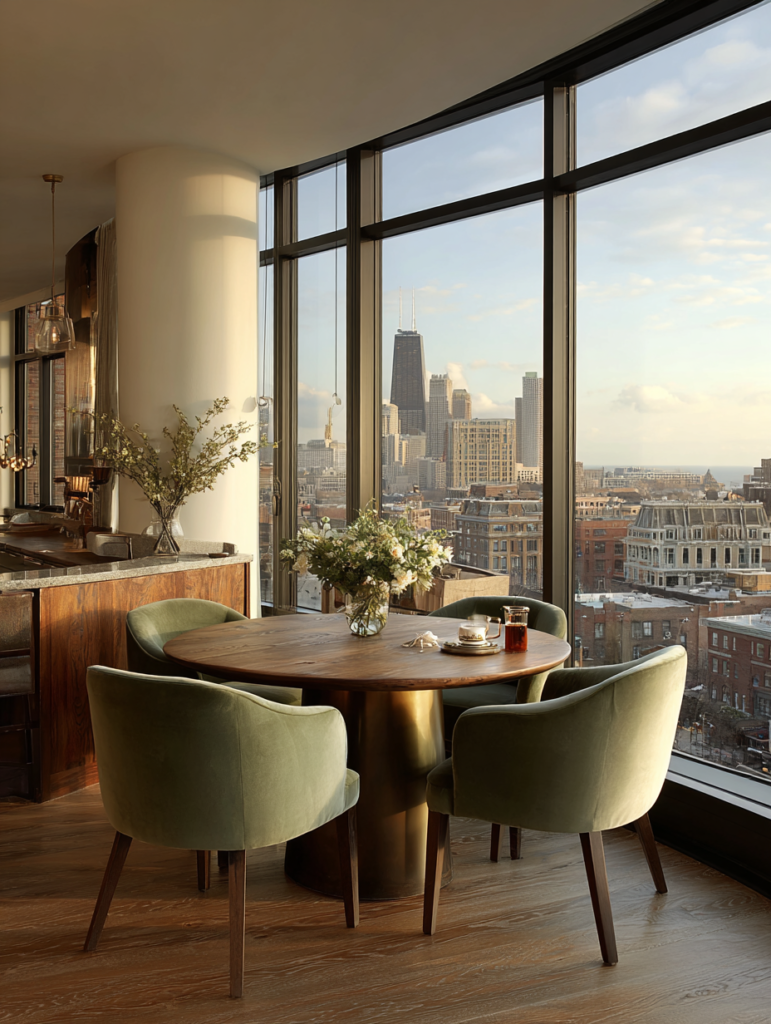
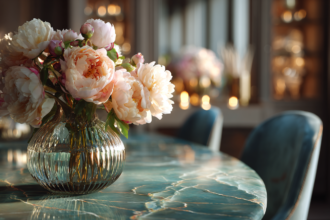
A round dining table softens energy and encourages natural conversation, allowing flow to move freely without sharp interruptions.
Scale matters energetically and visually. A dining table that is too small can subconsciously signal a lack or limitation. A table that overwhelms the room can restrict movement and create tension.
What to do instead:
Choose a table that allows people to sit comfortably and move around easily. Energy needs room to circulate.
Abundance thrives where spaces feel generous, not cramped.
When the dining area is cluttered, it can suppress appetite, literally and metaphorically. Instead, do: Keep the dining table clear or lightly styled. Treat it with respect.
My favorites are a simple bowl of fruits, fresh flowers, or a candle.
3. Poor Lighting That Flattens the Space
Harsh or dim dining room lighting disrupts presence. A dining room feels cold or shadowy, and people rush through meals instead of lingering.
What to do instead:
Use warm, layered lighting. A pendant or chandelier centered over the table creates a sense of focus and intimacy.
Light is directly tied to vitality.
4. Uncomfortable Dining Chairs
Discomfort quickly blocks energetic flow. If the chairs are hard, wobbly, or awkwardly sized. People eat quickly and leave.
From an energetic perspective, this interrupts the connection.
In Fin Feng Shui, sharp edges create cutting energy. When table corners or nearby furniture point directly at where someone sits, it can create subtle tension.
What to do instead:
Soften edges where possible:
Rounded table corners
Curved chairs
Table runners or centerpieces
Softening edges improves energy.
6. A Dining Space That Feels Forgotten
When a dining room is rarely used or considered an afterthought, it breeds stagnant energy. Aces that are ignored stop giving back.
What to do instead:
Use your dining table, even casually. Morning coffee, reading, light work.
Attention energizes a space.
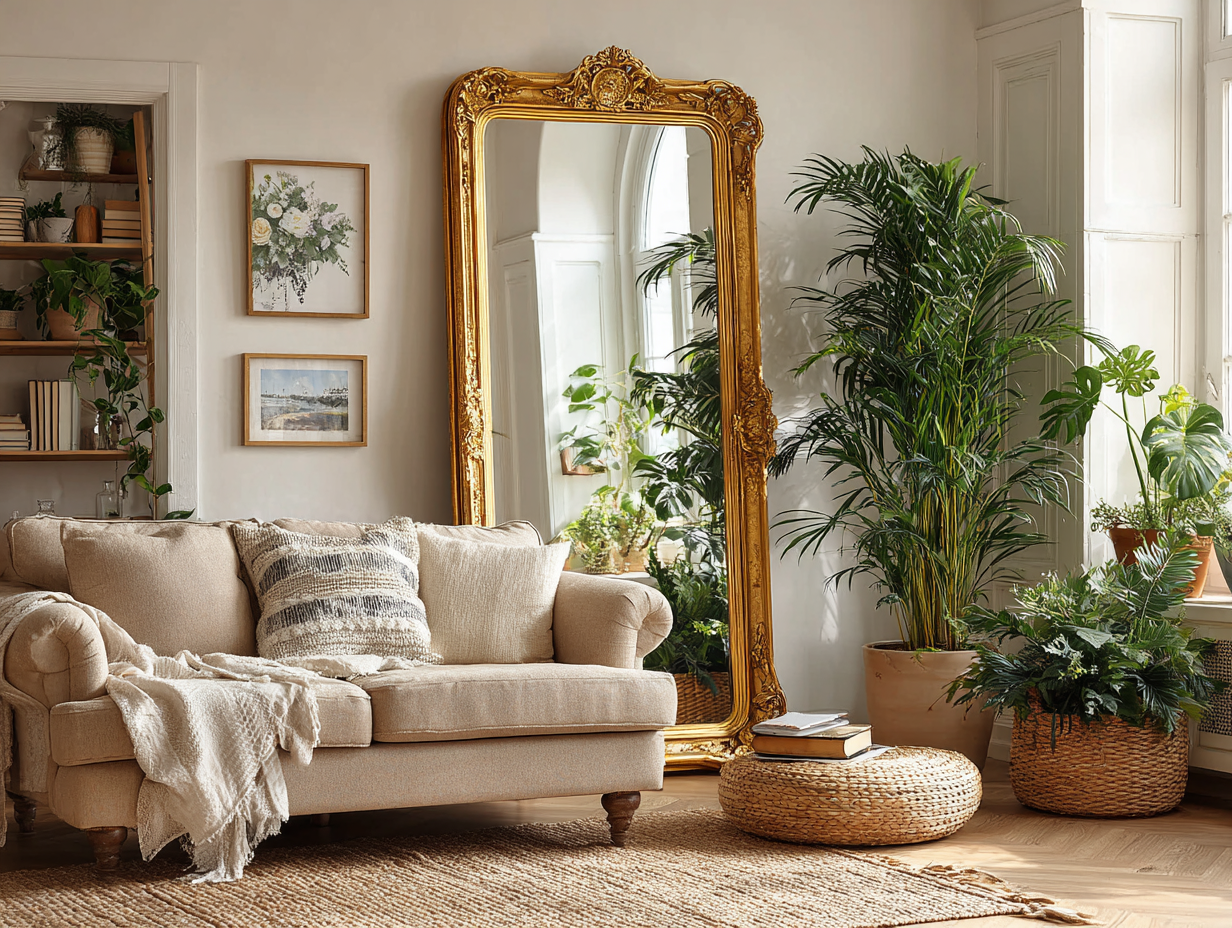
7. Mirrors Reflecting Clutter or Chaos
Mirrors amplify whatever they reflect.
If a dining room mirror reflects mess, sharp angles, or a busy kitchen, it doubles the wrong energy.
What to do instead:
Ensure mirrors reflect the dining table itself, nourishing food, and a clean, styled, and calm space.
Mirrors should expand a calm, abundant atmosphere.
8. Too Much Cold Material Without Balance
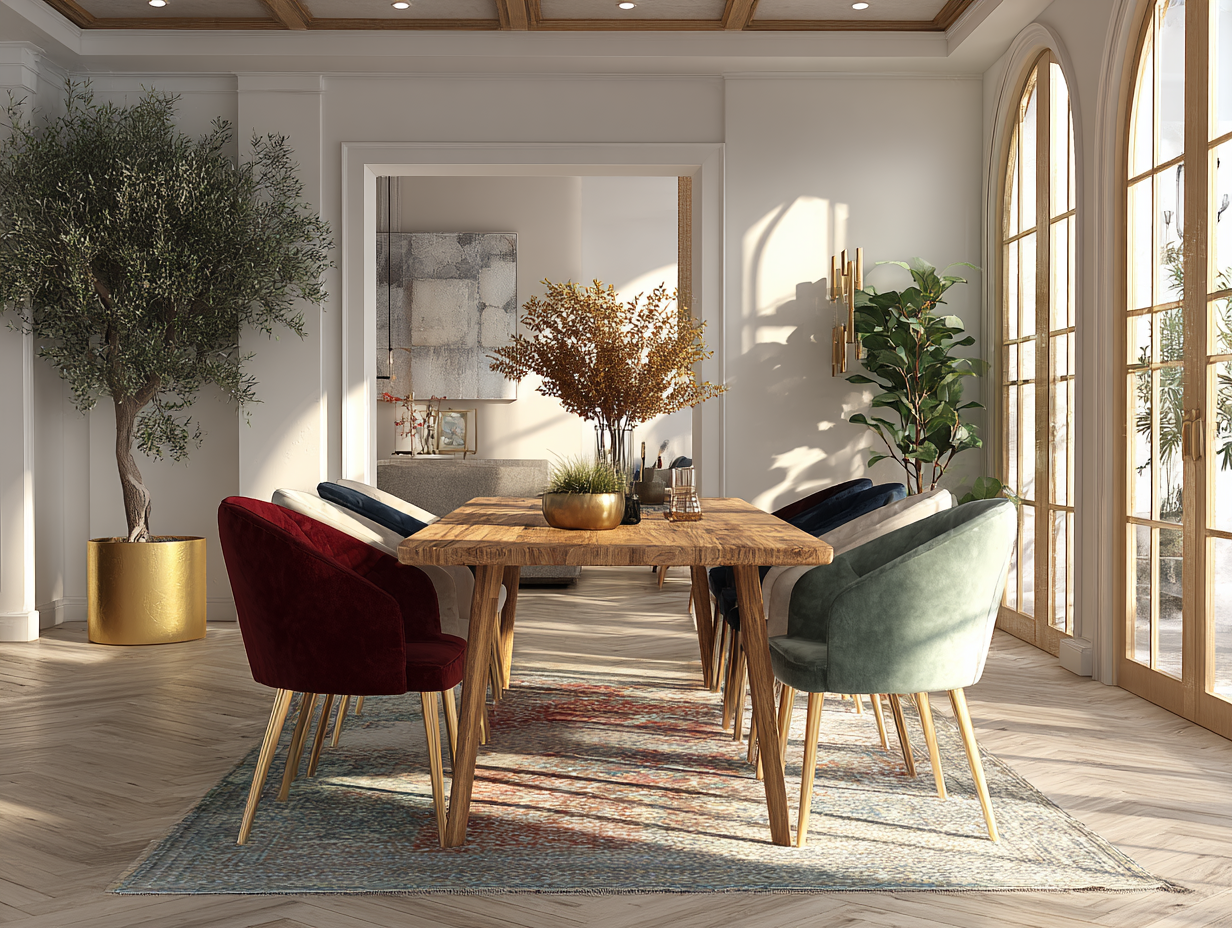
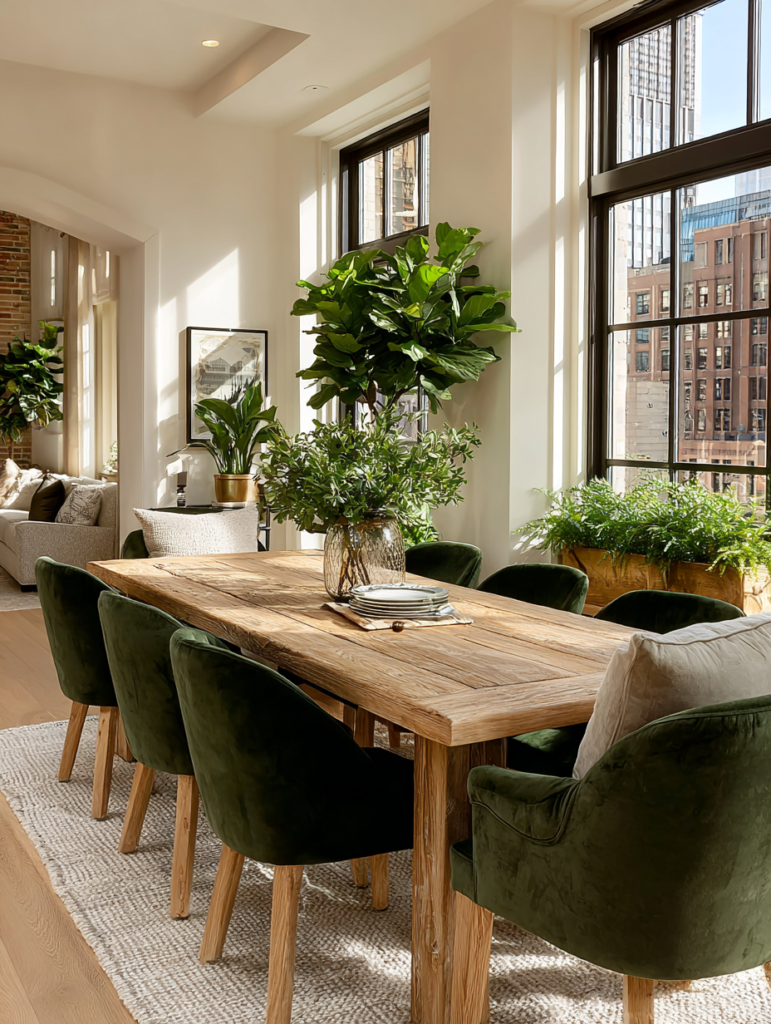
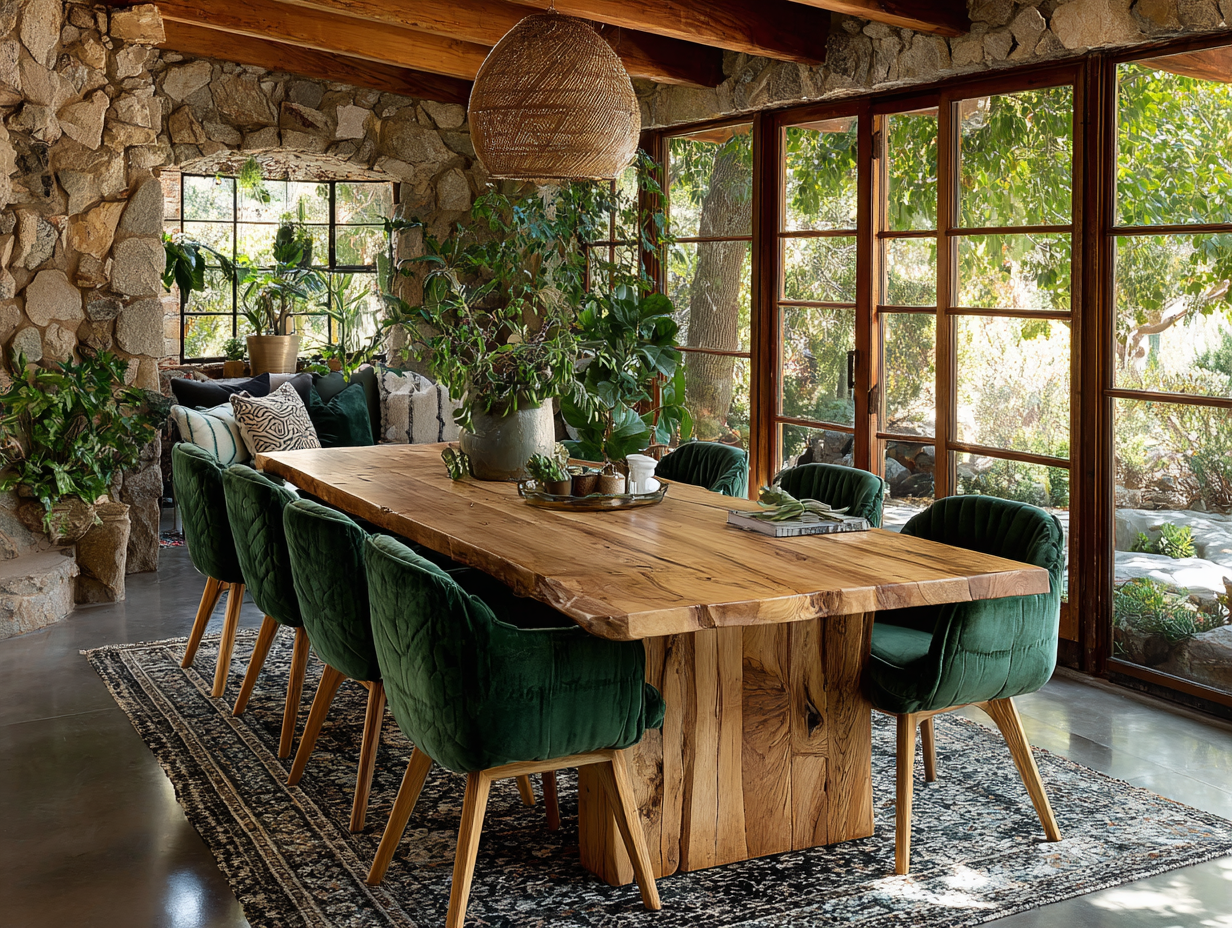
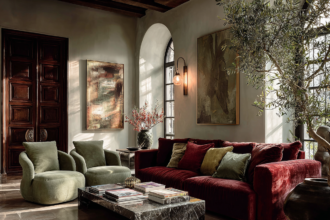
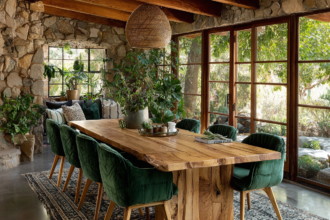
Natural wood, soft upholstery, and greenery bring warmth into the dining space, creating an environment where nourishment feels grounded and inviting.
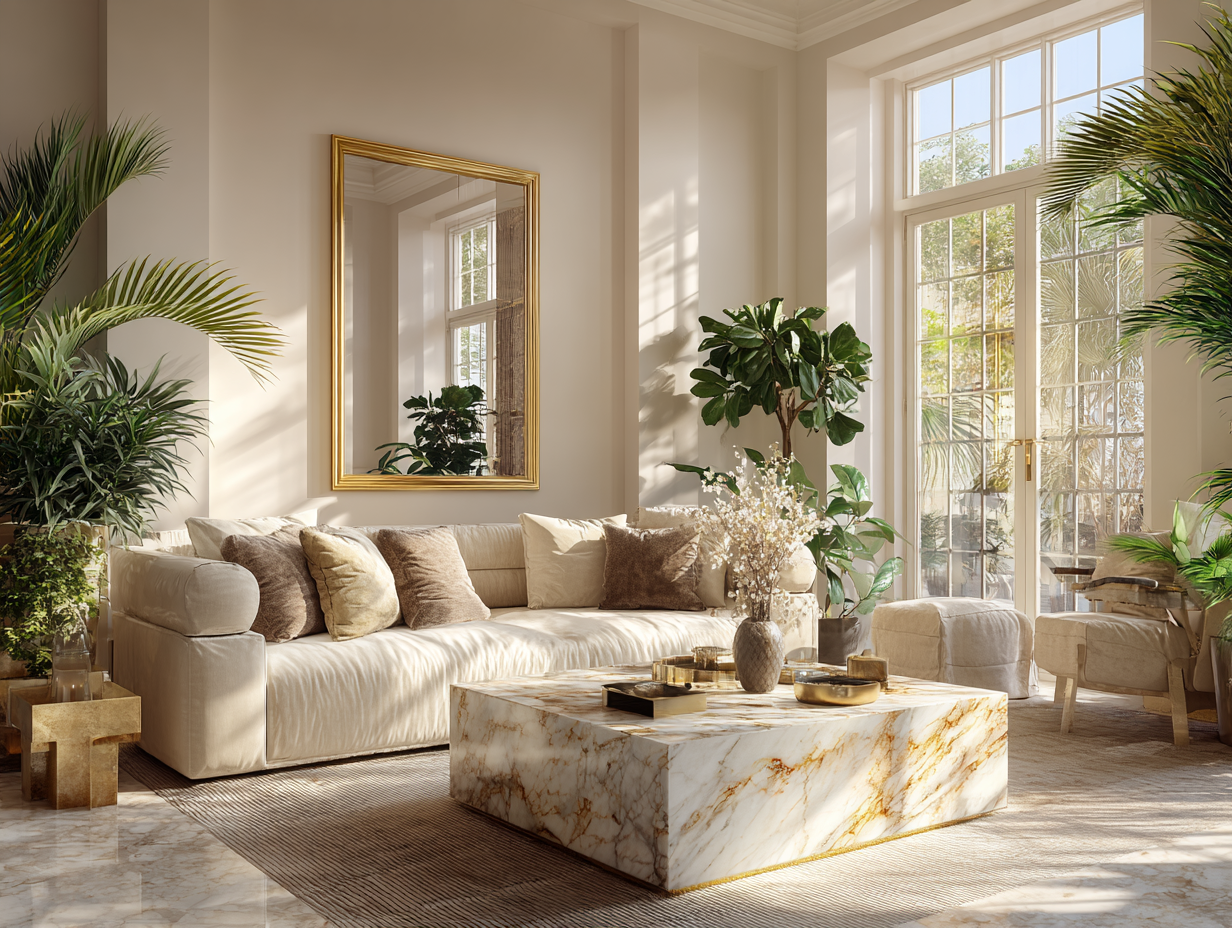
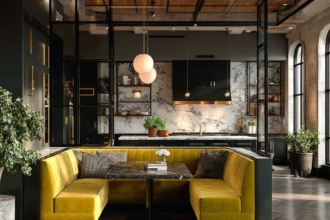
Dining rooms dominated by stone, metal, or glass can feel sterile.
While these materials have beauty, excess drains warmth. Instead, do:
Balance with:
Wood
Upholstered chairs
Textiles
Warmth supports nourishment.
9. Artwork That Feels Heavy or Aggressive
Art holds energy; chaotic or emotionally heavy artwork in the dining room can disrupt calm.
What to do instead:
Choose artwork that feels abundant, serene, or celebratory.
The dining room should feel easy and welcoming.
10. Ignoring the Emotional Tone of the Space
The biggest mistake: focusing on appearances rather than feelings. The space feels tense, rushed, or cold; abundance struggles to settle.
What to do instead:
Design with feeling first.
Ask:
Do I enjoy being here?
Do people linger?
Does this space feel welcoming?
Comfort invites abundance.
Recap: Abundance Needs Invitation
Abundance is not forced.
It arrives where it feels welcome.
When the dining room is treated with care as a space for nourishment, positive emotional connection, and presence, the energy and atmosphere respond naturally.
Sometimes, the smallest shifts make the biggest difference.
Your dining table is more than a piece of furniture — it’s the center of nourishment, connection, and energy in your home. In this guide, I explore how shape, material, and placement influence flow, and how a well-chosen table can quietly support abundance in everyday life.
FAQ About Dining Room Feng Shui
Q: Does the dining room layout affect abundance? Yes. In Feng Shui, the dining room represents nourishment and prosperity. Layout, lighting, and comfort all influence energy flow.
Q: What should I keep on my dining table for good energy? Simple, intentional items like fresh flowers, a bowl of fresh fruits (Apples are amazing), or a candle support warmth and abundance.
Q: Are mirrors good in the dining room? Yes, when they reflect the table and a calm, clean space. Mirrors amplify whatever they face.
✨ Create a Dining Space That Feels Like You
If your dining table doesn’t feel quite right, it may not be about replacing everything, just refining what you choose.
We have curated a collection of dining tables and chair pairings in warm woods, soft upholstery, marble finishes, and elegant gold accents, all designed to help you create a space that feels balanced, inviting, and aligned with your personal style.
Krupa is the Founder and Editor in Chief of Elegant & Driven, where elegant living meets purposeful ambition. With a background in strategic writing and a deep love for systems that empower creativity, she shares timeless insights on health, design, and the art of digital entrepreneurship.