
The Designer Home Decor Framework: How to Create a Celebrity-Style Home with Intention
There’s a quiet question many people carry when they look at beautifully designed homes, the kind you see in coffee table books, design magazines, or celebrity interiors:
How do they make it look so effortless?
The assumption is often that it’s about budget, square footage, or access to designers.
It isn’t.
What actually separates a designer or celebrity style home from an average one is the framework.
Designers don’t decorate randomly. They follow patterns: visual, material, and emotional, yes, emotional, either consciously or intuitively. Once you recognize these, the process becomes simple.
This article lays out that framework. Before diving into the steps, let’s look at how good designers truly approach the process from the ground up.
It’s the exact way I think about decorating, not to impress, but to create a home that feels intentional, elevated, and deeply personal.
Step One: Train Your Eye Before You Buy Anything
Before purchasing furniture or décor, designers do something most people skip:
They observe.
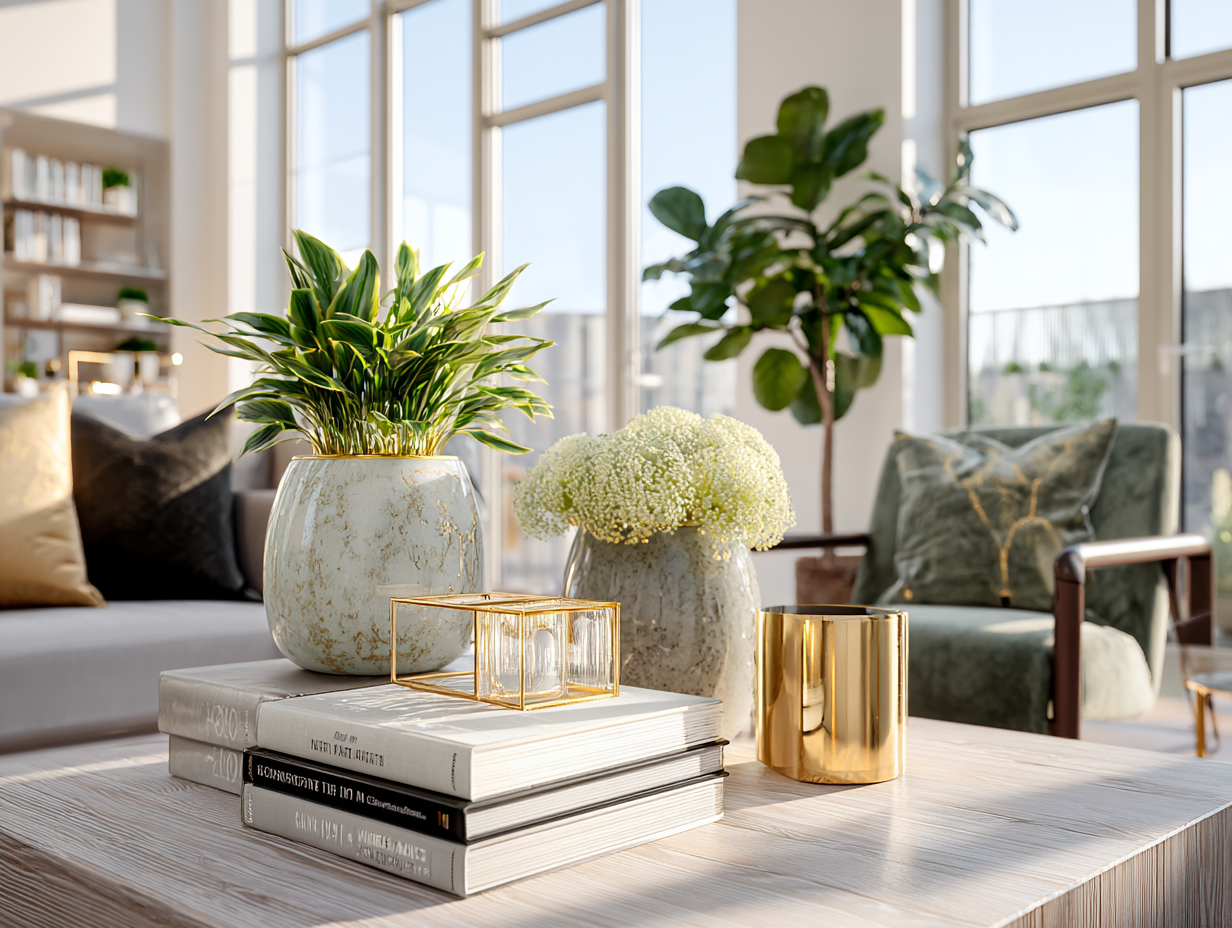
When I start decorating or refining a space, I always return to coffee table books, especially interior design books featuring intentional homes.
If you flip through these books slowly, you’ll start noticing a pattern.
Rooms that feel cohesive almost always follow the same visual rhythm:
- Repetition of color
- Coordination of materials
- Balanced layering
And yes, very often, you’ll see the Rule of Three, Five, and Seven quietly at work.
A sofa echoed by an oversized artwork.
A rug that connects back to the palette.
Materials repeated across large and small moments.
A rug that connects back to the palette.
Materials repeated across large and small moments.
This is not accidental.
This is the designer’s process.
Step Two: The Rule of Three, Five, and Seven (The Core Framework)
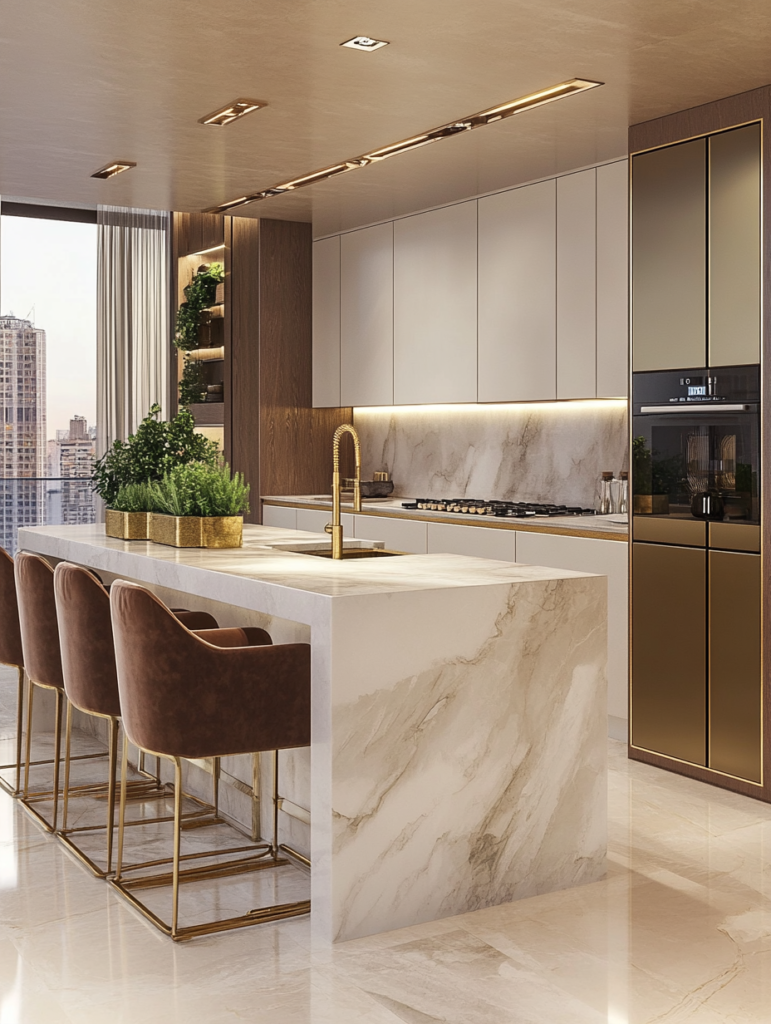
This rule is the backbone of designer interiors.
It’s not rigid, but flexible.
The Rule of Three: Intentionality Begins Here
Three is where a design decision becomes visible.
One item feels isolated.
Two feels coincidental.
Three feels intentional.
Two feels coincidental.
Three feels intentional.
Designers often repeat a color, material, or shape three times to anchor a space.
Examples:
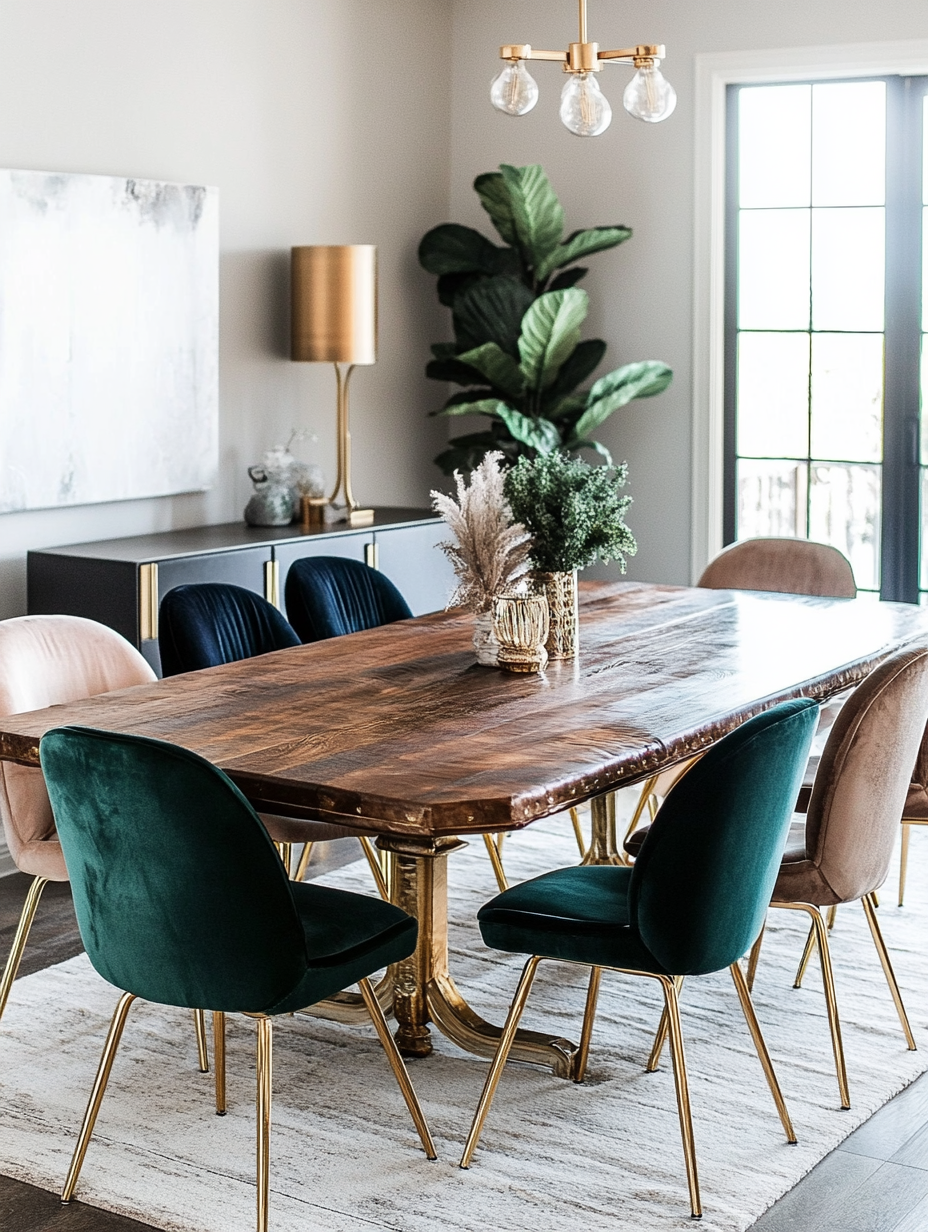
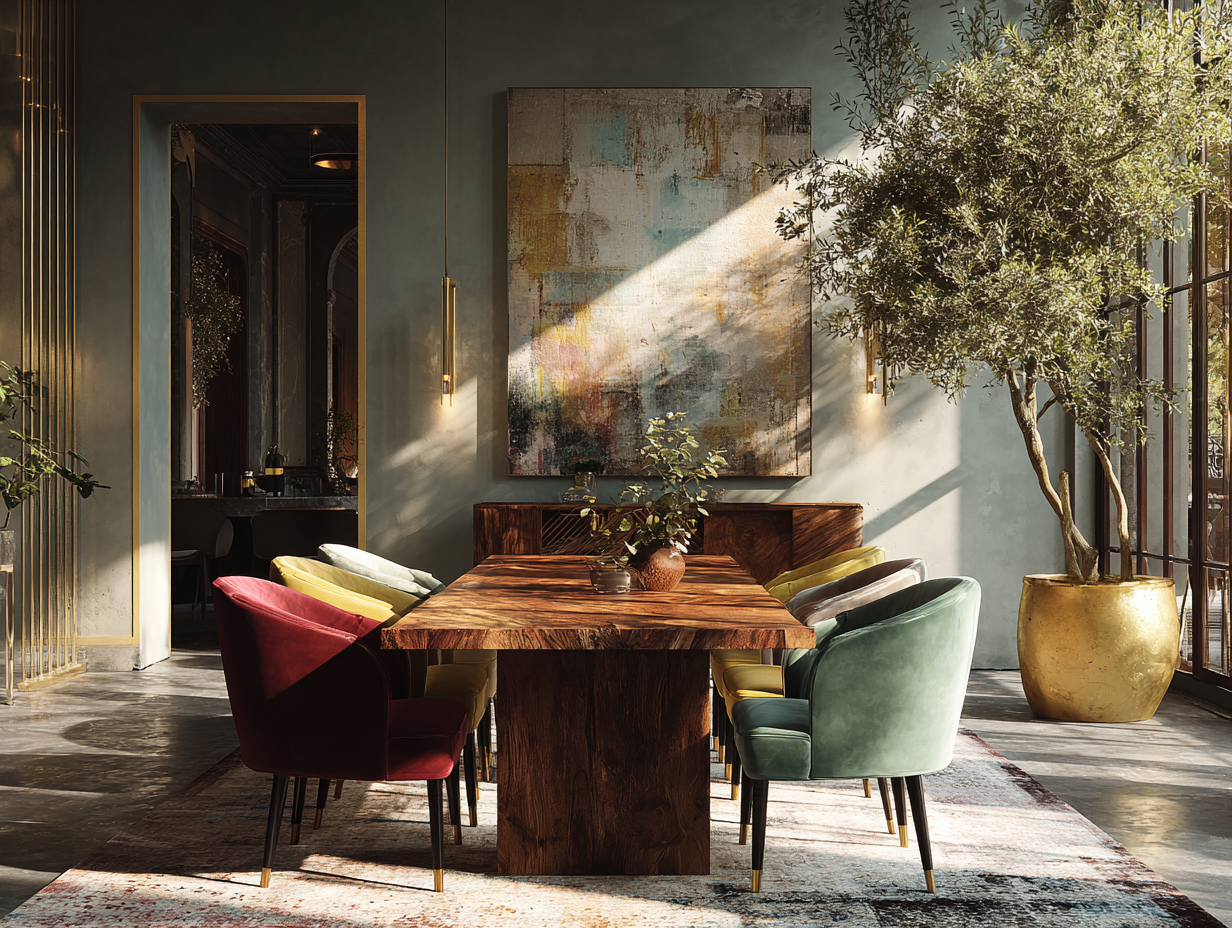
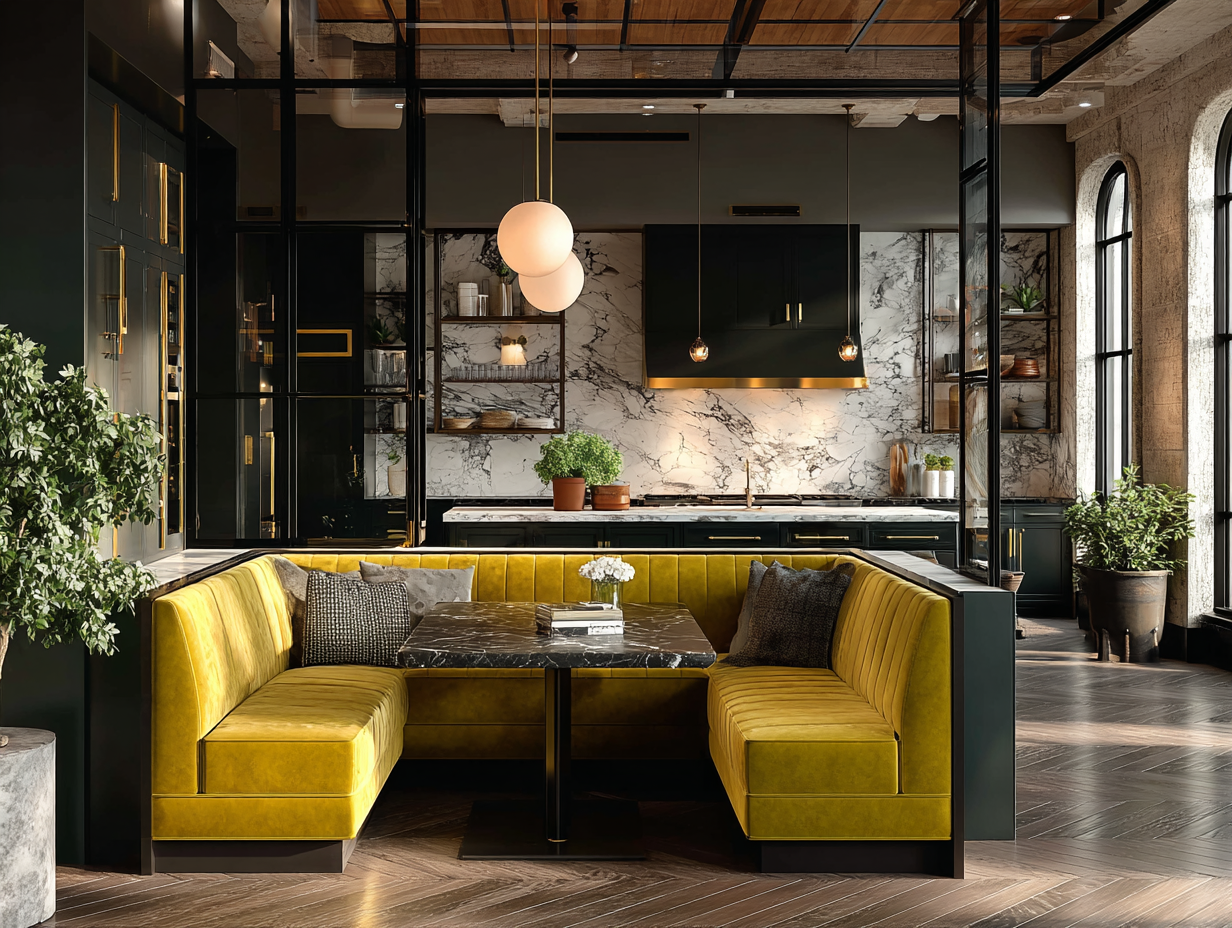
- A sofa, artwork, and rug share a color note.
- Three touches of brass across lighting, frames, and trays
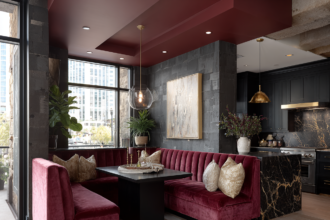
- Three velvet elements across seating and accents
Three tells the eye: this belongs here.
The Rule of Five: Storytelling and Depth
Five is where spaces start to feel layered.
This is where designers vary:
- Tone
- Scale
- Texture
While keeping the family intact.
Think of wood:
- A dining table
- Chairs in a slightly lighter tone
- A coffee table
- A tray
- A framed artwork
Not identical, but connected.
Five elements create a visual story rather than a single note.
The Rule of Seven: Collected, Not Cluttered
Seven is where rooms feel lived-in and soulful.
This works when:
- Your palette is controlled.
- Your materials are intentional.
- Each piece has a reason.
Seven creates a space that evolves over time, never staged or random.
Step Three: Choose Materials First, Not Objects
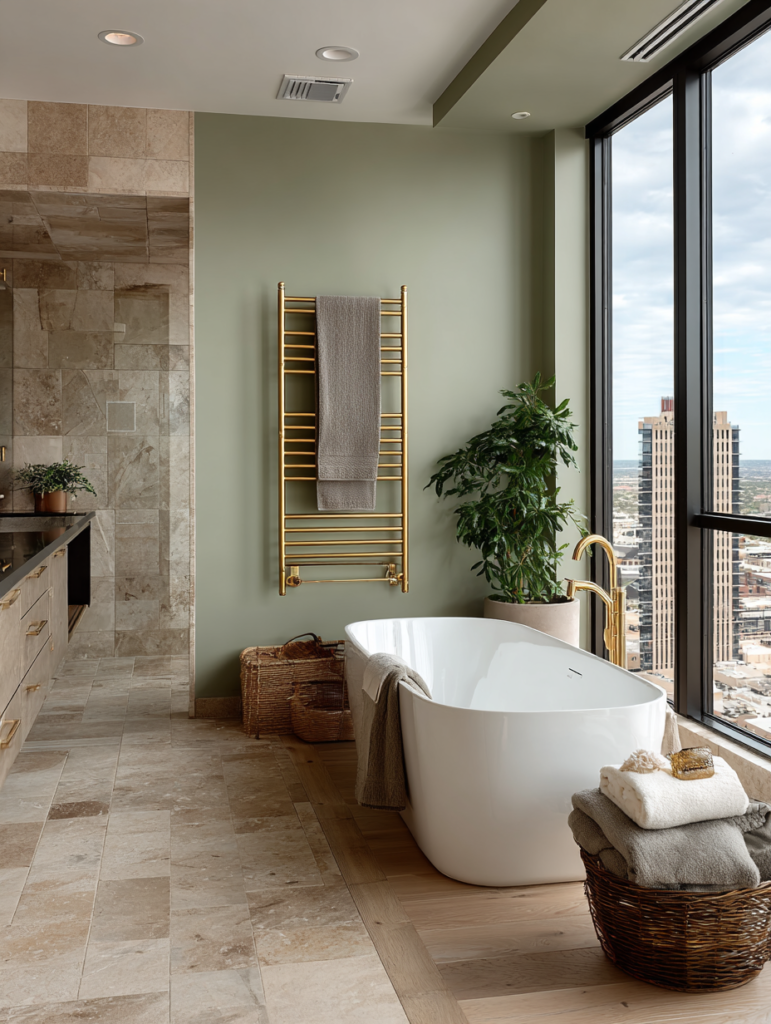
Designer homes don’t start with décor; they start with materials.
Before choosing objects, ask:
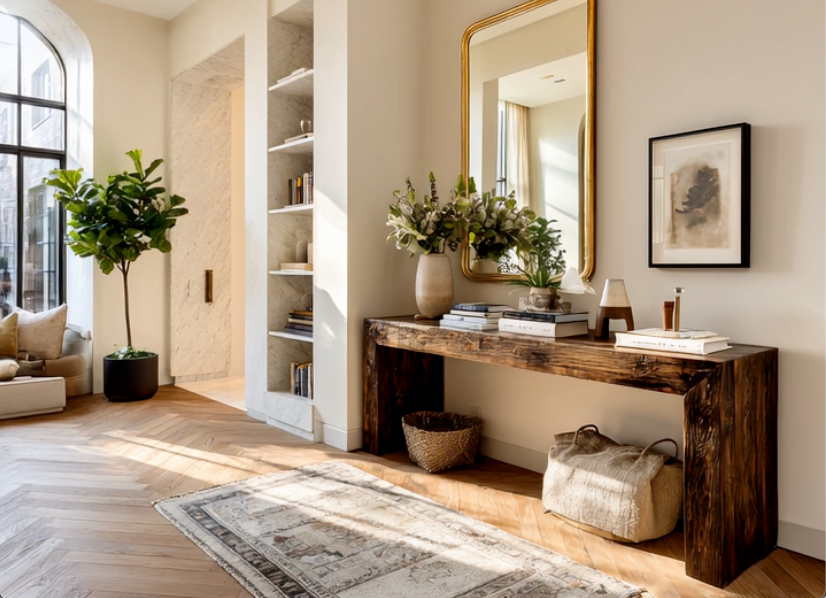
- Do I love wood, marble, or both?
- Do I gravitate toward linen, velvet, or leather?
- Do I prefer brass, gold, or black metal?
Once materials are chosen, everything else falls into place.
Wood brings warmth.
Marble brings calm.
Velvet brings depth.
Linen brings the air element.
Marble brings calm.
Velvet brings depth.
Linen brings the air element.
Designers layer materials intentionally, repeating them across large furniture and small details.
That’s why their spaces feel cohesive, even when mixing styles.
Step Four: Add Emotional Pieces, Not Just Beautiful Ones
This is where many people go wrong.
They buy things that are beautiful, but emotionally neutral.
Designer and celebrity homes almost always include personal objects:
- Antiques found while traveling
- Art collected over time
- Objects that carry memory
- Books that they deeply connect with
These pieces aren’t chosen to match.
They’re chosen because they evoke something.
And almost always, it’s a positive emotion.
If you don’t enjoy looking at something daily, it doesn’t belong in your home.
This is crucial.
Emotion is what turns design into identity.
Step Five: Don’t Confuse Scale with Elegance
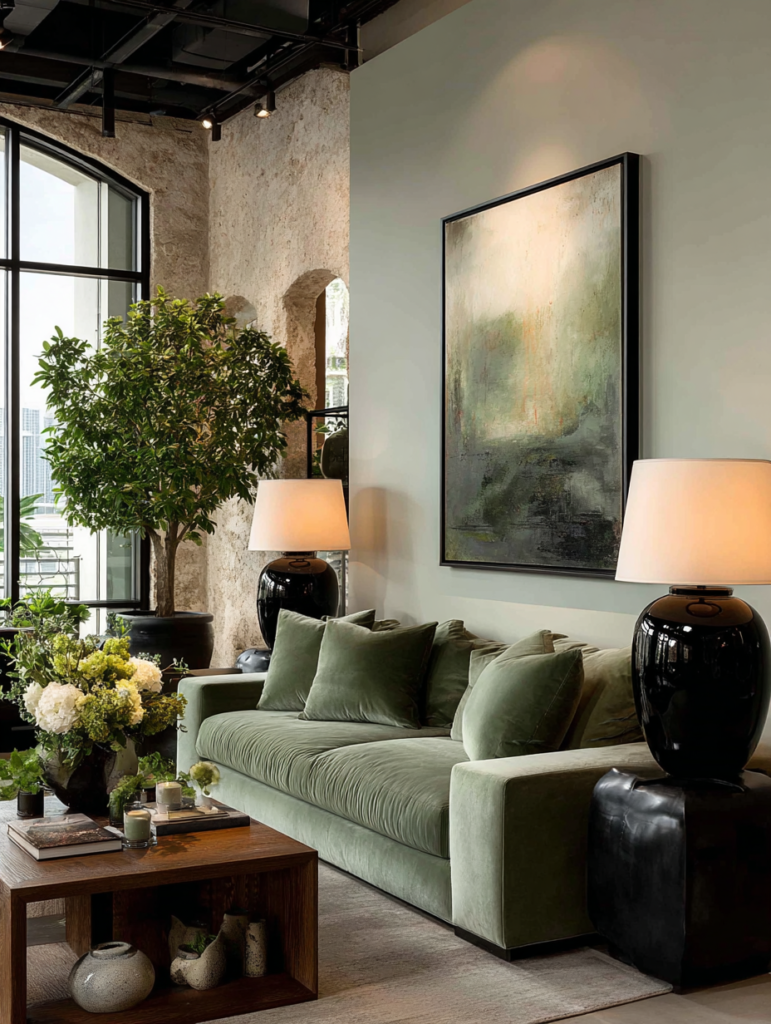
One of the biggest myths in home décor is that elegance requires space.
It doesn’t.
Designers apply the same principles to:
- Small apartments
- City condos
- Large homes
The framework never changes, only the scale does.
A small corner styled with intention will always feel more elegant than a large room filled without thought.
Elegance is about taste.
Not square footage.
Not square footage.
Step Six: Apply the Framework to Any Space
This framework works everywhere:
- Living rooms
- Bedrooms
- Dining spaces
- Small corners
You can:
- Use one strong anchor piece.
- Repeat materials thoughtfully
- Layer emotion through personal objects
This is exactly how we curate our LTK edits — including small-space styling.
Designer style is not exclusive.
It’s deliberate.
A Note on Personalization
This framework is not meant to be followed blindly.
It’s meant to be interpreted.
Your home should reflect:
- What you love
- What calms you
- What makes you happy to look at
Designer homes succeed because they are edited, not copied.
Design Is a Language
Once you understand the framework, decorating stops being intimidating.
You’re no longer guessing.
You’re speaking a language, one of repetition, rhythm, material, and emotion.
That’s how designers create homes that feel elevated.
And once you see it, you’ll never unsee it.
Curate Your Home Like a Designer
If you’re ready to apply this framework in real life, explore our curated décor edits — designed to help you bring intention, balance, and timeless elegance into your home.
From velvet seating to marble accents and layered materials, each piece is selected to help you build a space that feels elevated and personal.