
Culture, Cuisine, and the Power of Spices: A Journey Across the World
I use a lot of spices in my cooking, and at some point, I started learning about where they come from and why they matter.
Earlier in my life, growing up in India, spices were simply part of everyday life. I heard my grandparents and parents, especially my mother, talk about the importance of turmeric, raw honey, cumin, and ginger. These weren’t “superfoods.” They were just… food. Remedies. Rituals. Wisdom passed down quietly in the Ayurvedic lifestyle, without labels or marketing.
But as I went deeper, reading, cooking, traveling, and studying different cuisines, I realized something powerful: every culture has its own spice language. And every spice carries history, geography, medicine, and identity.
Spices are not just flavor enhancers. They are cultural memory.
A Quick (and Slightly Comical) History of the Spice Obsession 🌍
Before we talk about individual countries, here’s a fun historical truth:
Spices were so valuable that they literally changed the world.
In 1497, European powers were obsessed with finding direct trade routes to India — not for gold, but for spices. Black pepper was once worth more than silver.
The Portuguese explorer Vasco da Gama successfully reached India by sea as he planned. Meanwhile, Christopher Columbus didn’t reach India; he sailed west instead, trying to do the same, and accidentally landed in the Americas.
Fun (and slightly tragic) fact:
Columbus died believing he had reached India. He never knew he had discovered an entirely new continent.
Columbus died believing he had reached India. He never knew he had discovered an entirely new continent.
All that… for spices.
That should tell you how powerful these little ingredients really are.
India: The Heart of Spice Wisdom
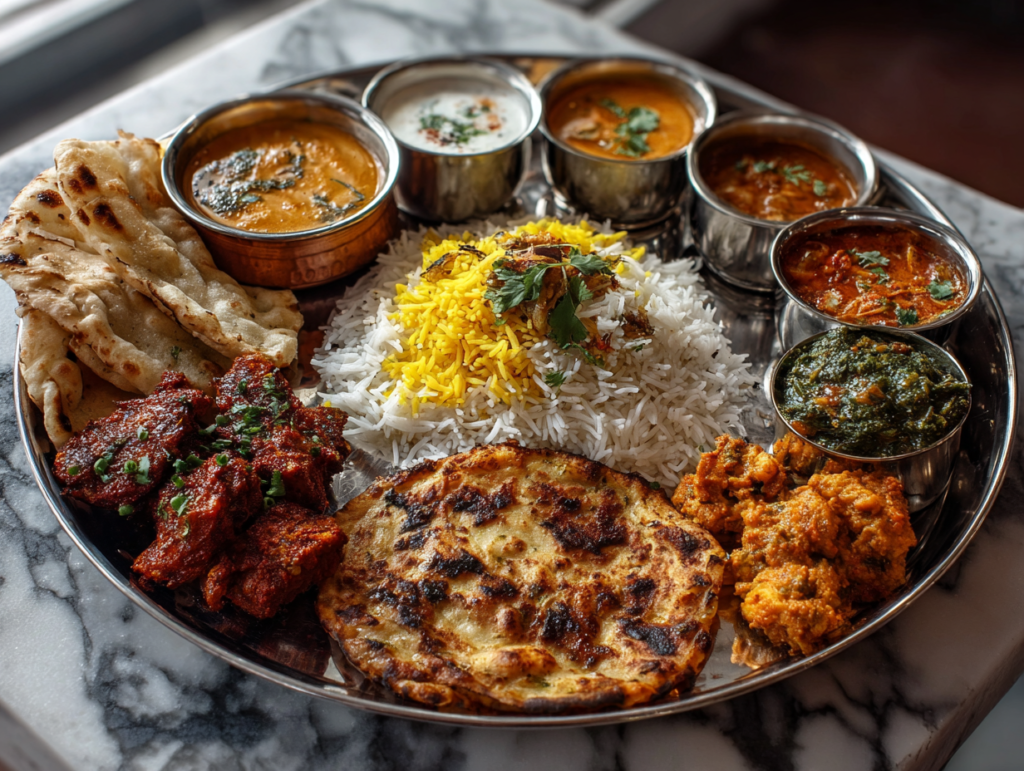
If there were a spiritual homeland of spices, it would be India.
Indian cuisine doesn’t use spices randomly. Each one serves a purpose — digestive, anti-inflammatory, warming, cooling, or balancing.
Key Indian Spices:
- Turmeric – Anti-inflammatory, immune-supportive, deeply rooted in Ayurveda
- Cumin – Aids digestion and gut health
- Coriander – Cooling, detoxifying, and calming
- Cardamom – Supports digestion and adds aromatic warmth.
In Indian cooking, spices are often bloomed in oil first: a technique that unlocks their full aroma and medicinal properties. Food is designed not just to taste good, but to support the body.
Buy Before Sale Ends!

OSR - Organic Turmeric Powder with Curcumin | 16oz or 454g | USDA Organic and Non-GMO | 100% Raw and Natural Kraft Bag 16 Ounce (Pack of 1)
- PREMIUM USDA ORGANIC Turmeric POWDER (Curcumin Longa): Our Gluten Free Organic Turmeric Root Powder is packed...
- HIGH CURCUMIN CONTENT: Our Turmeric Powder is tested to have a minimum of 3% of Curcumin

Greece: Herbs of the Mediterranean Sun
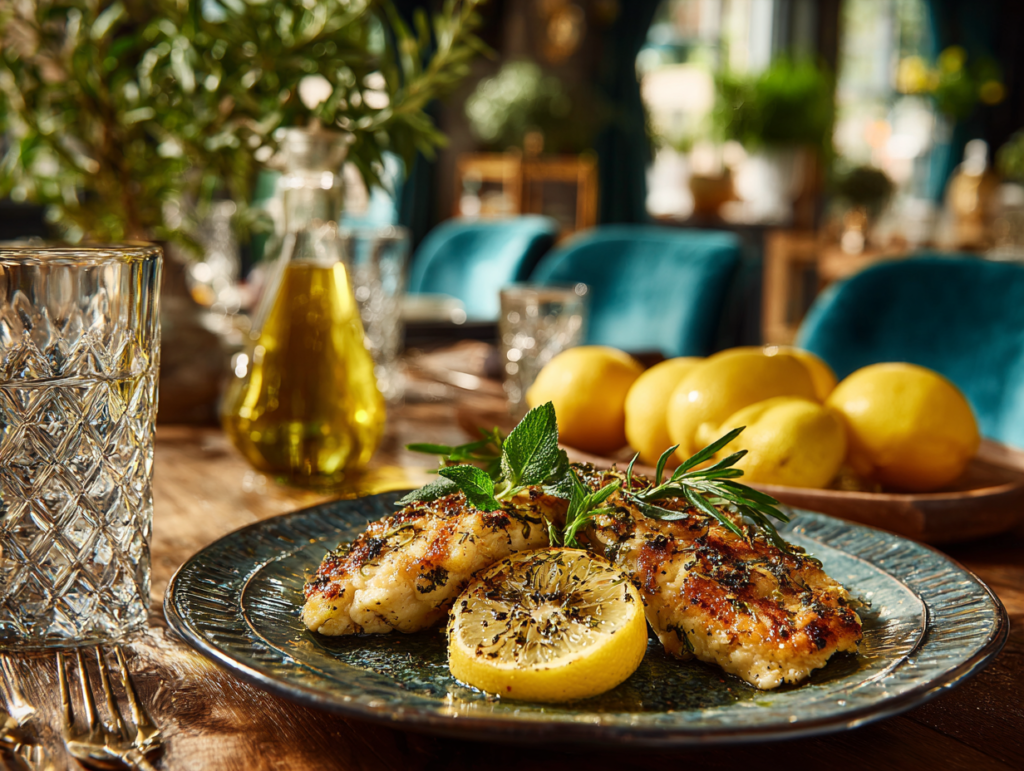
Greek cuisine is simple, clean, and deeply tied to the land and climate.
Rather than complex spice blends, Greece relies on aromatic herbs that thrive in dry, sun-drenched soil.
Signature Greek Herbs:
- Oregano – Antioxidant-rich, antibacterial, and bold
- Dill – Fresh, cooling, and digestive
- Bay Leaf – Adds depth and warmth to slow-cooked dishes.
Greek food reflects balance — olive oil, vegetables, Beans, Seafood, herbs, and lots of lemon. The flavors are not loud, but they linger.
Italy: Simplicity Done Perfectly

Italian cuisine proves that you don’t need many spices — you just need the right ones.
Italian Staples:
- Basil – Fresh, sweet, and aromatic
- Oregano – Earthy and robust
- Rosemary – Piney, bold, and grounding
Italian cooking honors ingredients. Spices and herbs enhance, never overpower. This philosophy mirrors Italian lifestyle culture: slow food, quality ingredients, and deep appreciation for tradition.
What I noticed is that the main difference between Italian and Greek food is that Greek food tends to be more lemon-based, while Italian is more tomato-based.
Mexico: Heat, Smoke, and Soul
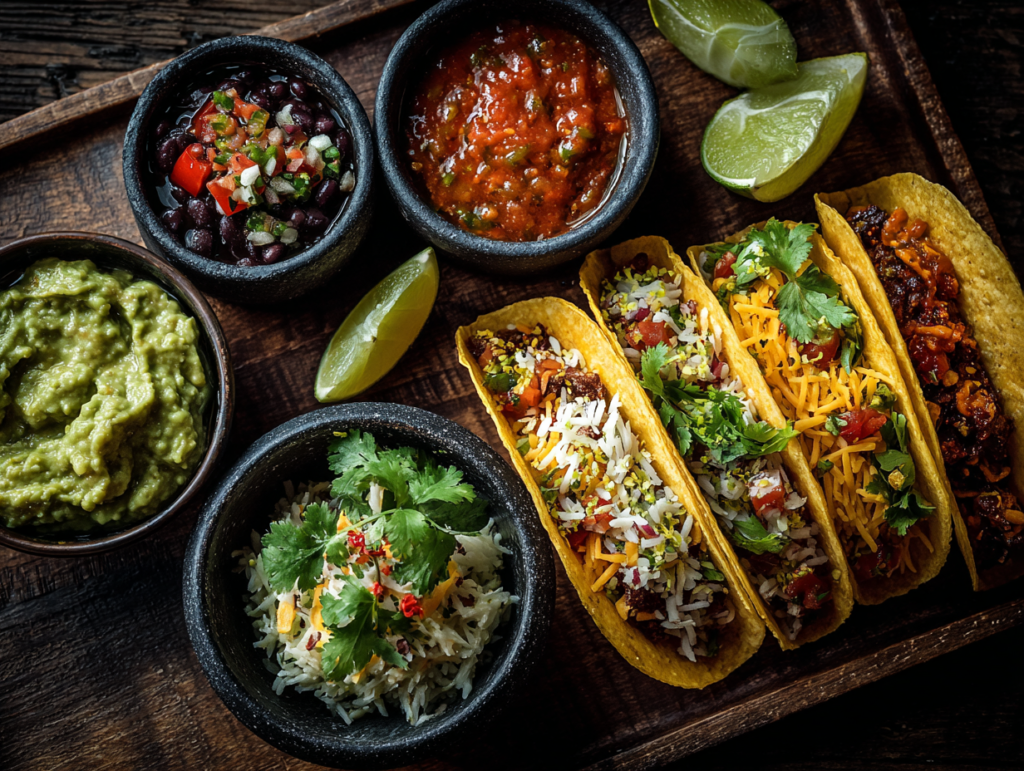
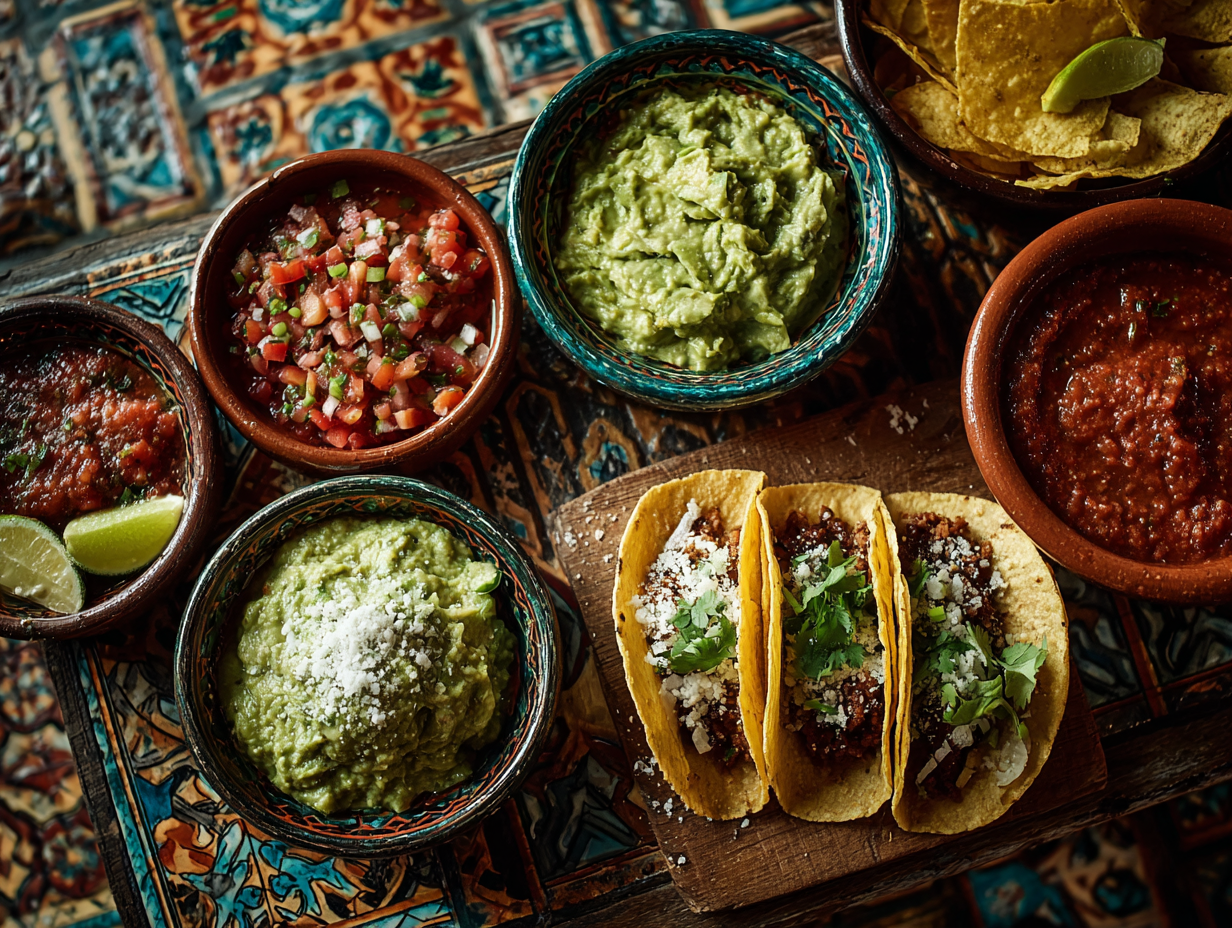
Mexican cuisine is one of the most spice-rich and emotionally expressive in the world.
Spices here tell stories of indigenous culture, colonization, and celebration.
Key Mexican Spices:
- Chili Peppers (various types) – Heat, depth, and complexity
- Cumin – Warm and earthy
- Cinnamon (Ceylon-style) – Used in savory and sweet dishes
Mexican spices create layers — smoky, spicy, sweet, and savory — often all in one dish. This is cuisine with rhythm and intensity.
I make amazing Guacamole and Salsa in my Pulse chopper. It allows me to control the chunkiness. I am linking it below if you are interested.
Buy Before Sale Ends!

Hamilton Beach 3 Cup Electric Vegetable Chopper & Mini Food Processor 3-Cup
- Simply stack and press to chop: The patented stack & press design makes it easy to assemble and use. Simply...
- Perfect size for everyday use: Chop and mix up to 3 cups of ingredients every day of the week with this 3 cup...
China: Balance, Not Heat
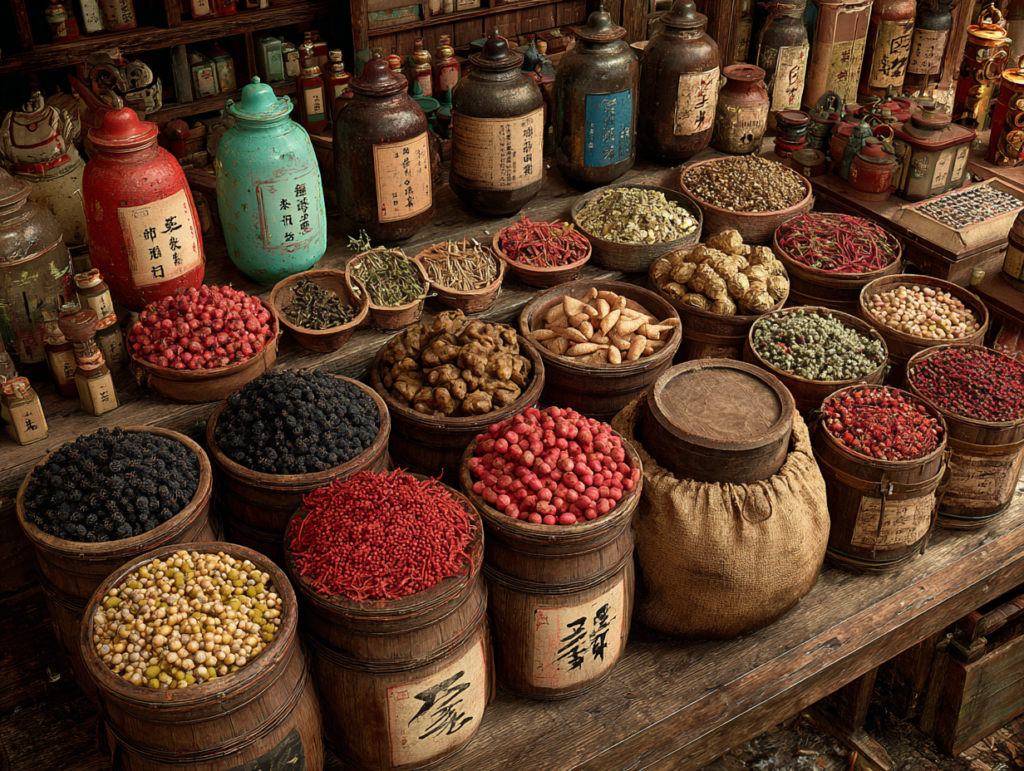
Chinese spice philosophy is about harmony, not fire.
The goal is a balance between yin and yang — warming and cooling foods.
Common Chinese Spices:
- Star Anise – Sweet, licorice-like warmth
- Sichuan Peppercorn – Tingling, citrusy, unique
- Ginger – Warming and digestive (Krish and I love Ginger)
Spices are used strategically, often paired with cooking techniques like steaming, stir-frying, or slow braising.
Thailand: Freshness Meets Fire
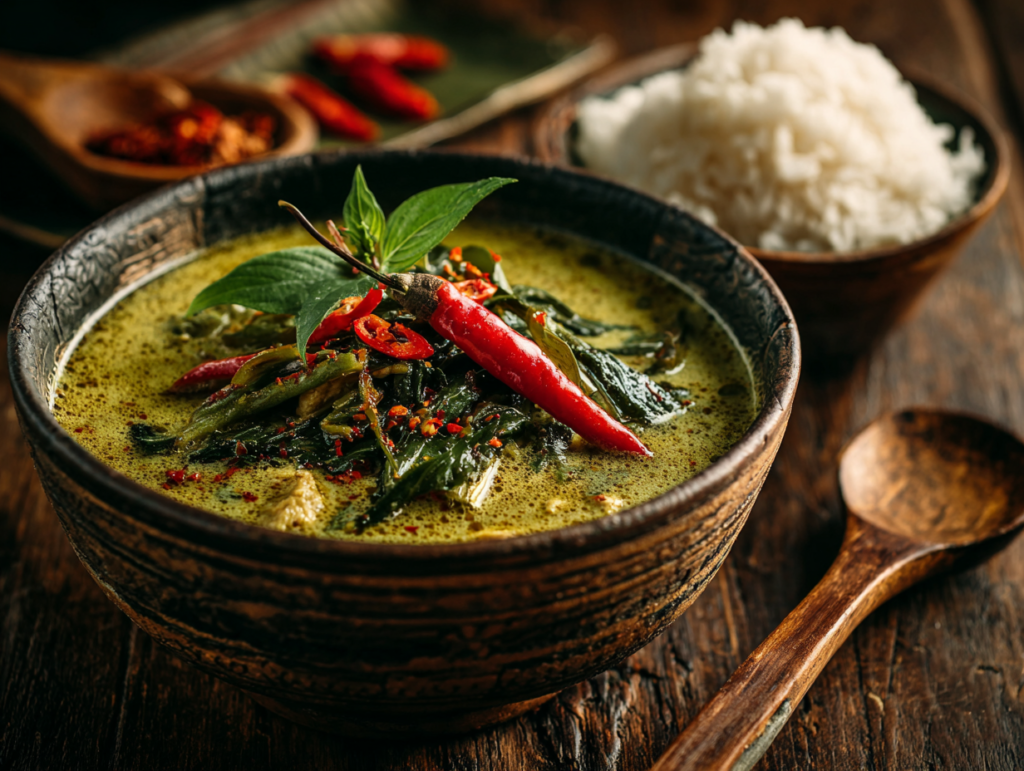
Thai cuisine is a masterclass in contrast.
Key Thai Ingredients:
- Lemongrass – Citrus-fresh and aromatic
- Galangal – Peppery and warming
- Thai Chilies – Sharp, clean heat
Thai food balances sweet, salty, sour, bitter, and spicy — often in a single bite. Herbs and spices are frequently used fresh, making the cuisine vibrant and alive.
I feel like Thai food is a blend of Chinese and Indian flavors.
Why Spices Matter More Than Ever Today
In a world of ultra-processed foods and artificial flavors, spices reconnect us to something ancient.
They remind us that:
- Flavor once came from nature, not factories.
- Food was medicine long before pharmaceuticals.
- Culture lives in kitchens, not just museums.
Learning about spices is understanding how civilizations survived, healed, celebrated, and connected.
I have so many more cultures to explore. Some of the Blue Zones – Japan is next on my list.
Buy Before Sale Ends!

A Modern Kitchen, A Global Story
Today, my spice cabinet looks like a map of the world.
Turmeric, coriander, cumin, cloves, and Garam Masala from India.
Oregano is inspired by Greece.
Chilies from Mexico.
Star anise from China.
Oregano is inspired by Greece.
Chilies from Mexico.
Star anise from China.
Each jar holds history.
And every time we cook with intention, learning where our spices come from, we participate in a tradition that has shaped humanity itself.