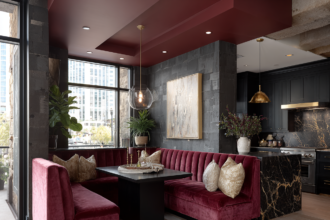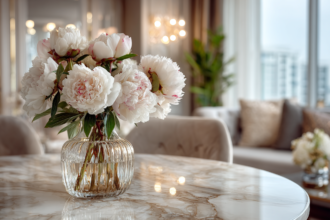
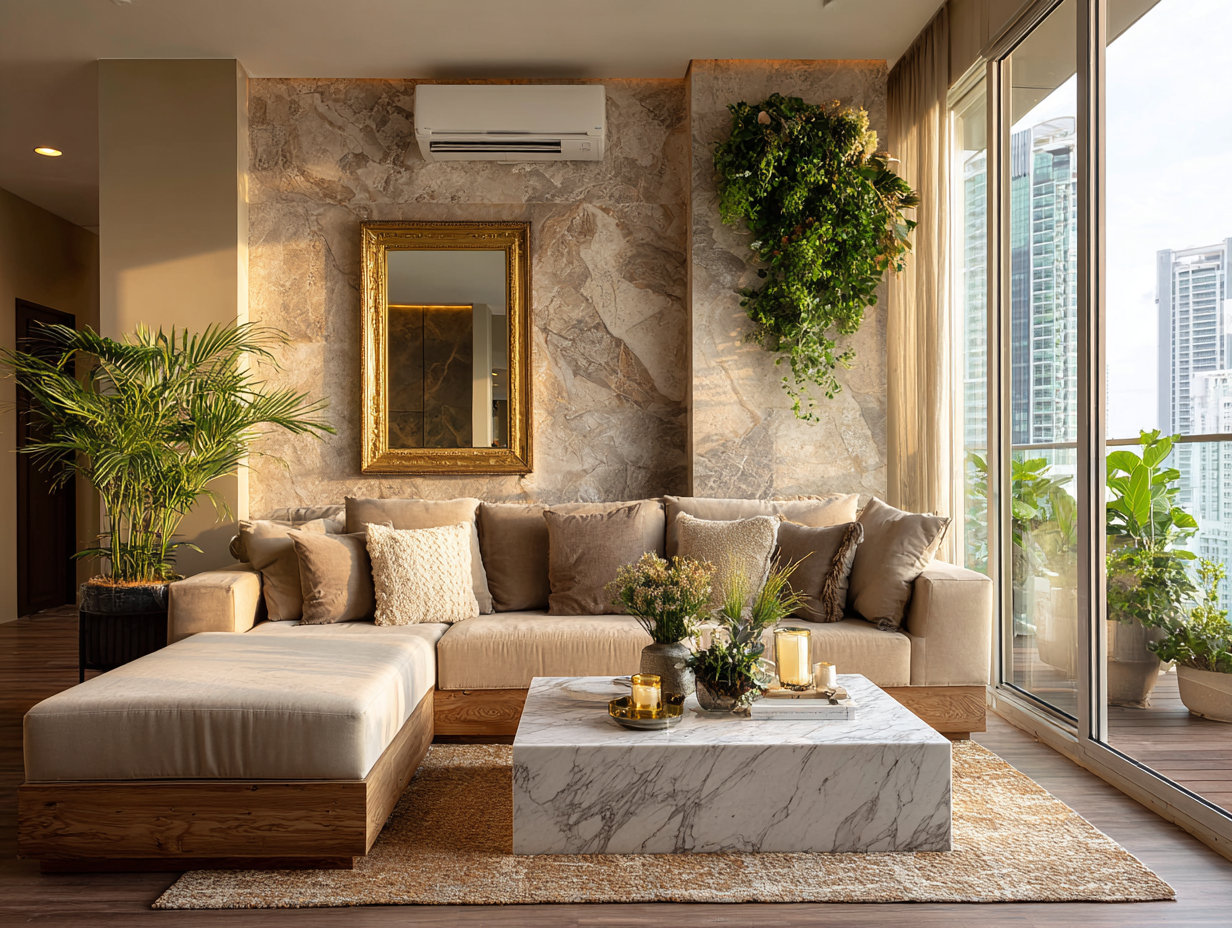

The 5 Core Principles of Intentional Decor: How to Create a Home That Reflects You
We all want a home that looks beautiful. But what about a house that feels like you?
That’s the essence of intentional decor — not just creating a stylish space, but one that reflects your story, supports your lifestyle, and brings a sense of grounded ease to your daily life.
Over the years, I’ve noticed something. When people walk into my home, they don’t say “Wow, this looks like a magazine.” They say, “This feels like you.” And that is the greatest compliment I could ask for.
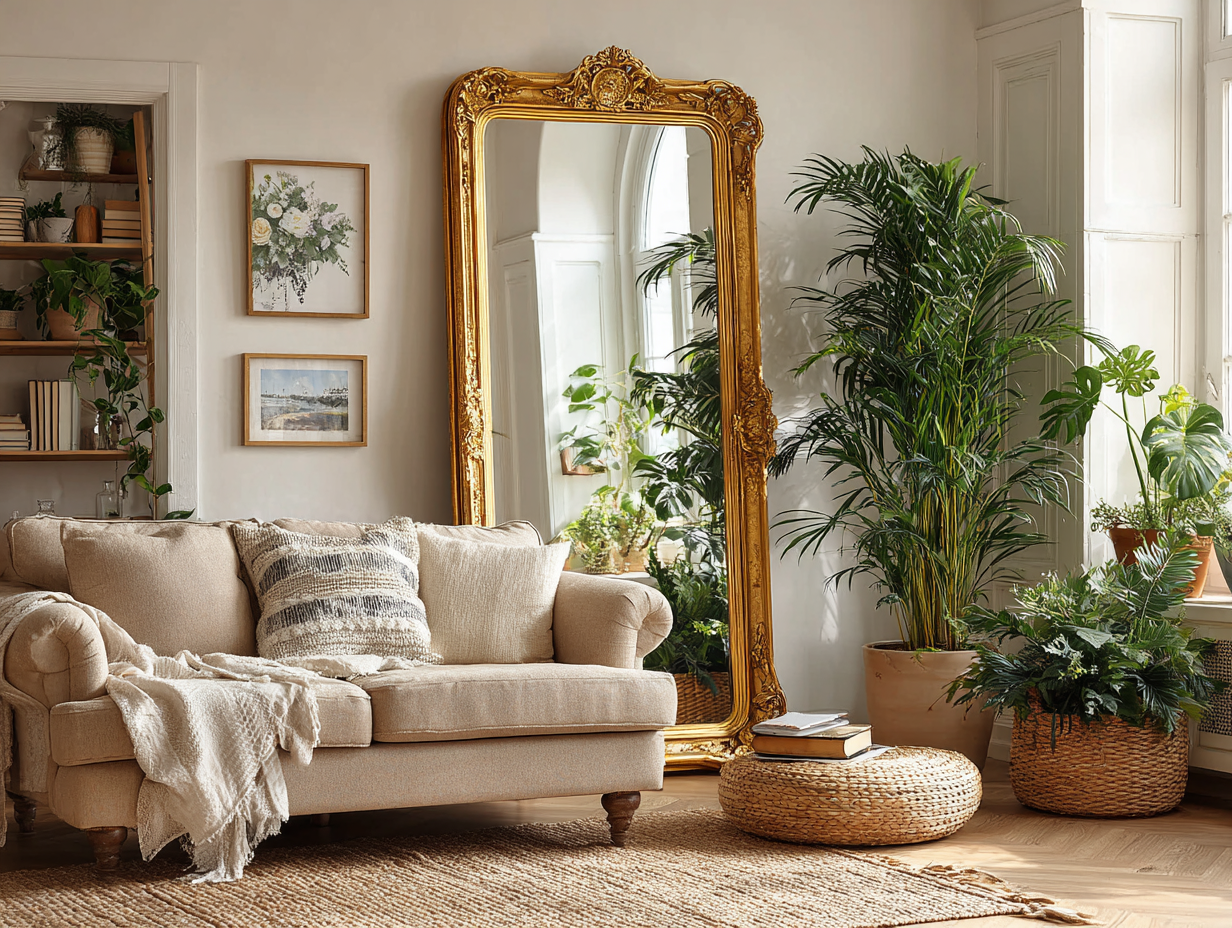
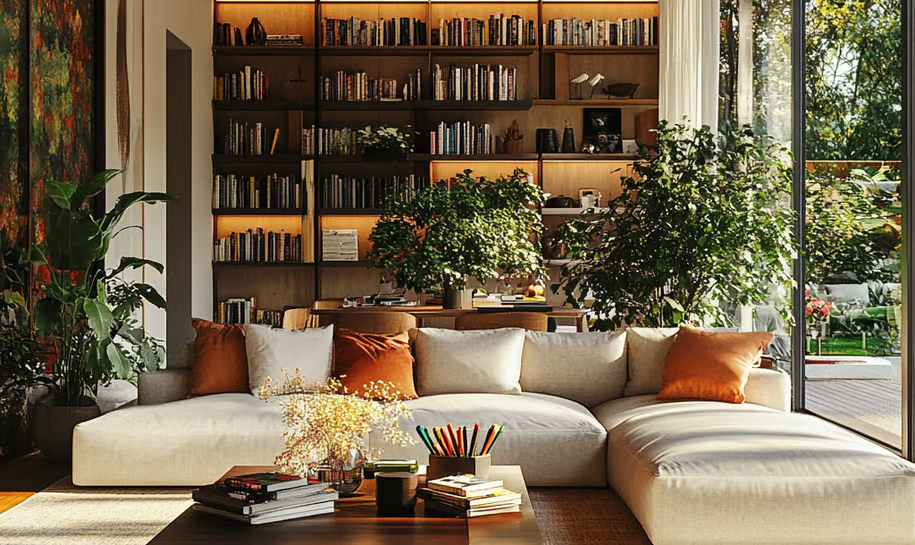
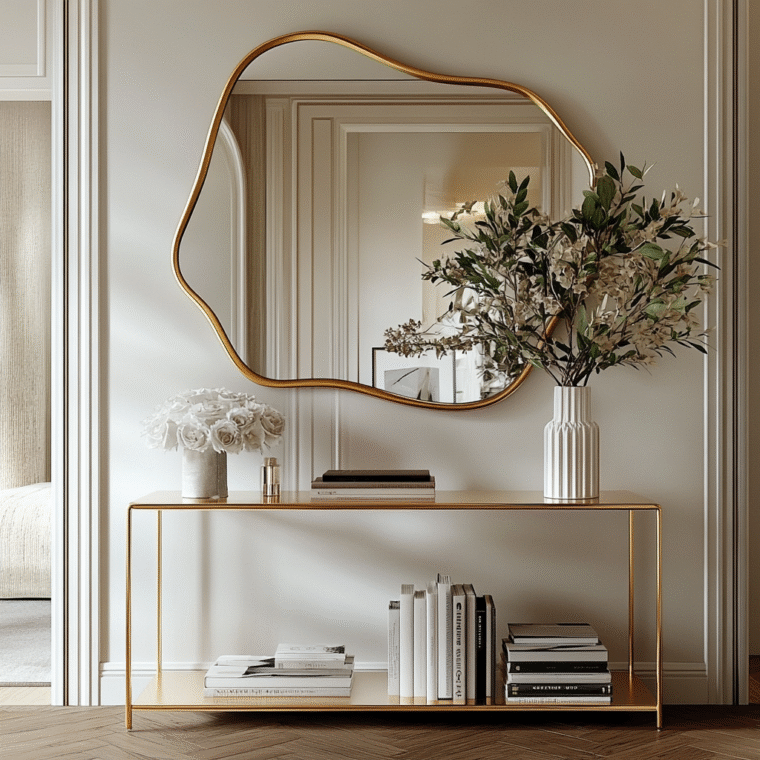
Whether it’s the oversized mirror in the hallway, the bookshelf filled with personal growth books I actually read, or the handwoven basket holding my son’s Lego sets in the living room (when he was little) — everything has a place, a purpose, and a presence.
In this article, we will explore the five core principles of intentional decor — the foundation for creating a soulful, functional, and profoundly personal home.
1. Personalization: Design That Reflects You
Your home should tell your story — not Instagram’s, not your favorite celebrities’, not even your interior designer’s. Yours.
This starts by asking simple but powerful questions:
- What do I love looking at every day?
- What memories or objects make me feel grounded?
- What colors or textures make me feel alive, calm, or joyful?
In my own home, personalization manifests in subtle, quiet ways. The ceramic bowl from a street market in Tuscany. The family memories photos are framed above my living room sofa.
Don’t be afraid to let your personality shape your space. Your love of books, plants, music, or morning coffee rituals deserves a physical home too.
2. Practicality: Beauty That Works for Real Life
Intentional decor is never just for show.
It means designing a space that not only looks good but works hard for your life. Your living room should welcome guests and allow your child to sprawl on the rug. Your coffee table should serve as a visual anchor and a place to rest your tea, snacks, or even your laptop.
In my home, I continually strive to strike a balance between elegance and ease. I love gorgeous textures — such as marble, linen, and matte ceramics — but I also need wipeable surfaces, cozy nooks, and smart storage that doesn’t scream “storage.”
Practical doesn’t mean plain. It means thoughtful. And it respects the way you live.
Try This: Use beautiful marble, wooden, or metal trays to gather items on your coffee table — from candles to coasters to remotes. This small detail is stylish and functional.
3. Emotional Clarity: Does This Spark Peace?
There’s something powerful about walking into a room and instantly feeling calm. If your home is well-decorated but doesn’t give you peace, something is off balance.
Intentional decor invites emotional clarity. It asks:
- Do I feel at ease in this space?
- Are there too many visual distractions?
- What needs to be removed, softened, or rebalanced?
I once walked into a friend’s apartment in Hong Kong — she had very few items, but everything was carefully placed. A soft lamp in the corner, a single painting, a fresh flower in a jar. I remember thinking, “This feels like a deep breath.”
In my own home, I strive to design beautiful decor but for a sense of well-being, not just aesthetics. Do I feel good waking up here? Is there a space that makes me want to curl up and read? That’s the real measure.
4. Thoughtful Curation: Buy Less, Choose Meaningfully
We’ve all had the experience of buying something just to fill a space — only to replace it six months later. That’s not intentional decor.
Curation means choosing pieces you truly love. It means asking, “Why am I adding this?” before introducing something new.
I once made the mistake of ordering a wall art set I saw trending online — it looked fine, but it didn’t speak to me. I ended up replacing it with a single framed print from an artist I found in a local boutique — and every time I pass it now, I smile. Intentional decor lifts your energy.
Let your space grow slowly. Be picky. Be patient. Because a well-curated space isn’t filled — it’s edited.
5. Sensory Warmth: The Atmosphere You Create
Intentional decor is not just what you see — it’s what you feel.
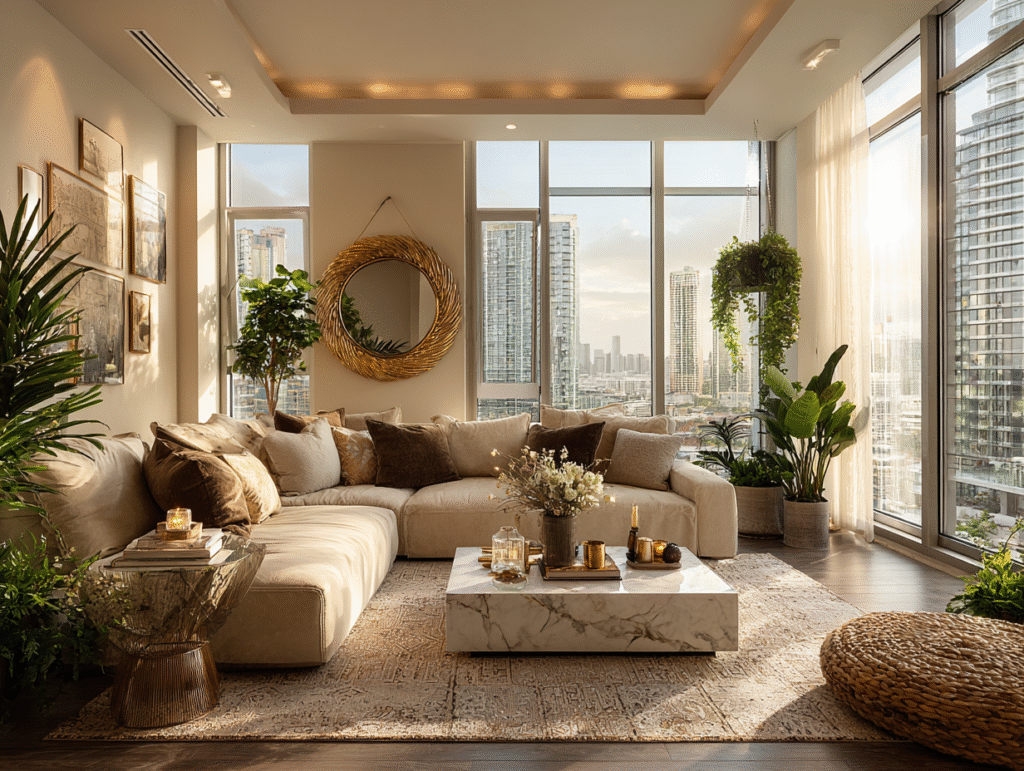
Warmth comes from texture, scent, light, and sound. A gorgeous knit throw in neutral colours. A beeswax candle flickering at sunset. The gentle hum of a playlist in the background.
In my home, I always light a candle in the evening, especially during cold winter. It’s a ritual. I keep a small collection of soft blankets, and I always have a warm lamp on — overhead lighting is too harsh for me. These little things don’t cost much, but they transform the space.
If your home feels sterile or cold, it may be missing sensory warmth. Add softness. Layer your lighting. Create corners that say, “Come sit, stay awhile.”
Intentional Decor Is a Practice, Not a Project
You don’t have to change your whole house overnight. You don’t even have to follow all five principles perfectly.
But if your space feels off — if it looks “good” but doesn’t feel like home — come back to these questions:
- Is this me?
- Is this working for my life?
- Is this peaceful?
- Is this meaningful?
- Is this warm?
That’s the heart of intentional decor. And when you build your space on those foundations, beauty is simply the byproduct.
Also, be prepared to update this decor as your lifestyle changes. Your home should always reflect who you are, not who you were 5 years ago.