
Why Calm Energy Is the New Productivity
For years, productivity was defined by speed.
Early alarms. Rushed mornings. Lunches in traffic. Children hustled out. Coffee gulped, not enjoyed. Days beginning in urgency.
This rhythm became so normalized that few of us stopped to question it, until the consequences became impossible to ignore.
Burnout. Anxiety. Inflammation. Brain fog. Emotional exhaustion disguised as ambition.
Recently, a shift is emerging, across social media, wellness spaces, and quiet conversations, toward slow mornings. Not as an aesthetic, but as a response.
A collective realization.
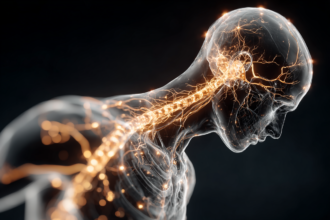
People are finally seeing the cost of stress.
Calm energy is becoming the new definition of productivity.
The Rise of the Slow Morning — And Why It’s Happening Now
Slow mornings didn’t appear out of nowhere.
They’re a reaction.
For decades, the dominant model of adult life looked like this: wake up early, rush through personal needs, manage household logistics, commute, perform all day, return home depleted, repeat.
This pace was glorified. Busyness became a badge. Calm seemed lazy. Slowness was seen as undisciplined.
But bodies keep score.
Over time, people began to connect the dots between constant rushing and chronic stress. Between urgency and fatigue. Between “high-functioning” lifestyles and declining mental and physical health.
The slow morning movement exists because people are tired, not just physically, but nervously.
They’re learning that how you start your day sets the tone for everything that follows.
And that calm isn’t indulgent, it’s protective.
Calm Energy Is Not About Working Less
Let me be clear: calm energy does not mean doing less.
It means having clarity and focus, producing your best work by being grounded, rather than rushing from task to task out of habit or stress.
I don’t structure my life around urgency. I structure it around capacity.
When your body is regulated, your mind sharpens. When your nervous system is calm, your output improves. You can think longer, create better, and sustain momentum without burning yourself out.
Calm energy isn’t passive.
It’s powerful.
How I Start My Day: Slowly, On Purpose
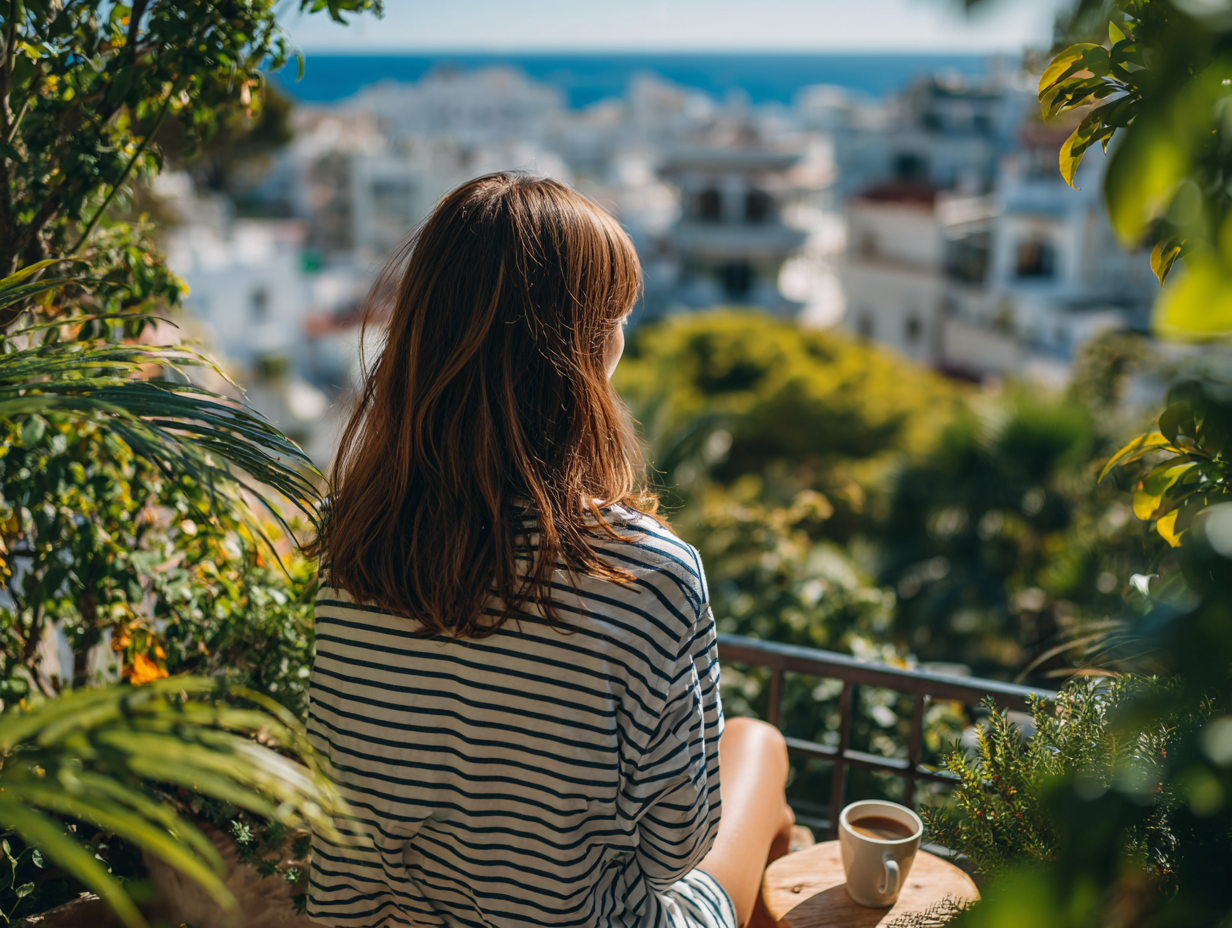
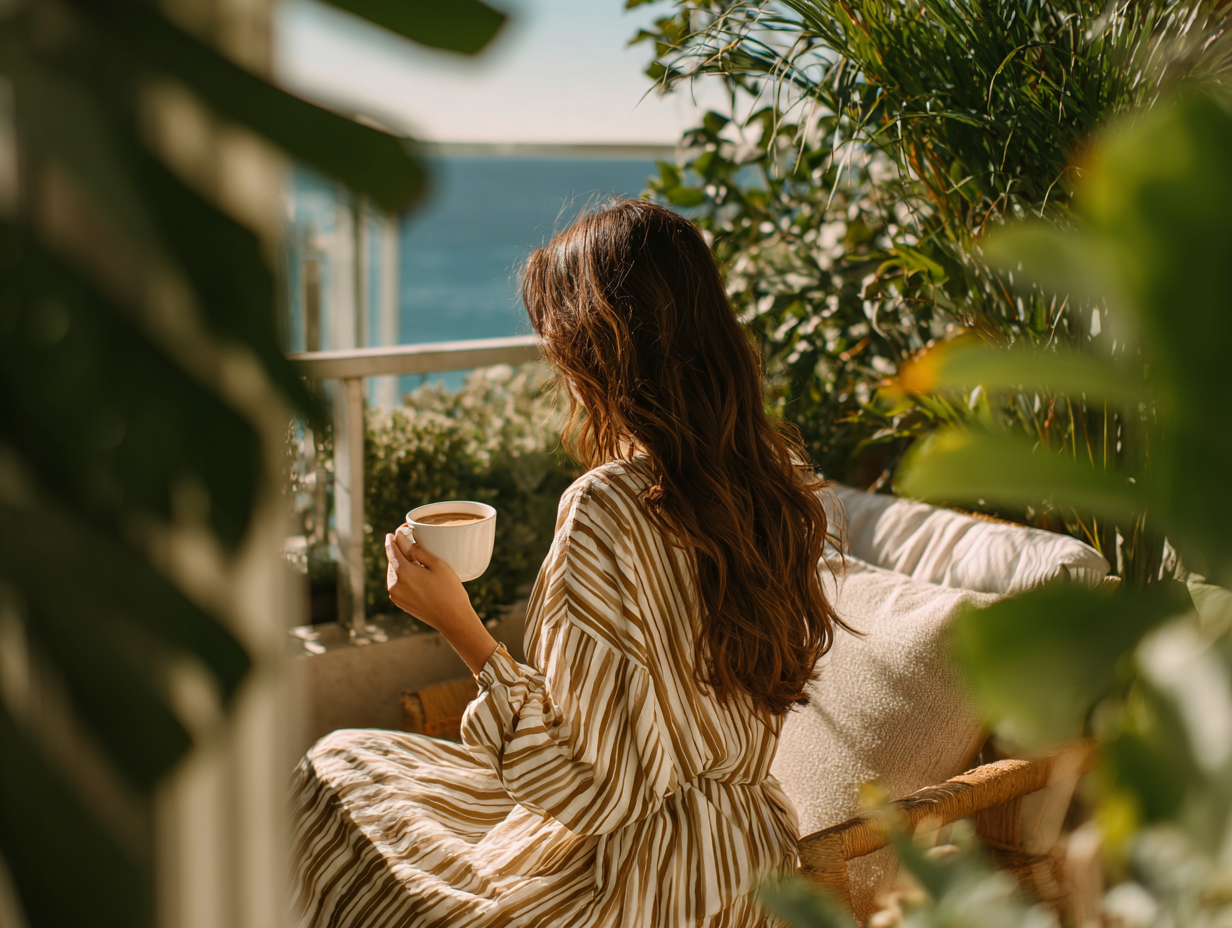
My mornings are intentionally unhurried.
Not because I’m avoiding responsibility, but because I understand rhythm.
The first anchor of my day is nourishment.
I start with a high-protein, high-fiber smoothie made with blueberries, raspberries, mango, and protein powder, paired with a cup of black coffee.
This isn’t about trends or optimization hacks. It’s about stability.
Protein steadies blood sugar. Fiber aids digestion. Fruit offers micronutrients without spikes. When your body isn’t scrambling for energy, your mind stays calm.
I don’t rush this moment. I don’t multitask. I let my nervous system wake up gently.
This is where calm energy begins, before emails, before work, before decisions.
Flexible Mornings Create Better Focus

Some mornings, I start working at 7:30.
Other days, it’s closer to 8:30. Some days, I don’t work at all in the mornings.
The difference isn’t discipline, it’s responsiveness.
I listen to my body. I notice my mental clarity. I move into work when I feel settled, not pressured.
This flexibility doesn’t reduce productivity. It enhances it.
Because when I sit down to work, I’m not dragging myself there. I’m arriving present, grounded, and focused.
And that changes the quality of everything I produce.
Slow Morning Rituals That Regulate the Nervous System
One of the most grounding parts of my morning is taking a bath.
Warm water slows the body. It signals safety. It lets the nervous system exhale.
In that stillness, ideas surface naturally. Thoughts connect without force. Creativity feels fluid instead of strained.
Slow mornings are about intention.
Lighting a candle. Moving without rushing. Creating small rituals that signal calm.
I’ve curated some of my favorite slow morning essentials, the kinds of items that turn routine into ritual, in my LTK shop for anyone who wants to design mornings that feel softer and more supportive. These aren’t necessities; they’re tools for atmosphere.
And atmosphere matters more than we think.
Lunch Without Stress, Days Without Guilt
Midday is another place where calm energy is either preserved or lost.
I don’t rush lunch or eat with urgency. Some days are quick, others leisurely, never frantic.
A regulated nervous system digests better, thinks better, and sustains energy longer.
This is why so many people feel exhausted after eating. It’s not always the food; it’s the stress layered on top of it.
Calm energy asks us to stop treating meals as interruptions and start seeing them as support.
The Days That Look Unproductive, But Aren’t
Some days, I don’t “work” at all.
At least not in the traditional sense.
I think. I process. I write notes. I let ideas breathe. I connect dots quietly.
From the outside, it can look like nothing is happening.
In reality, everything is integrating.
These slower days are where long-term clarity is built. Where decisions become easier. Where direction sharpens without force.
Calm energy isn’t always visible, but its effects are undeniable.
Related Read
Why Nervous System Regulation Is the 2026 Health Trend
A deeper look at why calming the nervous system is becoming the foundation of modern wellness, and how stress regulation quietly shapes energy, focus, and long-term health.
Why Nervous System Regulation Is the 2026 Health Trend
A deeper look at why calming the nervous system is becoming the foundation of modern wellness, and how stress regulation quietly shapes energy, focus, and long-term health.
But what happens if you don’t have full control over your time?
I want to acknowledge something important.
I work for myself. I have time and location freedom. I know not everyone does.
But calm energy is not reserved for entrepreneurs.
Even within a corporate 9–5 life, slow mornings are possible; they just look different.
It might mean waking up 20 minutes earlier to drink your coffee without rushing. Preparing breakfast the night before so mornings feel lighter. Not checking your phone immediately. Take a few quiet breaths before the day begins.
A slow morning is not about luxury; it’s about intention.
It’s about removing unnecessary stress from the very first moments of your day.
That alone can change everything.
Why Calm Energy Produces Better Results
High-intensity energy produces bursts of output.
Calm energy produces sustainable excellence.
When your body is regulated:
- Focus lasts longer
- Emotions are less reactive.
- Creativity feels natural
- Work integrates into life instead of competing with it.
Burnout doesn’t come from working too much.
It comes from working in a constant state of physiological stress.
Calm energy fundamentally changes how we work, replacing stress-driven effort with sustainable, high-quality results.
Redefining Productivity for a Healthier Life
The most productive lives often look deceptively calm.
They are built on trust — trust in the body, in rhythm, in the long game.
Slow mornings are not a trend.
They’re a correction.
A quiet return to living in a way the body actually understands.
Calm energy is a conscious choice. Once you experience its impact on productivity and wellbeing, hustle feels noisy, unsustainable, and outdated.
This is the energy I protect.
If you’re ready to experience true productivity through calm energy, start tomorrow morning: choose one intentional, unhurried ritual as your anchor. Notice how it changes your day. Protect this energy fiercely—because from it, everything else flows. Make this shift today and feel the difference.