
The Number One Mistake Most People Make in the Stock Market
This is not financial advice. I am not a financial advisor. This article reflects only my personal experience and perspective.
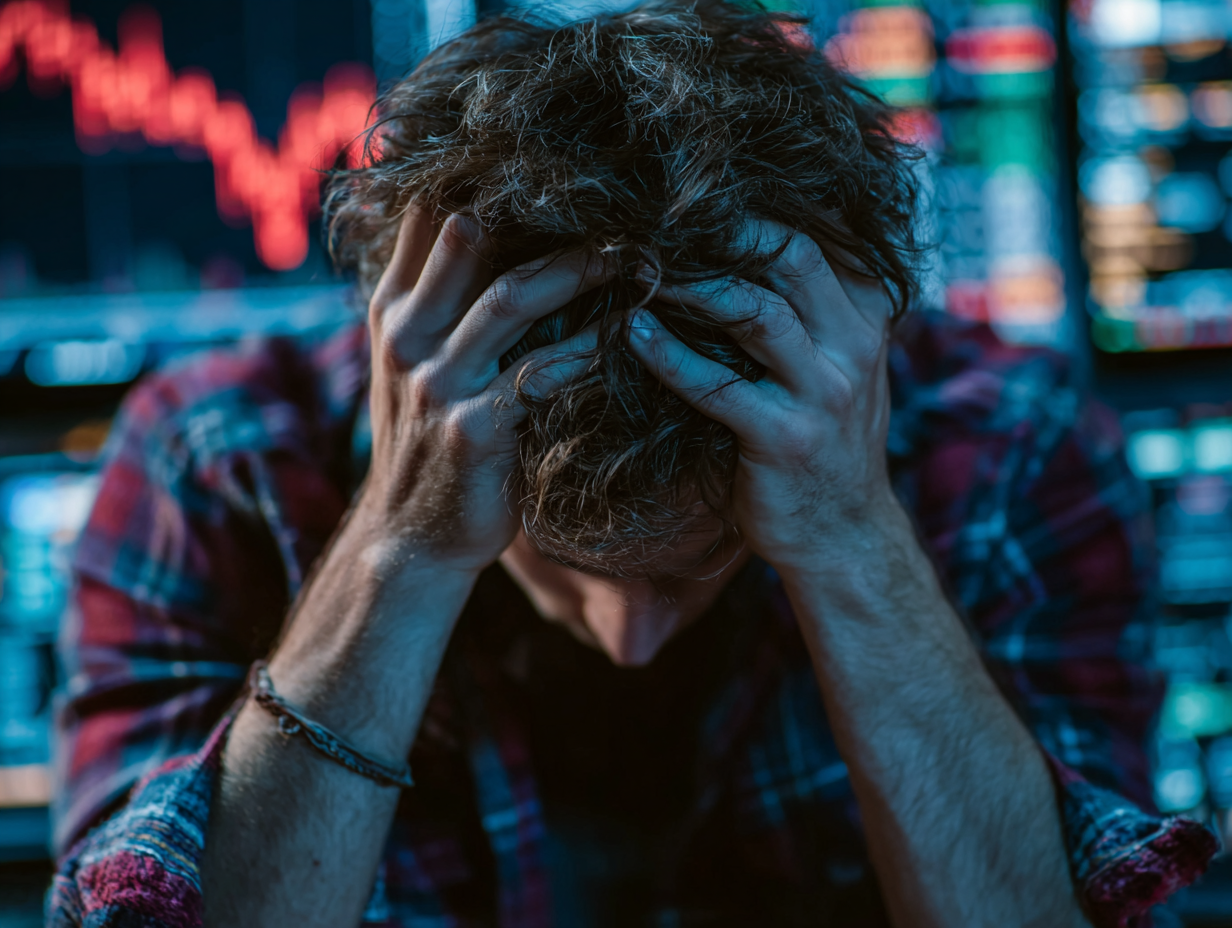
The most common mistake I see is trying to time the market, seeking certainty and the perfect entry instead of just participating and building wealth.
They wait for the “perfect” entry, confirmation, or clarity and, by doing so, miss the core element that builds wealth: consistent participation in the market.
They wait for confirmation.
They wait for clarity.
They wait for confirmation.
They wait for clarity.
By waiting for perfection, they miss what builds wealth: consistent participation.
The Stock Market Is Inherently Unpredictable
One of the hardest truths to accept, especially for logical, intelligent people, is that no one really knows what’s going to happen next in the stock market.
Not analysts.
Not experts.
Not institutions.
Not experts.
Not institutions.
Markets move for reasons that often have nothing to do with a company’s actual quality.
Short-term market fluctuations can be triggered by:
- tariff announcements
- geopolitical tensions
- interest rate speculation
- earnings calls that miss expectations by a fraction
- sentiment shifts driven by headlines (Elon’s tweets)
Sometimes the entire market drops even when nothing is fundamentally wrong.
This unpredictability is exactly why attempts to time the market are so risky, and why focusing on market participation is far more effective.
My Personal Experience: Investing During COVID
When I started investing seriously in 2020, it was during the COVID-19 pandemic, one of the most uncertain periods in modern market history.
The market was volatile.
Fear was everywhere.
No one knew how long the world would be shut down.
Fear was everywhere.
No one knew how long the world would be shut down.
I invested anyway.
Not because I had clarity.
Not because I knew what would happen next.
But because I believed in good companies and long-term technological shifts.
Not because I knew what would happen next.
But because I believed in good companies and long-term technological shifts.
I invested in AI-related companies during that time, including NVIDIA, without knowing just how fast AI would scale over the next few years.
To be honest, I never imagined NVIDIA would grow as quickly as it did.
But here’s the real lesson: I didn’t try to time the market. I chose to participate, which made all the difference.
Timing the Market vs. Time in the Market
There’s a simple truth: Timing the market doesn’t work, but time in the market actually works; that’s the philosophy of the greatest investor of our times, Warren Buffett.
Trying to perfectly buy at the bottom and sell at the top sounds smart, until you realize that even professionals fail at this consistently.
Markets don’t move in straight lines.
They surge.
They pull back.
They overreact.
They recover.
They surge.
They pull back.
They overreact.
They recover.
If you’re constantly waiting for certainty, you’ll find yourself on the sidelines.
What I Focus on Instead: Buying Good Companies
Rather than asking:
- “Is this the perfect time to buy?”
I ask: - “Is this a good company I’m comfortable owning?”
That shift changed everything for me.
Good companies:
- survive downturns
- adapt to change
- recover faster
- continue building value
If you believe in the business, short-term volatility becomes noise instead of danger.
How I Personally Manage Risk (Without Timing the Market)
While I don’t try to time the market, I also don’t ignore market behavior.
Over time, I’ve developed a personal investing formula that works for me:
1. I Buy With Long-Term Conviction
If I buy a stock, it’s because I believe in the company, not because of short-term momentum.
2. I Allow Profits to Run
When a stock performs well, I don’t rush to sell everything just because it’s “up.”
3. I Take Profits Strategically
When markets become euphoric, or a stock runs very fast, I sometimes:
- sell a portion (often around 50%)
- lock in gains
- reduce emotional pressure
This gives me flexibility without forcing all-or-nothing decisions.
4. I Reinvest When Volatility Returns
If the market pulls back, and it always does, I can reinvest without panic.
This approach removes the pressure to be perfect.
Why Selling Everything Is Rarely the Answer
One of the most damaging habits I see is people selling everything at the first sign of fear.
Markets drop.
Headlines turn negative.
And suddenly, long-term plans disappear.
Headlines turn negative.
And suddenly, long-term plans disappear.
But selling everything assumes:
- You’ll know when to get back in.
- You’ll act without fear later.
- conditions will feel “safe” again
In reality, markets often recover before people feel comfortable re-entering.
The Emotional Cost of Market Timing
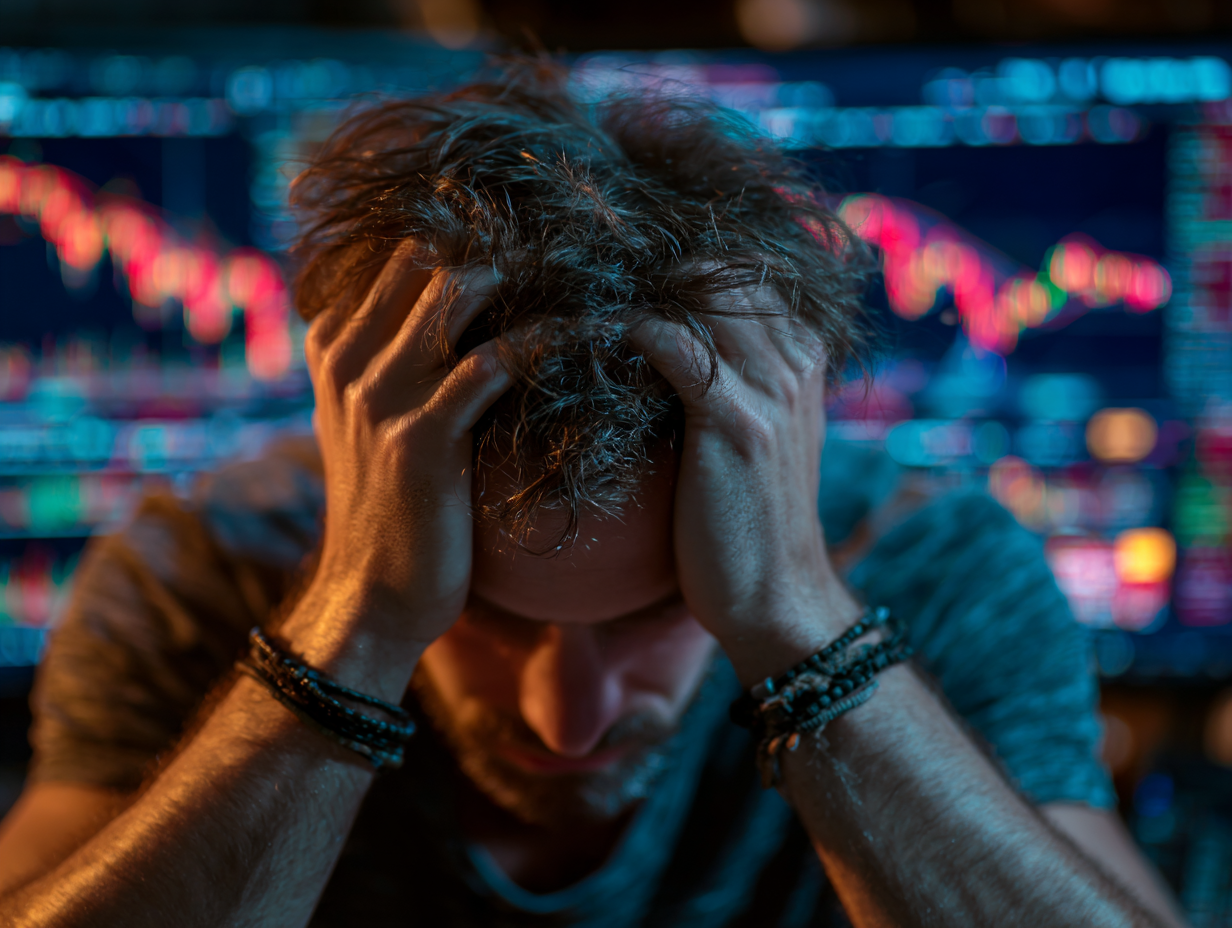
Trying to time the market isn’t just risky financially, it’s exhausting emotionally.
You second-guess yourself.
You replay decisions.
You hesitate.
You replay decisions.
You hesitate.
Over time, that hesitation costs more than any single bad trade ever could.
What This Means for the AI Era
The AI era adds another layer of unpredictability.
Technological shifts happen faster.
Narratives change quickly.
Valuations move aggressively.
Narratives change quickly.
Valuations move aggressively.
Trying to time AI-driven markets is even harder than traditional investing.
That’s why I focus on:
- strong companies
- structural trends
- long-term relevance
Not perfect timing.
Final Takeaway
The stock market will always be unpredictable.
There will always be headlines.
There will always be reasons to wait.
There will always be headlines.
There will always be reasons to wait.
But waiting for certainty, trying to time things perfectly, is often the biggest risk of all. The real advantage comes from entering and staying in the market.
I didn’t build my portfolio by timing the market.
I built it by:
I built it by:
- entering it
- staying invested
- learning to manage profits and risk along the way
In the long run, success isn’t about perfect timing. It’s about staying invested, being consistent, and managing risk patiently.
A Gentle Reminder
This is not advice.
This is experience.
This is experience.
The best investing decisions are rarely dramatic.
Build your future through consistent, intentional steps, and remember, every great portfolio starts with one committed decision. Instead of waiting, take confident action on your next investment today. Your future self will thank you.
Build your future through consistent, intentional steps, and remember, every great portfolio starts with one committed decision. Instead of waiting, take confident action on your next investment today. Your future self will thank you.