Why Nearly Every Ancient Culture Ate Beans — And Why I Still Do
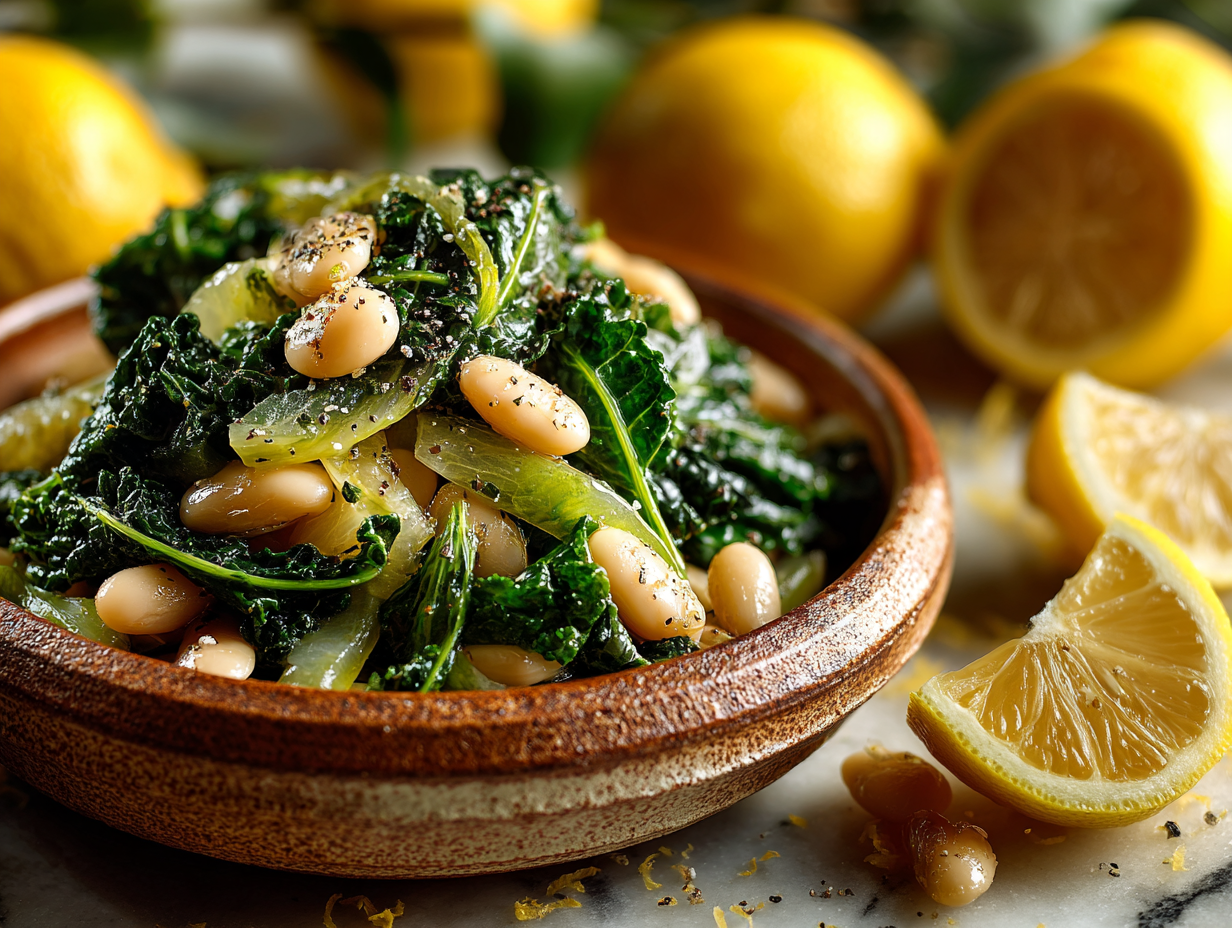
Marinated white beans are a staple in Greek kitchens, often served simply with olive oil, herbs, and lemon.
You’ve likely heard of the Blue Zones, those rare regions of the world where people live longer, healthier lives well into their 90s and beyond. Researchers often highlight walking, strong community ties, and simple living as common threads. But one quiet, consistent pattern shows up again and again across these cultures:
They all eat beans.
Not occasionally.
Not as a health trend.
But as a foundational food, week after week, generation after generation.
As I began studying Blue Zones more deeply, something clicked. From Mexico to Japan, Greece to Italy, India to the Middle East, beans are not “health food.” They are traditional foods. Familiar food. Comfort food.
And that realization brought me right back to my own childhood.
Curious about the Blue Zones? If you haven’t explored them yet, the Blue Zones book is a beautiful place to start—part research, part storytelling, and deeply inspiring.
The creator of National Geographic's popular Blue Zones—now a documentary on Netflix—brings readers a...
National Geographic Explorer and best-selling author Dan Buettner has traveled the globe to uncover the best...
Why Beans Were Always on Our Table Growing Up
I grew up in a traditional Indian household where beans and lentils were not optional; they were simply part of life. My mother cooked them two to three times a week, sometimes more. Lentils simmered slowly on the stove. Chickpeas are spiced gently. Mung dal is prepared lightly for digestion.
At the time, we didn’t talk about fiber, protein, gut health, or longevity. We ate beans because they were normal. Nourishing. Satisfying. Economical. Balanced.
Years later, as I studied nutrition more formally, and later still, as I explored Blue Zone research, I realized something powerful:
My mother was feeding us exactly what modern science now celebrates.
Beans: One of Humanity’s Oldest Nourishing Foods
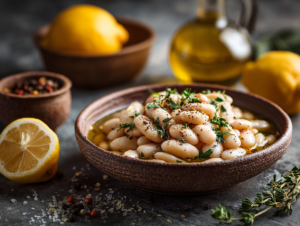
A simple white bean and greens dish inspired by Mediterranean cultures where legumes are eaten regularly for longevity and heart health.
Beans have been cultivated for over 7,000 years. They are among the first foods humans learned to grow, preserve, and rely on during uncertain seasons.
Ancient cultures didn’t eat beans because they were trendy or plant-based. They ate them because beans:
Stored well without refrigeration
Fed large families affordably
Provided sustained energy
Supported digestion and satiety
Paired beautifully with grains and vegetables
Most importantly, beans offered nutritional completeness long before supplements existed.
Why Beans Appear in Every Blue Zone
If you map Blue Zones: Okinawa in Japan, Sardinia in Italy, Ikaria in Greece, Nicoya in Costa Rica, and Loma Linda in the USA, you will notice one unifying habit:
Daily or near-daily bean consumption.
Beans appear as:
Soups
Stews
Side dishes
Main meals
Slow-cooked staples
Not as protein isolates but as whole foods eaten consistently over a lifetime.
Inspired to cook the way long-living cultures do? These Blue Zone–inspired recipes bring simple, bean-based meals to life—rooted in tradition, not trends.
An instant New York Times Best Seller! This mouthwatering cookbook features 100 quick and easy plant-based...
The #1 New York Times best-selling author and Emmy-winning host of Netflix's Live to 100 helps busy home...
The Nutritional Power of Beans (Why They Work So Well)
Beans are uniquely powerful because they combine multiple essential nutrients in one food.
1. Exceptionally High in Fiber
Most beans contain 12–18 grams of fiber per cup, supporting:
Gut health
Blood sugar balance
Cholesterol regulation
Hormonal balance
Satiety and weight stability
Fiber is one of the strongest predictors of longevity—and beans are one of the richest natural sources.
Related Read
Fiber 101: Why I Always Recommend a High-Fiber Lifestyle Beans are one of the most powerful natural sources of fiber. In this article, I share why fiber is foundational for gut health, blood sugar balance, and long-term wellness, and how I build it into daily life without overthinking it. 👉 https://elegantanddriven.com/fiber-101-why-i-always-recommend-a-high-fiber-lifestyle/
2. Plant-Based Protein That Sustains
Beans provide 7–15 grams of protein per serving, depending on the variety. When paired with grains or vegetables, they form a complete amino acid profile.
This is why ancient cultures rarely struggled with protein deficiency, long before animal protein was abundant.
3. Rich in Minerals and Micronutrients
Beans are loaded with:
Magnesium (muscle and nerve health)
Potassium (blood pressure balance)
Iron (oxygen transport)
Zinc (immune function)
Folate (cell repair and longevity)
They quietly support nearly every system in the body.
Beans Across Cultures: A Global Tradition
What fascinates me most is how every culture developed its own relationship with beans—adapting them to climate, digestion, and lifestyle.
Mexico & Central America: Black Beans and Pinto Beans
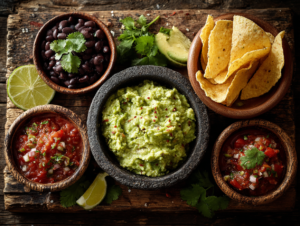
Black beans are a daily staple in Mexican cuisine, often paired with corn, vegetables, and simple seasonings.
In Mexico, beans are a daily staple, often black or pinto beans.
They’re slow-cooked, seasoned simply, and paired with corn or rice. This combination creates:
Long-lasting energy
Stable blood sugar
A deeply satisfying meal
Black beans, in particular, are rich in antioxidants that support cellular health.
Greece: White Beans and Fasolada
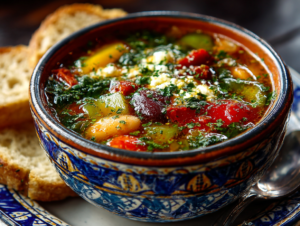
Fasolada is Greece’s iconic white bean soup—simple, nourishing, and deeply rooted in tradition.
In Greece, traditional white bean soup, fasolada, is considered a national dish.
White beans are:
Gentle on digestion
High in soluble fiber
Excellent for heart health
Paired with olive oil, herbs, and vegetables, this dish reflects the Mediterranean approach to longevity: simple, nourishing, unprocessed.
I have my own version of this soup – you must have seen it on my Instagram.
Italy: Cannellini Beans and Minestrone
Italian cooking is full of beans, especially cannellini beans.
They appear in:
Minestrone soup
Rustic stews
Vegetable-based dishes
Cannellini beans are creamy, mild, and rich in magnesium and fiber. In traditional Italian diets, beans often replace meat—not out of restriction, but out of tradition.
I love using these beans in simple salads with parsley, black pepper, and cider-based dressing.
India: Lentils, Dal, and Digestive Wisdom
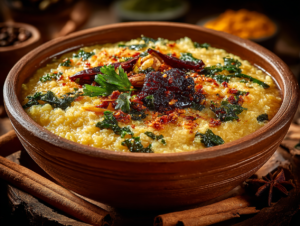
Khichdi is a classic Indian comfort food made with lentils and rice, often eaten for digestion and healing.
India may have the most sophisticated bean culture of all.
Different lentils are used intentionally:
Red lentils for quick digestion
Yellow lentils for balance
Black lentils for strength
Mung dal for healing and gut health
Mung dal, in particular, is prized for its lightness, anti-inflammatory properties, and ease of digestion, and is often recommended during recovery from illness or detoxification.
I remember my mom making Khichari when we were under the weather. So simple and delicious. It’s a part of Ayurvedic living.
This isn’t a coincidence. It’s nutritional wisdom passed down through generations.
Japan: Soybeans and Fermented Bean Foods
Soybeans are a foundational ingredient in Asian cuisines, especially in regions known for longevity.
In Okinawa, one of the world’s longest-living populations, soybeans are a staple.
They appear as:
Edamame
Miso
Tofu
Natto
Fermented soy products support:
Gut microbiome diversity
Nutrient absorption
Reduced inflammation
The Japanese approach emphasizes small portions, frequent consumption, and fermentation—a powerful longevity combination.
Middle East: Chickpeas and Fava Beans
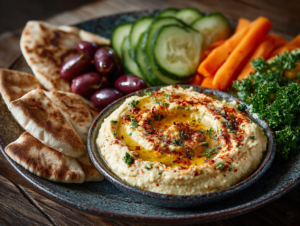
Chickpeas form the base of hummus, one of the Middle East’s most beloved and enduring bean-based dishes.
Krupa is the Founder and Editor in Chief of Elegant & Driven, where elegant living meets purposeful ambition. With a background in strategic writing and a deep love for systems that empower creativity, she shares timeless insights on health, design, and the art of digital entrepreneurship.






![The Bean Book: 100 Recipes for Cooking with All Kinds of Beans, from the Rancho Gordo Kitchen [A Cookbook]](https://m.media-amazon.com/images/I/91Jay-xNC2L._SL160_.jpg)
![Cool Beans: The Ultimate Guide to Cooking with the World's Most Versatile Plant-Based Protein, with 125 Recipes [A Cookbook]](https://m.media-amazon.com/images/I/916dH3SWD4L._SL1500_._SL160_.jpg)